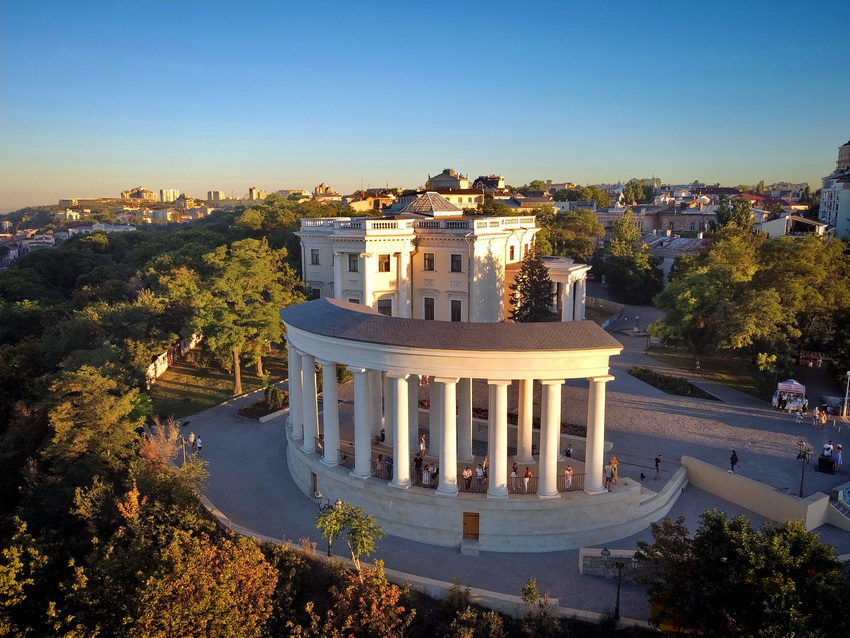
Vorontsov Palace
Address: 2a Vorontsov Lane, Odesa.
History: The palace was founded in 1826 on the site of the former Ottoman fortress Yeni-Dunya. The project was commissioned by Count Mikhail Vorontsov, Governor-General of the Novorossiysk Territory. His ambition was to create not merely a residence, but a symbol of imperial power in the south. Construction was completed in 1828, and the palace immediately became the center of high society: lavish balls were held here, attended by Alexander Pushkin, Vasily Zhukovsky, and members of European royal families. After the death of Mikhail Semyonovich, the palace was inherited by his son Semyon, and later by his widow, Elizaveta.
At the end of the 19th century, following the death of the last member of the Vorontsov family, the palace was rented out; for a time, it housed a boys’ gymnasium. During the revolutionary events of 1917–1920, the building served as the headquarters of the Red Guard and the Council of Workers’ Deputies. In 1936, the palace was converted into the Palace of Pioneers. During the Second World War, the building suffered severe damage from air raids, and parts of the interiors were looted by the occupying forces. In the postwar years, the palace underwent multiple restoration campaigns aimed at preserving the original stucco work and parquet floors. As of 2026, it remains the principal architectural landmark of Primorsky Boulevard, having survived a large-scale reconstruction of its foundations and colonnade.
Architecture: Empire style. Architect — Francesco Boffo.
Legends/Facts: An extensive system of tunnels leading to the catacombs was discovered beneath the palace.
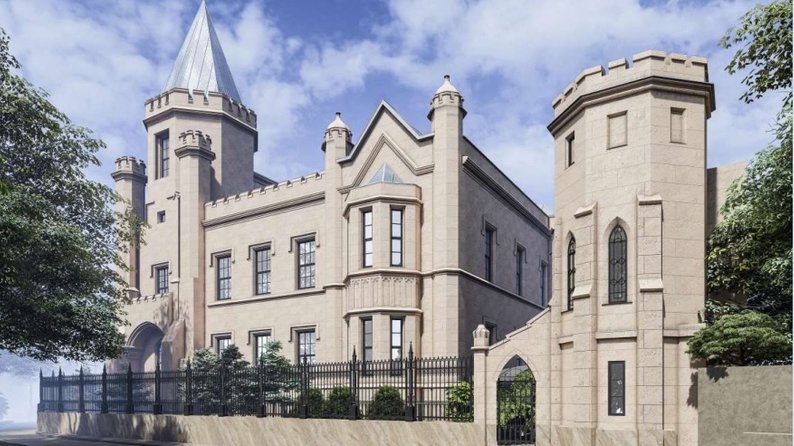
Brzozowski Palace (Shah Palace)
Address: 2 Hohol Street, Odesa.
History: The building was erected in 1852 for the Polish nobleman Zenon Brzozowski. The Brzozowski family owned the palace for more than half a century, using it as an urban residence. At the beginning of the 20th century, the palace passed into the ownership of another Polish aristocrat, Józef Szenbek. The most fascinating period in its history began in 1909, when the palace was rented by Mohammed Ali Shah — the deposed Persian monarch who fled Tehran after the Constitutional Revolution. The Shah settled here with his harem (according to legend, he had around 50 wives) and a large entourage. He attempted to recreate an atmosphere of Eastern splendor in Odesa while simultaneously leading an active European social life.
After the 1917 Revolution, the Shah left for Europe, and the palace was nationalized. During the Soviet period, it housed the House of Folk Art and various government institutions. Remarkably, the building avoided major internal alterations, allowing it to retain its Gothic spirit. In the 2000s, the palace became the office of a commercial bank, which carried out a comprehensive exterior restoration. Today, it is one of the most photogenic buildings in Odesa, evoking the romanticism of a bygone era.
Architecture: Неоготика. Neo-Gothic. Architect — Felix Gąsiorowski.
Legends/Facts: Local residents believed that the Shah kept lions in the basements to guard his treasures.
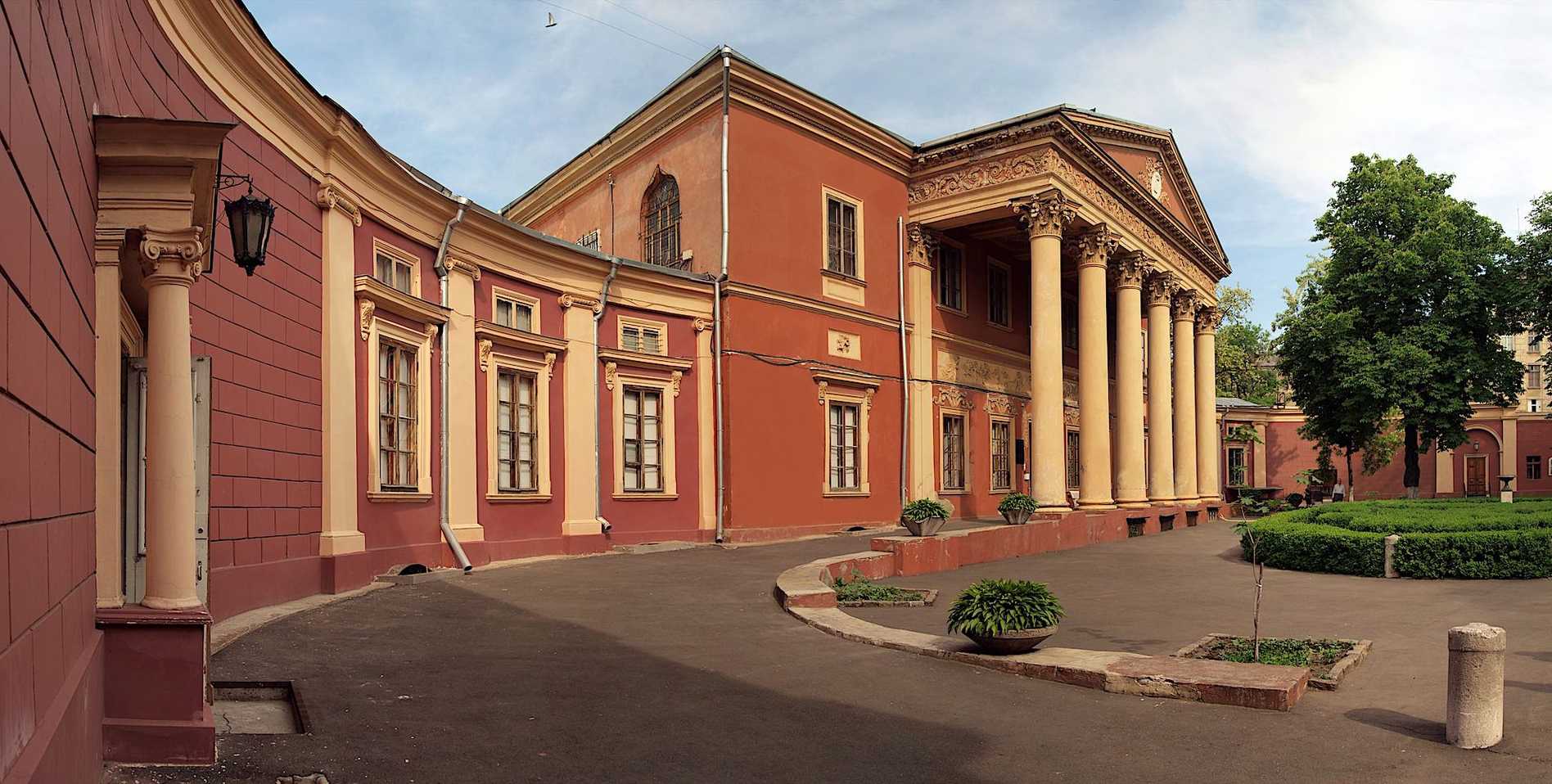
Potocki–Naryshkin Palace
(Odesa Art Museum)
Address: 5a Sofiivska Street, Odesa.
History: Construction of the palace began in 1823 at the request of Countess Sofia Potocka, daughter of the legendary Sofia Witt-Potocka, after whom the Sofiivka Park was named. The palace was intended as a wedding gift for her marriage to General Pavel Kiselyov. However, due to family difficulties, the Countess rarely visited Odesa. In the 1840s, the palace was acquired by another influential family — the Naryshkins (Lev Naryshkin and his wife Olga, née Potocka). Under their ownership, the palace became the venue for the most luxurious receptions in the city.
By the end of the 19th century, the building had fallen into disrepair, and the Naryshkins decided to sell it. In 1888, the city community, led by Hryhorii Marazli, purchased the palace to establish a municipal museum. In 1899, the Odesa Art Museum was officially opened here. Soviet authorities preserved the museum function of the building, although the collection underwent significant changes. During the Romanian occupation (1941–1944), part of the exhibits was removed, but the building itself was saved thanks to the efforts of museum staff. In 2023, the palace was damaged by a blast wave during a Russian missile strike, which initiated a new phase of restoration that continued until early 2026.
Architecture: Classicism. Architect — Francesco Boffo.
Legends/Facts: The grotto beneath the palace was originally used as a secret meeting place for Sofia Potocka’s romantic encounters.
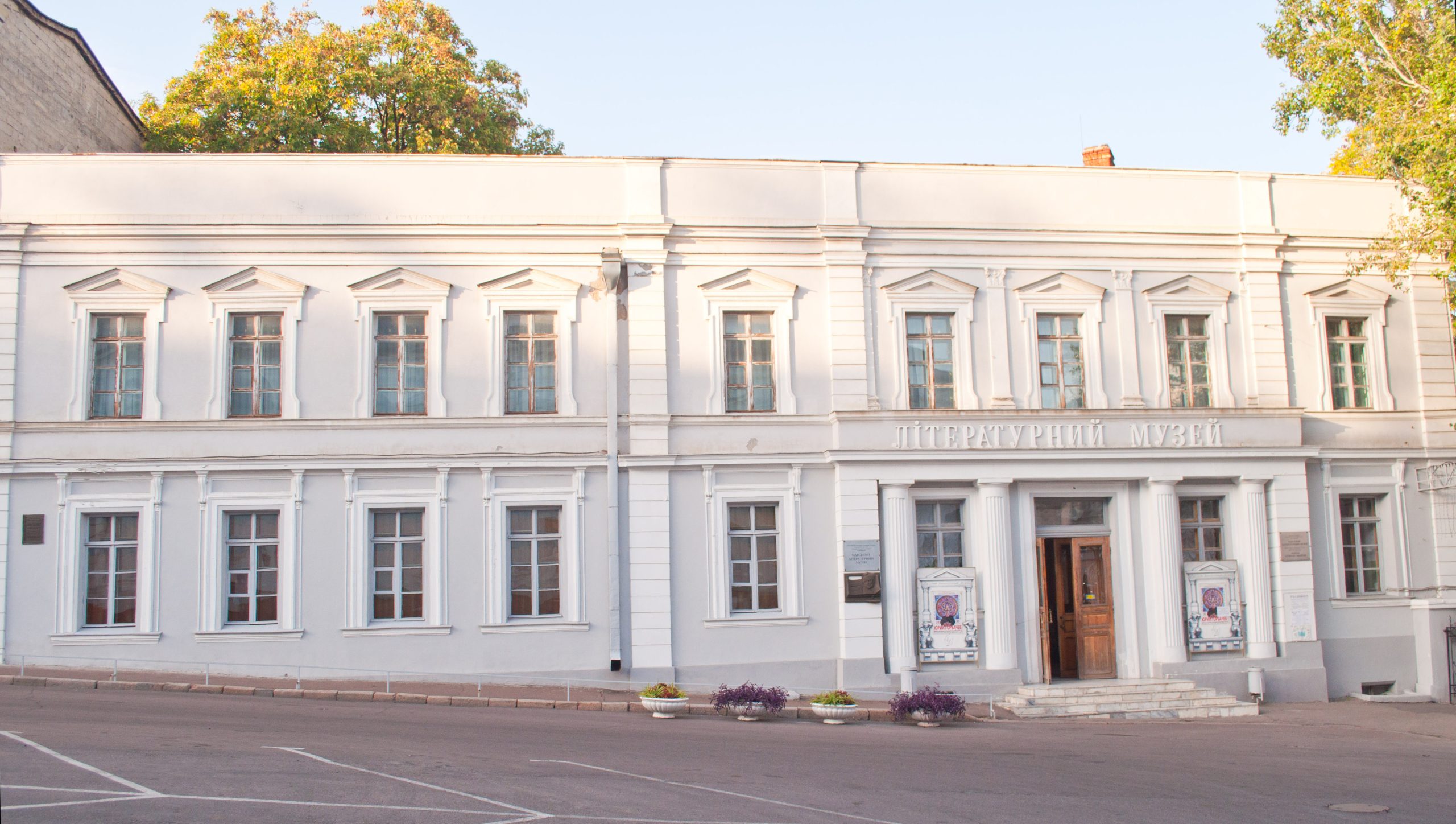
Gagarin Princes’ Palace (Literary Museum)
Address: 2 Lanzheronivska Street, Odesa.
History: The palace was built in the 1840s–1850s for Prince Dmitry Gagarin, a representative of one of the oldest noble families. The prince was a prominent figure in Odesa society, and his wife, Sofia Petrovna, was renowned for her beauty. The palace was famous for its interiors, especially the “Golden Hall,” known for its exceptional acoustics. After the prince’s death, his heirs transferred part of the building to the Odesa City Duma, which later handed it over to the Literary and Artistic Society.
It was here, at the turn of the century, that the city’s intellectual elite gathered: Ivan Bunin, Alexander Kuprin, Anton Chekhov, and Lesya Ukrainka. New literary works were read aloud, and the cultural life of the empire was discussed. After 1917, various institutions occupied the palace, ranging from registration offices to communal apartments, which caused significant damage to the wall decorations. Only in 1977 was the building fully transferred to the Literary Museum. Thanks to the meticulous work of restorers, the unique parquet floors made from 20 types of wood and the original stucco were restored. Today, the palace is the heart of Odesa’s cultural life, where literary history merges with architectural grandeur.
Architecture: Eclecticism. Architect — Ludwig Otton.
Legends/Facts: It is said that the ghost of the “White Lady” (Princess Sofia) occasionally appears in the ballroom.
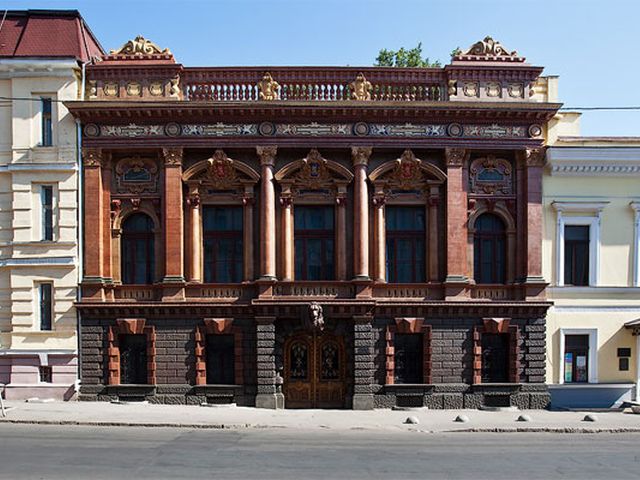
Tolstoy Counts’ Palace
(Scientists’ House)
Address: 4 Mykola Savych Street, Odesa.
History: The first part of the palace was built in the 1830s for Captain Horvat, but the true flourishing of the estate began in 1867, when it was purchased by Count Mikhail Tolstoy, a distant relative of the writer Leo Tolstoy. The Tolstoy family was among the wealthiest in Odesa, owning vast landholdings and engaging in philanthropy. Mikhail Mikhailovich Tolstoy Jr. constructed a separate building nearby for his art gallery, where he assembled masterpieces of Western European painting.
The Tolstoys founded the first ambulance station in the empire in Odesa. After the Bolsheviks came to power in 1920, the Count, fearing for his family’s safety, emigrated to Switzerland, leaving all his property to the state. Remarkably, he handed over the palace keys on the condition that the library and collections be preserved. In 1934, the building became the Scientists’ House. During the Second World War, a German general who resided here was so impressed by the palace’s beauty that he forbade its demolition during the retreat. As a result, the original furniture, silk wallpaper, and the grand piano once played by Franz Liszt have survived.
Architecture: Classicism and Baroque. Architects — F. Boffo, F. Fellner, H. Helmer.
Legends/Facts: Scenes set in the Louvre for the film D’Artagnan and the Three Musketeers were filmed in the White Hall of the palace.
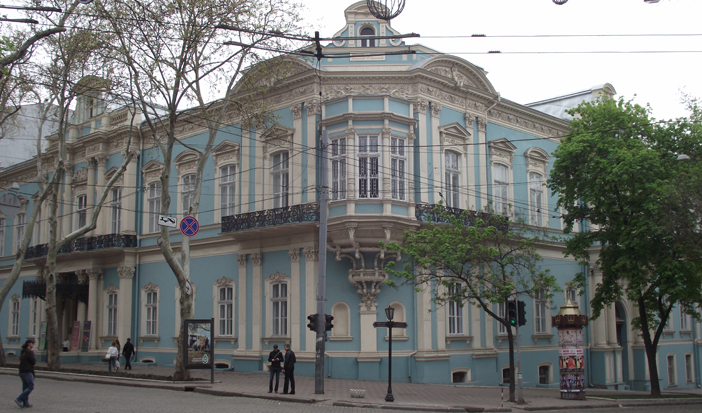
Abaza Palace
(Museum of Western and Eastern Art)
Address: 9 Italian Street, Odesa.
History: Alexander Abaza, a statesman and major landowner, commissioned the construction of this palace in 1856. He sought a residence that would emphasize his status as one of the most influential financiers of his era. The palace became a model of luxury: its ceremonial staircase, carved from a single block of marble without visible supports, was considered an architectural marvel of its time. However, Abaza owned the building for only a short period — due to financial difficulties, he was forced to sell it to the city treasury.
For a time, the palace housed the office of the Governor-General, and later the Odesa Public Library. In 1923, under a decree on the nationalization of private collections, the Museum of Western and Eastern Art was established here. During the Second World War, the building suffered partial damage, but the main exhibition halls survived. In the 2000s, the palace underwent several phases of cosmetic renovation. By 2026, the museum had evolved into not only a repository of artifacts but also a modern media center, where the history of the Abaza family is presented through interactive installations.
Architecture: Neo-Baroque. Architect — Louis Otton.
Legends/Facts: Architect Otton was so proud of the palace staircase that he wagered on its durability — and it has stood firm for more than 160 years.
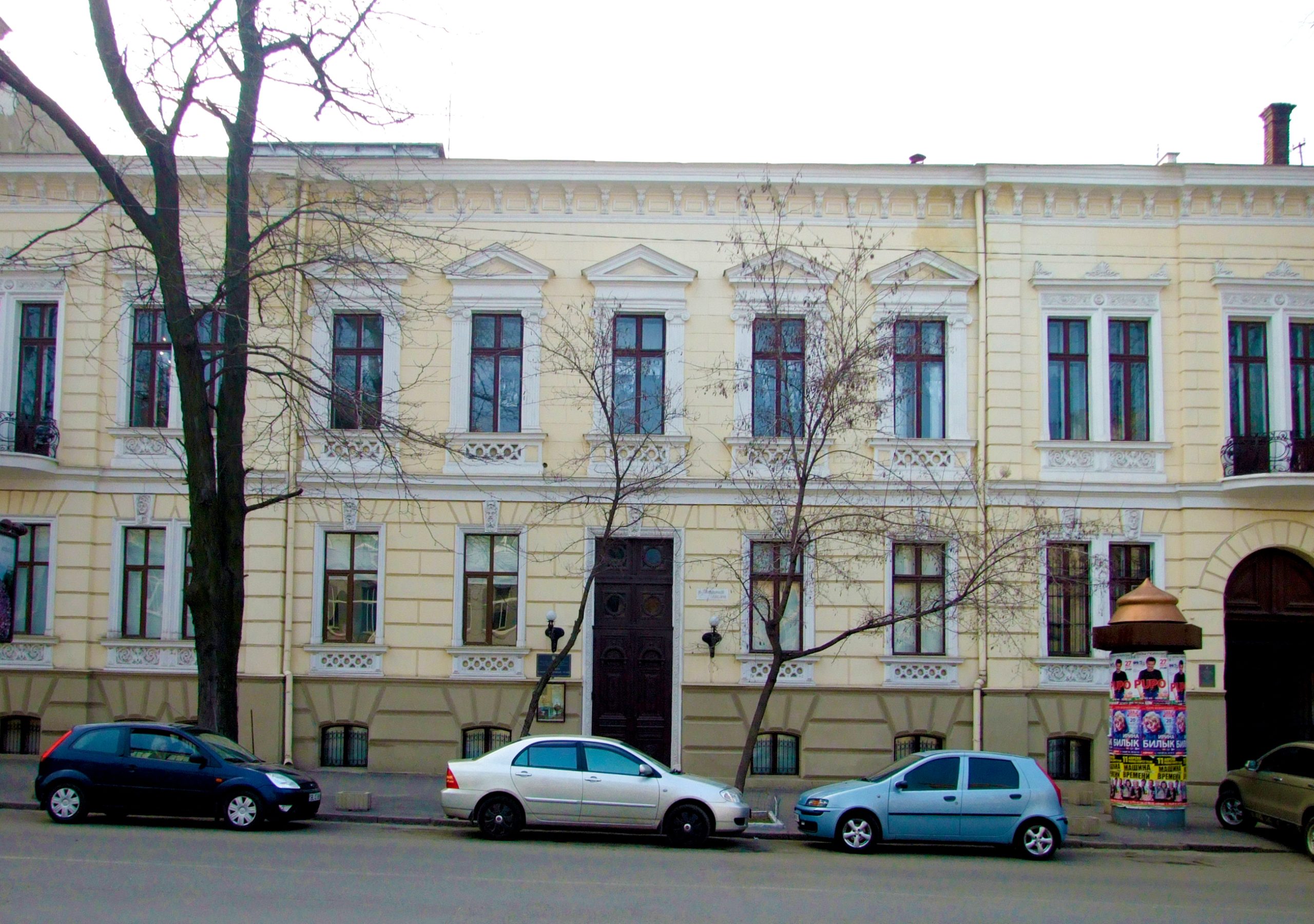
Novikov Mansion
(Local History Museum)
Address: 4 Havanna Street, Odesa.
History: Alexander Novikov represented the second generation of a prominent merchant dynasty. His grandfather, Ilya Novikov, founded the first rope factory in Odesa. In 1876, Alexander Yakovlevich decided to consolidate the family’s success by building a luxurious mansion in the city center. The house was equipped with the latest technology of its time: running water, steam heating, and even mechanical devices for lifting dishes from the kitchen to the dining room.
The Novikovs were famous for their social evenings, attended by Odesa’s “new capital” — industrialists and bankers. After 1917, the mansion was used by various institutions, and in 1948, the Historical and Local Lore Museum was opened here. Today, the museum’s exhibition occupies all the ceremonial halls, presenting the history of the region from antiquity to modern times. The inner courtyard of the mansion has retained its authentic atmosphere and forms part of the museum route.
Architecture: Late Eclecticism. Architect — Felix Gąsiorowski.
Legends/Facts: It is said that Novikov deliberately designed the windows of his study so that he could see the mast of every ship entering the port with his cargo.
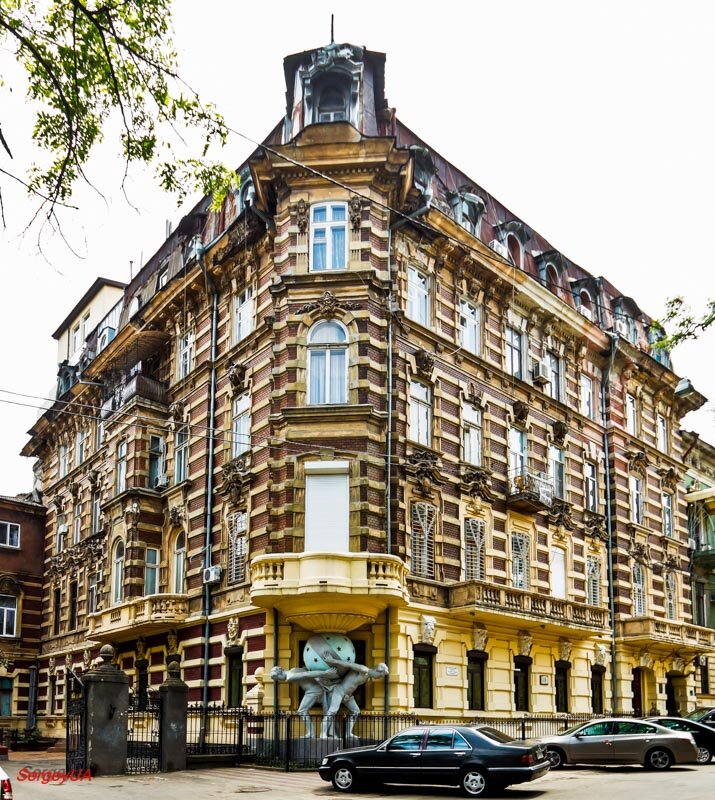
Falz-Fein Mansion
(“The House with Atlantes”)
Address: 5–7 Hohol Street, Odesa.
History: Although this building is often referred to as an income-generating apartment house, it was originally constructed as a family residence for the Falz-Fein family at the end of the 19th century. The Falz-Feins were a remarkable family: Germans by origin, they became the largest sheep breeders in southern Ukraine and founded the Askania-Nova nature reserve. Friedrich Falz-Fein, who frequently visited Odesa, required a residence worthy of his status. The building caused a sensation thanks to its sculptural group of Atlantes.
Not only the owners lived here, but also prominent doctors, lawyers, and university professors. After the establishment of Soviet power, the Falz-Feins were forced to emigrate, and the building was converted into communal apartments, which led to the gradual destruction of the interiors. In the 2020s, a large-scale program was launched to save the Atlantes — the sculptures began to sink under the weight of the balcony. By 2026, a complex engineering operation to reinforce the foundations was completed, and the building once again shines in its original splendor.
Architecture: Art Nouveau. Architect — Lev Vlodek.
Legends/Facts: The models for the Atlantes were real dockworkers from the Odesa port, who had to pose for hours for the sculptor.
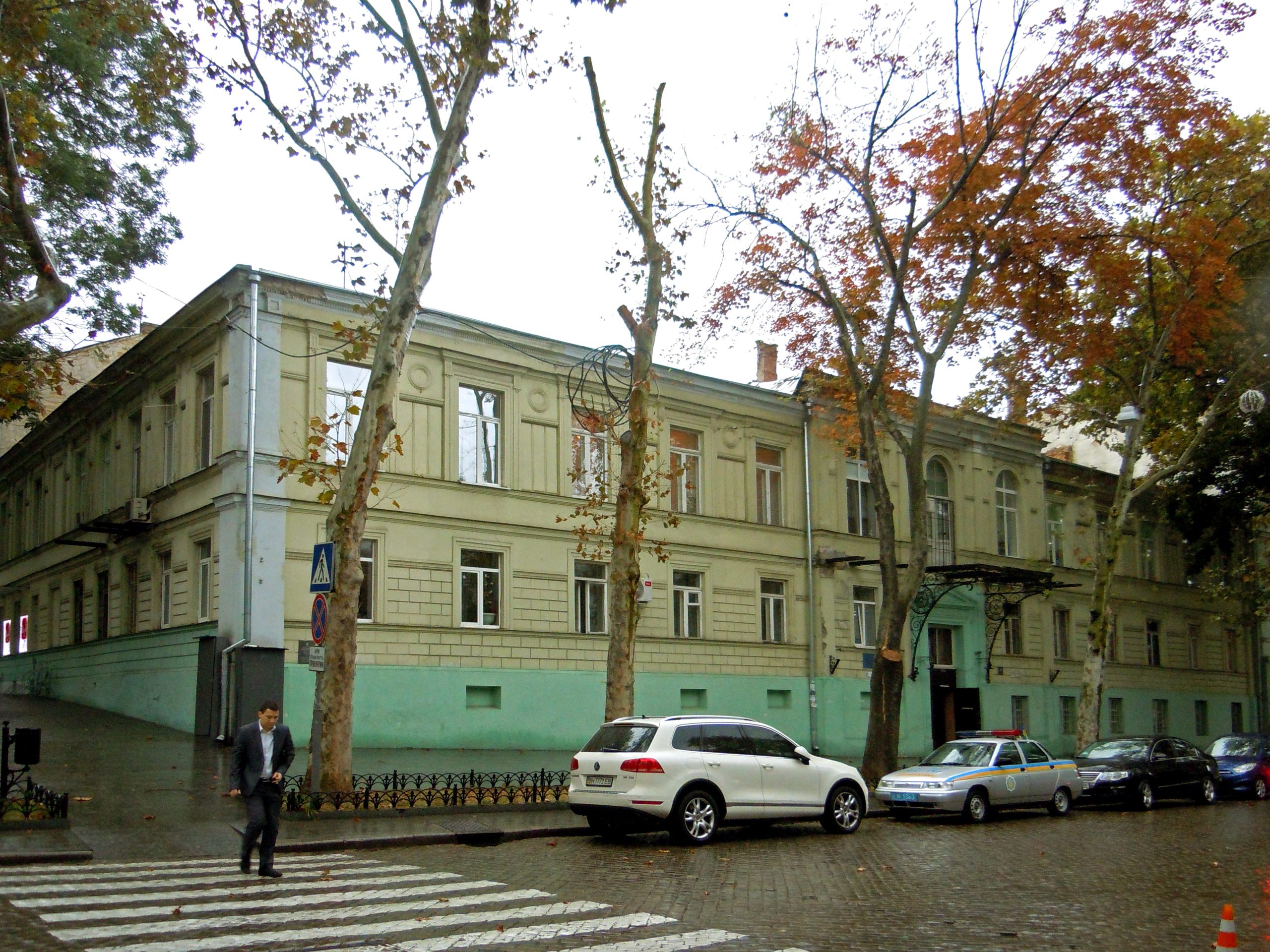
Marazli Mansion
Address: 4 Italian Street, Odesa.
History: Hryhorii Marazli, Greek by origin, served as Mayor of Odesa for 17 years (1878–1895). He purchased this mansion and rebuilt it to his taste. Exceptionally wealthy, Marazli turned his home into a center of refinement, housing one of the finest private libraries in the city and an extensive porcelain collection. Having no direct heirs for a long time, the mansion became his greatest pride.
He hosted crowned heads and diplomats here. After his death in 1907, the mansion passed to his nephews. During the Soviet period, the building was occupied by medical institutions, and for decades its interiors were hidden beneath layers of official paint. As of 2026, the building is partially owned by the city, while some halls are used for ceremonial receptions, striving to recreate the atmosphere of Marazli’s “golden age”.
Architecture: Renaissance-Baroque style. Architect — Ludwig Otton.
Legends/Facts: Marazli was so generous that when he admired the architecture of a building in Europe, he would purchase its blueprints and donate them to Odesa for the construction of public buildings.
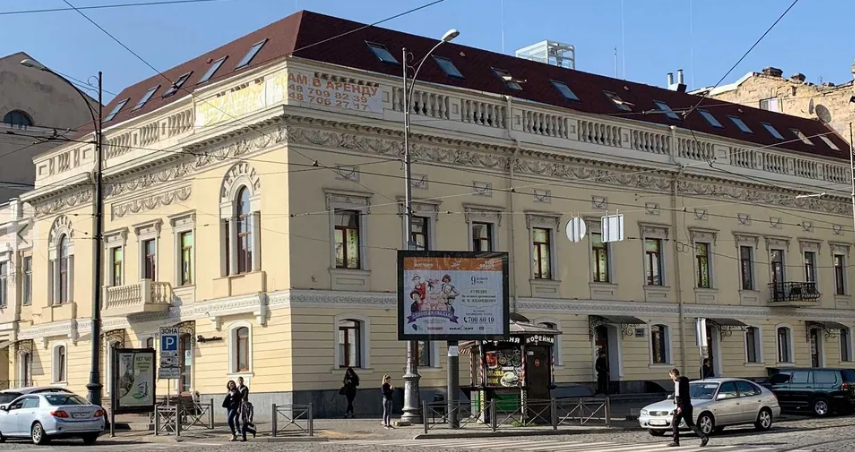
Kamo Palace
Address: 4 Tyraspolska Street, Odesa.
History: Merchant Stepan Kamo commissioned this building in the 1840s. The Kamo family was part of the Armenian diaspora, which played a significant role in the development of trade in Odesa. The palace was designed as a monumental structure intended to visually “anchor” Tyraspol Square. The building changed several owners, including well-known bankers.
Merchant Stepan Kamo commissioned this building in the 1840s. The Kamo family was part of the Armenian diaspora, which played a significant role in the development of trade in Odesa. The palace was designed as a monumental structure intended to visually “anchor” Tyraspol Square. The building changed several owners, including well-known bankers.
Architecture: Neo-Renaissance. Architect — Ivan Kozlov.
Legends/Facts: Local residents call the building “The Guardian of the Square” because of the stern appearance of its caryatids.
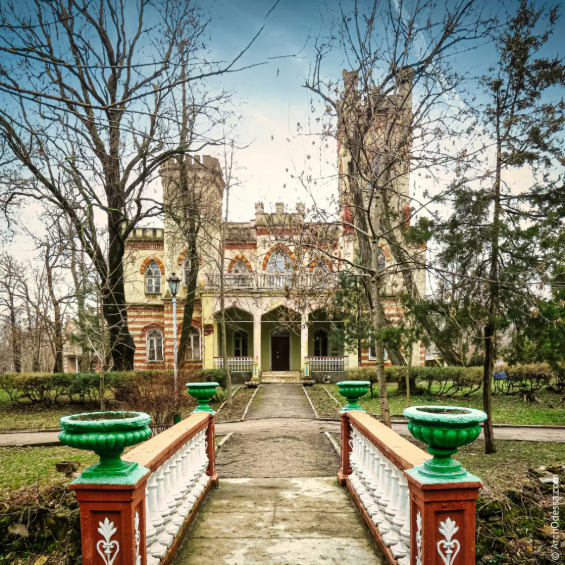
Paraskeva Mansion
Address: 40 French Boulevard, Odesa.
History: This palace belonged to the Paraskeva merchant family in the late 19th and early 20th centuries. The family was engaged in wholesale trade and philanthropy. The mansion was built during a period of intensive development of areas adjacent to Shevchenko Park (then Alexandrovsky Park). The building served not only as a residence but also as a meeting place for the city’s Greek community.
After the revolution, the owners left the city, and the building was nationalized. At various times, it housed military headquarters and sanatorium services. Due to its location slightly away from the main tourist routes, the mansion preserved its authentic façade elements better than many others. Today, it is a residential building with office spaces, attracting attention with its façade plasticity, unusual for Odesa.
Architecture: Eclecticism. Architect — Paul Klein.
Legends/Facts: It is believed that Masonic symbols are encoded in the building’s decorative elements, as the owner was allegedly a member of one of the lodges.
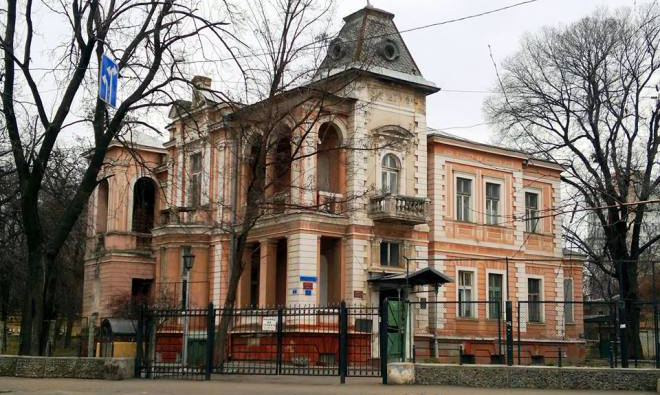
Marazli Dacha
(San Donato Mansion)
Address: 85 French Boulevard, Odesa.
History: This was the summer residence of Hryhorii Marazli. The plot on French Boulevard was vast, stretching all the way to the sea. Marazli purchased it from the Buturlin family. A park with rare plants was laid out here, along with a greenhouse and a grotto. The name “San Donato” appeared later, when the estate was rented or visited by members of the Demidov family, Princes of San Donato.
After the revolution, the dacha became part of a sanatorium complex (now the Chkalov Sanatorium). Most of the small architectural forms of the park were destroyed, but the palace itself and the unique greenhouse survived. By 2026, civic activists succeeded in having the territory included in the list of protected park zones, and a gradual restoration of the famous Marazli grotto began — a symbol of aristocratic leisure in old Odesa.
Architecture: Eclecticism. Architect — Felix Gąsiorowski.
Легенди/Факти: It is said that this was the site of the first “electric ball” in Odesa, where illumination was powered by a private generator.
Recommended reading (click the link):
Theatres. Philharmonic Hall. Circus
Museums. Galleries
Religious Buildings
Odesa Catacombs
*Why Is the Name of the City Spelled “Odesa” with Only One “S”?
We write the name of the city as “Odesa” with only one “s” in order to respect the Ukrainian spelling and the original Ukrainian name. Traditional international spellings with a double “s” may still be encountered, but the correct Ukrainian form is spelled with only one “s”.