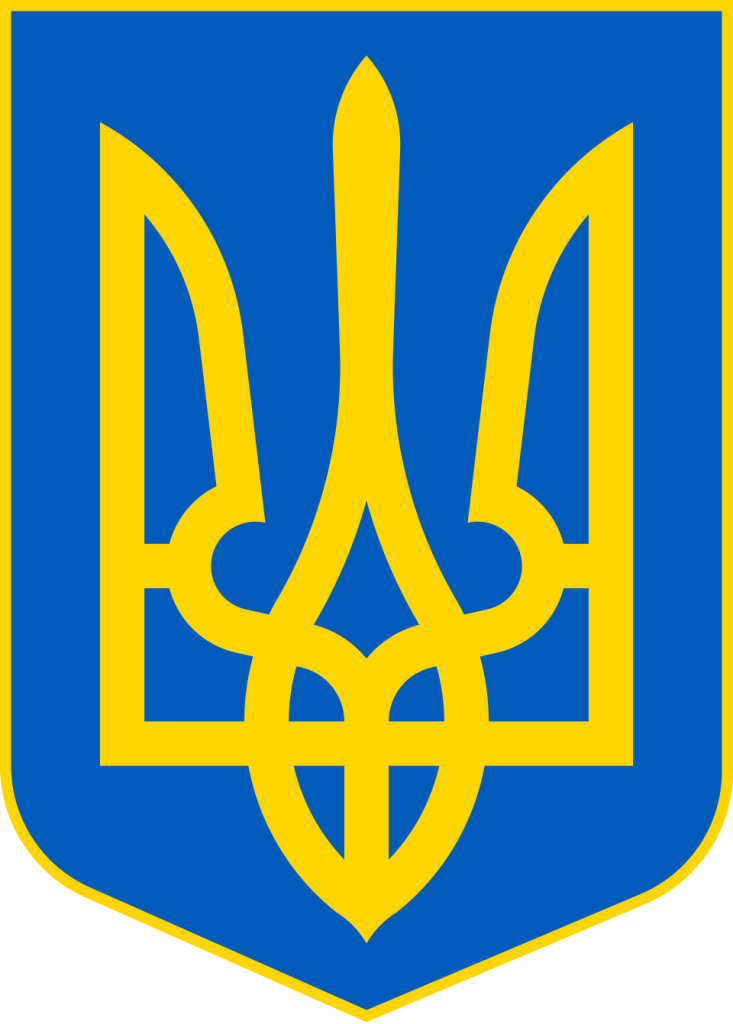
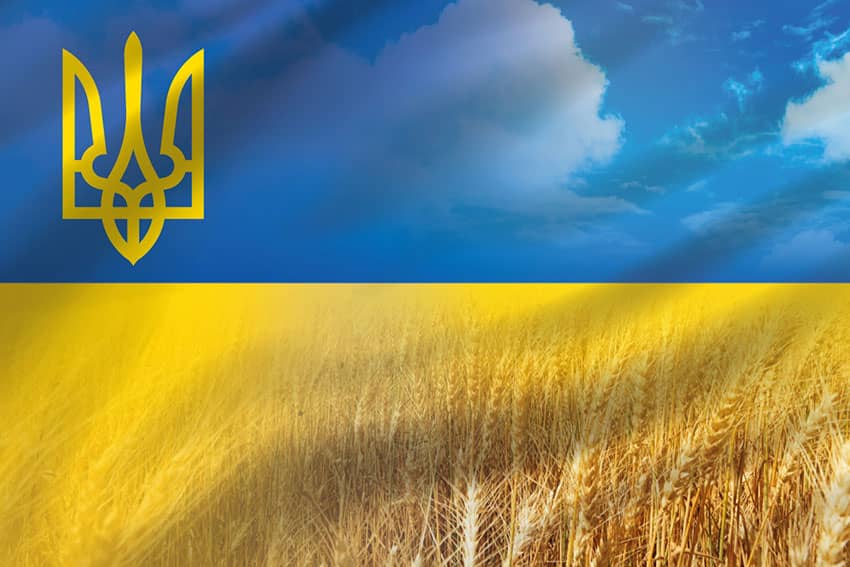
Since ancient times, the trident has been revered as a powerful symbol, a form of protective emblem. Archaeologists have identified this image in numerous cultural artifacts dating back to the first centuries of the Common Era. Known among the peoples of the East and the Mediterranean from the earliest periods, it has been present in the lands of present-day Ukraine since the second century. There are up to thirty theories regarding the origin and meaning of the trident, including interpretations of it as a falcon, an anchor, or a symbol of the tripartite structure of the world.
During the period of Kyivan Rus, the trident served as the dynastic emblem of the Rurik dynasty. Archaeologists have discovered its image on coins, seals, household items, bricks, and wall paintings.
Envoys of Prince Ihor of Kyiv (reigned 912–945), when concluding treaties with the Byzantines, used seals bearing tridents. Prince Volodymyr the Great of Kyiv (reigned 980–1015) minted coins featuring his portrait on one side and the trident on the other. The trident symbolized the division of the Universe into the heavenly, earthly, and otherworldly realms, as well as the unity of the Divine, the Paternal, and the Maternal principles — sacred foundations — and the three natural elements: air, water, and earth.
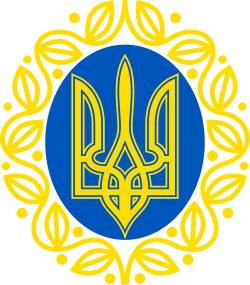
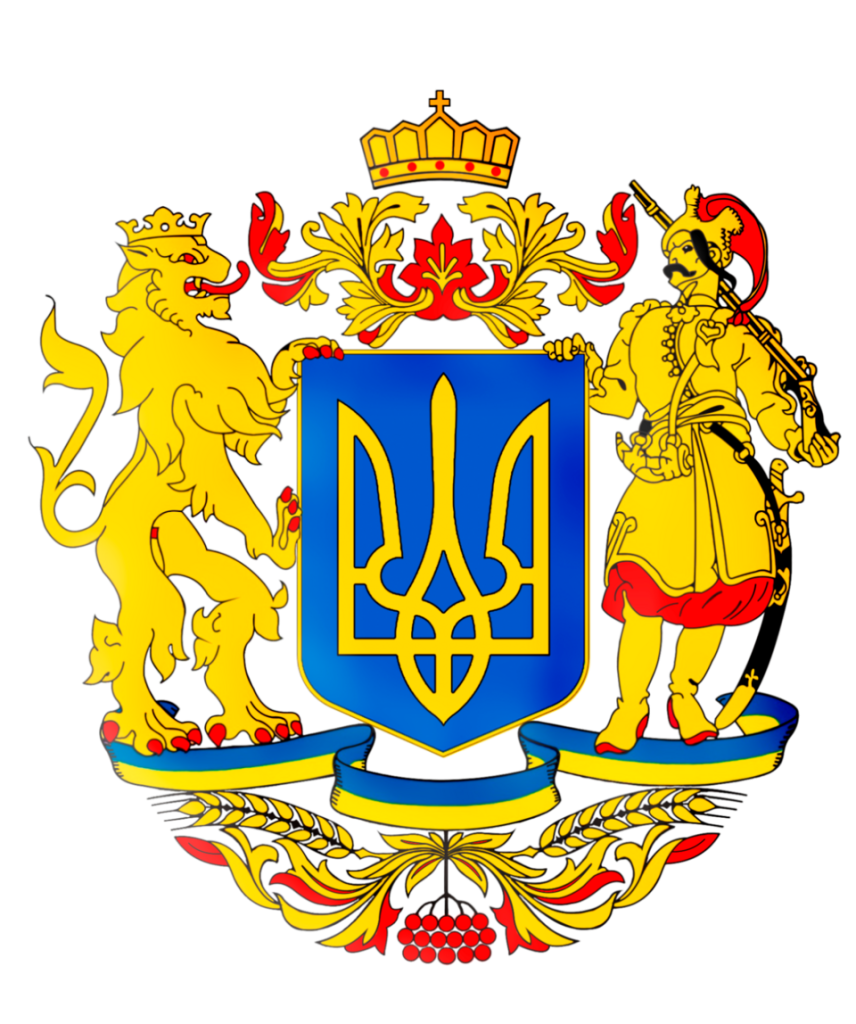
In December 1917, the Ukrainian Central Rada adopted the trident as the coat of arms of the Ukrainian People’s Republic. This decision was effectively approved on 18 January 1918, and on 1 March a law on the coat of arms was proclaimed. In implementation of this law, on 22 March 1918 an official description of the coat of arms was issued, establishing the trident as its central element. The law provided for both a Great and a Small State Coat of Arms, which differed only slightly in composition.
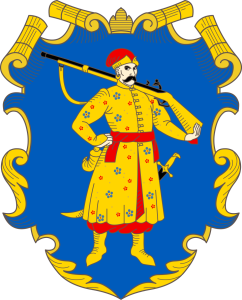
From 22 January 1919, in accordance with the Act of Unification, the trident became part of the regional coat of arms of the Western Region of the Ukrainian People’s Republic. It remained the principal element of the coat of arms of the Hetmanate under Pavlo Skoropadskyi, as well as of the Directorate.
For the first time, the trident was constitutionally formalized as the state coat of arms in May 1920 by the All-Ukrainian National Council. It was reaffirmed on 1 October of the same year by the Government Commission for Drafting the Constitution of the Ukrainian State.
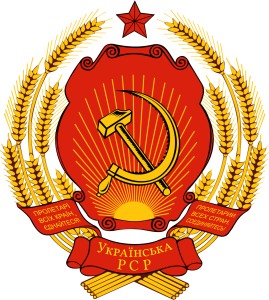
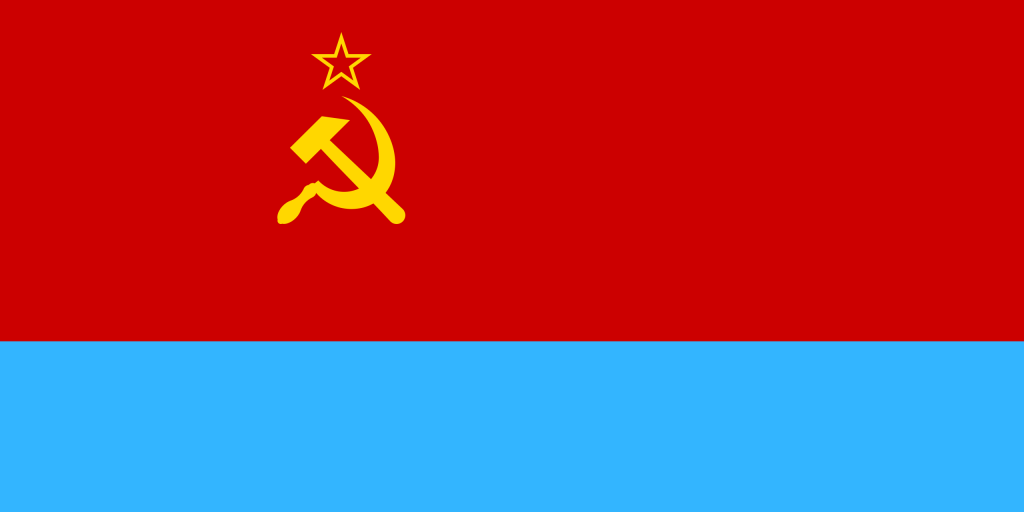
Following the proclamation of independence in 1991 and the factual and legal establishment of Ukrainian statehood, there arose an urgent need for national state attributes and symbols. The continued use of ideologically charged Soviet symbols undermined the authority of the newly independent state. Official events — state visits, diplomatic receptions, and the conclusion of intergovernmental agreements — required the presence of national symbols, including a flag, an anthem, a coat of arms, and an official seal. For a certain period, their absence had to be tolerated. Until the adoption of new state symbols, government bodies, institutions, and organizations continued to use the previous ones.
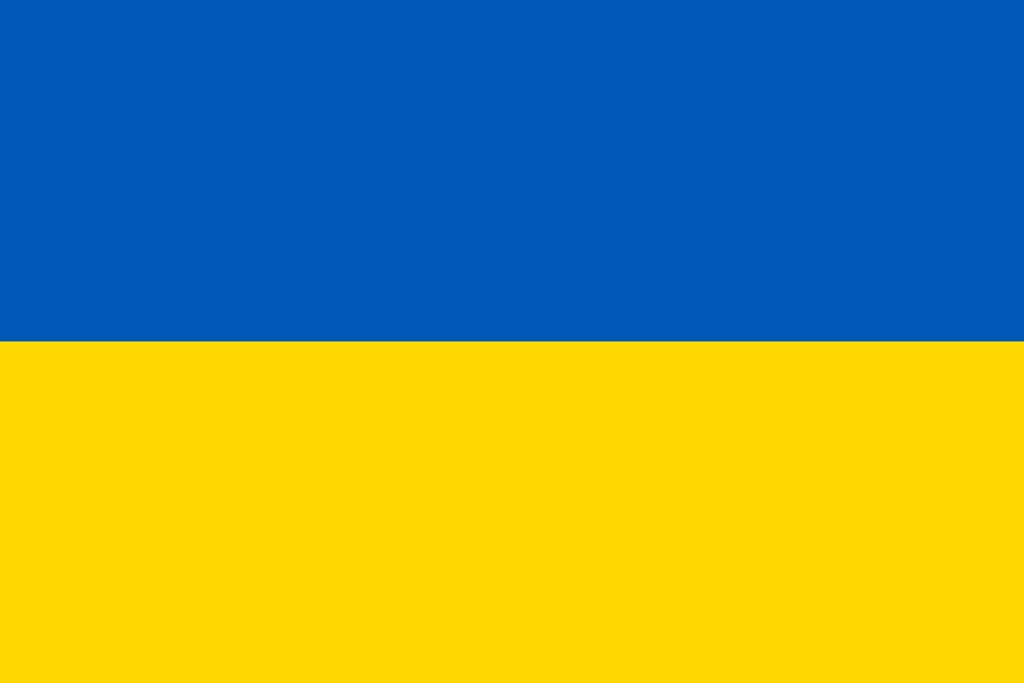
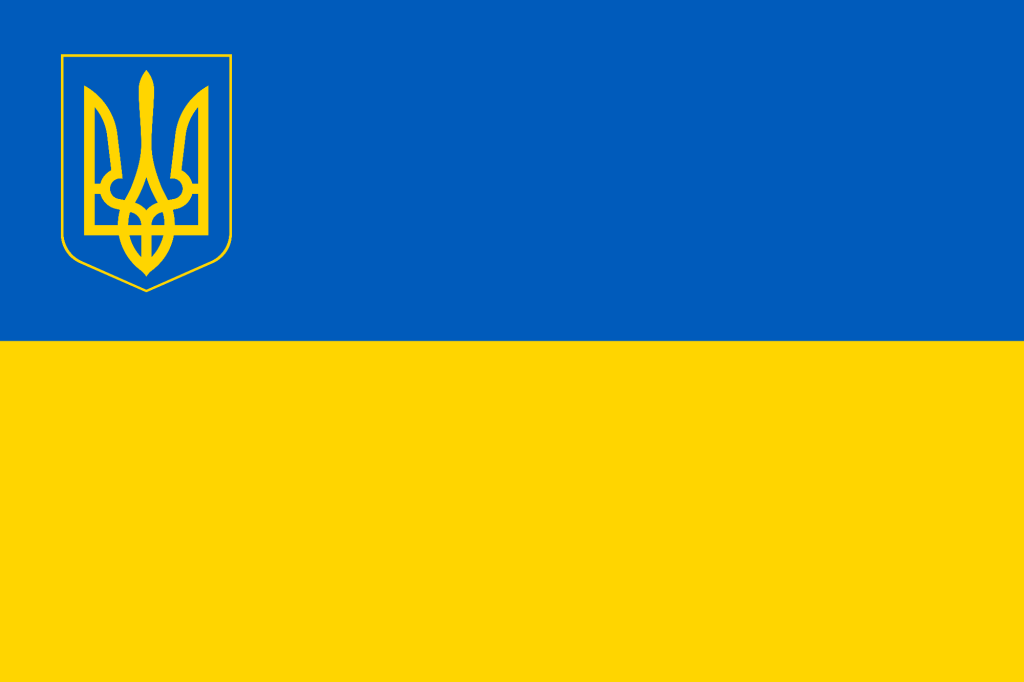
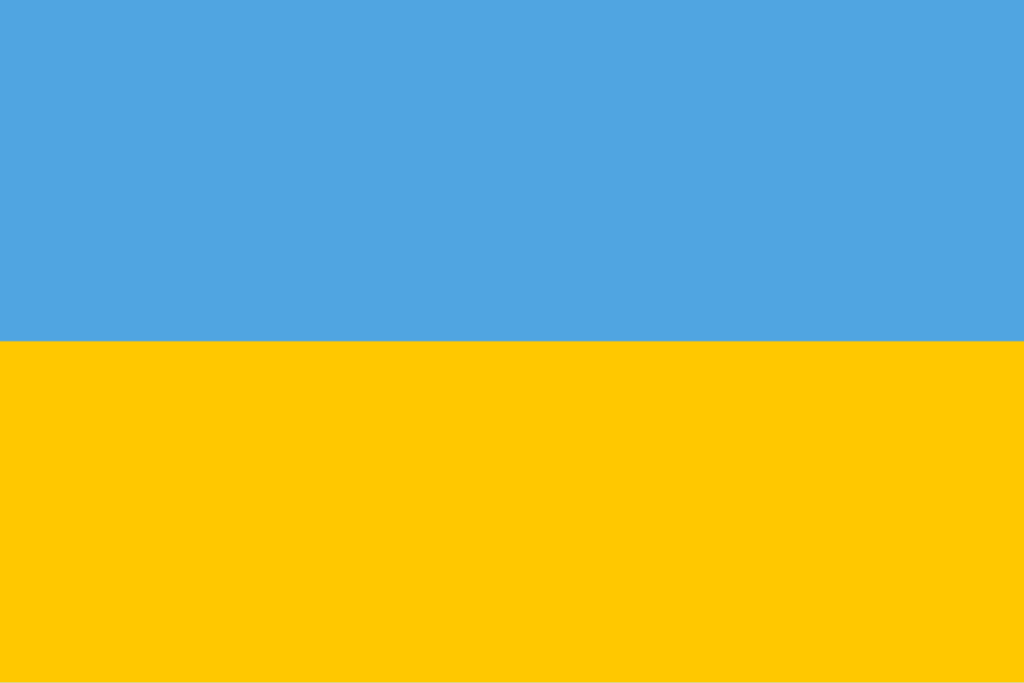
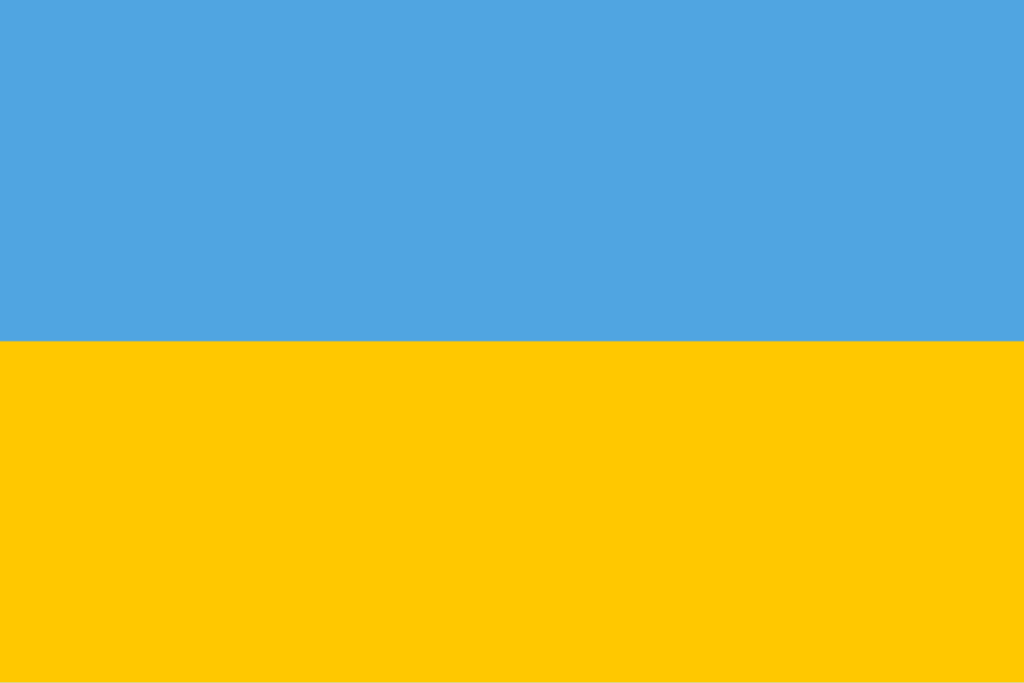
The establishment of new state symbols took place amid intense political debate. Developments within the country and the rapid expansion of its international relations necessitated the introduction of new symbols even before the relevant decisions were formally adopted by the Verkhovna Rada of Ukraine. On 4 September 1991, the national blue-and-yellow flag was raised above the Parliament building. The same flag was flown during the official visit of the Chairman of the Verkhovna Rada of Ukraine, Leonid M. Kravchuk, to the United States of America and Canada in September–October 1991. On 28 January 1992, the Verkhovna Rada of Ukraine officially approved the state symbols of Ukraine.