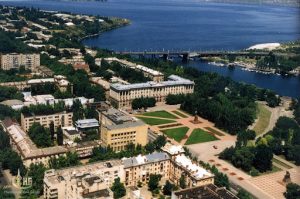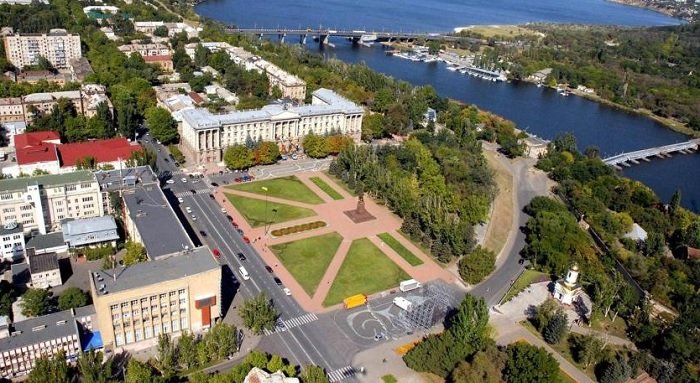
Mykolaiv is known as the city of brides and ships, of dark nights and white acacias. Here, one can begin by strolling among ancient excavations in the city center, then visit the zoological park, and later set out on an excursion to the modern Museum of Shipbuilding and the Fleet.
If you have never been to Mykolaiv, in southern Ukraine, and are unsure whether it is worth visiting, do not hesitate: it is well worth the trip!
1. The Mykolaiv Astronomical Observatory
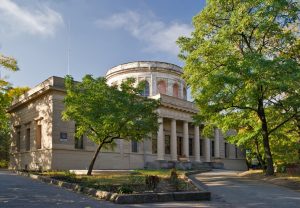
The Mykolaiv Astronomical Observatory is one of the oldest in Eastern Europe. It was founded in 1821 as a naval observatory.
The building is easily recognizable thanks to its tall rotunda with a flat roof, at the center of which there is a circular opening designed for observing stars near the zenith.
Thousands of naval navigators studied here how to determine a ship’s position by observing the night sky.
Today, visitors may tour the observatory during a fascinating daytime excursion or reserve a visit to observe the starry sky at night.
2. The Mykolaiv Zoo
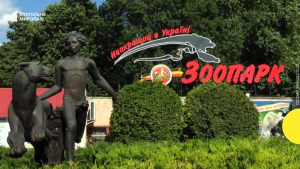
At the entrance to the Mykolaiv Zoo, one can see from afar the ambitious sign reading “The Best Zoo in Ukraine.” Whether this claim is justified can only be determined after a personal visit.
The history of the zoo began with a small private collection of animals assembled in the early twentieth century by the then mayor of the city, Mykola Leontovych.
Today, the zoo is home to more than 5,500 animals representing approximately five hundred different species. It is currently the largest zoological collection in Ukraine.
Here, visitors can observe elephants, tigers, and giraffes at close range, admire a bathing hippopotamus, or watch flamingos balancing gracefully on one leg.
3. The Mykolaiv Yacht Club
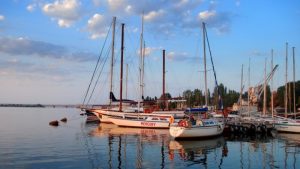
The Mykolaiv Yacht Club has neither changed its function nor its location since its foundation in 1888 and remains the oldest yacht club in Ukraine.
Since the mid-1990s, it has hosted the annual regatta known as the “Kinburn Spit Cup.” Dozens of enthusiasts gather to watch the thrilling sailing competitions.
The yacht club grounds include several cafés, benches, gazebos, and a children’s area, making it a popular recreational destination among local residents. In addition, it offers a magnificent view of the Southern Bug River.
4. The Museum of Shipbuilding and the Fleet
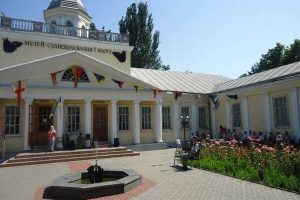
In the past, this building housed the headquarters of the Black Sea Fleet in the city of Mykolaiv. Today, it is home to the Museum of Shipbuilding and the Fleet.
The museum’s exhibition features more than one hundred ship models dating from the eighteenth to the twentieth centuries.
Here, visitors may:
– examine fragments of historic vessels;
– learn how various navigational instruments function;
– attempt to read rare maritime charts and documents.
In front of the museum building, there is an avenue dedicated to distinguished naval commanders.
5. The Drawbridges of Mykolaiv
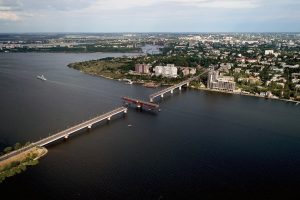
The Inhul Drawbridge connects the city center with the Soliani residential district. It is designed to allow the passage of ships and vessels built or repaired at the Mykolaiv Shipbuilding Plant, which explains why it is raised relatively infrequently.
The movable span of the Inhul Bridge is the second largest in Europe at 55 meters, surpassed only by the bridge in Rotterdam, whose lifting section is six meters longer.
The Varvarivskyi Bridge (over the Southern Bug River) spans the Southern Bug River and links the Varvarivka district on the right bank with the rest of the city on the left bank.
What makes this drawbridge unique is that it is the only bridge in Ukraine that opens horizontally, rotating ninety degrees. The operation is an impressive large-scale spectacle.
6. The Wild Garden of Homer’s “Odyssey”
This historic site is located in the Central district of the city, between present-day Admiralska, Naberezhna, Pushkinska, and Artilleriiska streets.
Despite its name, the site is not known for its trees.
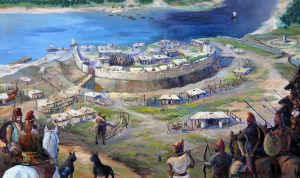
At the beginning of the twentieth century, archaeologists discovered here an ancient fortified settlement that existed between 1300 and 900 Before the Common Era.
The site preserves the remains of a port city dating to the period of the Trojan War (thirteenth to twelfth centuries Before the Common Era). According to historians, it was this very settlement that the ancient Greek poet Homer referred to in his epic poem The Odyssey as the “land and city of the Cimmerian people.”
Why this place is special:
“The City of the Cimmerians.” Scholars consider it a proto-city or a Cimmerian trading port. It existed at the same time as the legendary city of Troy and was founded one thousand years before the construction of the first Egyptian pyramids.
Archaeological discoveries. Excavations uncovered the remains of dwellings, household pits, ritual structures, and defensive ditches. Valuable artifacts include bronze axes, pottery, and bone objects.
Open-air museum. Today, the settlement is an open site where visitors can see the excavated foundations of ancient buildings. It has official status as a cultural heritage monument of national significance.
Origin of the name:
The name “Wild Garden” is not directly related to archaeology. In the nineteenth century, by order of Admiral Greig, a fruit orchard was planted here and officially named the Admiralty Garden. Because “wild” trees that did not bear fruit also grew there, the popular name “Wild” eventually took hold. After the Second World War, the garden was cut down for firewood, leaving vacant land under which the fortified settlement was later discovered.
7. Fleet Boulevard and the Embankment
Fleet Boulevard, which residents of Mykolaiv often call the “Upper Embankment,” is one of the oldest and most picturesque parts of the city. Founded in the nineteenth century as a leisure area for naval officers, it now combines historic grandeur with a welcoming atmosphere.
The boulevard is situated on the high bank of the Inhul River, offering panoramic views of the Inhul Bridge, the shipyards, and the area where the river flows into the Southern Bug River. On the boulevard stand monuments to the founder of the city, Mykhailo Faliiev, and to Admiral Makarov. Century-old plane trees line the avenues.
Descending the wide staircases to the “Lower Embankment,” visitors enter a more dynamic area. It is a popular location for morning jogging, roller skating, and cycling. Here you will find summer café terraces, piers for sightseeing boats during the navigation season, and the well-known art installation “I Love Mykolaiv.” Proximity to the water creates a distinctive atmosphere: visitors can watch yachts and sailing boats or simply feed the seagulls while enjoying the river breeze.
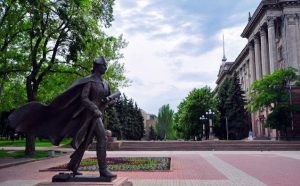
8. Soborna Street
Soborna Street is the city’s main thoroughfare and one of the longest pedestrian streets in Ukraine, with approximately one kilometer designated as a pedestrian zone. A walk along Soborna is an essential ritual for every visitor.
The street begins at Fleet Boulevard, passes through the central Soborna Square, and stretches to Chestnut Park. Its architecture reflects a blend of styles, ranging from historic two-story buildings with wrought-iron balconies to contemporary shopping centers.
In Chestnut Park, which forms the heart of the street, stands the monument to Saint Nicholas, the patron saint of the city. Near the park entrance, the famous bronze lions “stand guard,” traditionally serving as a meeting point.
Soborna is the center of social life. Numerous cafés, bakeries, and restaurants cater to every taste. In summer, the street transforms into a blooming oasis filled with street musicians and open terraces; in winter, it becomes the epicenter of festive illuminations. Free from automobile traffic, Soborna remains the ideal setting for an unhurried stroll, where one can experience the authentic rhythm of Mykolaiv while observing daily life with a cup of coffee in hand.
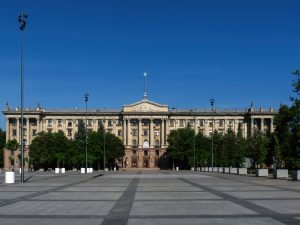
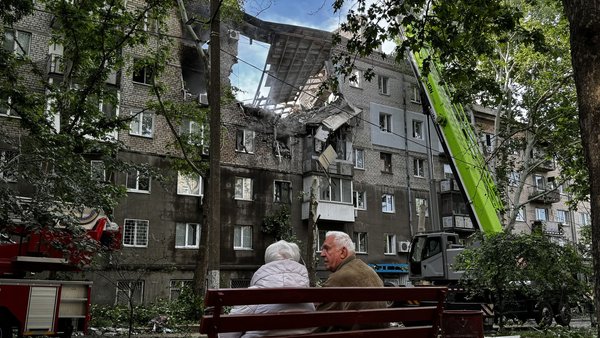

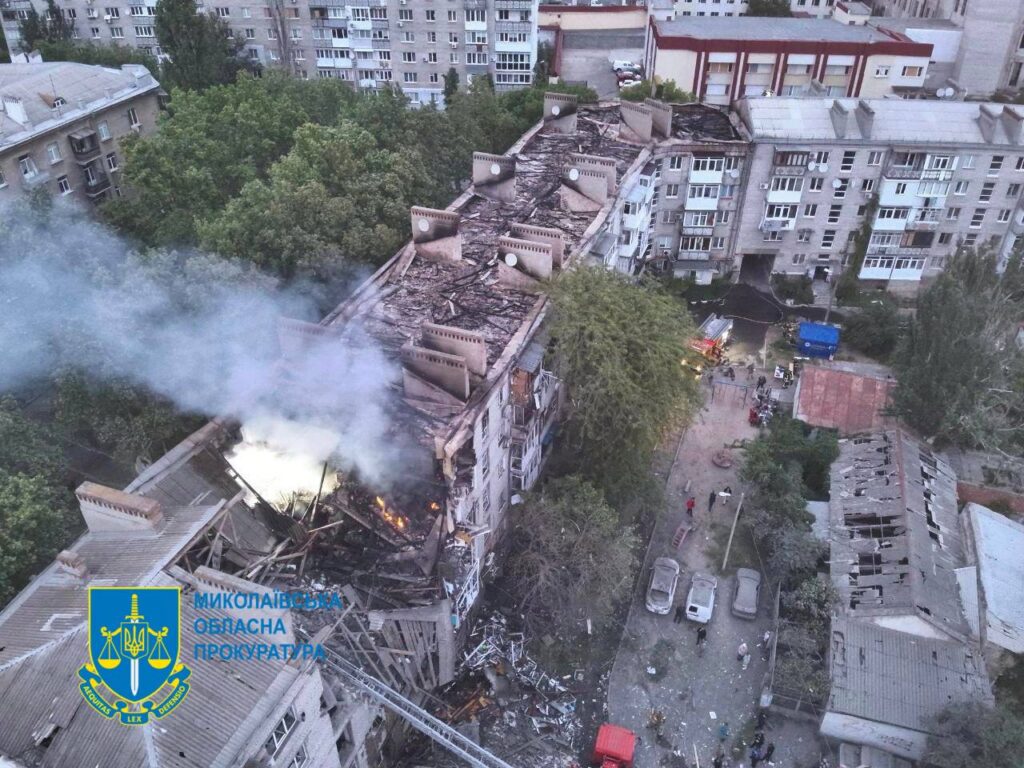
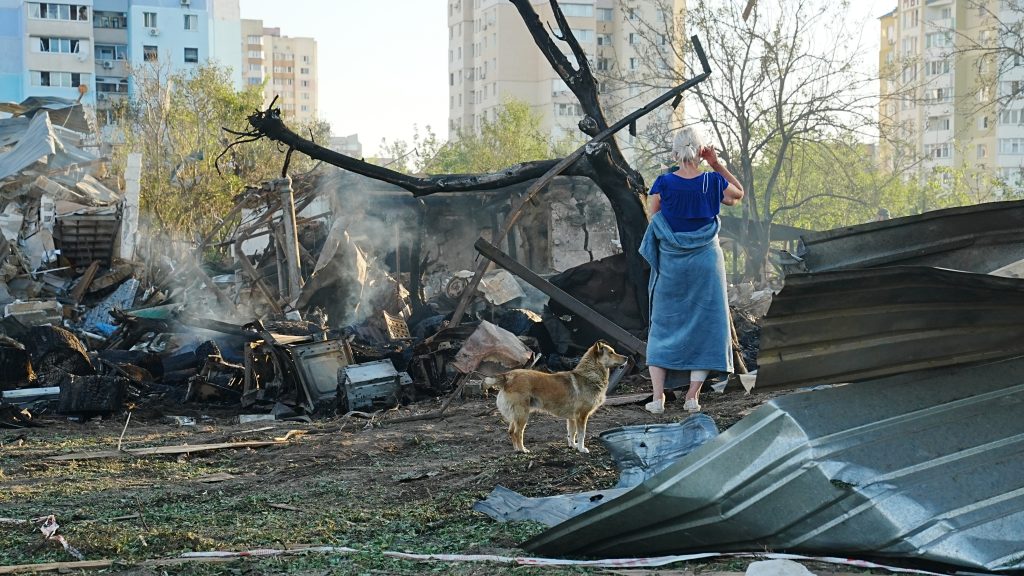
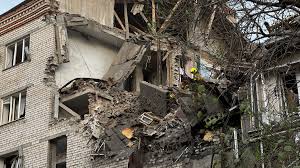
Since 2022, Mykolaiv has been subjected to intense shelling by the Russian aggressor. Russian terrorist forces destroy civilian facilities, historical monuments, hospitals, schools, and kindergartens. But the city lives on…
The official website of Mykolaiv: