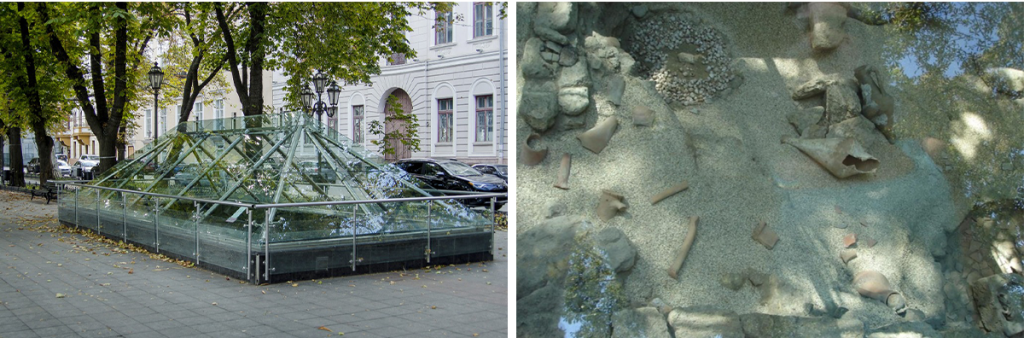
The territory of the Northern Black Sea coast has been inhabited since ancient times, beginning with the Paleolithic era. The city’s millennia-old historical legacy was shaped by the cultures of the Eneolithic and Bronze Ages (notably the Usatove, Yamnaya, Sabatinivka, and Bilozerska cultures), nomadic Cimmerians (1st millennium BCE), Scythians (6th to 4th centuries BCE), and Sarmatians (from the 3rd century CE), as well as by Greek colonization (from the 6th century BCE), Romans (1st–3rd centuries), Goths (3rd century), and Huns (late 4th century). Later came the conquest and colonization by Slavic tribes, Pechenegs, Cumans, and Tatars (mid-13th century), Genoese colonization (13th century), the period of the Kingdom of Galicia–Volhynia (13th–14th centuries), the presence of the Grand Duchy of Lithuania (14th–15th centuries), the Crimean Khanate and the Ottoman Empire (15th–18th centuries), and the active settlement of the Northern Black Sea coast by Ukrainians, Russians, and Moldavians.
Due to the diversity of cultural, political, and ethnic influences—resulting from frequent conquests, population shifts along the coastline, and waves of colonization—many settlements and cities emerged and later declined before the founding of Odesa. These included the trading post of Ginestra, Isakiv, Kachybei (Kochybei), and Khadzhibey (Hоdjаbey).
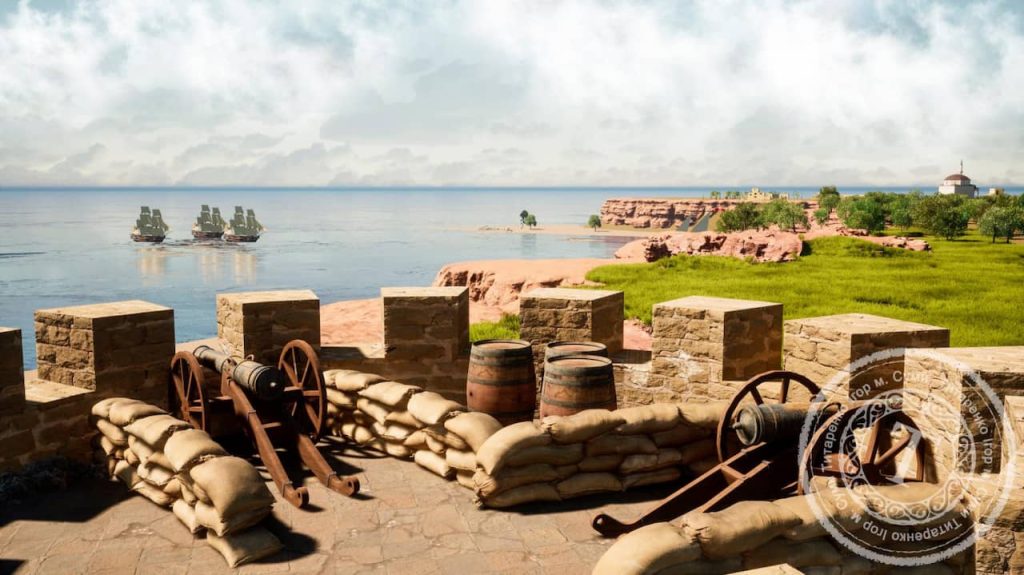
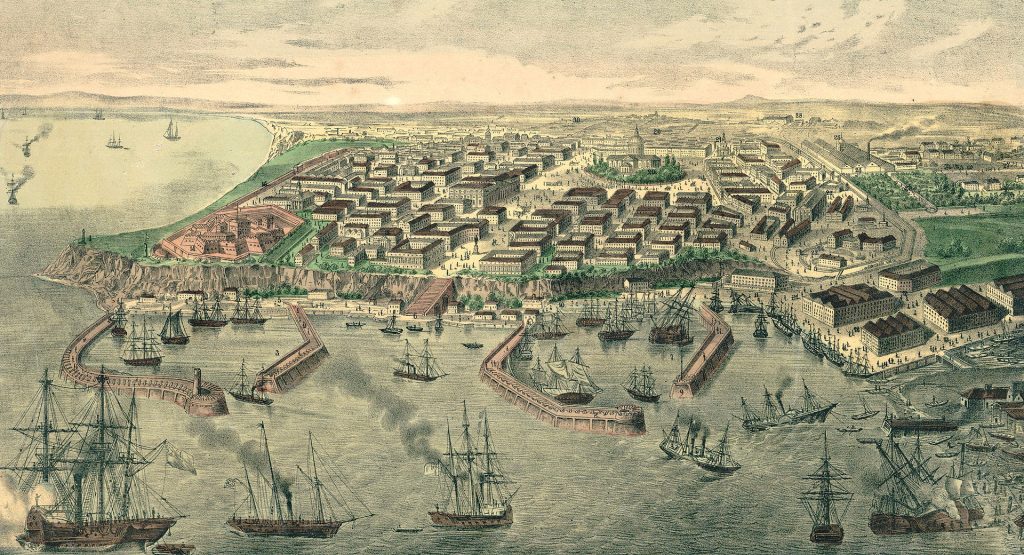
The first written mention of the port of Kochibey dates back to 1415. The Yenidunya fortress in Khadzhibey was built in 1766. Cossack campaigns, the Russo-Turkish wars of the 18th century, and the annexation of Khadzhibey to the Russian Empire in 1791 marked a new chapter in the history of the coastline. In 1794, Russian Empress Catherine II issued a rescript for the reconstruction of Khadzhibey as a new port. On September 2 (August 22 according to the old style), 1794, the port structures were laid. Since 1849, this date has been considered the founding day of the new city, which was named Odesa in 1795.
By the end of the 17th century and rapidly developing in the 19th century, Odesa became one of the wealthiest and most orderly cities of the Russian Empire. A significant role in the city’s development was played by the energetic and talented leaders at its helm (de Ribas, Richelieu, Vorontsov, Levashov, Novoselsky, Kotzebue, Marazli).
The local merchant class donated substantial sums for the development of the city. A network of secondary schools, a university, music and art schools prepared a new intellectual class; the multinational composition of the population contributed to the mutual enrichment of different cultures and formed a unique cultural identity.
By the 19th century, the natural cosmopolitanism of its residents left a lasting impression on visitors. In schools, children of Greek, Jewish, Armenian, Russian, Slavic, Moldovan, German, French, and Italian descent peacefully studied together. Odesa was home to churches of various denominations, and theaters staged performances in Russian, Polish, Italian, and German.
This is what Odesa was like just a few decades after its rebranding: a lively and cheerful city with an ethnically diverse, energetic, and freedom-loving population. The resilience, innate optimism, and refined humor of the Odesites — this is the soul of this amazing city.
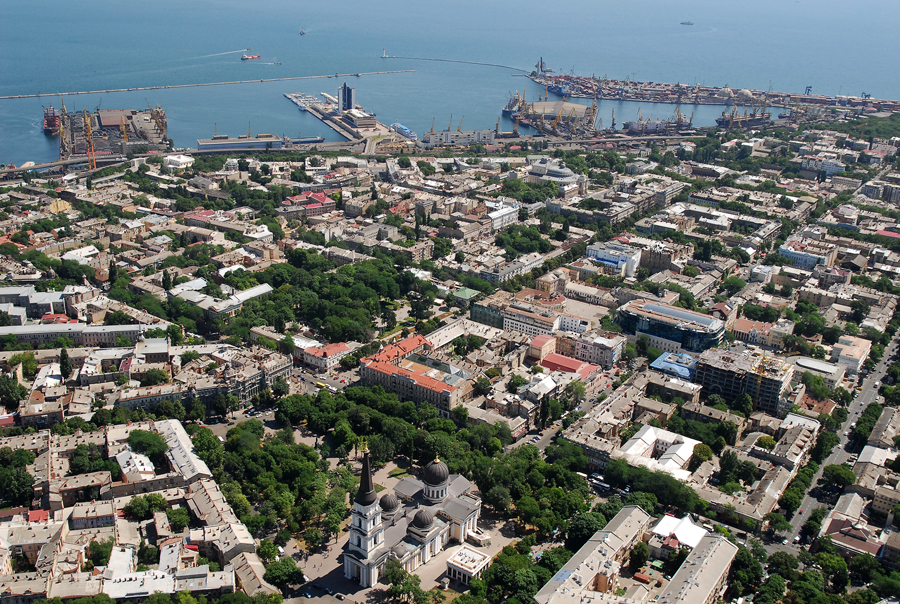
The very name of Odesa contributes to the special atmosphere of the city, created by its spatial planning and unique understanding between its residents. Sooner or later, everyone feels at home here. Today, Odesa is home to representatives of over 130 nationalities. Throughout Odesa’s history, numerous adventurers — from artists to craftsmen, merchants, and sailors — from Italy, France, Poland, and other European countries have made their mark. Each family, each courtyard, and every street has its own secret story to tell — whether sad or happy, long or short, but always captivating. Your impressions will exceed any cultural expectations!
Recommended reading (click the link):
ODESA: A LITTLE (NOT JUST) HISTORY in the Context of Developments in the Northern Black Sea Region, Ukraine and Europe