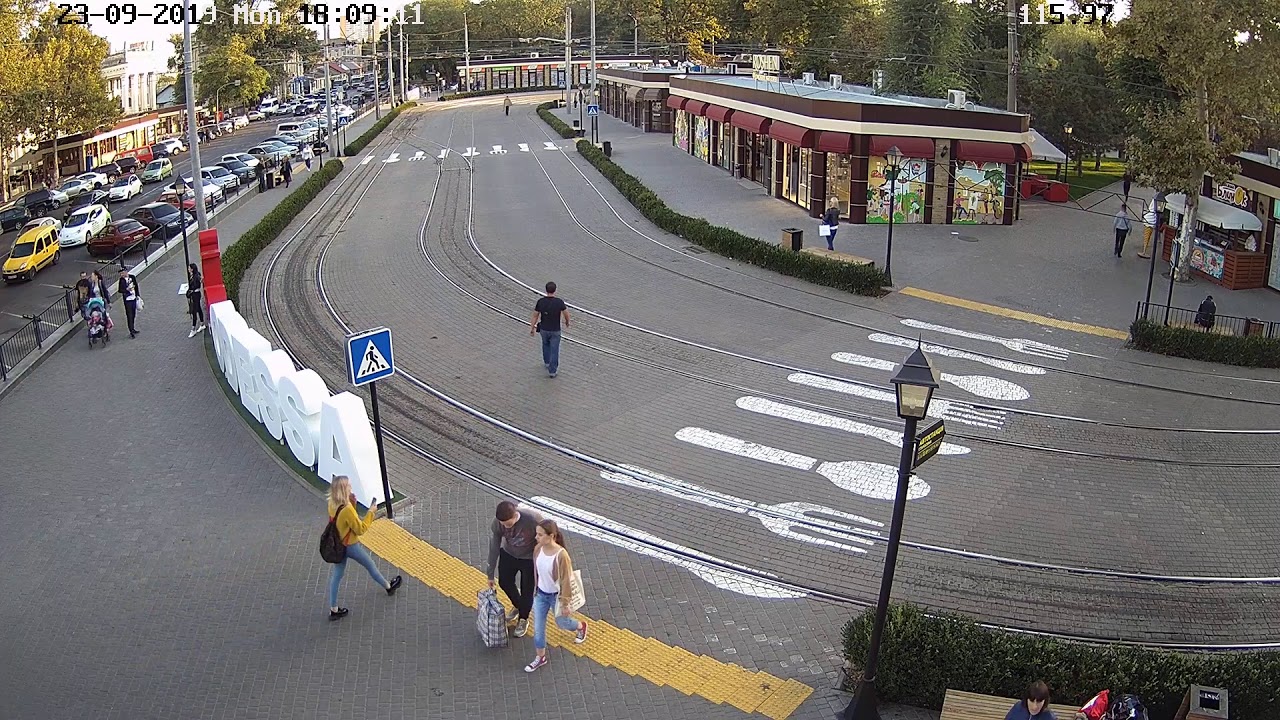
Birzhova Square (until 2024 – Dumska Square)
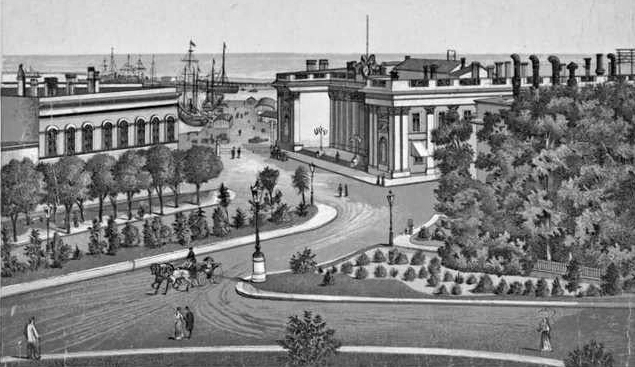
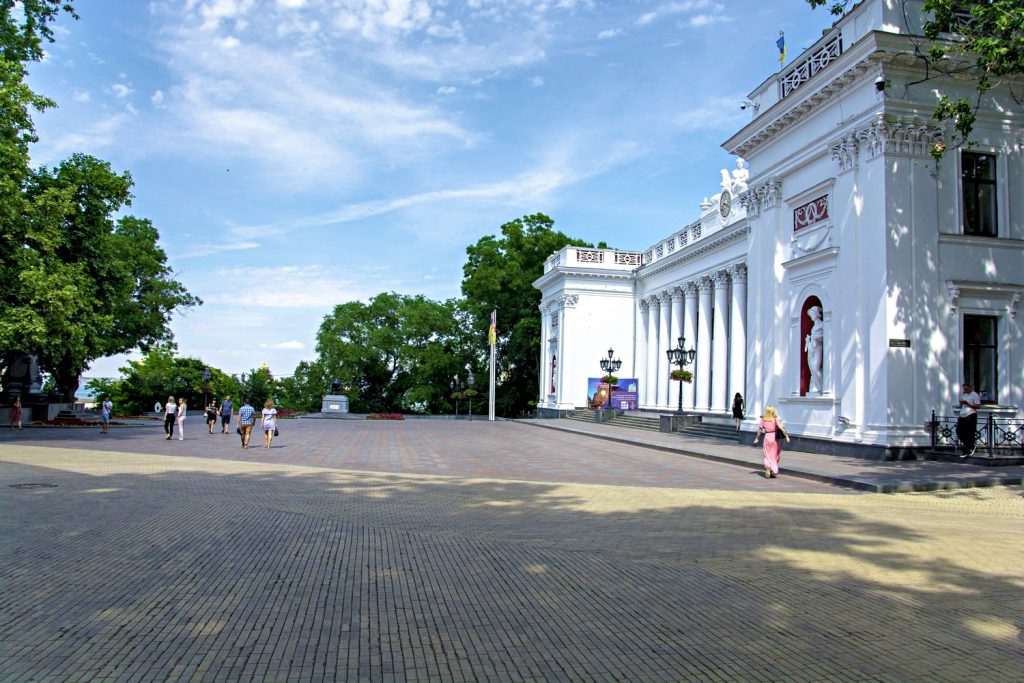
The smallest and most beautiful square in Odesa, where many interesting events always take place. People gather here to celebrate New Year together, to solemnly open Humorina, or to hold another rally just as united—since the deputies of the city council meet here and the city hall is located on the square.
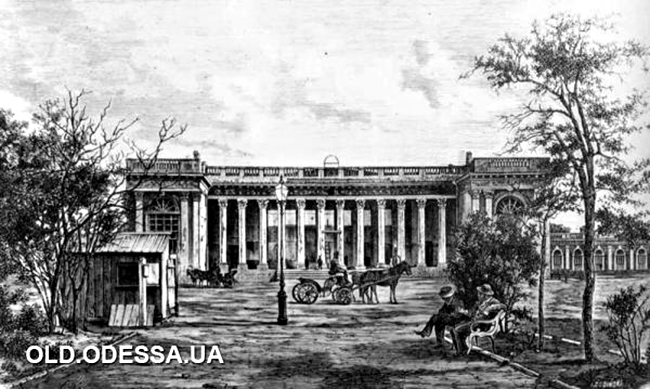
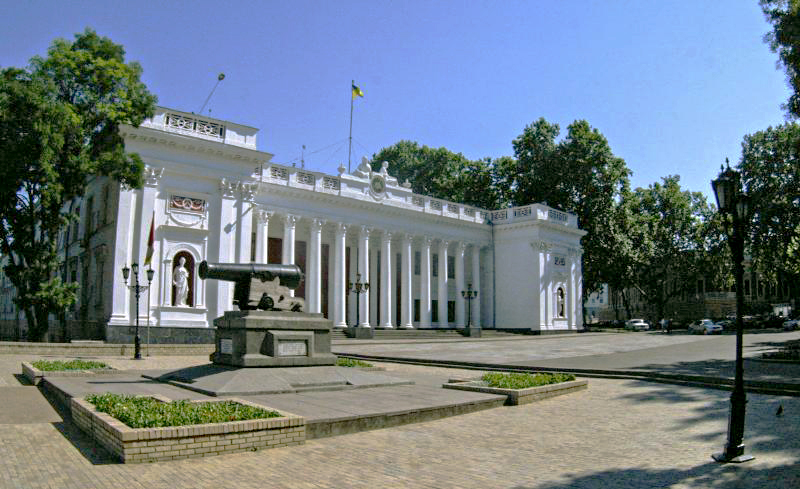
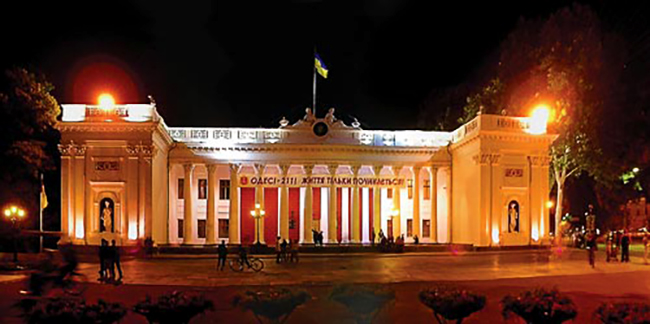
Throughout its history, the square has been called Exchange Square, Dumska Square, Commune Square, then again Dumska Square, and since 2024 it has returned to its first historical name—Exchange Square—because the current building of the Odesa City Council was built in 1834 for the Merchant Exchange. Architect Francesco Boffo designed it in the classical style in the shape of an elongated “П”; two wings of the building were connected by a double colonnade, and behind it there was an inner courtyard. In the course of later renovations, the courtyard became the vestibule, and only the outer row of columns remained.
Above the columns are a clock and a sculptural group Day and Night. Two female figures symbolize the relentless passage of time. The clock plays the melody of the city’s official anthem, Song of Odesa from Dunaievsky’s operetta White Acacia. A short fragment can be heard every half hour, and every hour—a full verse: “And in my heart, you are always with me, Odesa—my native city!”.
In the niches to the right and left of the entrance are sculptures of Ceres (goddess of fertility) and Mercury (patron of trade), created by sculptor Luigi Iorini. It is often noted with irony that the patron of trade stands on the building where the authorities gather. The City Council moved into the building at the end of the 19th century, when the New Exchange was built for merchants at the corner of Nina Strokata Street (until 2024 Bunin Street) and Italian Street (until 2024 Pushkinska Street). However, there is no exchange there now either, but the Philharmonic.
Next to Exchange Square begins Italian Street (until 2024 Pushkinska Street), and opposite the City Hall stands a bust of Pushkin. The monument was solemnly unveiled in 1889. The poet lived in Odesa for 13 months. Today, the community is debating the possible relocation of this monument as a symbol of the imperial past and of Russia, the aggressor state.
Another notable landmark of the square is a cannon facing the sea. Interestingly, it once fired on the city itself. In 1854, during the Crimean War, Odesa was bombarded by the Anglo-French squadron. Cannonballs whistled across the city center, struck Vorontsov Palace, and one even hit the monument to the Duke (himself, incidentally, a Frenchman). The cannonball can still be seen in the pedestal of the monument, left there as a reminder. The citizens managed to repel the attack. One of the British frigates, Tiger, ran aground near Arcadia and was sunk. A trophy cannon from the Tiger appeared on Exchange Square only 50 years after those events. Recently, after restoration, the cannon fired again—not with a cannonball, but with pyrotechnics. Incidentally, Odesa once had another trophy cannon that fired to mark noon; however, that one was Turkish, not English, and stood by the Duke’s monument.
During Soviet rule, starting in 1920, Exchange Square became Commune Square, and the building housed the Council of Workers’ Deputies. In recent years, Exchange Square has hosted an open-air dance school for everyone, film screenings as part of international festivals, and rallies on urgent issues for Odesa. The square continues to play an important public role, but when standing here, its aesthetic significance comes to mind first.
The ensemble of the square and the boulevard buildings is one of the main beauties of Odesa. The impression is especially powerful when the melody is heard again: “Odesa—my native city…”.
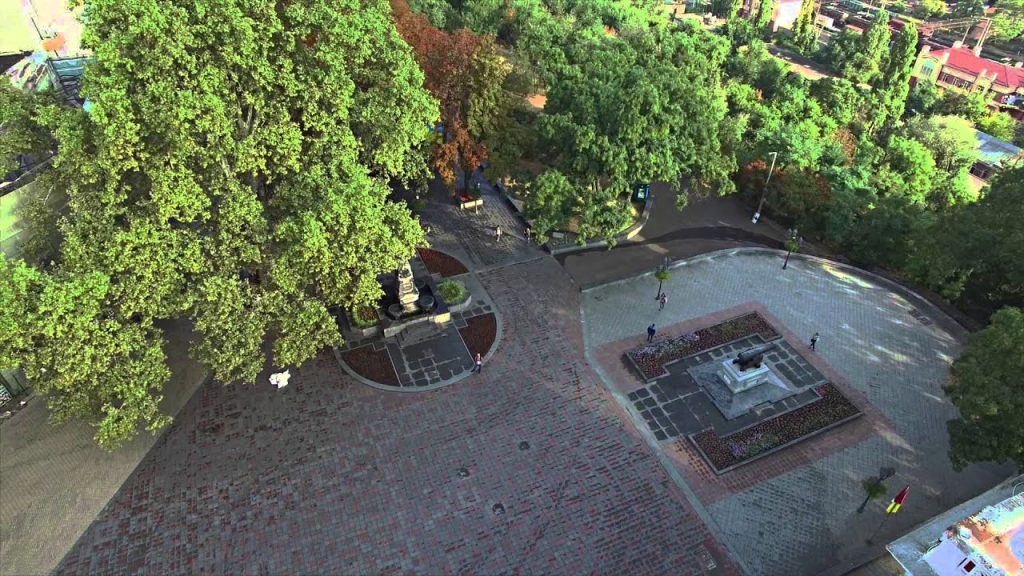
European Square (until 2024 – Katerynynska Square)
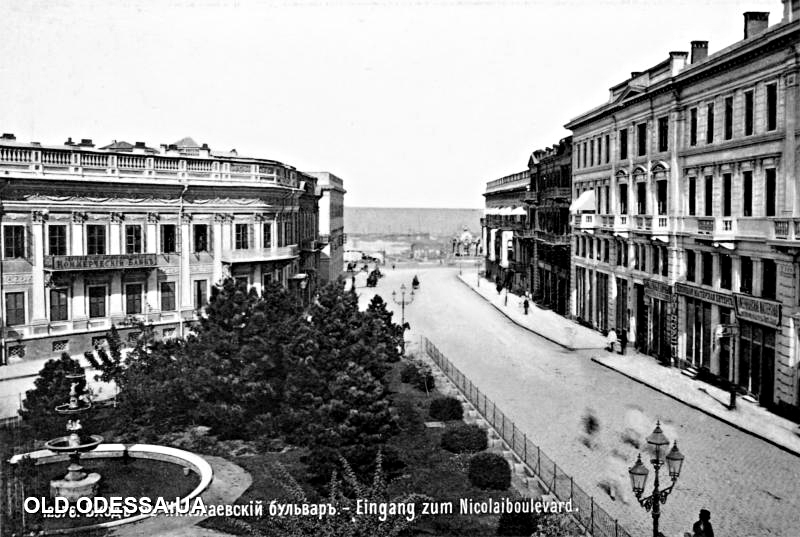
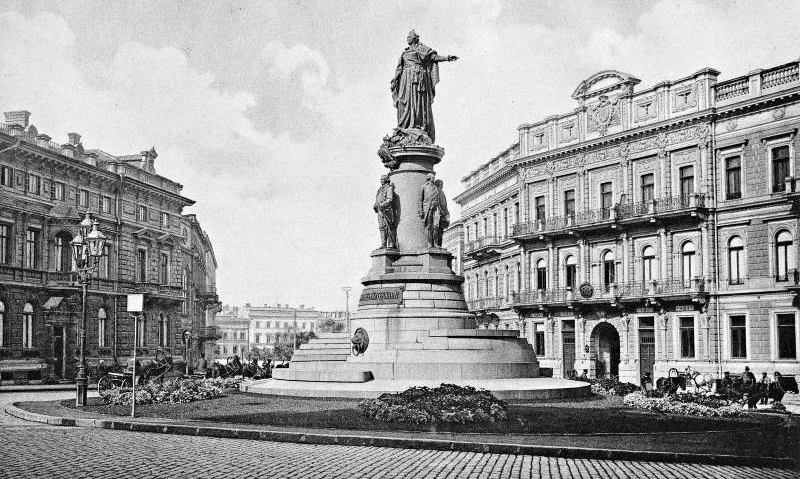
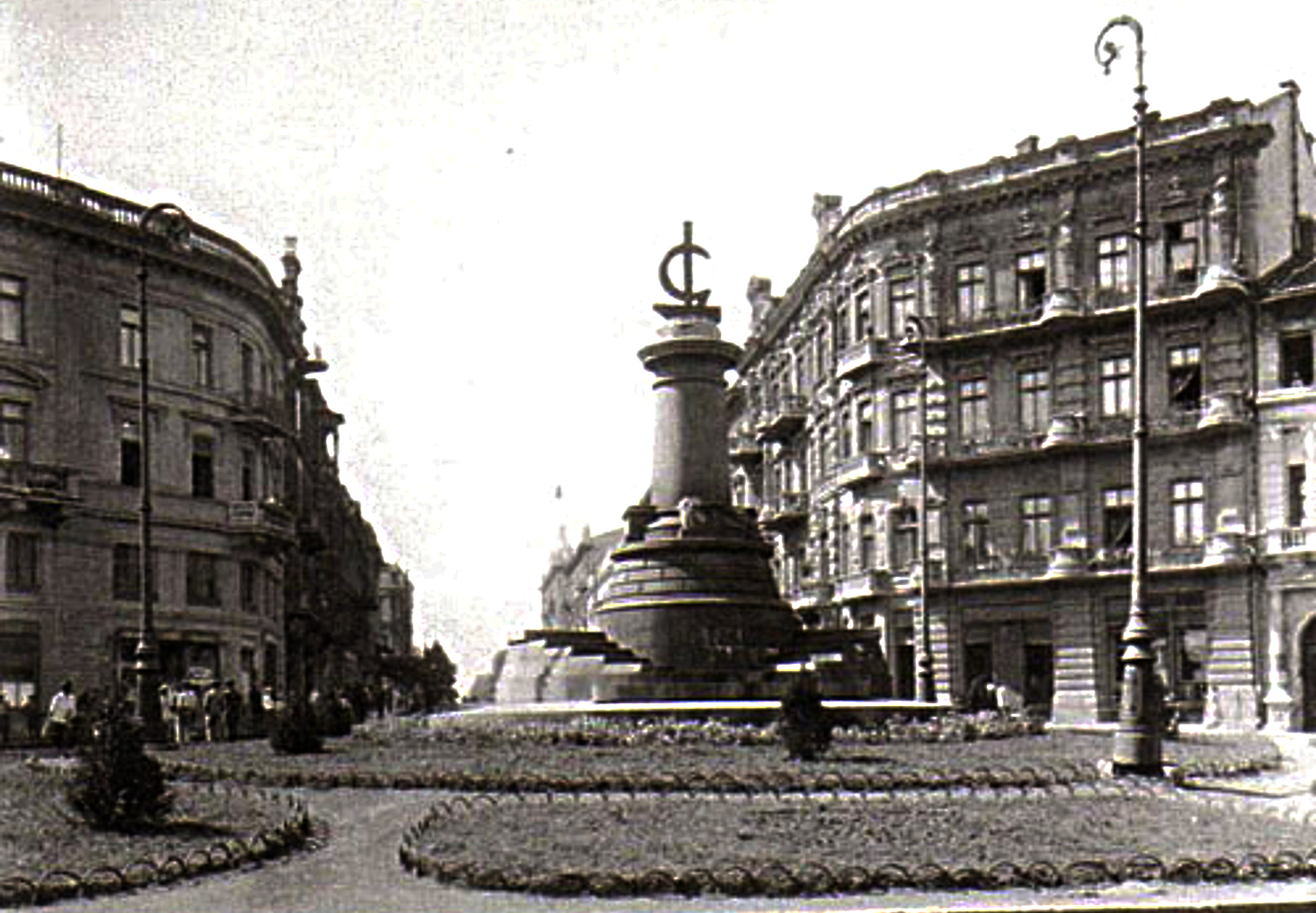
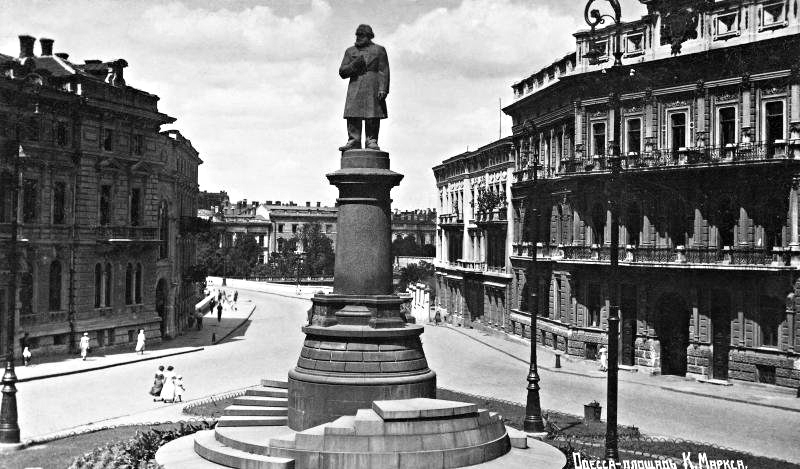
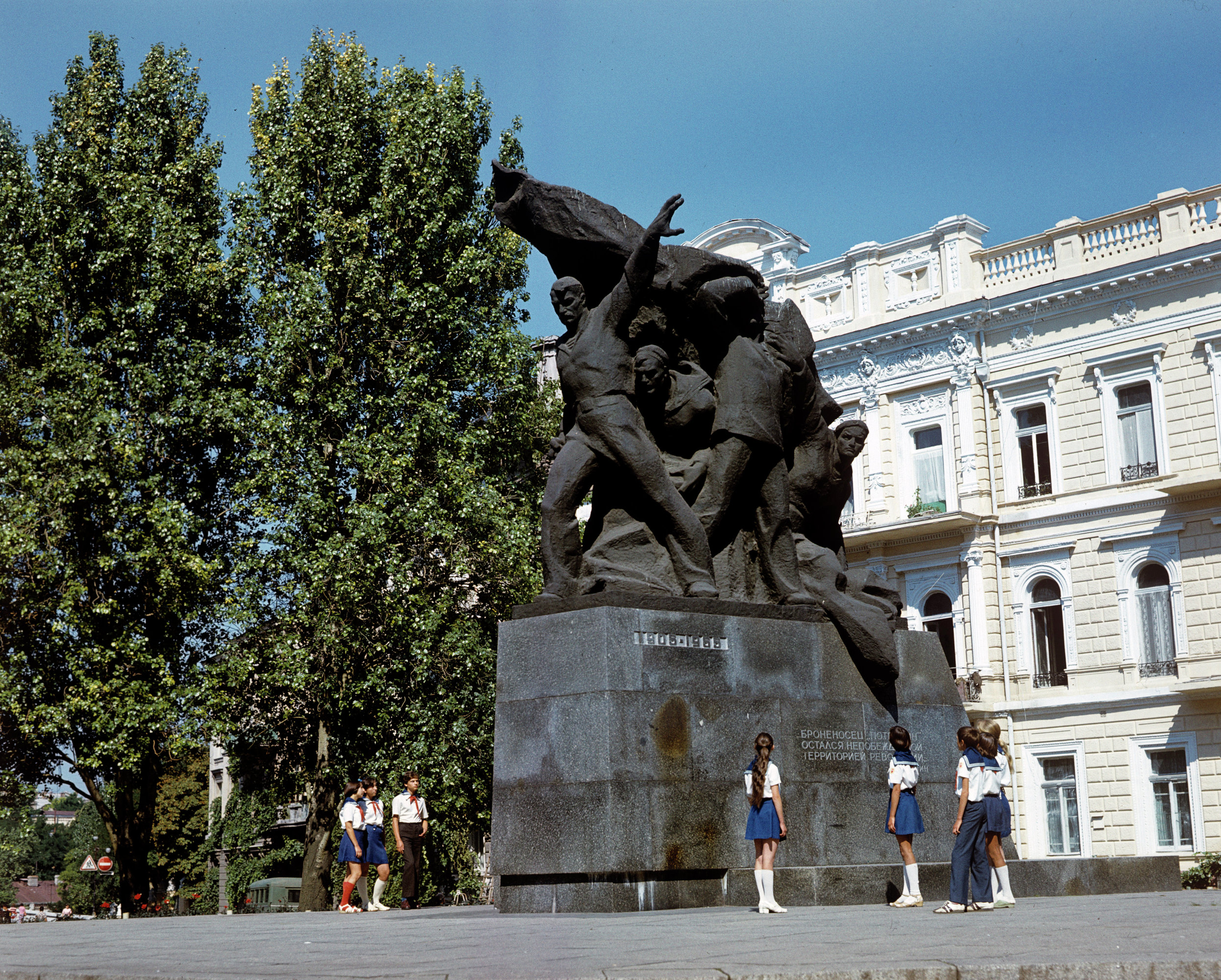
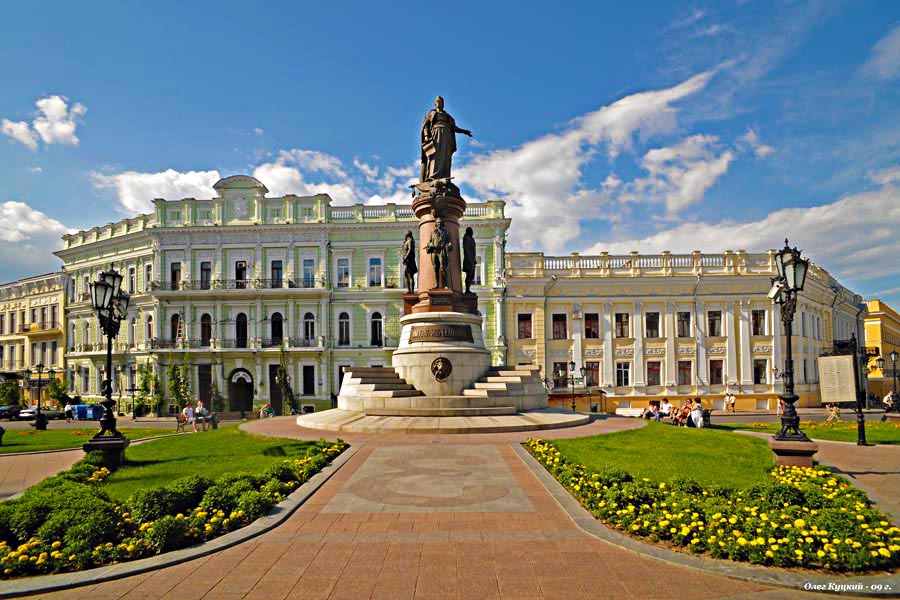
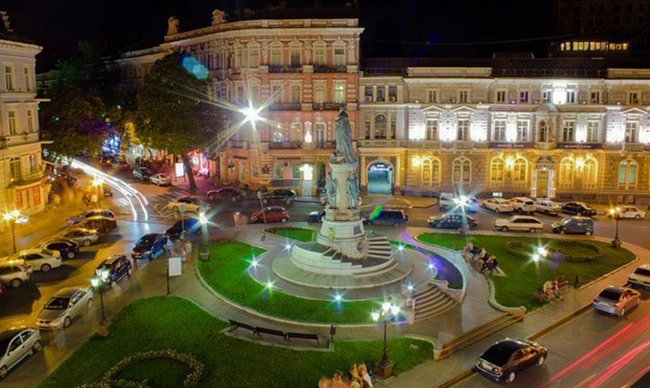
The present-day European Square (until 2024 – Katerynynska Square) has changed its shape more than once and has also changed its name 7 times. Depending on the political conjuncture, the square was at different times called Katerynynska, Yelyzavetynska, then Dyukovska, Karl Marx Square, during the occupation – Adolf Hitler Square, then again Karl Marx Square, later Katerynynska, and since 2024 – European Square.
According to the original city plan, which was developed by Lieutenant Colonel Devolan, the square had a circular shape and was named Katerynynska because, at the city’s foundation, the Military Church of Saint Catherine, the heavenly patroness of the Empress, was laid there. After the Empress’s death in November 1796, construction of the church, as well as of all Odesa, was suspended by Paul I. In 1821, the unfinished church was dismantled. A garden square was arranged in the center of the square, where later, in 1873, after the Dniester water pipeline was launched, a fountain (the first in the city) was installed. Later, this fountain “moved” to its permanent “residence” in the City Garden.
Regular development of Katerynynska Square, with reconstruction of its perimeter and the increase in the number of floors of the buildings, began in the third decade of the 19th century. As a result of the development of the outer plots, the square changed from circular to triangular (in plan).
On September 23, 1891, the Odesa City Duma decided to create a monument in honor of the centenary of the founding of the city of Odesa. On the eve of the 100th anniversary of the city, the administration held a competition for the best monument project, as a result of which the best was recognized as the project of architect Y. M. Dmytrenko. On August 24, 1892, the city council was allowed to implement the above-mentioned project.
It so happened that the monument to the Founders of Odesa was unveiled twice: the first time – on May 6, 1900. After the revolution, it was covered with a canopy. During the turbulent times of 1918–1919, when power in Odesa changed and the armies of different countries entered the city, the Austrians reopened the monument.
In 1917, the city duma received the following order: “Immediately remove the monument to Catherine from the pedestal. The issue of its preservation or destruction should be referred to the Petrograd Artistic Commission under the chairmanship of Comrade Gorky.” The intercession of M. Gorky and Benois, who declared that the monument had the greatest artistic value, led to the fact that parts of the dismantled monument were sent first to the Archaeological, and then to the Historical and Local Lore Museum.
On April 30, 1920, according to the decree, after the final establishment of Soviet power in the city, Katerynynska Square and Street were renamed Karl Marx. As a result, for two decades, the pedestal of the former monument was used to install a sculpture of Karl Marx. On February 7, 1921, a monument to Karl Marx was opened, consisting of a single concrete head tinted to resemble pink granite.
After some time, the provincial committee again solemnly opened a new monument to Karl Marx, but this time a full-length figure. As a result of a storm, the statue, made of fragile materials, fell (according to the official version). According to eyewitnesses, only the legs of the “founder of Marxism” remained on the spot. The round base of the monument then lay for many years in the port area, while the column and both versions of the monument were used for the monument to V. Lenin.
On June 27, 1965, on the 60th anniversary of the uprising on the battleship Potemkin, the unveiling of the monument to the Potemkin sailors took place on the square, attended by a group of veterans of the uprising. The authors of the monument were Muscovites – sculptor V. A. Bogdanov, architects M. M. Volkov and Yu. S. Lapin.
In July 2007, the Odesa City Council decided on the need to restore the lost monument to the Founders of Odesa, as well as to use authentic elements and parts of the monument that had been kept in the Odesa Historical and Local Lore Museum almost since the time when the monument was dismantled in May 1920. The above-mentioned decision of the City Council also referred to the creation of a commission of 18 qualified specialists from different professions, entrusted with the task of overseeing the compliance of the restored monument with the original.
By decision of the client – deputy of the Odesa City Council R. S. Tarpan – the sculptural part of the monument was decided to be carried out on the basis of a tender. In fact, the figure of the Empress had to be sculpted anew, because the preserved head was cast from bronze of a composition used more than 100 years later, and therefore the color of the bronze and patina of the created figure could not be matched with the color and composition of the bronze of the head. As a result, the execution of the bronze part of the monument was commissioned to the Creative Art and Production Association in Kyiv (permanent director Valerii Stepanovych Sheveliuk).
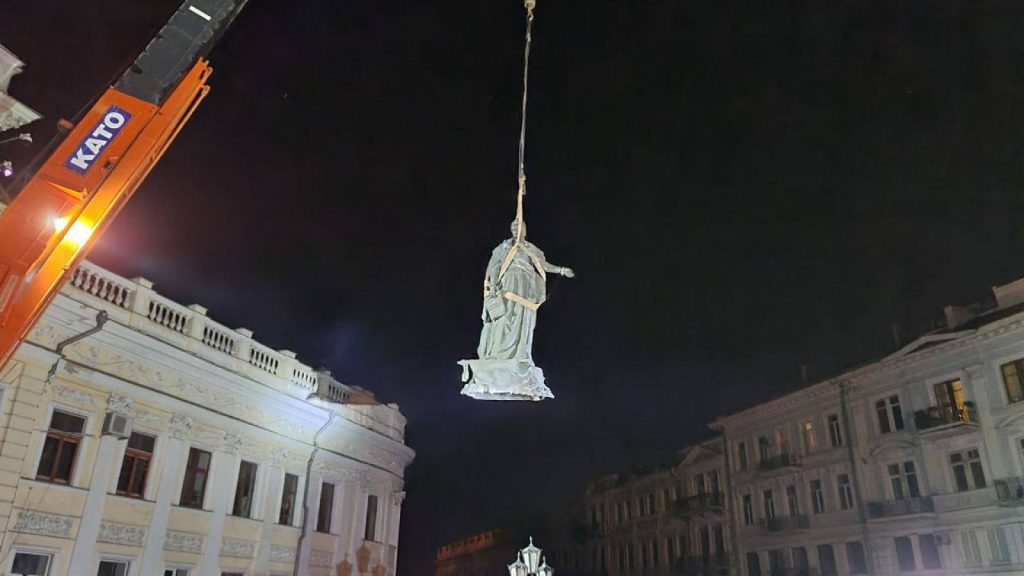
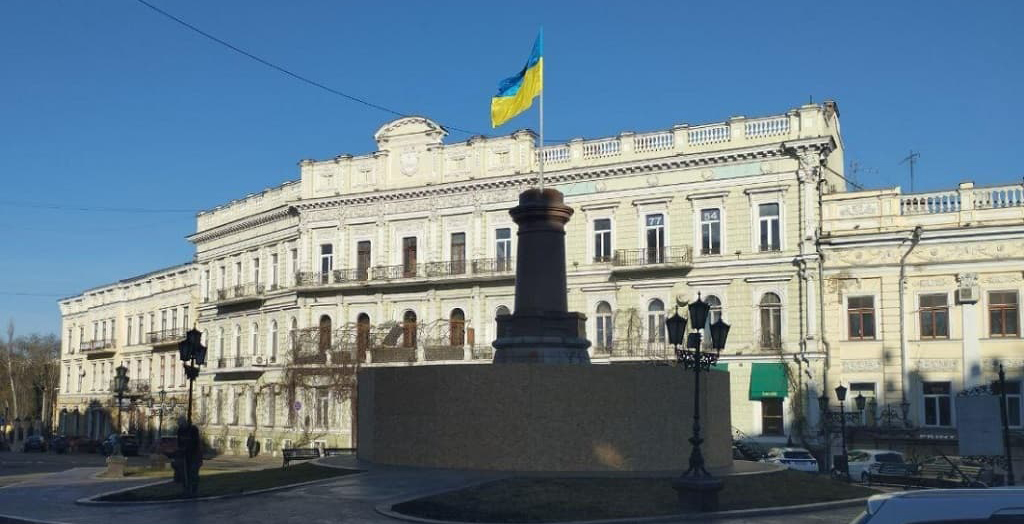
In 2022, after the treacherous attack of the Russian aggressor on Ukraine, the fate of the monument “To the Founders of Odesa” was decided by Odesa residents through electronic voting, which ended on October 20. The majority of votes – 3,914 – were cast for the option “to completely dismantle the monument.” On the night of December 28–29, the monument to Catherine II was dismantled. The dismantling of the monument, officially named “To the Founders of Odesa,” began at about 11:00 p.m. and lasted almost three hours. First, the sculptures of her favorites were removed from the monument and transferred to a truck with the help of a crane. Then the same was done with the sculpture of Catherine II. After the dismantling, the sculptures from Katerynynska Square were delivered to the Odesa Fine Arts Museum, where they are to remain temporarily according to the decision of the executive committee of the Odesa City Council dated November 30, 2022.
On April 24, 2024, within the framework of de-russification, decommunization, and the elimination of the consequences of the imperial past, the square was renamed “European Square”.
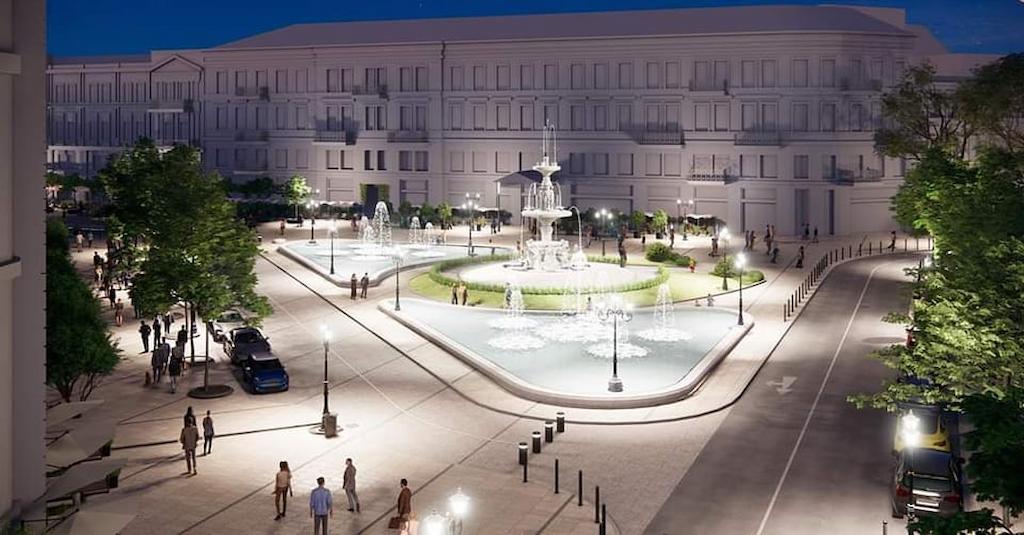
Cathedral Square
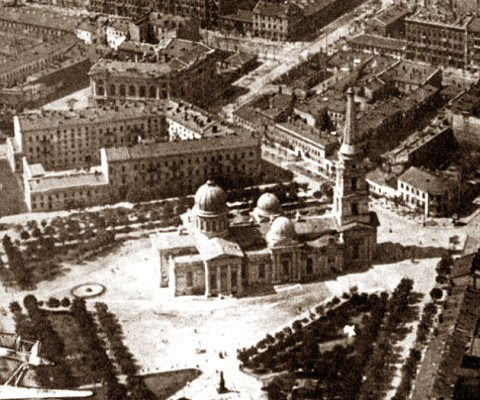
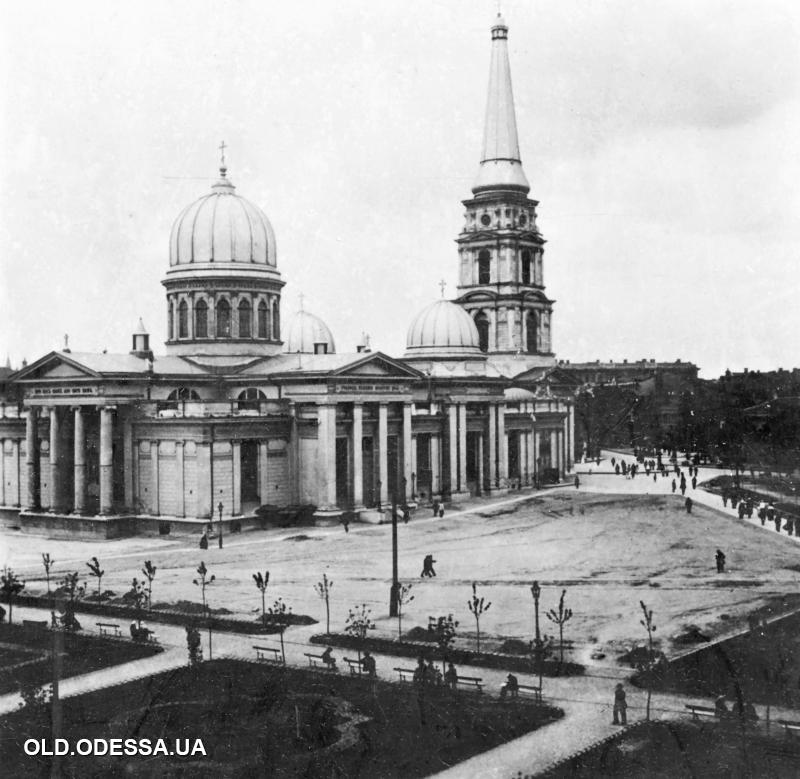
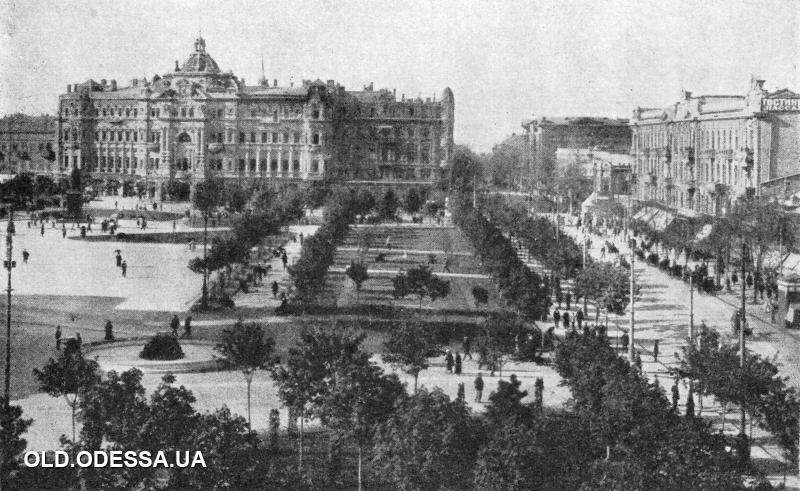
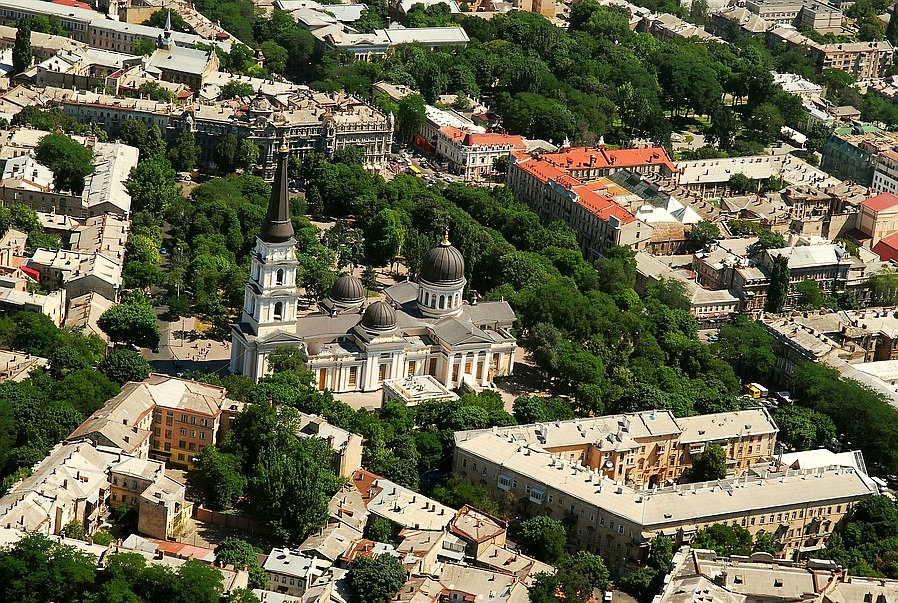
Cathedral Square is one of the most famous and beautiful squares in the city. “Soborka,” as the locals call it, has become a cultural and religious center of Odesa, absorbing all its colors, advantages, and drawbacks.
Cathedral Square is located in the central part of the city at the intersection of Preobrazhenska, Sadova, and Deribasivska Streets. At the time of the founding of the Pearl by the Sea, “Soborka” was the central square of the city, constantly hosting various celebrations, both civic and religious.
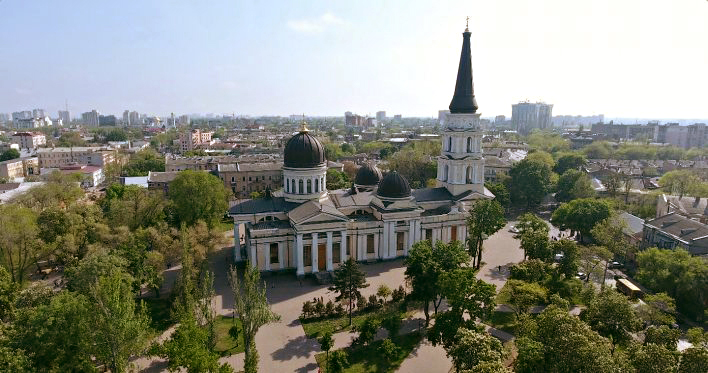
In the very heart of the square stands the Transfiguration Cathedral, built in 1795, after which the square was named. The cathedral, like Odesa as a whole, developed rapidly, advancing through the centuries with giant strides, and soon grew from a small church into one of the largest cathedrals of the Russian Empire. The cathedral could accommodate 12,000 people.
However, in 1936 the cathedral building was completely destroyed, and in its place flower beds and a fountain were installed. Restoration of the cathedral began many years later, in 1999, and at present it has been fully restored.
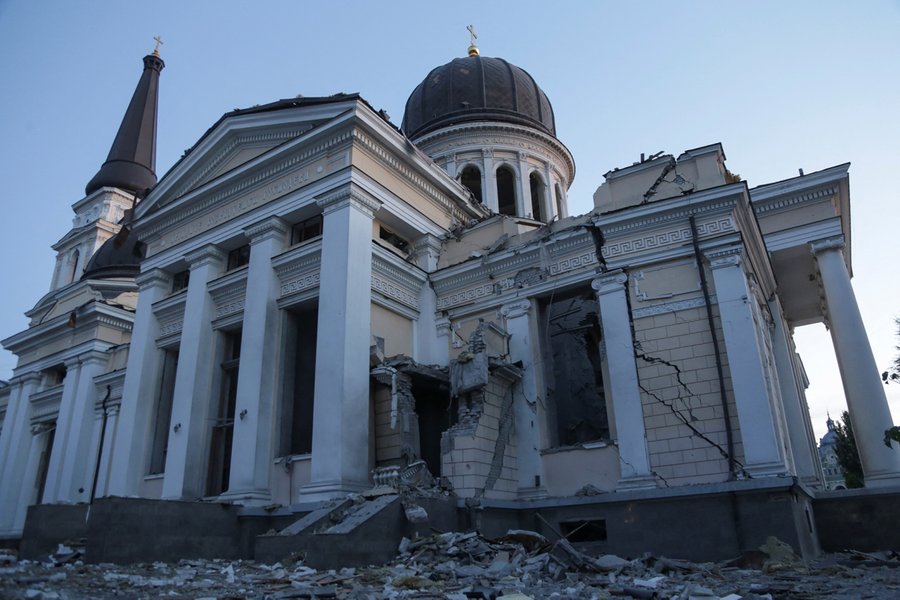
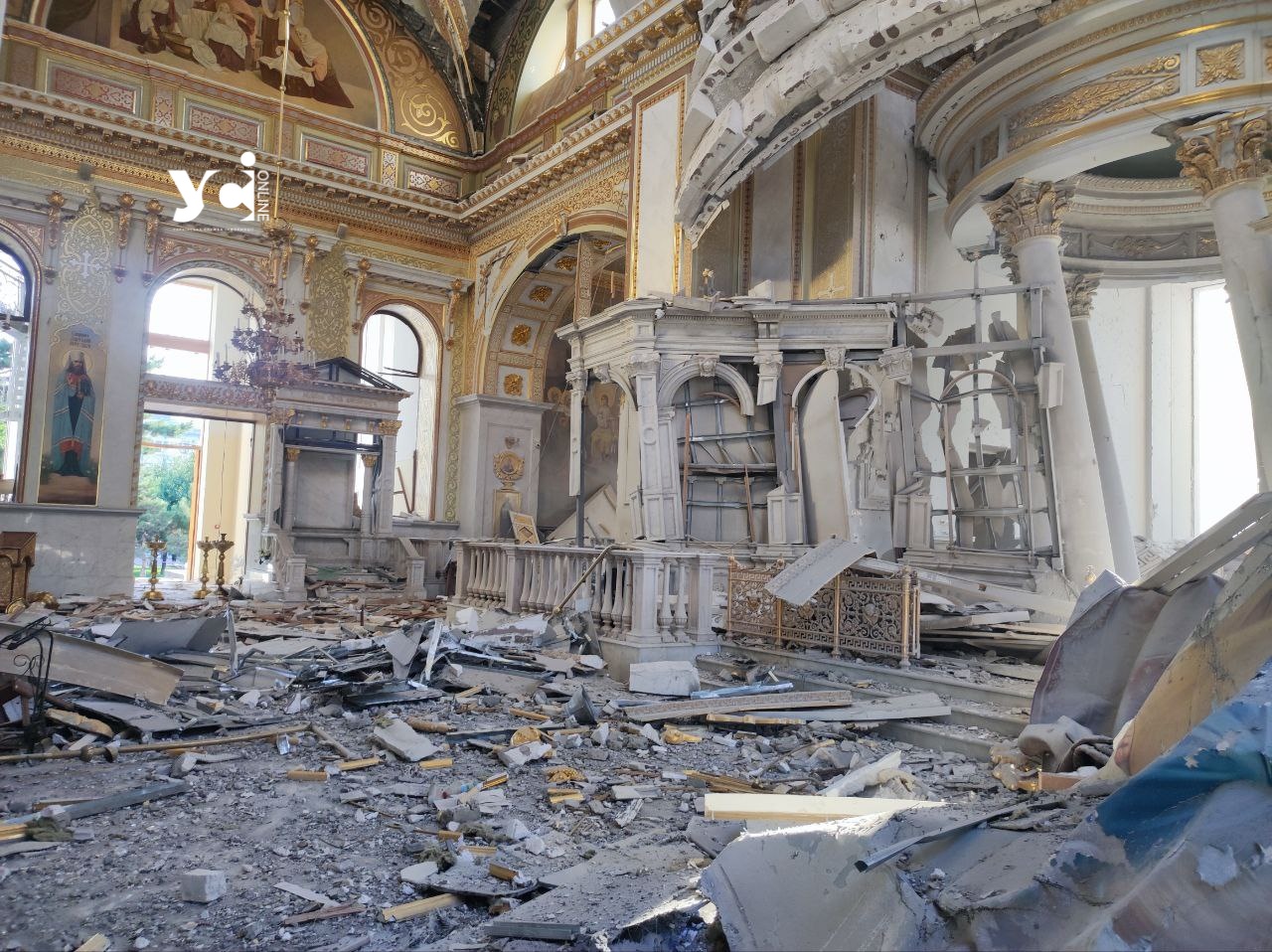
On February 24, 2022, the Russian aggressor treacherously attacked Ukraine. Since then, Odesa has constantly suffered missile strikes. In 2023, during one of these attacks, the cathedral was struck directly by a ballistic missile and suffered significant damage, being practically destroyed.
In the northern part of the square stands a monument to M.S. Vorontsov. The monument was unveiled on November 8, 1863. Its authors were two famous personalities, well known both in Odesa and beyond: the Munich sculptor F. Brugger and the Odesa architect F. Boffo.
Today, Cathedral Square has become a refuge not only for believers but also for people of art: here is located the so-called “art market,” where anyone can purchase a painting or a handmade souvenir.
Theatre Square
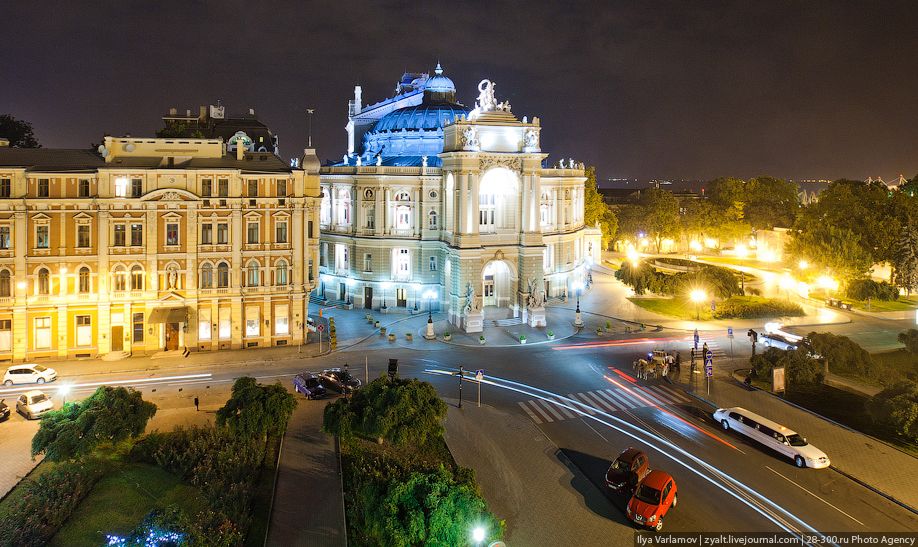
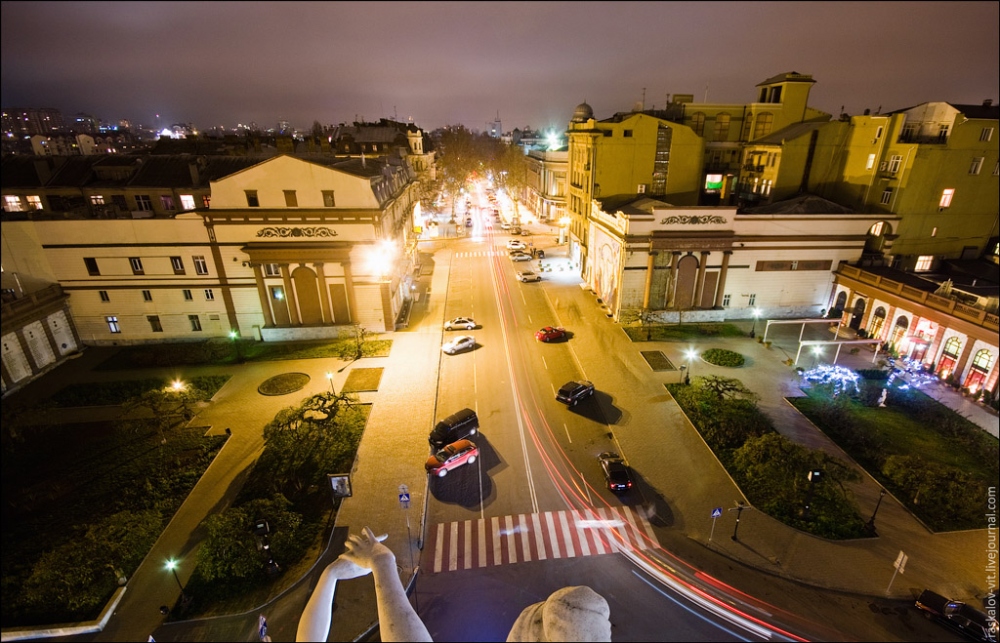
The square in front of the Odesa National Academic Opera and Ballet Theatre is popularly known as “Theatre Square” and is one of the most beautiful and notable squares of the city. It is a popular place for public festivities, celebrations, gatherings, and rallies.
Greek Square
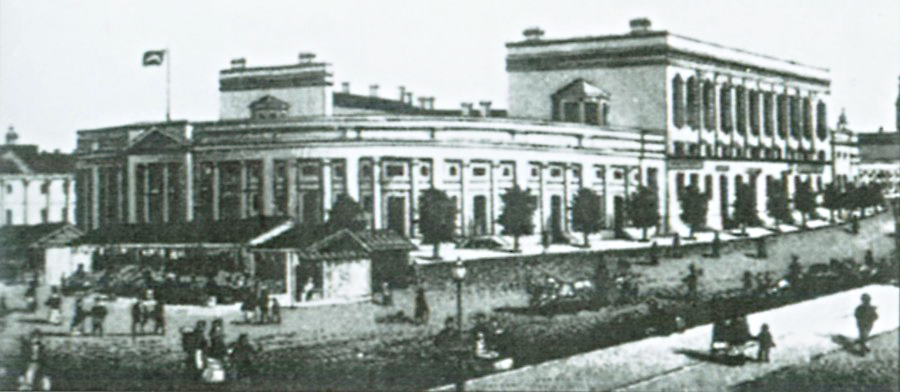
The history of Hretska (Greek) Square began with François de Wollant, who created Odesa’s first urban development plan. Following the example of Ancient Roman architects, it was decided to form several independent centers of urban life grouped around market squares. One such center was Hretska Square, alongside Starobazarnaya (the so-called Free Market) and Khersonska (New Market). Hretska also became the hub of the city’s main trade artery: traffic coming up from the port via Havan Street, crossing Deribasivska, freely entered it, and from there, through the wide Oleksandrivskyi Avenue, reached Starobazarnaya. De Wollant’s ideas were realized by the architect brothers Franz and Giovanni Frapolli. Construction began in the early 19th century, and by 1830 the Greek Bazaar’s trading rows had fully taken shape.
The square featured four buildings divided into 25 identical two-story sections. The trading rows were adorned with porticos, colonnades, and stone arcades. Among the first developers were well-known Odesa families of Greek merchants, such as Ioannopoulo, Serafino, Papakhaji, Ralli, and also Hryhoriy Marazli the Elder.
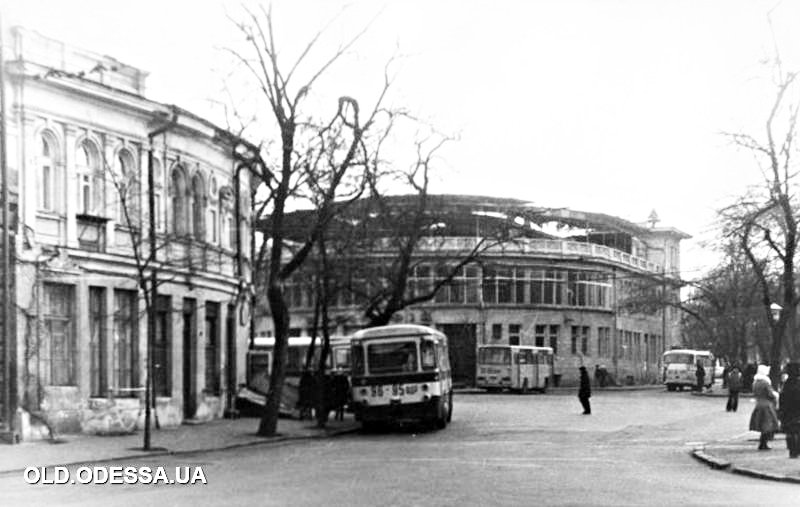
The building at 27 Deribasivska, which later housed the “House of Books,” as well as Maiurov’s “Round House” in the square’s center, where the modern Athena Shopping Center now stands, appeared somewhat later. Still later, the role of Odesa’s main bazaar shifted to the famous Pryvoz with its “Fruit Passage,” exotic, multilingual, and vibrant, while at that time the market at Hretska Square held this function. Everything could be found there—from bread, wines, and beverages to paintings and violins.
Over the years, the square lost its commercial importance, ceding it to Pryvoz, the New, and the Starokinny markets. One of the city’s first horse-drawn railway stations, the so-called “konka,” a forerunner of the tram, was established here.
During Soviet times, the square was renamed Martynovsky Square and mainly functioned as a major transport hub, serving as the terminus for many trolleybus and bus routes.
Today, the square has regained its historical name, been renovated, and turned into a recreational zone, acting as a ceremonial entrance to pedestrian Deribasivska Street. Concerts and rallies are often held here, sometimes simultaneously.
The “Round House” has been rebuilt into the large Athena Shopping Center. Until recently, the square was home to Odesa’s famous “Knyzhka” market of printed, audio, and video products, analogous to Kyiv’s “Petrovka.” Today, “Knyzhka” has moved to Ukrainian Héroes Avenue.
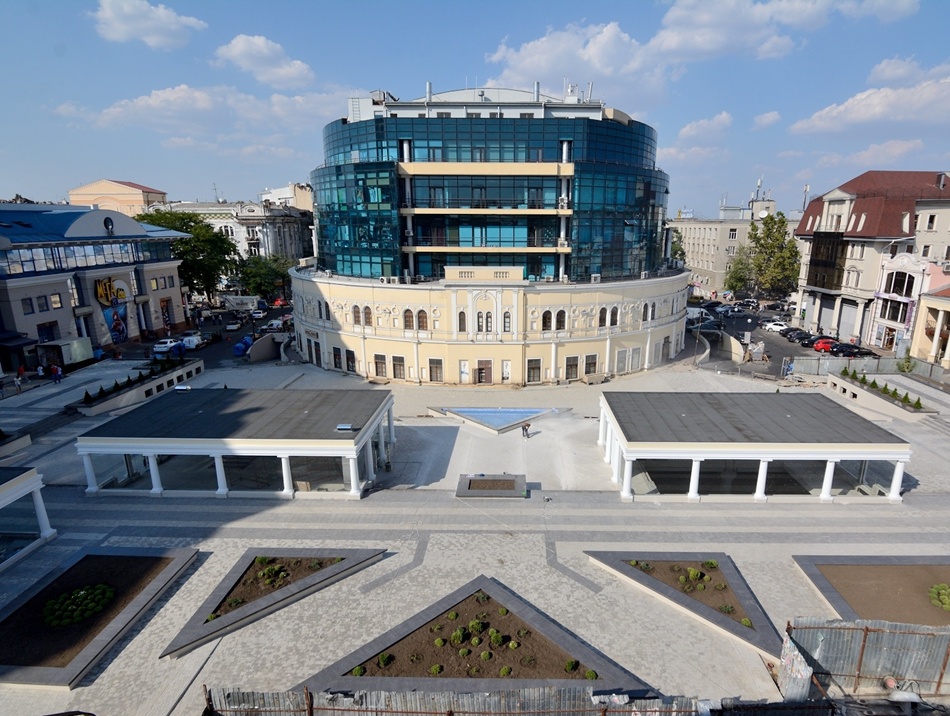
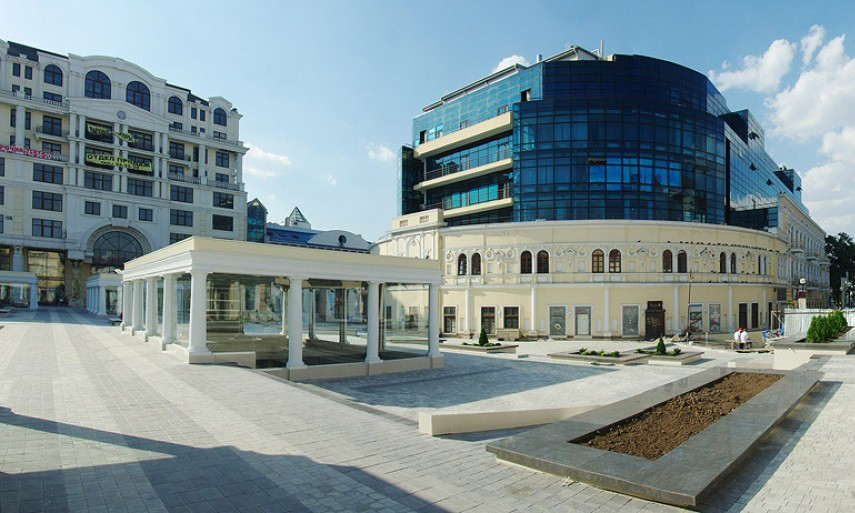
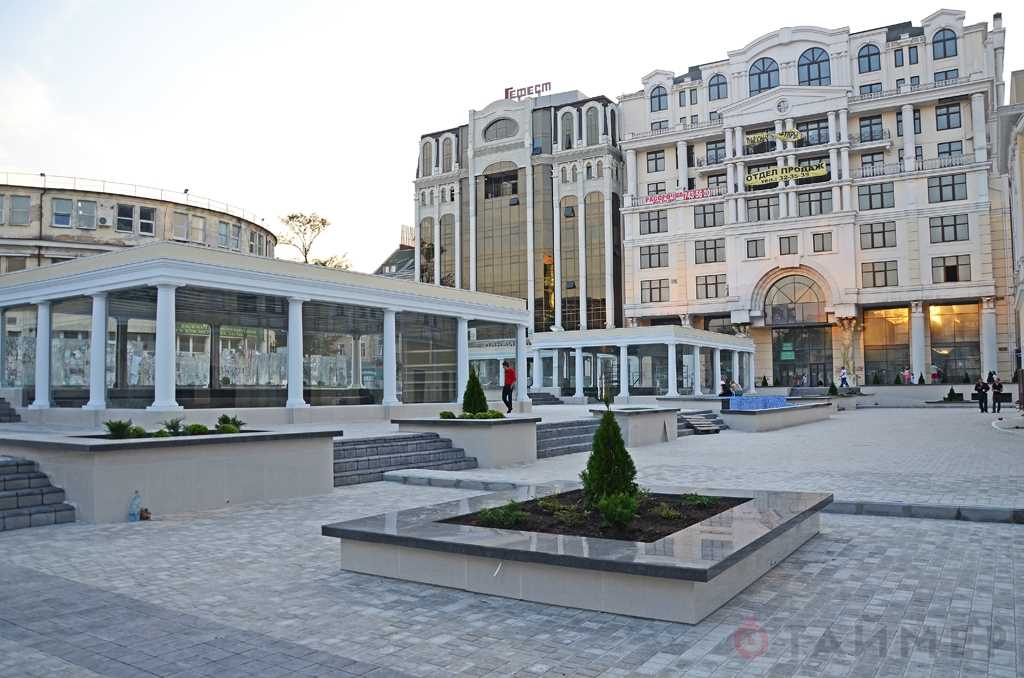
“Kulikove Field” Square
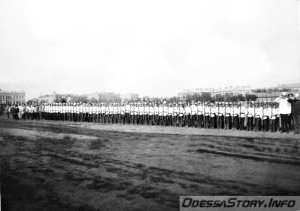
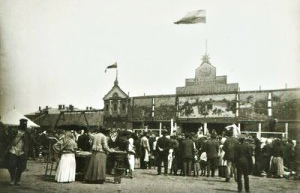
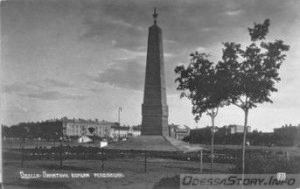
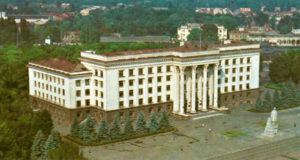
Kulikove Field appeared in Odesa at the very beginning of the second half of the 19th century. At that time, the huge square beyond the Porto-Franco border, which in those distant times stretched from Kanatna Street to Pryvoz — then merely an appendix of the Old Bazaar — began to be used as a parade ground by troops quartered nearby.
However, the field itself came to be called Kulikove Field not because of Russian traditions of naming large fields after the victory of Dmitry Donskoy’s troops over the Mongol-Tatar army. In Odesa, it turned out to be much simpler. At the beginning of the 19th century, these lands belonged to the landowning family of the Kulikovskys. Among the people, they were called the Kulikovsky Fields. Over time, this name transformed into the more familiar “Kulikove Field.” The Kulikovsky family became famous in Odesa also for their connection with music. They had their own orchestra of serf musicians, which was passed down from generation to generation. It is known, for example, that the orchestra of D. N. Ovsyannikov-Kulikovsky performed at the opening of the Odesa City Theatre, which is today called the Opera House.
In 1818, not far from Kulikove Field, the city customs house was built, and soon afterward, right next to the vacant land, a prison was also constructed. This was the very first Odesa prison. The presence of a penitentiary facility played a cruel joke on the square — for several decades, executed criminals were secretly buried at Kulikove Field, many of whom were political prisoners undesirable to the Tsarist regime. Many who were executed in the prison yard were secretly and furtively buried at Kulikove Field. Who knows how many famous and nameless fighters for the people’s freedom and happiness rest here.
The people of Odesa did not honor this district, rightly believing that to march over bones was, at the very least, un-Christian. At that time, the land at Kulikove Field was called nothing other than “hard bread”.
The street that arose near the prison was named Tiuremnaya Street (today Oleksandr Stankov Street), and the nearest square was named Tiuremnaya Square (today Vokzalna Square).
Gradually, by the beginning of the 20th century, the city’s largest, though still undeveloped, field became a traditional place for folk festivities. Various amusements and circus tent performances were arranged here, with traveling circus troupes putting on their shows, wax figure cabinets and marvelous creations of nature worthy of a Kunstkamera were displayed. The square also hosted mass celebrations, such as New Year, Christmas, and Easter, accompanied by fairs and amusements.
After the Revolution (the October coup), when Odesans had no time for fun, Kulikove Field again acquired the sad fame of a mass grave.
In January 1918, fierce battles took place here between revolutionaries and haidamakas as well as cadets: there was machine-gun fire, rifle volleys, shouts, and casualties.
On 17 (30) January 1918, the Red Banner was raised over the building of the Odesa railway station. Four days later, on 21 January 1918, all those killed in the three-day civil war (119 dead) were buried in a mass grave at Kulikove Field, which since then began to be called Revolution Square./span>
The first monument at Kulikove Field was unveiled in 1932 for the anniversary of October (Architect A. Minkus). It was demolished by the Romanians during the occupation of Odesa.
After the Second World War, the square was laid out and planned. Kulikove Field spread out as a square of 10.5 hectares, bordered by flower beds and green lawns. Against their background, rows of planted blue spruces especially stand out today. Around them are plane trees, lindens, and pyramidal oaks.
In 1959, the “Alley of Friendship” grew here, with trees planted by distinguished guests of the city. One of the first trees was planted here on 29 July 1959 by Maurice Thorez, the General Secretary of the French Communist Party, who was visiting Odesa.
In 1967, in the center of the square, on the eve of the 50th anniversary of Soviet power, a monument to Vladimir Lenin was erected, created by sculptor Matvey Manizer. It was demolished after Ukraine gained independence.
In the 1990s, the city authorities decided to revive the century-old tradition and make Kulikove Field a place for folk festivities. Children’s holidays, chalk drawings on asphalt, simultaneous chess sessions, tournaments, youth discos, and performances by popular artists accompanied by fireworks and other modern holiday attributes, which have become common in our days, took place here. In addition, political rallies of various parties and military garrison parades were held in the square. This was the case until the tragic events of 2 May 2014.
The former city outskirts — Kulikove Field — has long since become the geographical center of the city. From here, roads lead to all the distant districts of Odesa.
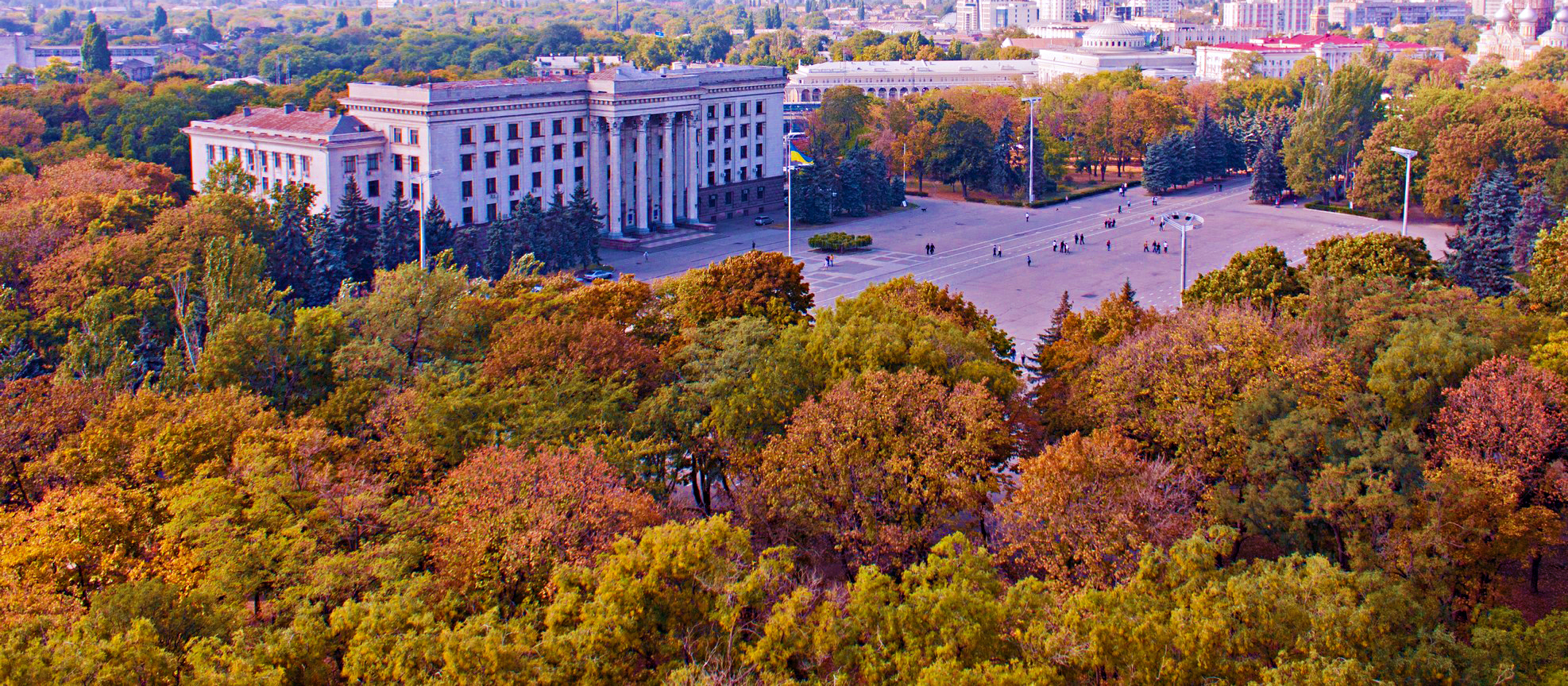
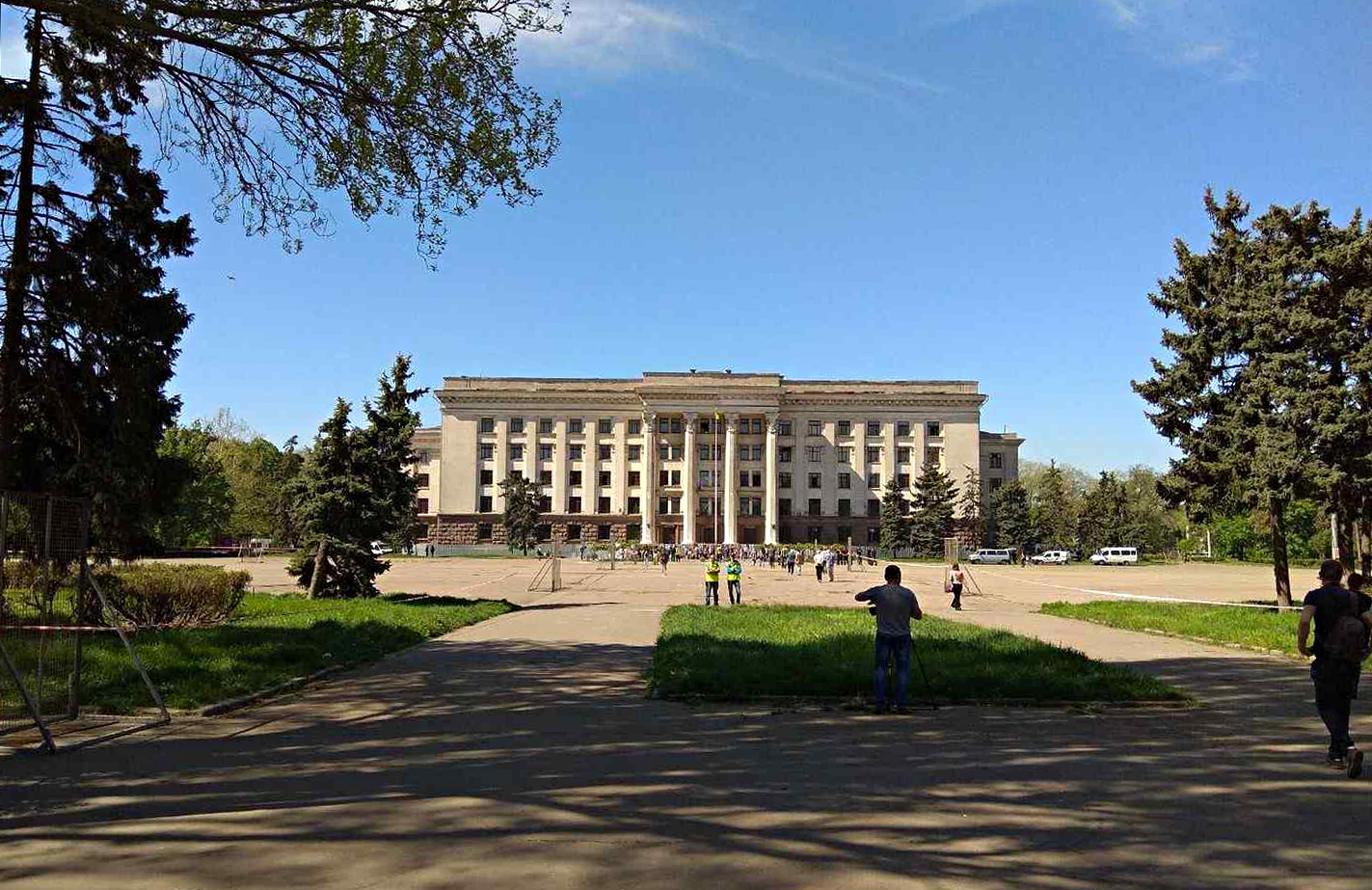
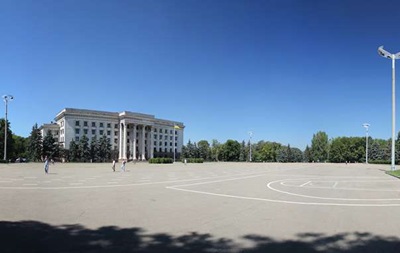
Old Bazaar (Starobazarna) Square
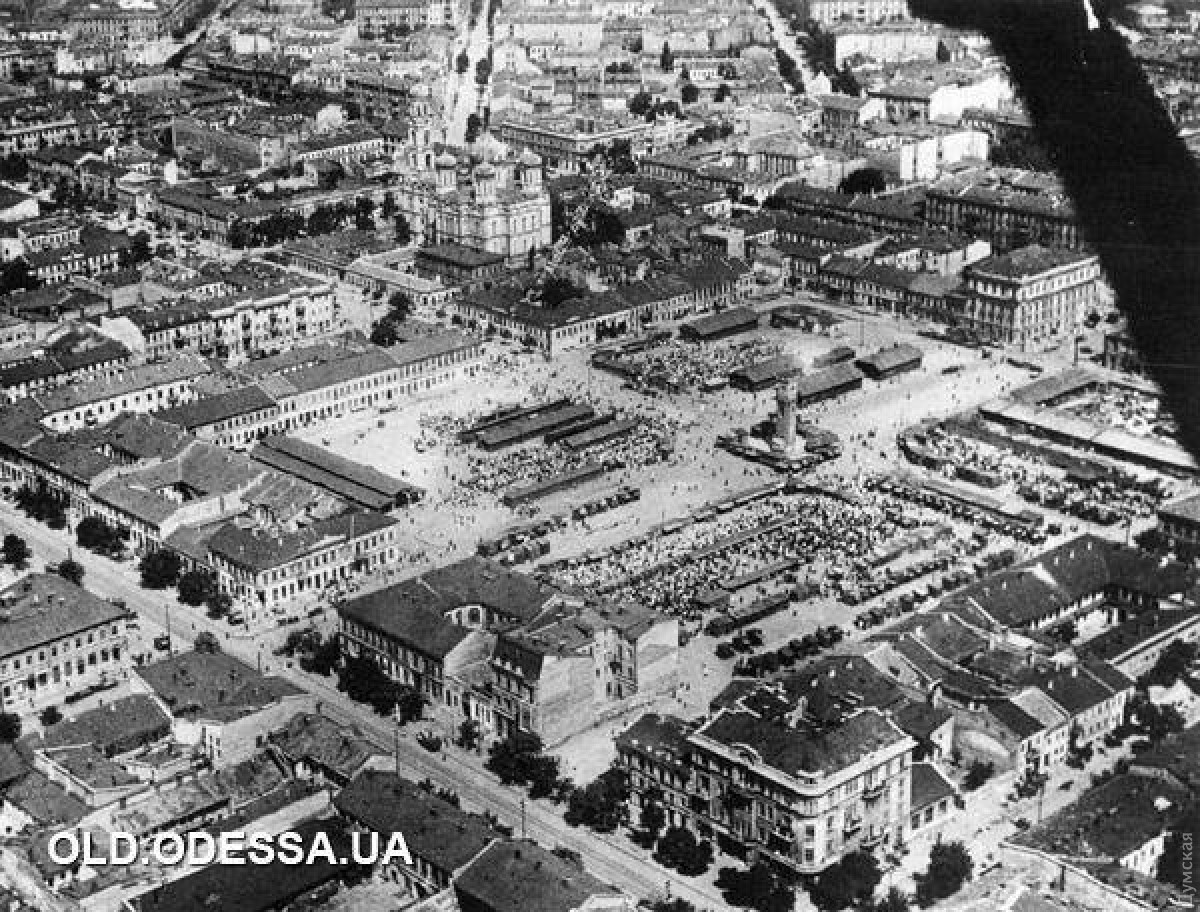
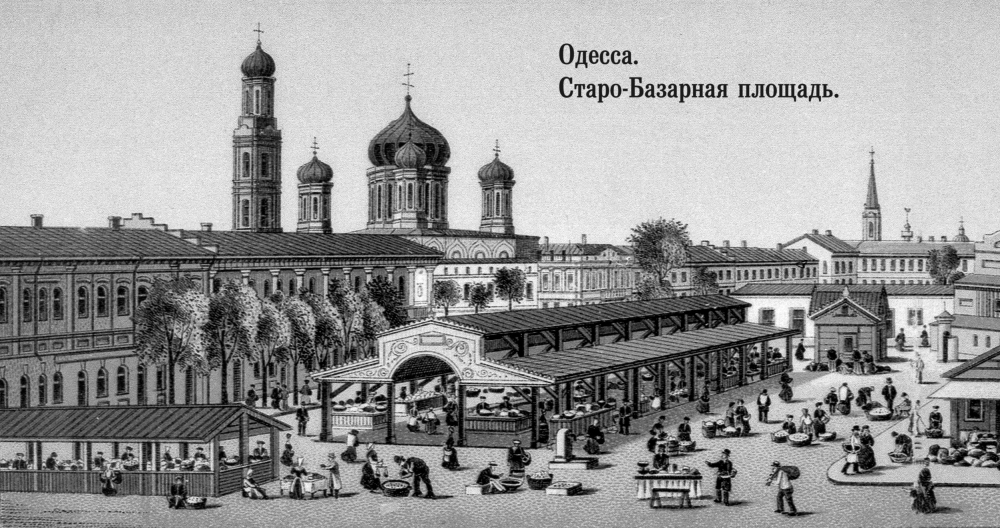
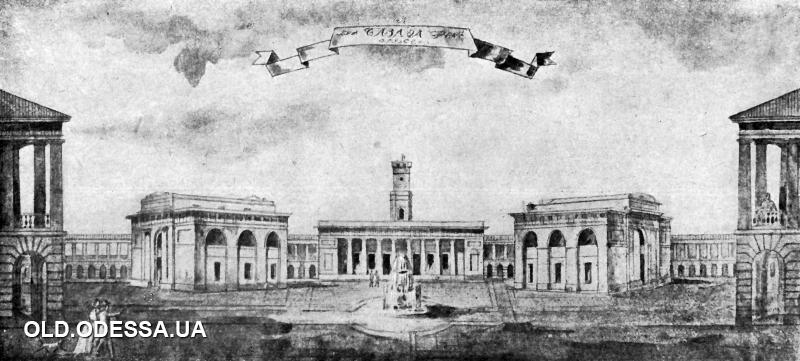
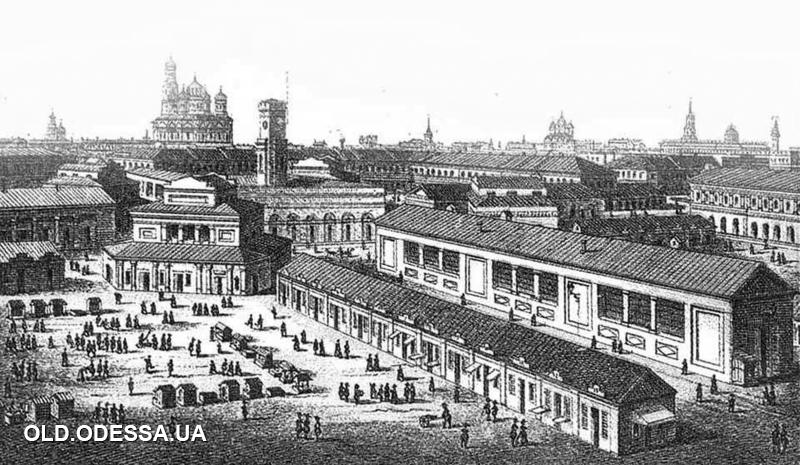
Starobazarna Square, where a noisy Odesa market was located a hundred years ago, was formed even before the foundation of the well-known Privoz, the market beloved by Odesa residents, but very little of its ancient architectural ensemble has survived. The old residents of Odesa, recalling the memories of childhood, remember the old clock tower that seemed to grow out of the squat, already half-ruined building, which once housed the central corps of the Old Bazaar.
The Old Bazaar – although a common name, was not entirely correct for this market, since the very first bazaar in the history of Odesa was located on today’s Hretska Square. The elegant slender tower vaguely resembled an Italian campanile, because the architectural ensemble of Odesa’s Starobazarna Square was entirely designed by the Italian architect Giorgio Torricelli, who worked in Odesa in 1832.
The need for creating a new architectural ensemble of Starobazarna Square arose due to the increasing commercial burden on the city. Since 1820, the Old Bazaar became a kind of central link along Oleksandrivskyi Avenue (since 2024 – Avenue of Ukrainian Heroes), connecting two other Odesa markets – Hretskyi and Pryvoz, which at that time was located almost on the outskirts of the Southern capital.
Odesa governors, aiming to increase the number of trading places on Starobazarna Square, decided to create new trading rows and announced a competition for a design project, won by Giorgio Torricelli. Thus, a majestic central market building appeared on the map of Odesa, its facade decorated with beautiful Doric columns along the perimeter. From the inside, the trading rows were tightly adjoined by two-storey buildings, connected to the central corps with powerful columns and lace-like arcades, uniting the grand structure into a single architectural ensemble. Although the appearance of the square has changed significantly, no longer resembling the Old Bazaar, fragments of columns have survived, giving today’s Odesa residents an idea of the original appearance of the magnificent building.
The dynamic development of Odesa and its rapid expansion after the introduction of the Porto-Franco regime led to an increase in trade turnover; the Old Bazaar, due to the limitation of its territory, could no longer accommodate all traders, and Pryvoz Market assumed the leading role in the economy of the Southern capital. Located on the outskirts, its territory could expand without restrictions. Behind the market, through wastelands, lay Odesa’s suburb – Moldavanka. But Starobazarna Square did not decline; its trading rows and market functioned right up until the Revolution of 1917.
The period of War Communism proved fatal for the ancient square with its remarkable architectural ensemble, when all private shops and stores were liquidated, and new ones did not appear, neither in that difficult time for Odesa, nor during developed socialism, nor now.
Starobazarna Square not only completely lost its functional purpose, it even lost its former name after being renamed Kirov Square. The elegant buildings with columns that stood around the perimeter of the square were turned into residential premises, divided into Odesa communal apartments, about which many feuilletons were written. The Doric columns were destroyed, windows and small doors were installed between the arcades… The clock tower still dominated the architectural ensemble of Starobazarna Square, but its clock had long since stopped, remaining only as a monument to past prosperity.
But the masterpiece built by Torricelli stood until the early 1950s, the tower being half-ruined and damaged by a shell that had struck it during the Second World War. The Soviet authorities, who never cared about architectural monuments of the beautiful city by the sea, decided not to restore it but simply to demolish it. The central building of the trading rows aged and collapsed, and the architectural uniqueness of the square was erased. A square was laid out in the middle, where it was planned to erect a monument to Kirov, whose name the old Odesa square now bore. But fortunately for the old residents of the Southern capital, this never happened.
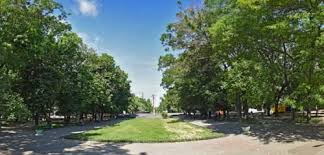
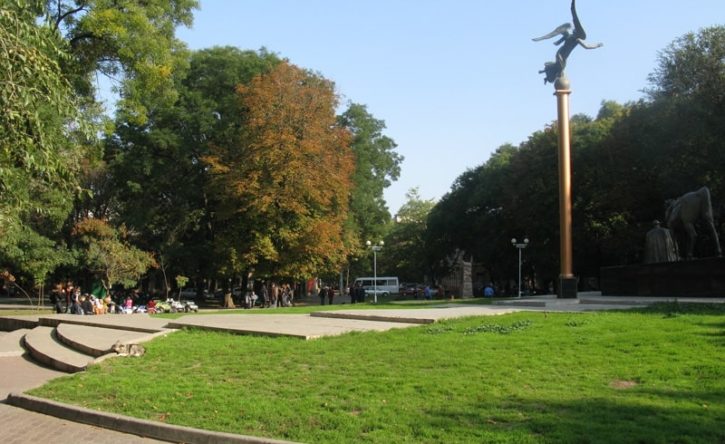
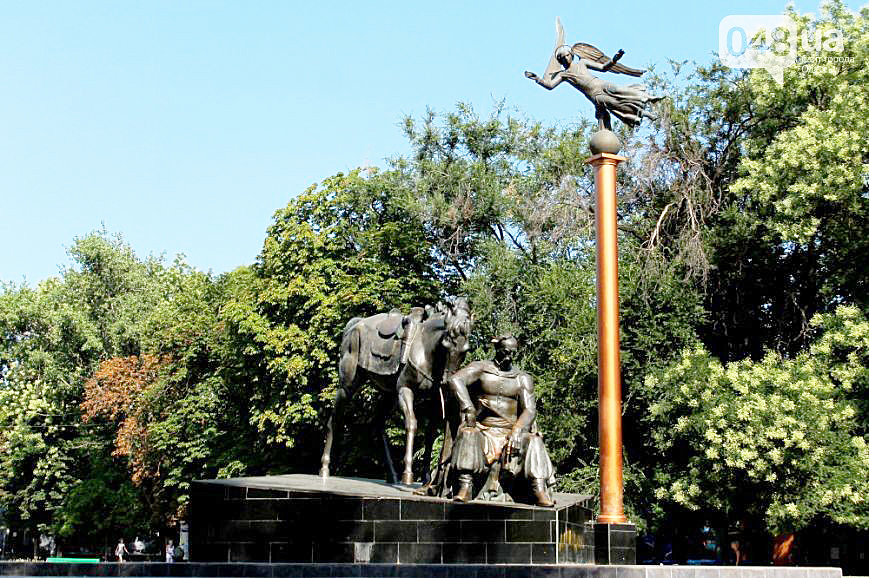
Now, in the middle of Starobazarna Square – as it is now called – stands a monument to Ataman Holovaty, who once commanded the “Cossack Flotilla” created by Count Potemkin. The majestic structure, so beloved by modern teenagers who use the monument for roller-skating and skateboarding, appeared on the map of Odesa on September 2, 1999, when the city celebrated City Day. The figure of Anton Holovaty and other elements of the monument were executed life-size by master Oleksandr Tokariev, casting the details of the monument in bronze. The originality of the composition, whose central figure is the ataman deep in thought and holding the reins of his horse, is enhanced by the small angel figure hovering above the massive monumental composition. And under the feet of the ataman is a map of Ukraine inscribed in a circle, where the Black Sea coast and the majestic Dnipro River, winding like a snake, are clearly depicted. One of the steles of the monument represents Odesa, and the other Zaporizhzhia, as if emphasizing the historical connection between the cities and the continuity of Ukrainian history.
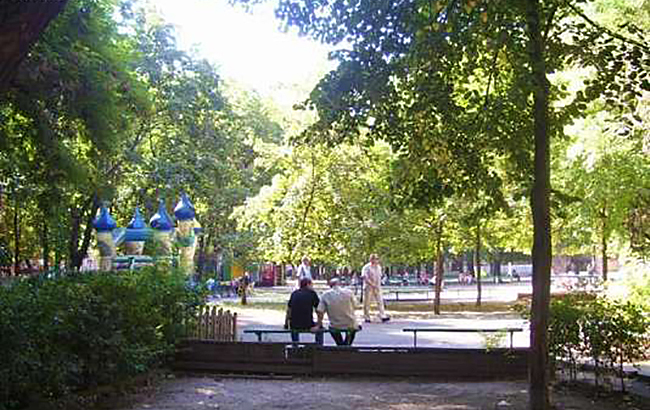
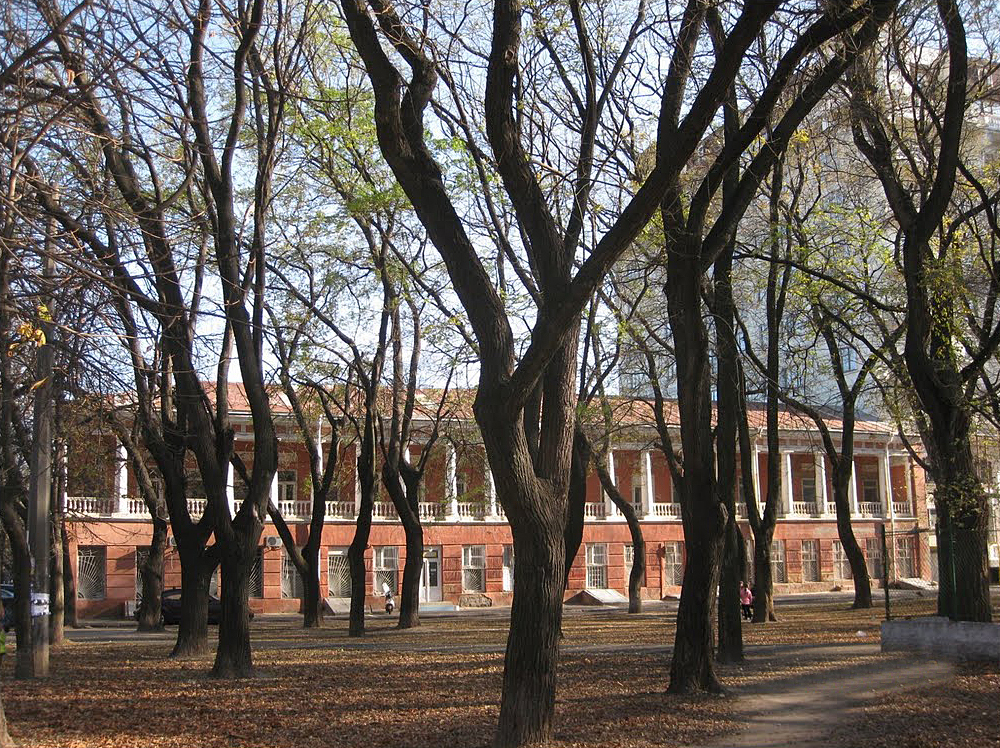
The ensemble of Starobazarna Square, now a park, continues to change even today. Modern new buildings are being erected around it, a pump-room, children’s swings and playgrounds, a flower shop and a restaurant have appeared in the middle of the park, as well as a small football field, which fortunately cannot be seen from inside the square, at the intersection of two Odesa streets – Bazarna Street and Avenue of Ukrainian Heroes.
Railway Station (Pryvokzalna) Square
In the second half of the 19th century, a vast square beyond the port-free zone, stretching at that time from Kanatna Street to Pryvoz (then merely an extension of the Old Bazaar), was used as a parade ground by the nearby stationed troops. Over time, it came to be called Kulikove Field.
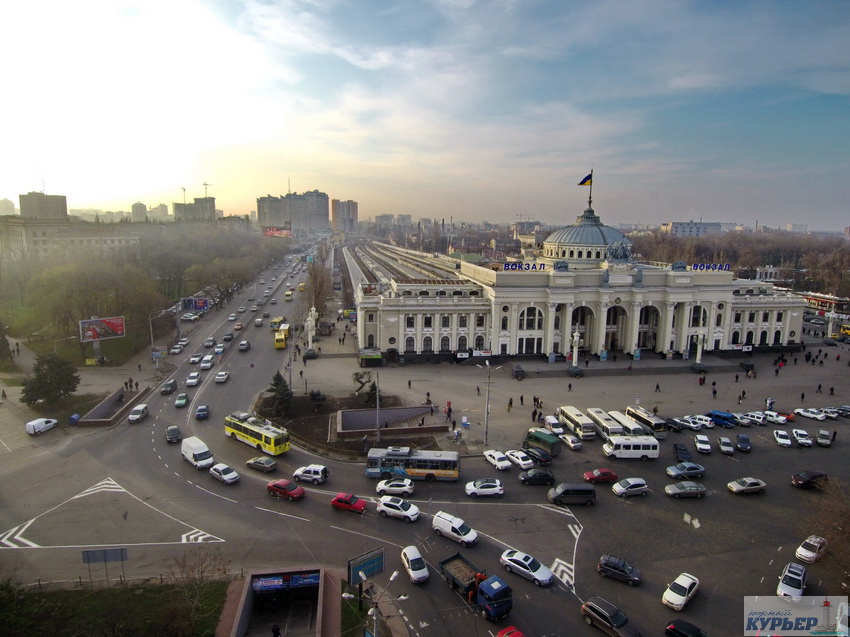
The development of this area is closely linked to the emergence of railway connections in Odesa. Already in the 1867 Odesa guidebook, the final railway station “Kulikove Field” was listed, from which trains to Balta and Olviopol (Pervomaisk) departed toward the “Odesa” station (Great Station, now Odesa-Tovarna) in 10 minutes and onward along the route. The construction of a solid passenger station building significantly improved and transformed this district. The impressive structure, known in documents as the “Kulikove Field passenger building,” was built following a competition project by Saint Petersburg architect V.A. Shreter under the supervision of Odesa architect A.O. Bernardazzi from 1879 to 1883. Pryvokzalna Square became more respectable after the construction in 1894–1895 by architect N.K. Tolvinsky of the court buildings (now the Odesa Railway Administration), and later in 1899, the same architect built the zemstvo administration building (now Odesa branch of the Odesa Railway) on the other side of the station, on the site of the old prison. The center of the square was decorated with a picturesque garden with a fountain. Near the court building was initially the terminus of the horse-drawn tram in 1880, and a year later, the steam tram, which departed from Kulikove Field to the Great Fountain. Whistling and smoking, the steam locomotive pulled carriages, taking Odesans to summer houses and beaches. Later, the steam engine was replaced by an electric tram. At that time, a pavilion for the tram junction station was built according to architect A. Minkus’s design near the corner of Kanatna Street and Italian Boulevard (now rebuilt into a dry cleaner). The terminus of the tram to the Great Fountain has remained there ever since. As a memory of the steam trams, the city’s toponymy retains the names of stops still called “stations” with corresponding numbers, and the song “Seven Forty” is associated with its schedule.
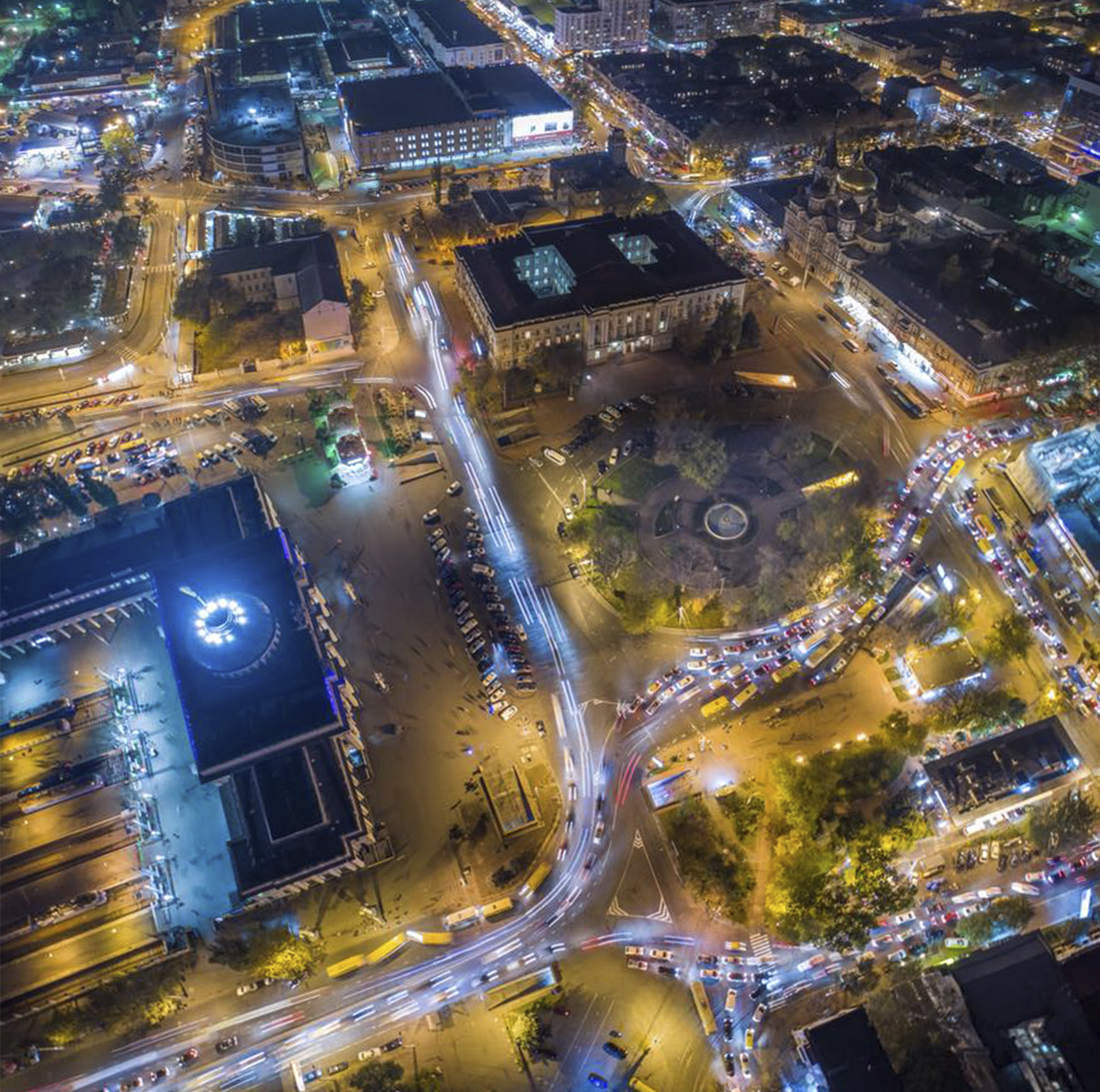
Starosinna Square
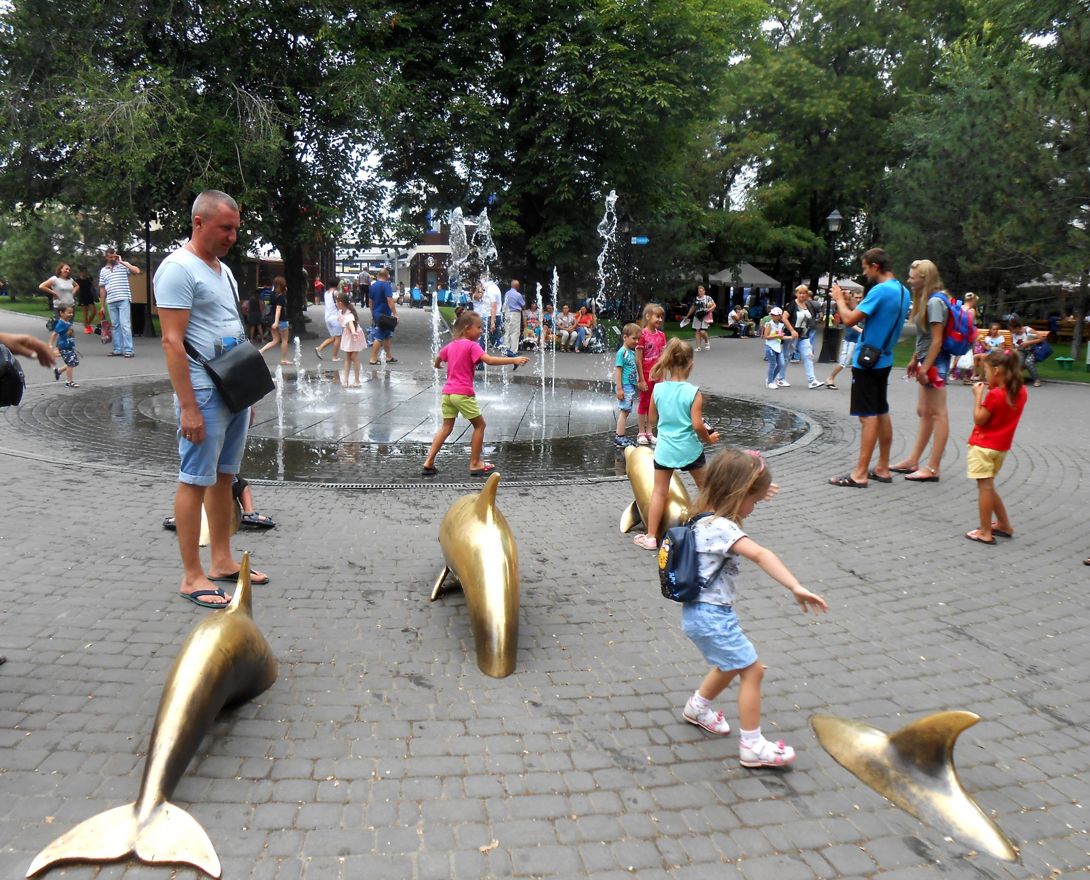
Starosinna Square, one of the oldest squares in the city with a tram loop, was once a place where villagers traded goods and livestock “from wagons.” It also houses the only surviving work of Neapolitan sculptor Joseph Mormone – a composition of two lions opening a passage through the garden. Legend says the sculptor had a cage with a real lion on-site while carving the statues, which served as a model for the stone copies, drawing large crowds to watch the Italian master at work.
From 1923 to 1995, it was known as the Ninth of January Garden.
Since 1995, it has been called Starosinna Square and Starosinna Garden.