Menu Close

State Symbols of Ukraine: The Coat of Arms, the Flag, and the National Anthem

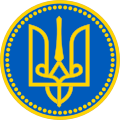
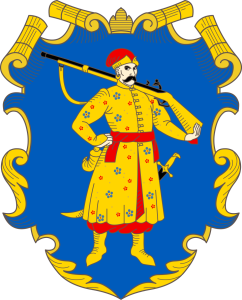
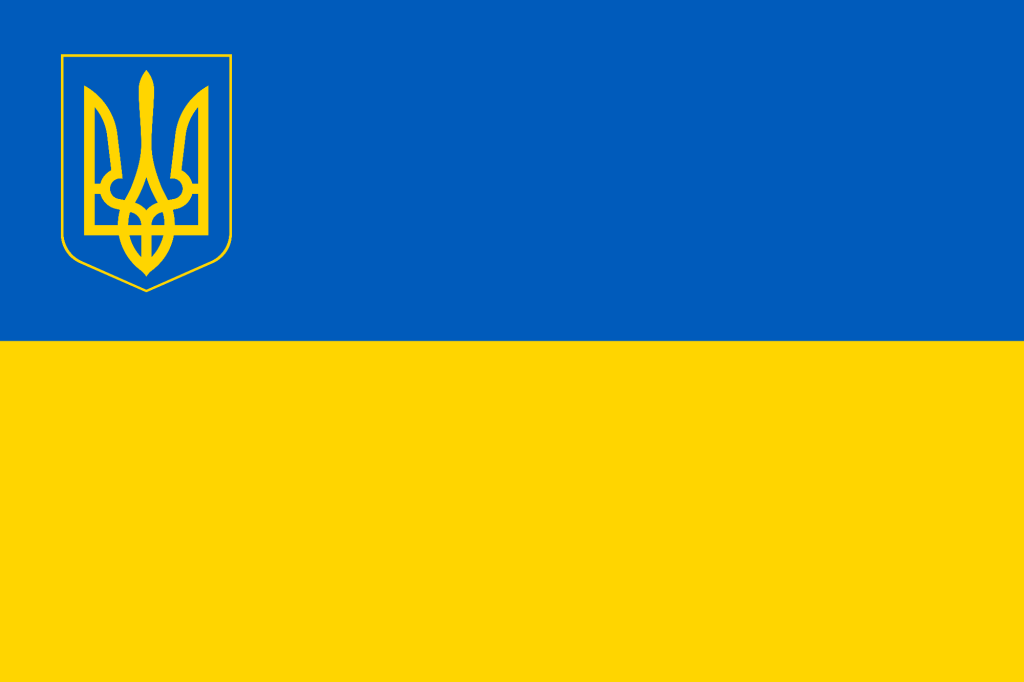
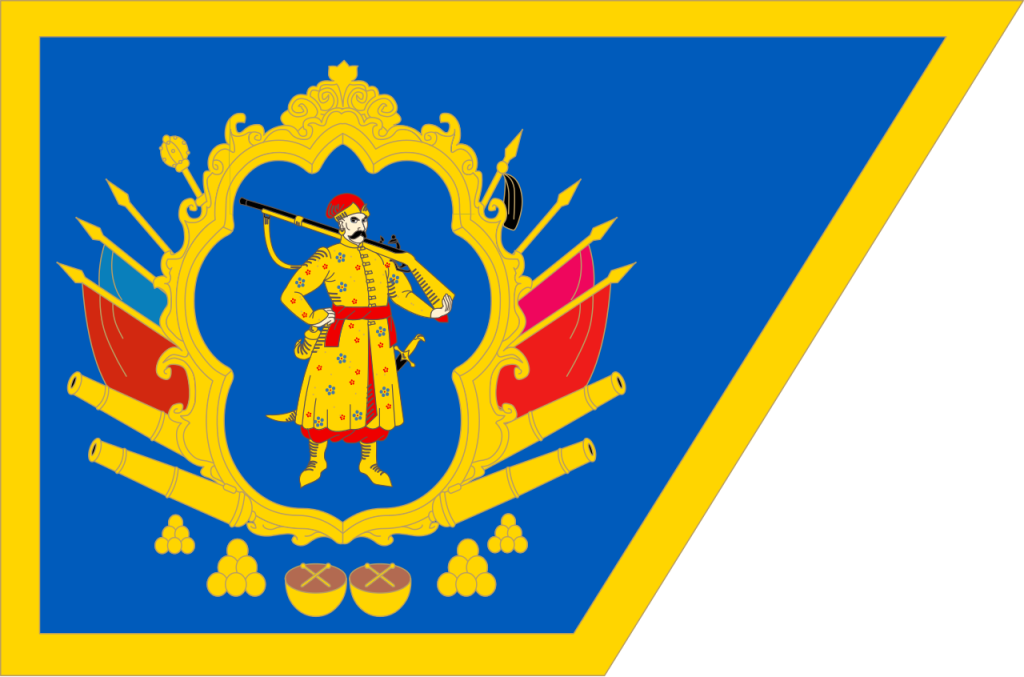
The trident was approved as the Small State Coat of Arms of Ukraine on 19 February 1992 by a Resolution of the Verkhovna Rada of Ukraine (the Parliament of Ukraine), together with its official graphic design. In 1996, its status was enshrined in Article 20 of the Constitution of Ukraine, where it is also referred to as the “Sign of the Princely State of Volodymyr the Great.” According to the Constitution, the trident is to serve as the central element of the Great State Coat of Arms of Ukraine, which must be adopted by a constitutional majority of the Verkhovna Rada of Ukraine (two-thirds of the constitutional composition), taking into account the Coat of Arms of the Zaporizhian Host.
Color Specifications
RGB: blue 0,87,184; yellow 255,215,0
CMYK: blue 100,71,0,0; yellow 2,12,100,0
HEX: blue #0057b8; yellow #ffd700
Websafe: blue #0066cc; yellow #ffcc00
Since ancient times, the trident has been revered as a powerful symbol, a form of protective emblem. Archaeologists have identified this image in numerous cultural artifacts dating back to the first centuries of the Common Era. Known among the peoples of the East and the Mediterranean from the earliest periods, it has been present in the lands of present-day Ukraine since the second century. There are up to thirty theories regarding the origin and meaning of the trident, including interpretations of it as a falcon, an anchor, or a symbol of the tripartite structure of the world.
During the period of Kyivan Rus, the trident served as the dynastic emblem of the Rurik dynasty. Archaeologists have discovered its image on coins, seals, household items, bricks, and wall paintings.
Envoys of Prince Ihor of Kyiv (reigned 912–945), when concluding treaties with the Byzantines, used seals bearing tridents. Prince Volodymyr the Great of Kyiv (reigned 980–1015) minted coins featuring his portrait on one side and the trident on the other. The trident symbolized the division of the Universe into the heavenly, earthly, and otherworldly realms, as well as the unity of the Divine, the Paternal, and the Maternal principles — sacred foundations — and the three natural elements: air, water, and earth.
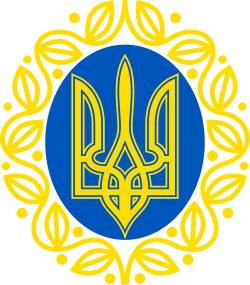
In December 1917, the Ukrainian Central Rada adopted the trident as the coat of arms of the Ukrainian People’s Republic. This decision was effectively approved on 18 January 1918, and on 1 March a law on the coat of arms was proclaimed. In implementation of this law, on 22 March 1918 an official description of the coat of arms was issued, establishing the trident as its central element. The law provided for both a Great and a Small State Coat of Arms, which differed only slightly in composition.
From 22 January 1919, in accordance with the Act of Unification, the trident became part of the regional coat of arms of the Western Region of the Ukrainian People’s Republic. It remained the principal element of the coat of arms of the Hetmanate under Pavlo Skoropadskyi, as well as of the Directorate.
For the first time, the trident was constitutionally formalized as the state coat of arms in May 1920 by the All-Ukrainian National Council. It was reaffirmed on 1 October of the same year by the Government Commission for Drafting the Constitution of the Ukrainian State.
Following the proclamation of independence in 1991 and the factual and legal establishment of Ukrainian statehood, there arose an urgent need for national state attributes and symbols. The continued use of ideologically charged Soviet symbols undermined the authority of the newly independent state. Official events — state visits, diplomatic receptions, and the conclusion of intergovernmental agreements — required the presence of national symbols, including a flag, an anthem, a coat of arms, and an official seal. For a certain period, their absence had to be tolerated. Until the adoption of new state symbols, government bodies, institutions, and organizations continued to use the previous ones.
The establishment of new state symbols took place amid intense political debate. Developments within the country and the rapid expansion of its international relations necessitated the introduction of new symbols even before the relevant decisions were formally adopted by the Verkhovna Rada of Ukraine. On 4 September 1991, the national blue-and-yellow flag was raised above the Parliament building. The same flag was flown during the official visit of the Chairman of the Verkhovna Rada of Ukraine, Leonid M. Kravchuk, to the United States of America and Canada in September–October 1991. On 28 January 1992, the Verkhovna Rada of Ukraine officially approved the state symbols of Ukraine.
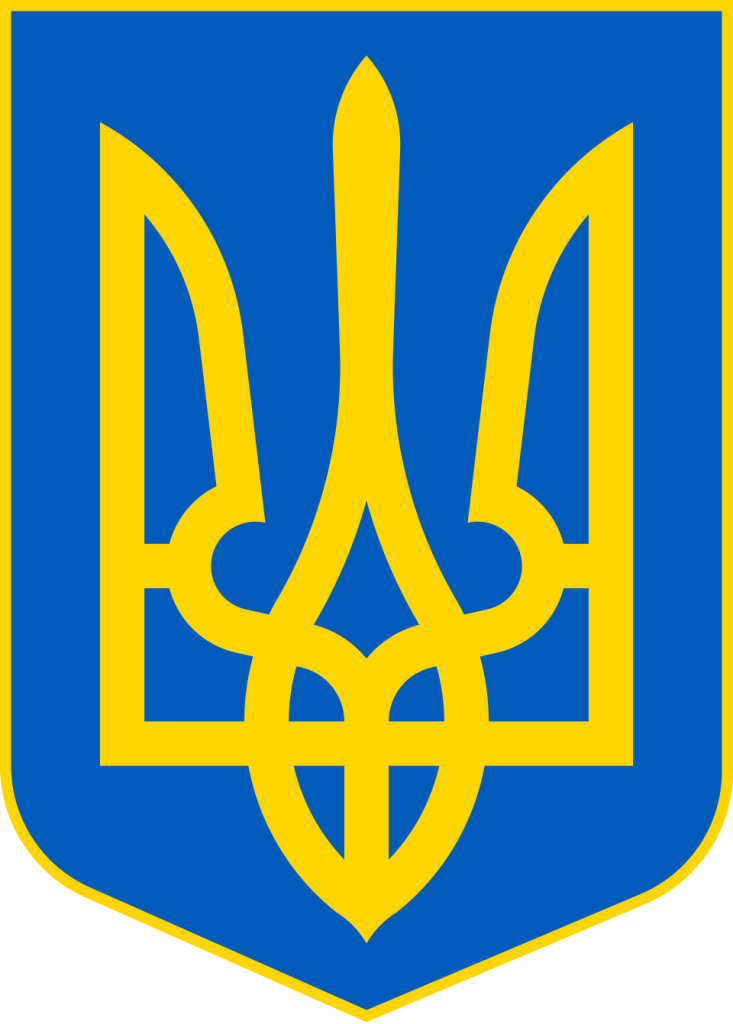
From the time of its approval, the Tryzub (Trident) has been regarded as the Small State Coat of Arms of Ukraine and as the principal element of the Great State Coat of Arms. Article 20 of the Constitution of Ukraine stipulates that the Tryzub is the central element of the Great State Coat of Arms of Ukraine. However, the issue of adopting the Great State Coat of Arms has not yet been finally resolved.
At its session on 24 August 2021, Independence Day of Ukraine, the Verkhovna Rada of Ukraine (the Parliament of Ukraine) supported, in its first reading, a draft law on the Great State Coat of Arms. According to the draft:
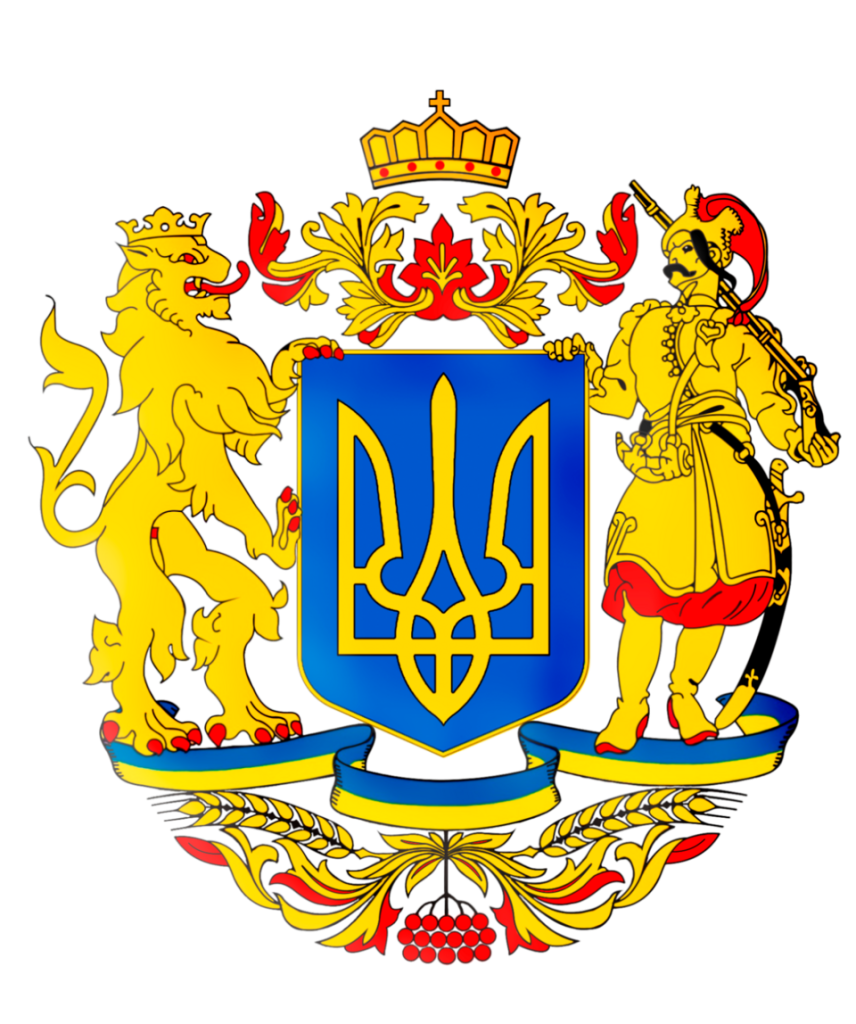
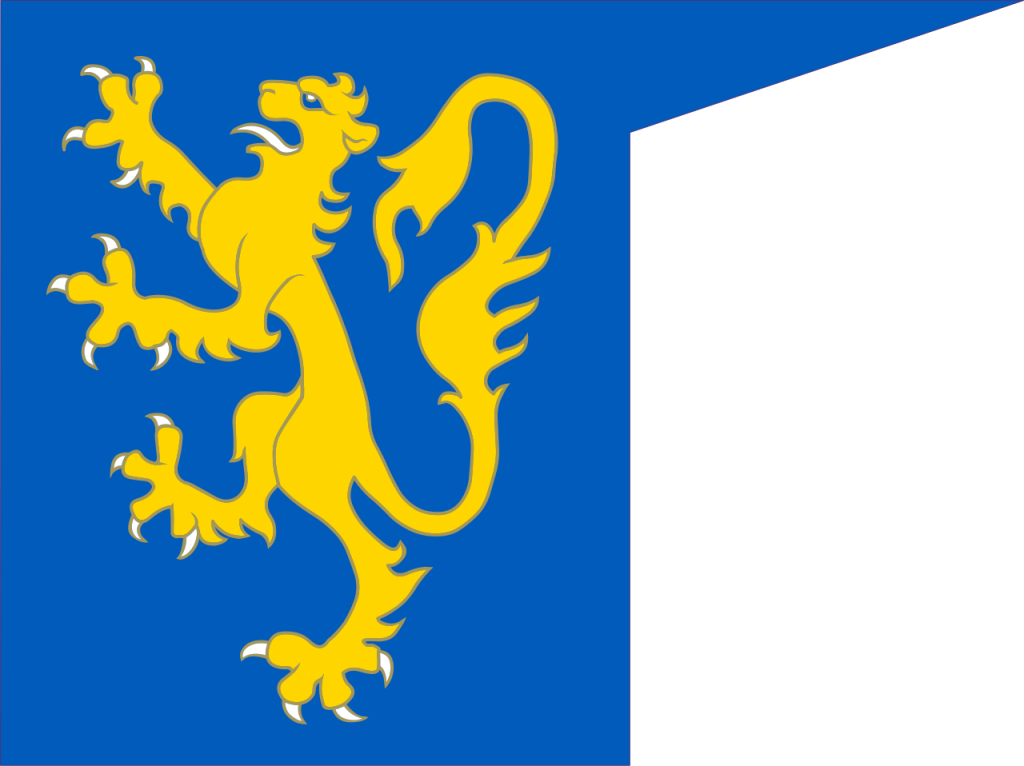
“The State Coat of Arms of Ukraine is a state symbol of Ukraine, the principal element of which is the Sign of the Princely State of Volodymyr the Great (the Small State Coat of Arms of Ukraine) in gold, placed on a blue five-sided shield with rounded lower side corners and a golden border; above the shield is depicted the Grand Prince’s crown of Yaroslav the Wise and a purple-and-gold mantling in the form of a floral ornament; the shield is supported by: on the left, a lion (the coat of arms of the Galicia–Volhynia Principality), and on the right, a Cossack warrior with a musket (the coat of arms of the Zaporizhian Host); beneath the shield is a ribbon composed of two equal horizontal stripes of blue and yellow; below the ribbon are two golden ears of wheat intertwined with a cluster of viburnum berries in purple, with stylized purple-and-gold leaves. The lion and the Cossack warrior are rendered in gold with elements in purple”.
Serhii Yakutovych, Oleksandr Ivakhnenko, Vasyl Mitchenko, Mykola Dmytriienko, and Yurii Savchuk are the authors of the project that won the national competition for the design of the Great State Coat of Arms of Ukraine in 2007–2009.
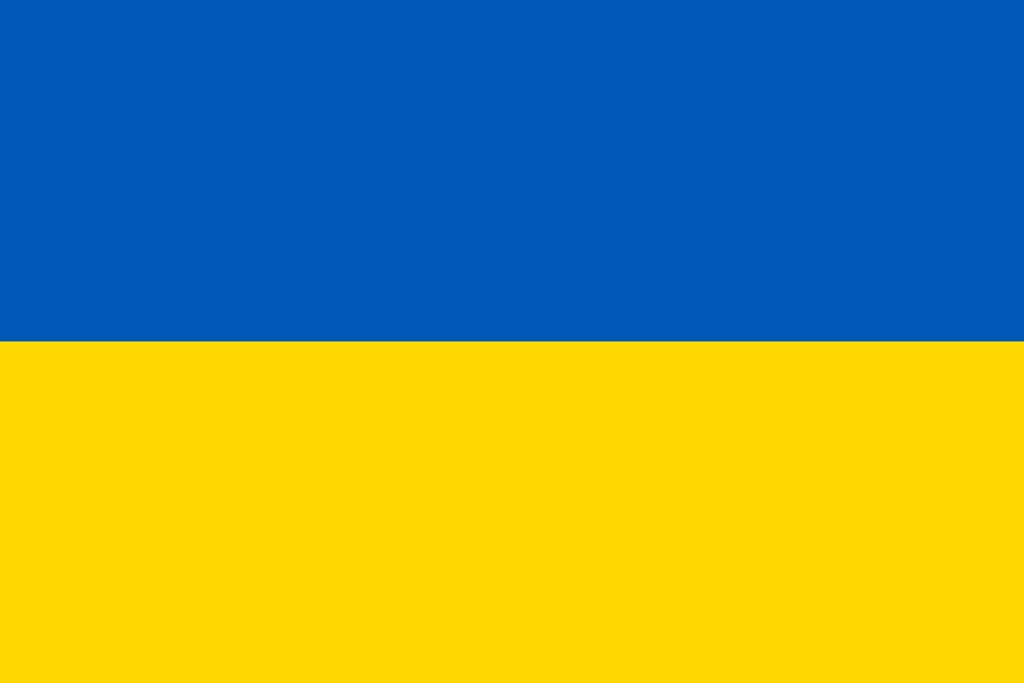
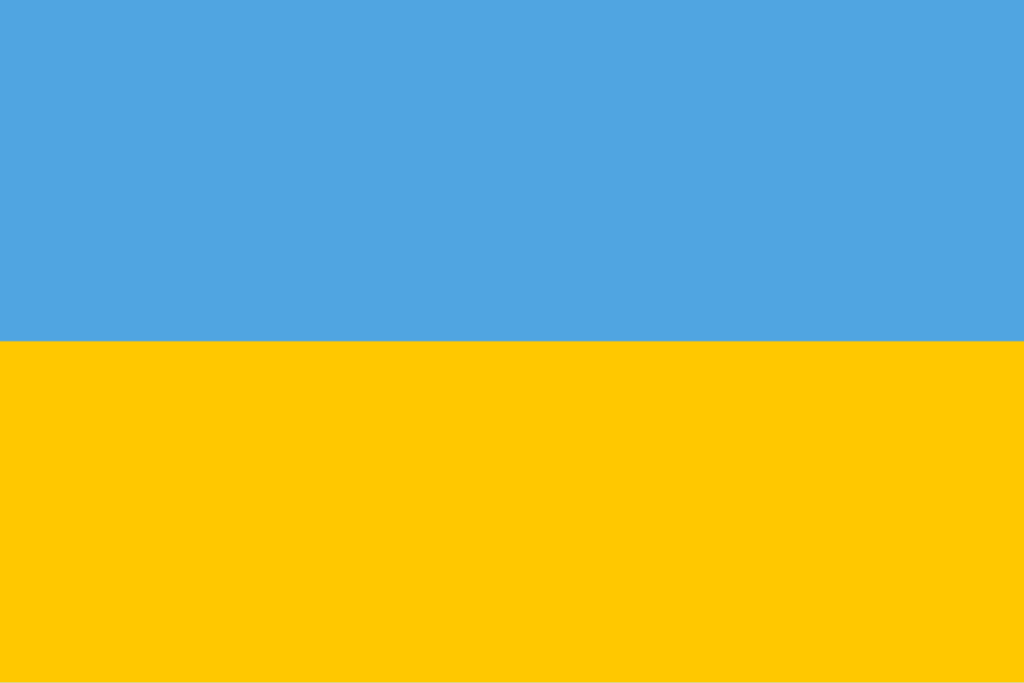
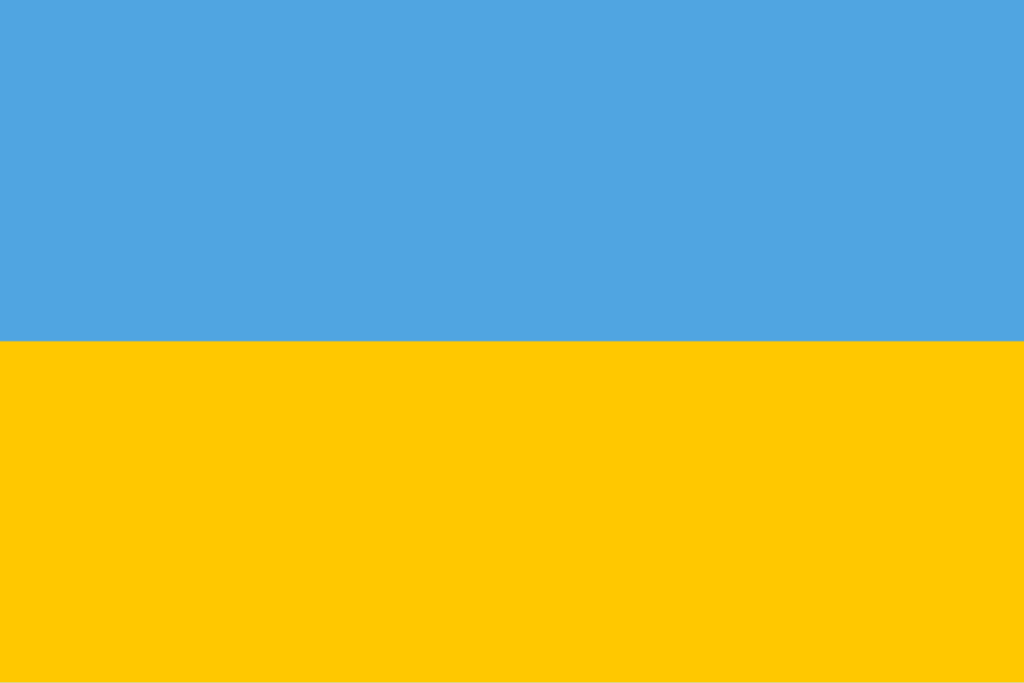
The modern State Flag of Ukraine has a height-to-width ratio of 2:3 and consists of two stripes of equal width. Naval flags follow the same proportional ratio (2:3). When the flag is displayed vertically, the blue stripe appears first (to the viewer’s left), followed by the yellow stripe. The color specified is blue (not light blue), chosen primarily for practical reasons, as lighter shades fade quickly in sunlight.
Color Specifications
RGB: blue 0,87,183; yellow 255,215,0
CMYK: blue 100,52,0,0; yellow 0,2,98,0
HEX: blue #0057b8; yellow #ffd700
Websafe: blue #0066cc; yellow #ffcc00
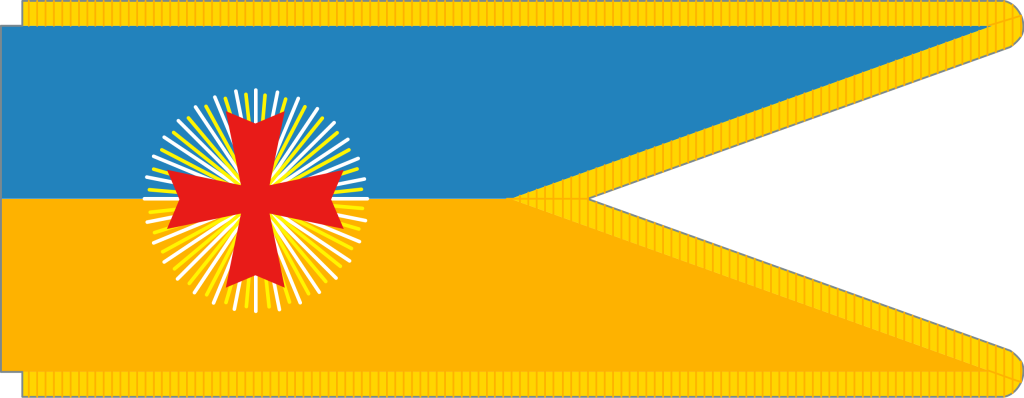
The yellow-and-blue colors symbolized the Kyivan State even before the Christianization of Rus. After the adoption of Christianity, these colors were sanctified through the image of the Life-Giving Cross. Following the invasion of Batu Khan’s Tatar hordes, this symbolism disappeared, but it was later revived in church decorations and in the coats of arms of Ukrainian cities. Almost all coats of arms of cities in the Kyiv region and throughout Ukraine were framed in yellow and blue. Beginning in the eighteenth century, the regimental and company flags of the Zaporizhian Host were increasingly made of blue cloth, upon which crosses, stars, weapons, and figures of saints were depicted in yellow paint.
At the beginning of the twentieth century, a yellow-and-blue flag appeared in Galicia and was adopted by the Ukrainian Sich Riflemen. The yellow-and-blue combination was also used on the flag of the Ukrainian People’s Republic. Under Hetman Pavlo Skoropadskyi, the order of the colors was reversed. On 13 February 1918, the blue-and-yellow flag of the West Ukrainian People’s Republic was approved. In March 1939, the blue-and-yellow banner became the state flag of Carpathian Ukraine.
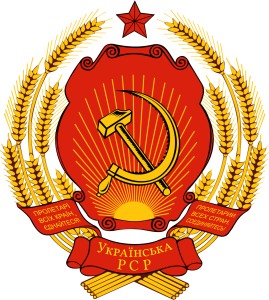
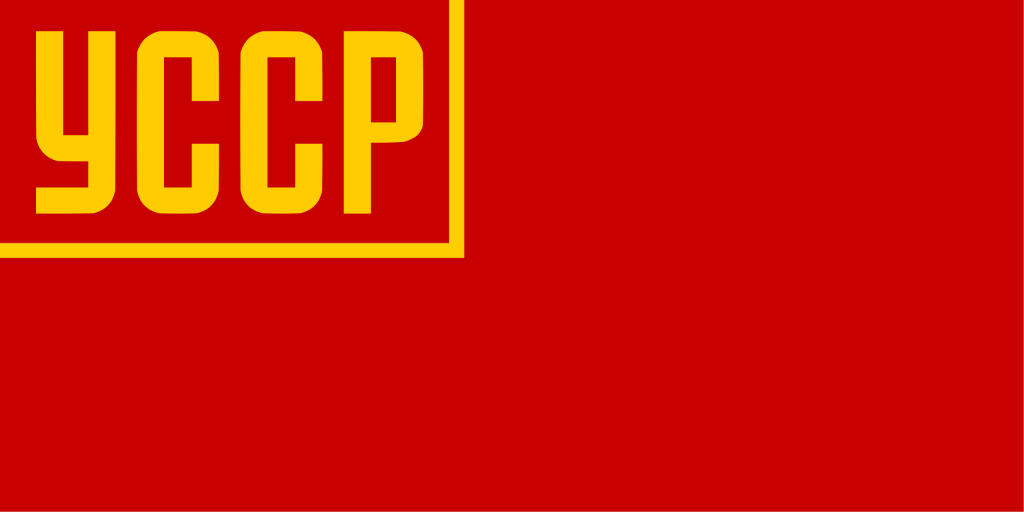
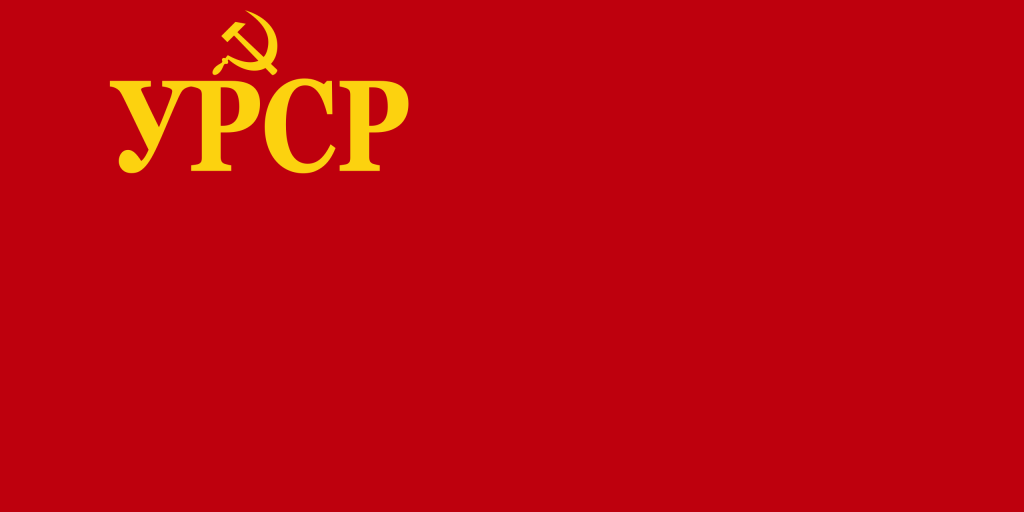
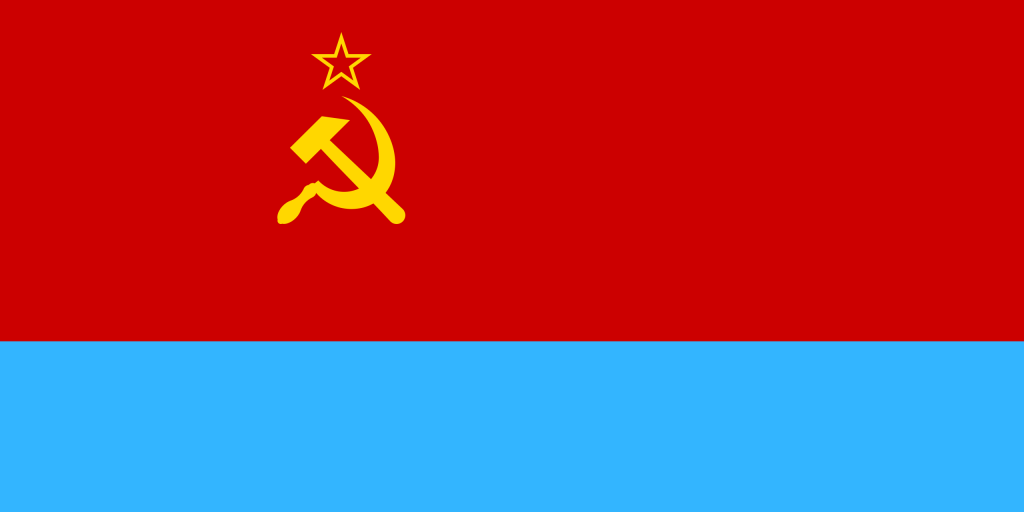
The first flag of the Ukrainian Soviet Socialist Republic (established in March 1918) was red with the golden initials “URSR” (Ukrainian Soviet Socialist Republic) in the upper canton, framed in gold. The border was later removed, and the abbreviation was periodically changed to “USSR” (1923) and “USRR” (1927), reflecting different Ukrainian-language renderings of the name. In 1937, a new flag was created for the republic: red, with the golden hammer and sickle and the initials “URSR.” On 21 November 1949, the Presidium of the Verkhovna Rada of the Ukrainian Soviet Socialist Republic adopted a new design consisting of two horizontal stripes: the upper stripe red (two-thirds of the flag’s width) and the lower stripe azure, with a golden hammer and sickle in the upper section and, above them, a red five-pointed star outlined in gold. The Ukrainian Soviet Socialist Republic did not have separate naval or merchant marine flags.
The issue of national symbols, including the flag, was repeatedly raised by democratic forces in the late 1980s. On 12 December 1989, it was discussed at the Second Congress of People’s Deputies of the Union of Soviet Socialist Republics. On 23 March 1990, the First Session of the Ternopil City Council of People’s Deputies of the twenty-first convocation adopted a resolution on national symbols, one provision of which mandated the raising of the Ukrainian national flag on the city council building alongside the state flag of the Ukrainian Soviet Socialist Republic. On 28 April 1990, similar decisions were adopted by the Lviv Regional Council of People’s Deputies. On 24 July 1990, the blue-and-yellow flag was raised on Khreshchatyk Street near the Kyiv City Council building. According to the official version, on 23 August 1991, following the failure of the coup in Moscow, a group of People’s Deputies carried the blue-and-yellow Ukrainian flag into the session hall of the Verkhovna Rada of Ukraine. The National Flag was consecrated by a priest of the Ukrainian Autocephalous Orthodox Church, Father Petro Boyko. This event is commemorated by Presidential Decree No. 987/2004, issued by President Leonid Kuchma, “On the Day of the State Flag of Ukraine.” That very flag is solemnly preserved under glass in the Museum of the Verkhovna Rada of Ukraine. The following day, Ukraine proclaimed its independence. However, participants in those events cite a different date for the introduction of the flag into the session hall. This is confirmed by the transcript of the extraordinary session of the Verkhovna Rada of Ukraine dated 24 August 1991.
After the proclamation of Ukraine’s independence, the Verkhovna Rada of Ukraine adopted, on 28 January 1992, the Resolution “On Approving the National Flag as the State Flag of Ukraine.”

The creation of the Ukrainian national anthem dates back to the autumn of 1862. The Ukrainian ethnographer, folklorist, and poet Pavlo Chubynskyi wrote the poem “Shche ne vmerla Ukraina” (“Ukraine Has Not Yet Perished”), which was destined to become first the national and later the state anthem of the Ukrainian people. The poem spread rapidly among Ukrainophile circles that had recently united into the Hromada (a civic association of nationally conscious Ukrainian intellectuals). However, on 20 October of the same year, the head of the gendarmes, Prince Dolgorukov, ordered that Chubynskyi be exiled “for harmful influence on the minds of the common people” to reside in Arkhangelsk Province under police supervision.
The poem by Pavlo Chubynskyi was first published in the Lviv journal Meta in 1863 (No. 4). Having gained popularity in Western Ukraine, the patriotic poem also attracted the attention of religious leaders of the time. One of them, Father Mykhailo Verbytskyi, a noted composer, was inspired by Chubynskyi’s text and composed music for it. First printed in 1863 and published with musical notation in 1865, it began to be used as a state anthem in 1917. During the period from 1917 to 1920, “Shche ne vmerla Ukraina” was not formally established by law as the sole state anthem; other hymns were also used.
When the Soviet Union decided to create separate anthems for each of its constituent republics, “Shche ne vmerla Ukraina” was rejected on the grounds that it might provoke excessive separatist sentiment among Ukrainians. A new text was required that would affirm Ukraine as a state within the Union of Soviet Socialist Republics, declaring that it was “among equals equal, among the free free,” and that would explicitly highlight the role of the Communist Party leading Ukraine toward communism. This task was undertaken by the prominent Ukrainian poet Pavlo Tychyna. His version, “Zhyvy, Ukraino, prekrasna i sylna” (“Live, Ukraine, Beautiful and Strong”), became the state anthem of the Ukrainian Soviet Socialist Republic from 1949 to 1991. The music was composed by Anton Lebedynets. However, this anthem never gained broad popularity. At most official gatherings, the anthem of the Union of Soviet Socialist Republics was performed rather than that of the Ukrainian Soviet Socialist Republic.
On 15 January 1992, the musical version of the State Anthem was approved by the Verkhovna Rada of Ukraine, as reflected in the Constitution of Ukraine. However, it was not until 6 March 2003 that the Verkhovna Rada of Ukraine adopted the Law “On the State Anthem of Ukraine,” proposed by President Leonid Kuchma. The law approved as the State Anthem the National Anthem set to the music of Mykhailo Verbytskyi, with the lyrics consisting only of the first verse and the chorus of Pavlo Chubynskyi’s song “Shche ne vmerla Ukraina.” At the same time, according to the President’s proposal, the opening line was amended to read: “Shche ne vmerla Ukrainy i slava, i volia” (“The glory and the freedom of Ukraine have not yet perished”). The law was supported by 334 People’s Deputies, while 46 voted against out of 433 registered for voting. The factions of the Socialist Party and the Communist Party did not participate in the vote. With the adoption of this law, Article 20 of the Constitution of Ukraine acquired its final form. The National Anthem set to the music of Mykhailo Verbytskyi thus received lyrics officially approved by law.