Menu Close

Gastrotourism (producers of local food products). Southern Ukraine

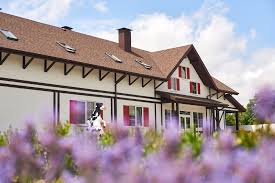
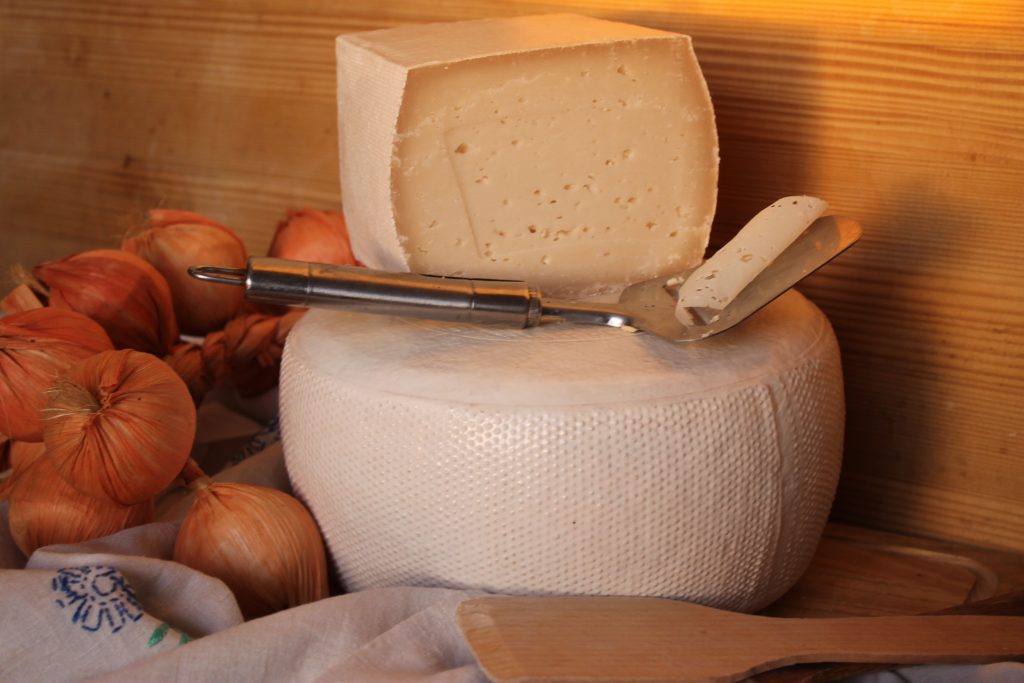
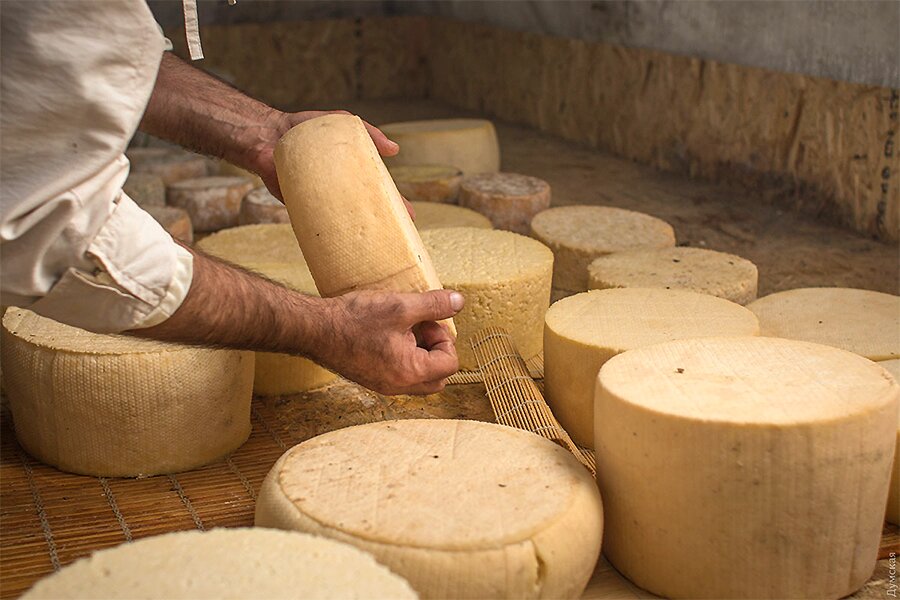
“The European Cheesery” is located in a picturesque corner of the Odesa Region, in the village of Shabo, a historic settlement founded by Swiss colonists. In this area, rich in tradition and renowned for its extensive vineyards and distinguished wines, exceptionally flavorful cheese is also produced according to carefully developed proprietary recipes.
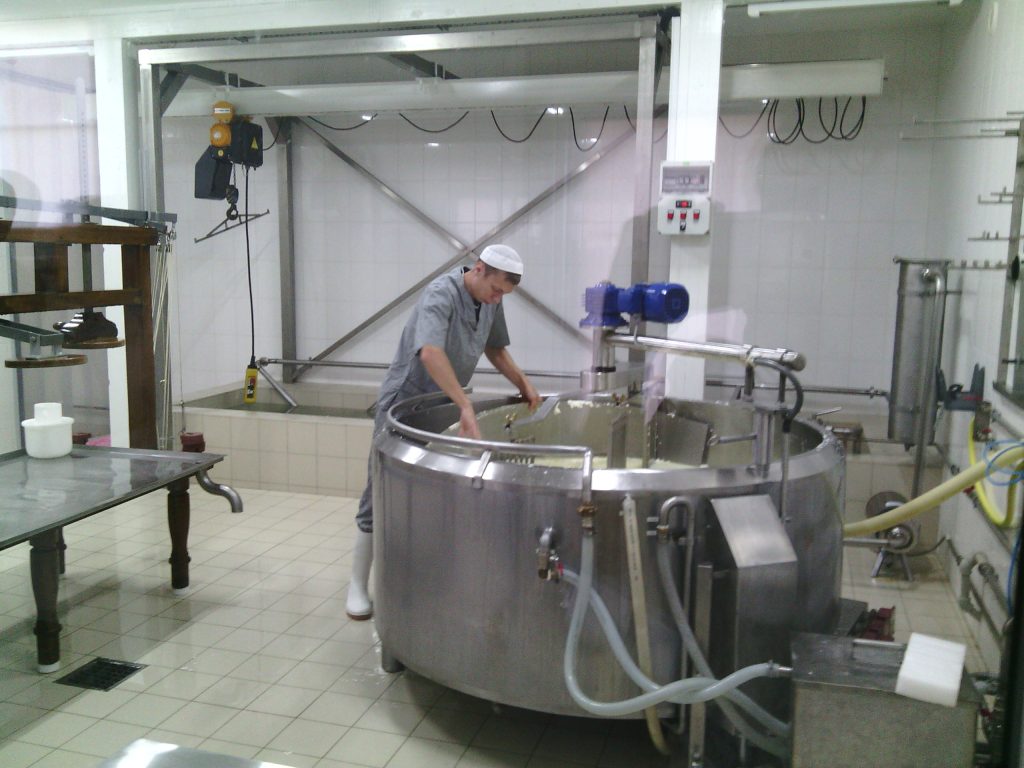
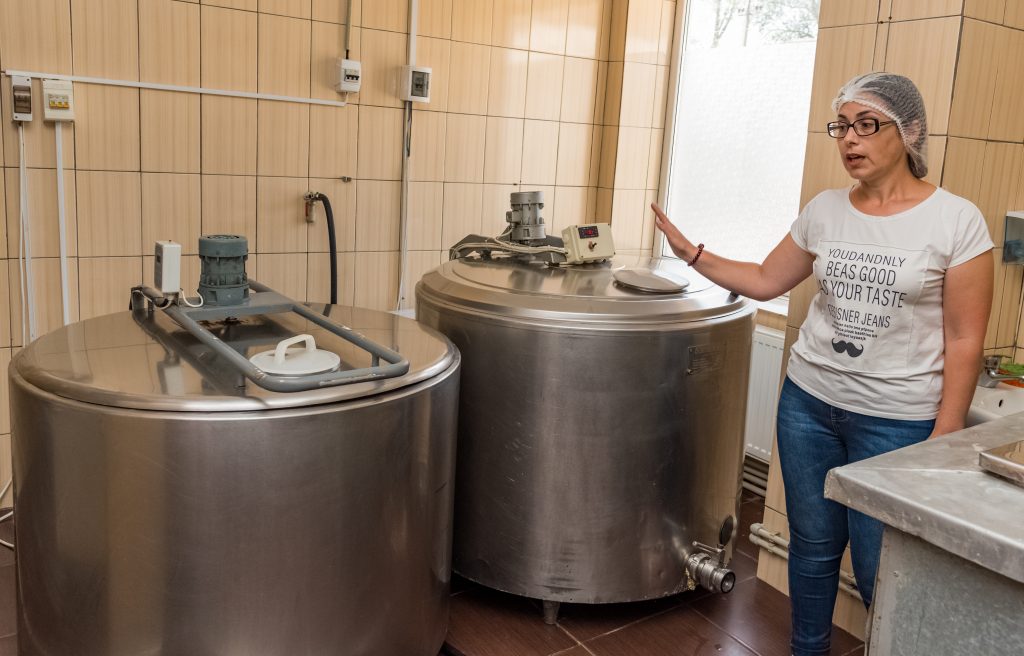
The cheesery was built in accordance with European standards and is equipped with state-of-the-art machinery imported from the Netherlands. Here, cheese is crafted using authentic Dutch technologies by some of the most skilled master cheesemakers in Ukraine.
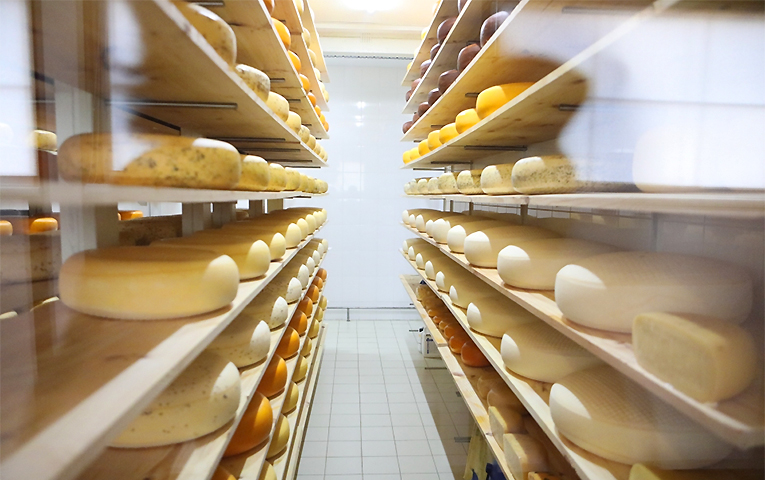
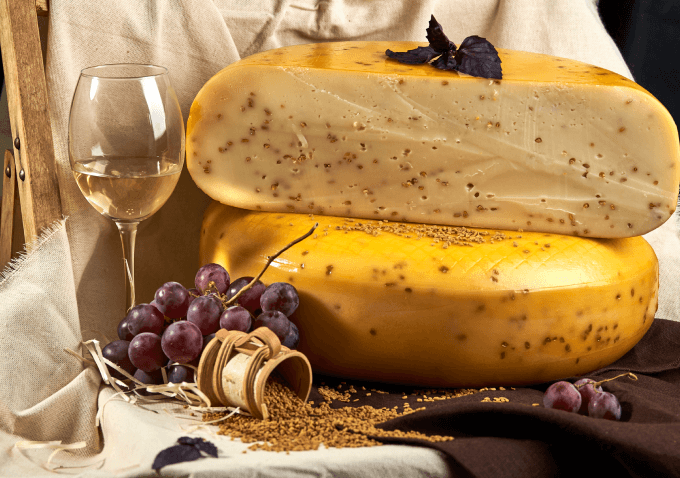
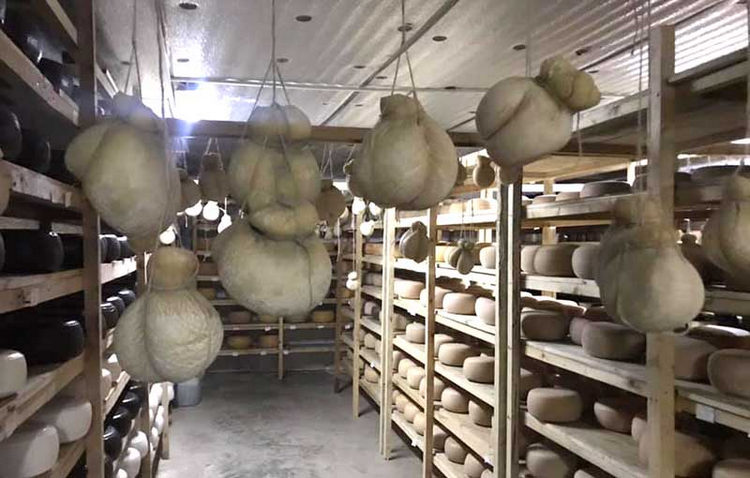
Exclusively live Dutch starter cultures are used in production, imparting a distinctive character, refined texture, and delicate, well-balanced flavor to each variety. The use of latex and paraffin coatings ensures proper maturation, allowing the cheese to age correctly while maintaining optimal breathing conditions.
The cheesery operates a fully integrated production cycle, from the cultivation of animal feed to the processing of raw milk and the creation of the final product: premium-quality cheese.
Every stage of the cheesemaking process is subject to rigorous quality control, from the inspection of incoming raw materials to the finished products offered in the branded retail store. This comprehensive system ensures consistently high standards of both product quality and customer service.
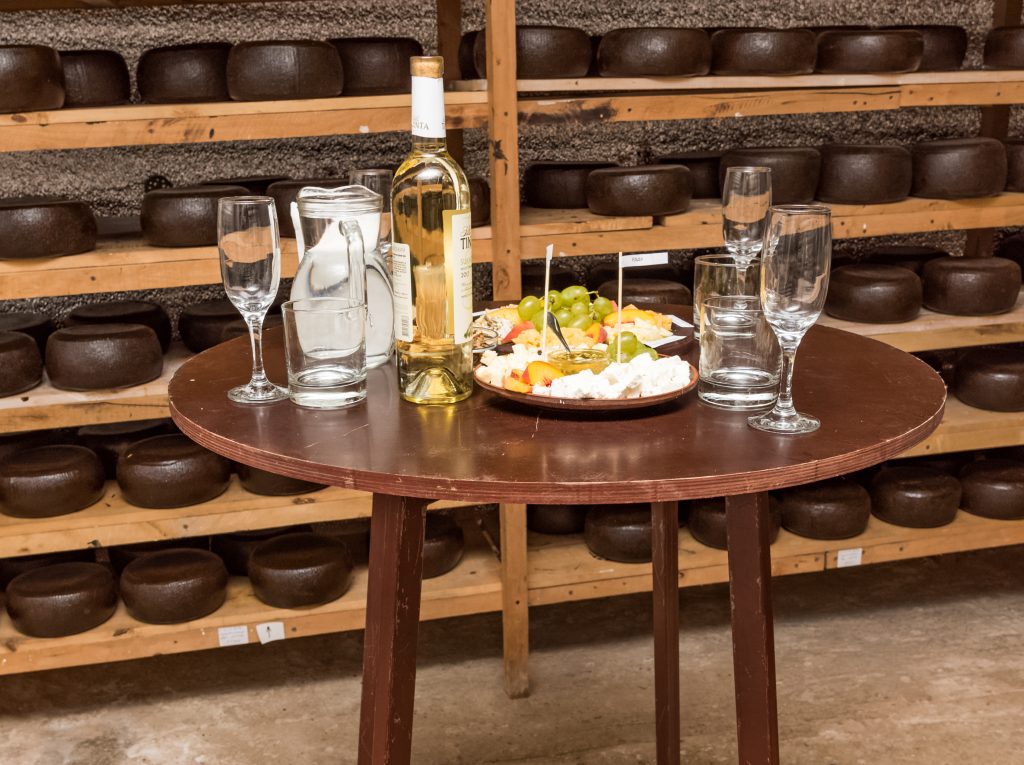
The cheesery organizes engaging guided tours during which visitors are introduced to the production process and the craft’s key techniques, followed by tastings of the finished cheeses.
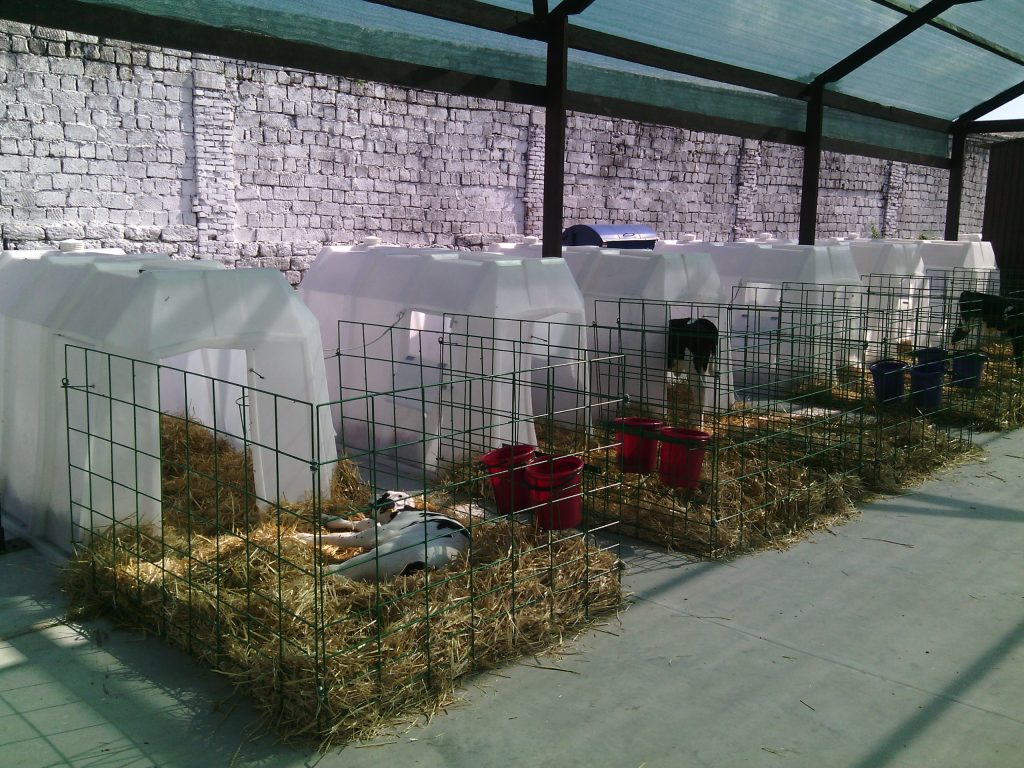
The grounds feature a children’s playground, comfortable relaxation areas, and a small animal enclosure where guests may feed the animals and receive detailed information about their care. A shop is also available, offering visitors the opportunity to purchase organic cheeses of their choice as well as souvenir products.
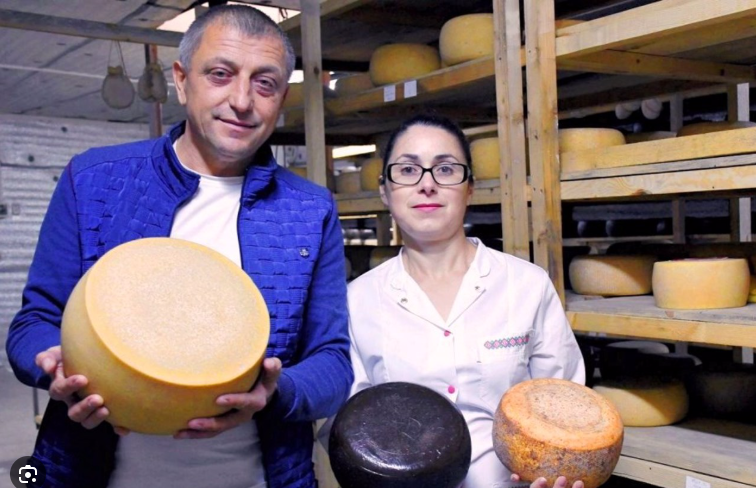
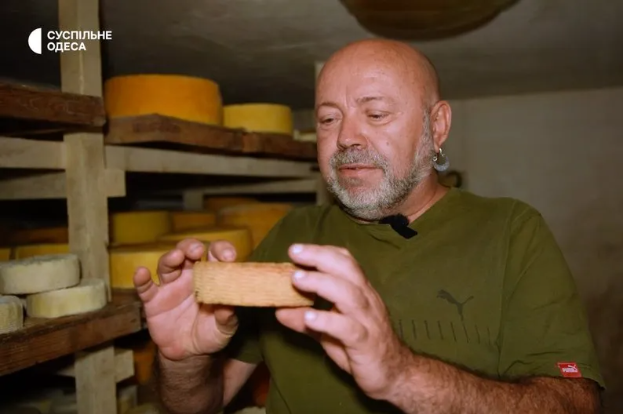
Cheese factory “Shchedra Okolytsia” is a small experimental family production with modern equipment and its own cheese cellar. The company is engaged in the manufacture of traditional and original cheeses, dairy products. The cheese factory is located in a unique place – at the base of one of the famous Traianovy Val in the village of Tabaky on the outskirts of Bolhrad. Within the framework of the project “The Road of Wine and Taste of Ukrainian Besarabia”, the founders of the enterprise Halyna and Petro Kurdovs aim to preserve and popularize traditional Besarabian cheeses, restore forgotten recipes.
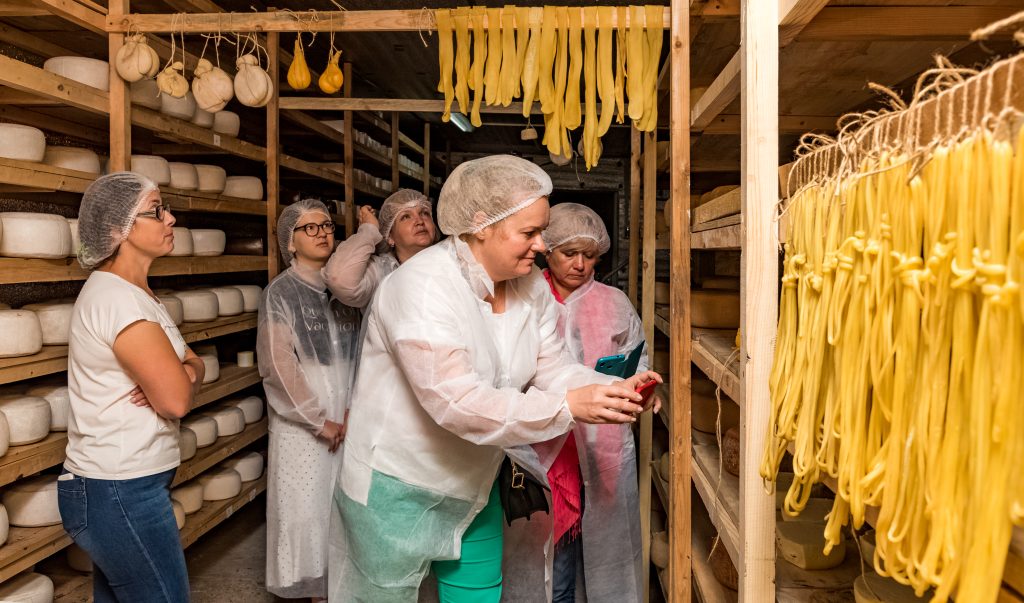
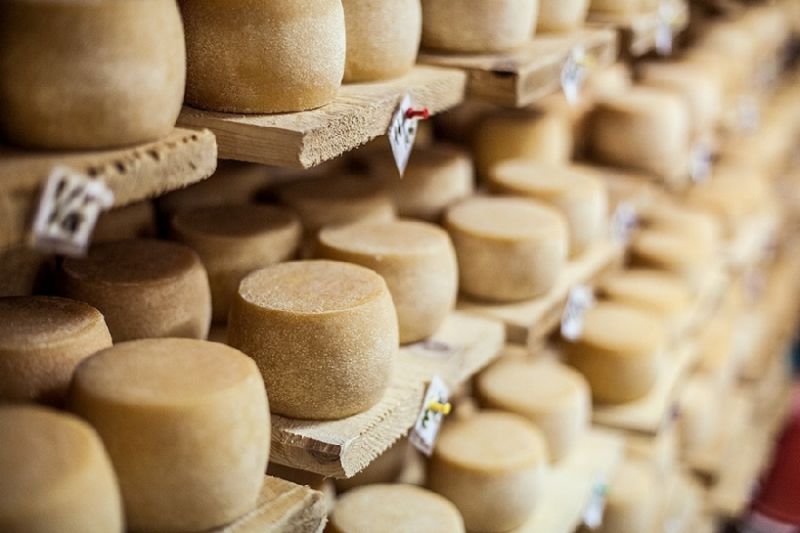
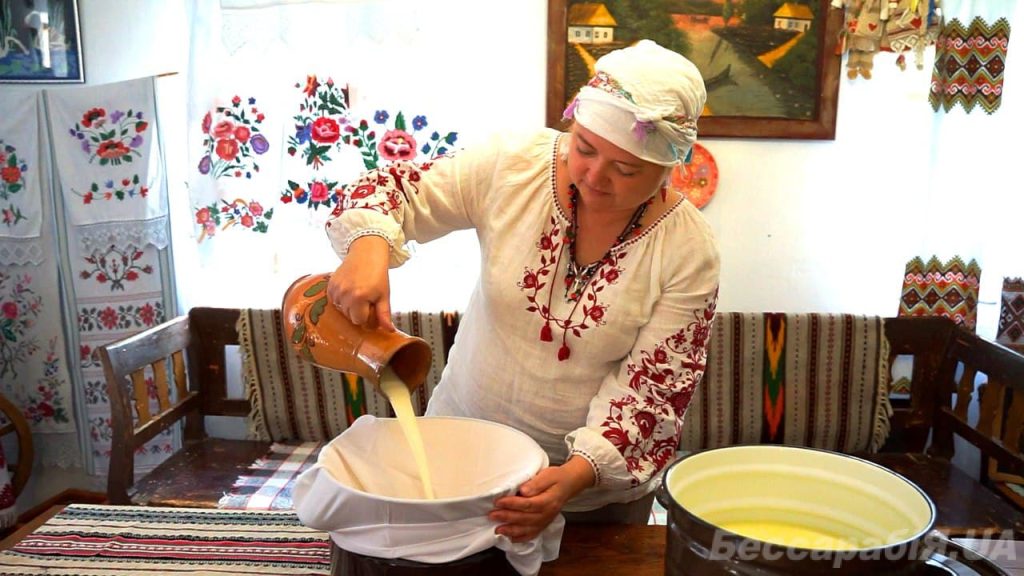
Excursions to the cheese factory include visits to production workshops and basements where cheeses ripen in the cold. Guests are shown the production process of cheese making, during which all operations are carried out manually. After the tour, guests can be offered a tasting of finished products and master classes on the production of traditional cheese.
The organic artisanal cheesery “Lichtenfeld” is a family brand from Odesa that has been producing what its founders call “real” cheese for approximately nine years. Its owners, Oleksandr and Olena Dobrozhanski, a married couple originally from Odesa, relocated to the Odesa Region after the outbreak of the war in the Donbas region of eastern Ukraine. They settled in the village of Kudriavka, where they later established their own small-scale farm.
The name of the brand was not chosen by chance. Until the beginning of the twentieth century, German colonists lived in this area, and their settlement was called Lichtenfeld. A neighboring village now bears the modern name Yasnopillia, which, when translated from German, corresponds precisely to the name Lichtenfeld.
The decision to establish their own artisanal cheesery was shaped by several factors. The birth of their daughter prompted the couple to reassess their established views on life and to recognize that the quality of the food and the environment in which they were living did not meet their expectations.
Oleksandr had previously worked for many years in marketing and in the retail food chain sector. He understood clearly that consumers have no reliable means of determining product quality based solely on packaging or taste. As he noted on the company’s website, food manufacturers have reached such a high level of technological sophistication that even professional tasters are sometimes unable to detect counterfeit products.
In 2014, Oleksandr volunteered for military service at the front. After returning from active combat operations, he decided to leave urban life in Odesa. Despite a successful career prior to the war and ownership of two apartments in the city, he chose a quieter life centered on family.
“War puts all values in their proper place. I realized that living with my family every hour of every day is more valuable than thousands of dollars in salary. I want to wake up beside my wife and live without constant haste. That is why we decided not to return to our apartment in Odesa, but instead to build our life in the village,” Oleksandr explains.
Oleksandr describes his cheeses as “robust.” His storage facilities hold approximately two and a half metric tons of product, ranging from cheeses smoked over cherry wood chips to aged Cheddars that crumble in the manner of Parmesan.
“I never know exactly what kind of cheese will emerge when I pour milk into the vat. I sense the character of the curd, and everything influences it, from air pressure to the cheesemaker’s state of mind,” he says.
Some of his recipes were learned from shepherds in Catalonia, while others were acquired in Switzerland, France, Italy, and the Netherlands.
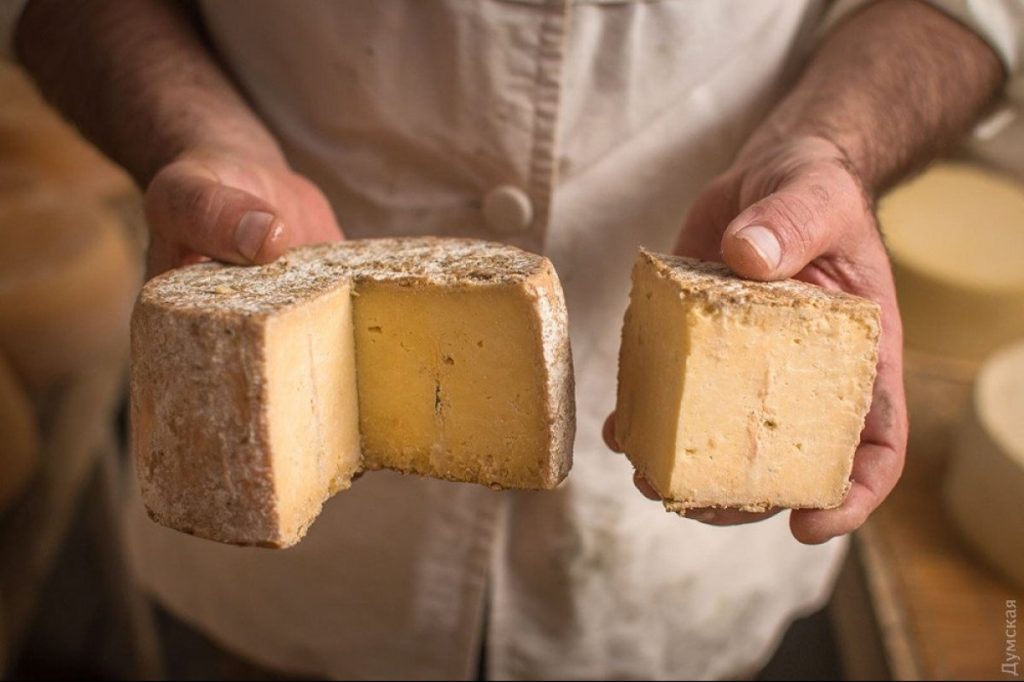
“We produce only two categories of cheese: hard cheese and blue cheese. Milk in the morning, cheese in the morning. No refrigeration, no stabilizers, no calcium chloride. The way it was made three hundred years ago,” the cheesemaker explains.
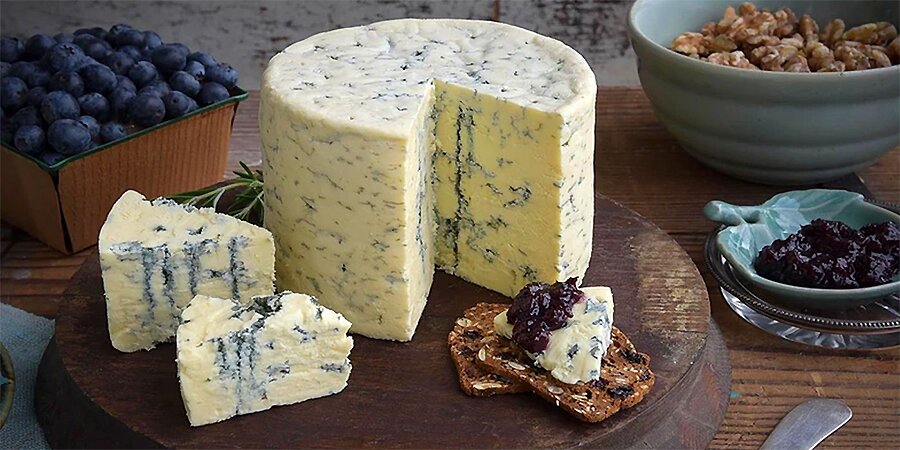
Although the initial plan was to focus on major metropolitan markets, Oleksandr’s principal customers ultimately became residents of villages and small towns. Blue cheeses have proven to be the best-selling products.
“Ukrainians are gourmets. They understand flavor. The first surprise for me, as someone accustomed to analysis and forecasting, was that blue cheeses sell better than hard cheeses. The second was that sales are stronger in small towns and villages than in large cities,” he admits.
Products of the Lichtenfeld Farm
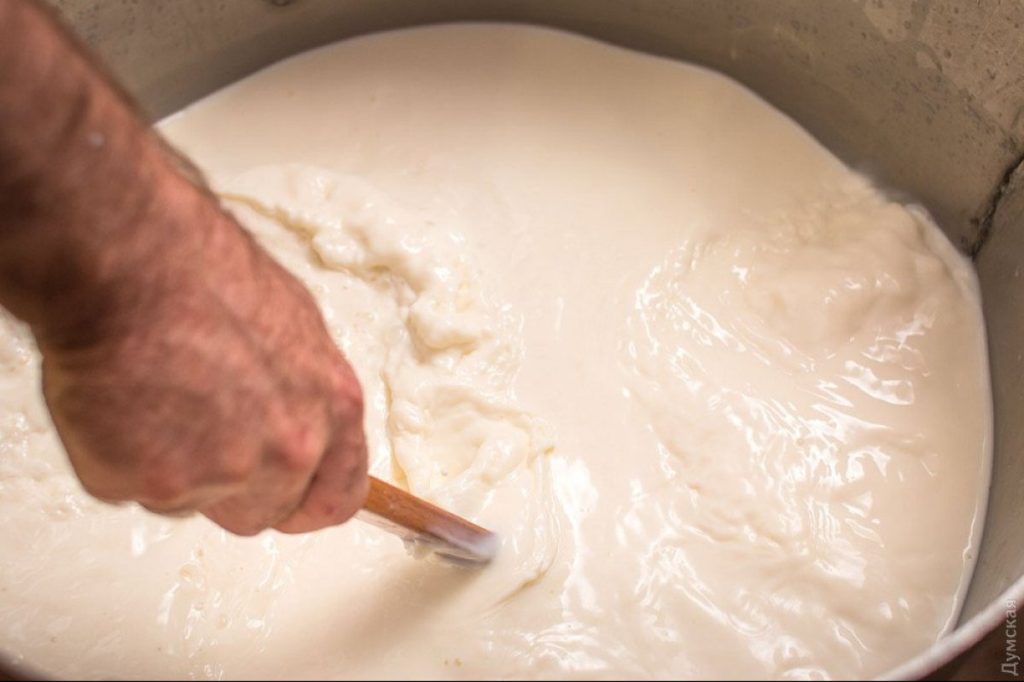
As the producer states on the official website, all products are made by hand and contain no preservatives, no vegetable fats, and no flavor enhancers. Cheese production relies solely on the cheesemaker, a copper cauldron, a stirring paddle, milk, professional experience, and creative inspiration.
Each product contains only the ingredients listed in its composition. The farm produces cheese exclusively from fresh milk, starter cultures, natural calf rennet, and salt. For example, the composition of Lichtenfeld cheese includes whole milk, Emmentaler starter cultures, natural rennet ferment, and salt.
The farm’s principal products are cheeses. Cow’s milk cheeses are crafted using various technologies of differing complexity and in accordance with the traditions of European cheesemaking schools. In total, ten varieties of cow’s milk cheese are produced, including Cheddar, Ramses, Montblanc, Lichtenfeld, Cabernet, Yaroslav, as well as blue cheeses such as Combazzola, Albion, Weinekäs, and others. The farm also produces five varieties of goat cheese made from natural goat’s milk.
In addition to cheese, the shop offers natural butter products, including clarified butter, nourishing Ayurvedic ghee, and cultured butter made from whole farm milk and rich in probiotic cultures. The ассортимент also includes strong alcoholic and non-alcoholic beverages, such as absinthe, bourbon, gin, schnapps, and others, as well as the farm’s own May honey.
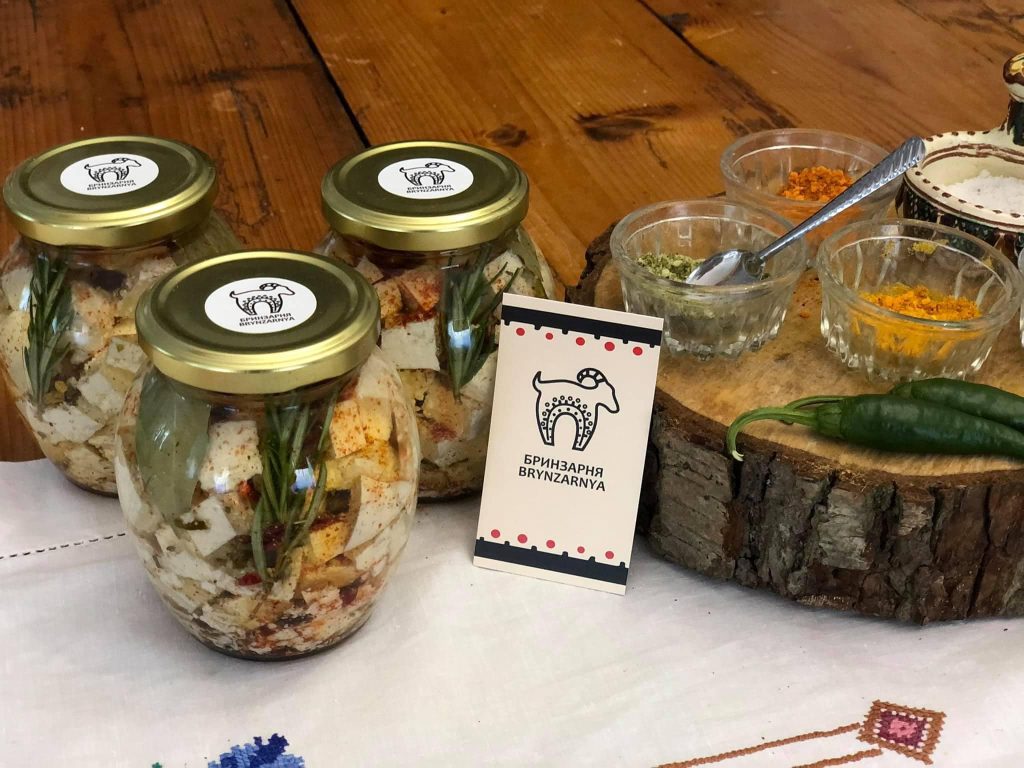
Brynzarnia and the eco-hotel “Kuba-Daleko” are located on the territory of the Danube Biosphere Reserve, near the resort area of the village of Prнmorske, near the town of Vylkove on the canals in the Danube Delta. The complex is part of the culture of multinational Bessarabia, with its love for nature and the ability to enjoy life with all its gifts – the sun, clean air, communication with our “smaller brothers”, and, of course, delicious food.
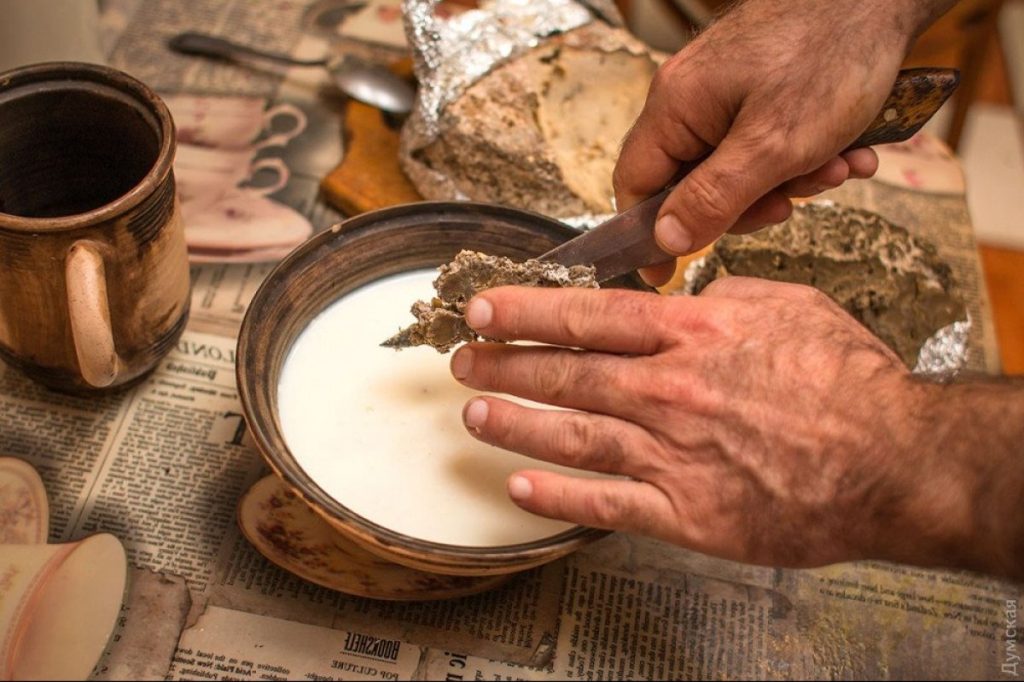
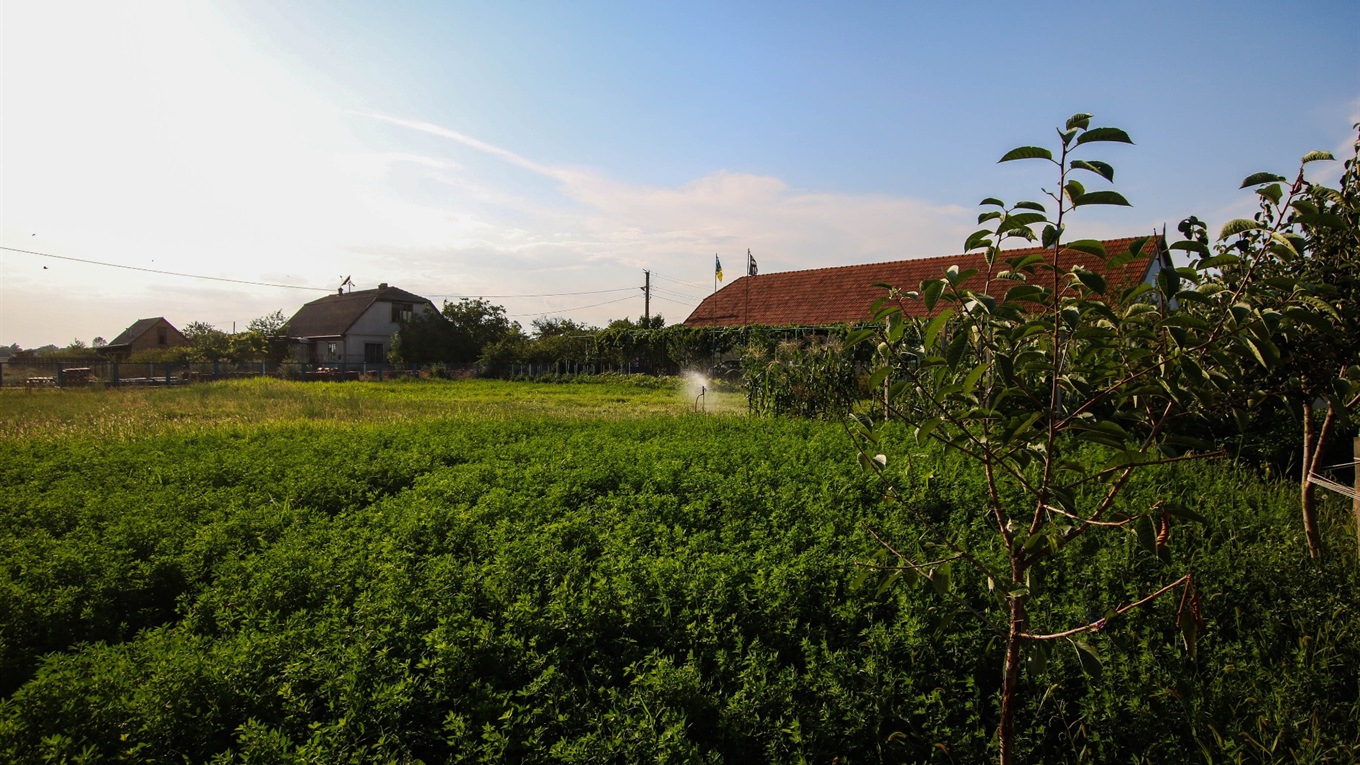
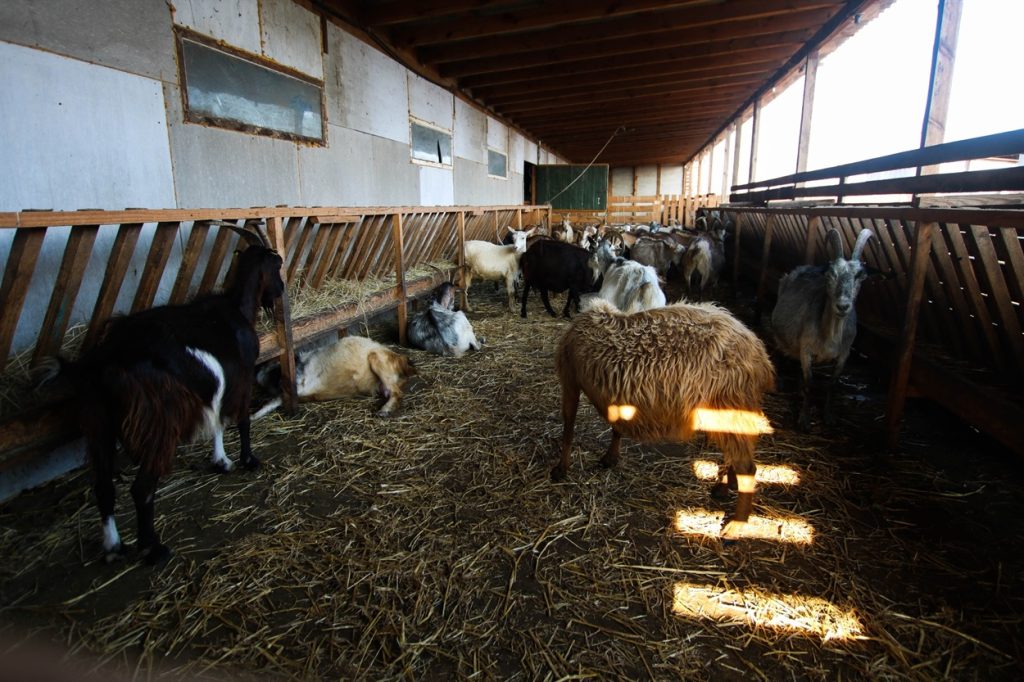
Brynzarnia has its own goat farm where high-quality feta cheese is produced. The best conditions have been created here for the production of high-quality goat cheese, which is traditional for this area, and for recreation in an ecologically clean place. Goats are kept on free grazing near protected areas with clean air and soils without chemicals.
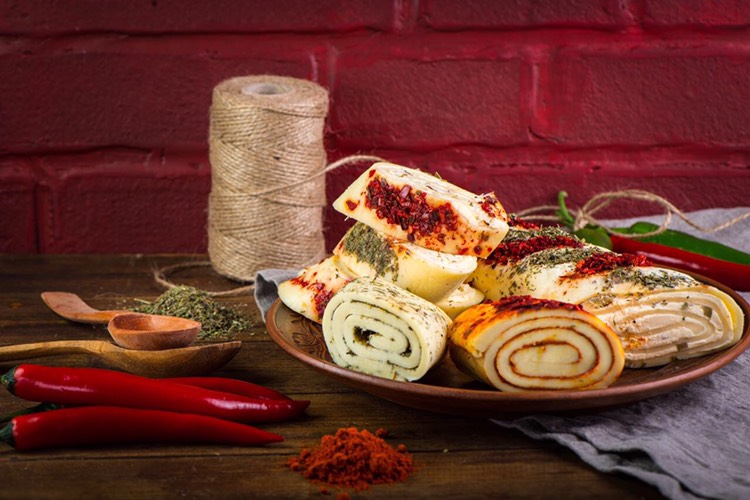
Brynza is a product that unites local people. It is very useful: it contains a lot of calcium and phosphorus, easily digestible protein and vitamins, while its calorie content is only 260 kcal. The owners constantly experiment with it – they mix it with herbs, soak it in wine.
n the city of Bilhorod-Dnistrovskyi, the artisanal cheesery “LILION CHEESE” has been successfully operating and steadily developing for several years. Recently, its owner, Liliia Molodan, completed an intensive training program in business development organized by the Regional Development Agency of the Odesa Region within the framework of the project “The Artisanal Workshop of the Odesa Region: The Path to Growth”.
As a result of participating in this program, the cheesery became the winner of the competition “From Craft to Brand” and received an updated brand book, redesigned packaging, and professional product photography.
“This gave the brand a fresh breath of life and opened the way to a broader audience,” representatives of the Regional Development Agency explained.
The cheesery was founded in 2022 in the courtyard of the Molodan family home. Prior to that, the family operated their own farm and for more than ten years produced cottage cheese, brynza (a traditional brined cheese), sour cream, cream, and butter. However, one day everything changed, and Liliia began making cheese by hand.
“One day I tried to produce a truly authentic semi-hard cheese, and it turned out well. My family loved it. The children were delighted that we always had cheese for sandwiches and pizza, and that is how I began making cheese. Gradually, admirers of our little cheeses began to appear. This inspired us even more, and we decided that the time had come to build a proper cheesery, fully equipped and comfortable to work in. Step by step, we purchased everything we needed, and now our own cheesery stands in our courtyard, while our cows remain under the constant supervision of my husband, who is a veterinarian,” Liliia shared on the cheesery’s website while recounting the story of its founding.
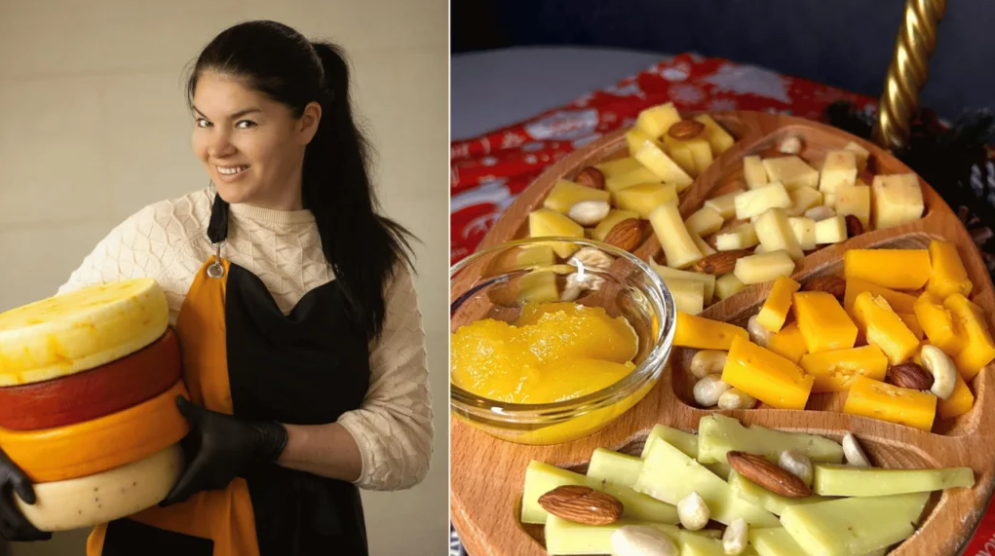
Today, she produces more than fifty varieties of cheese. The assortment includes a wide range of artisanal products, from delicate fresh cheeses to denser aged varieties, as well as original signature creations distinguished by balanced flavors and unexpected aromatic notes.
“LILION CHEESE” is a story about faith in one’s work, the warmth of skilled hands, and the authenticity of flavor. Here, the pursuit of scale is not the goal. Instead, the chosen path is that of honest craftsmanship, where quality and confidence in the product remain the highest values. Producers such as this shape the artisanal potential of the Odesa Region, preserving its authenticity and creating products with character and soul,” representatives of the Regional Development Agency emphasized.
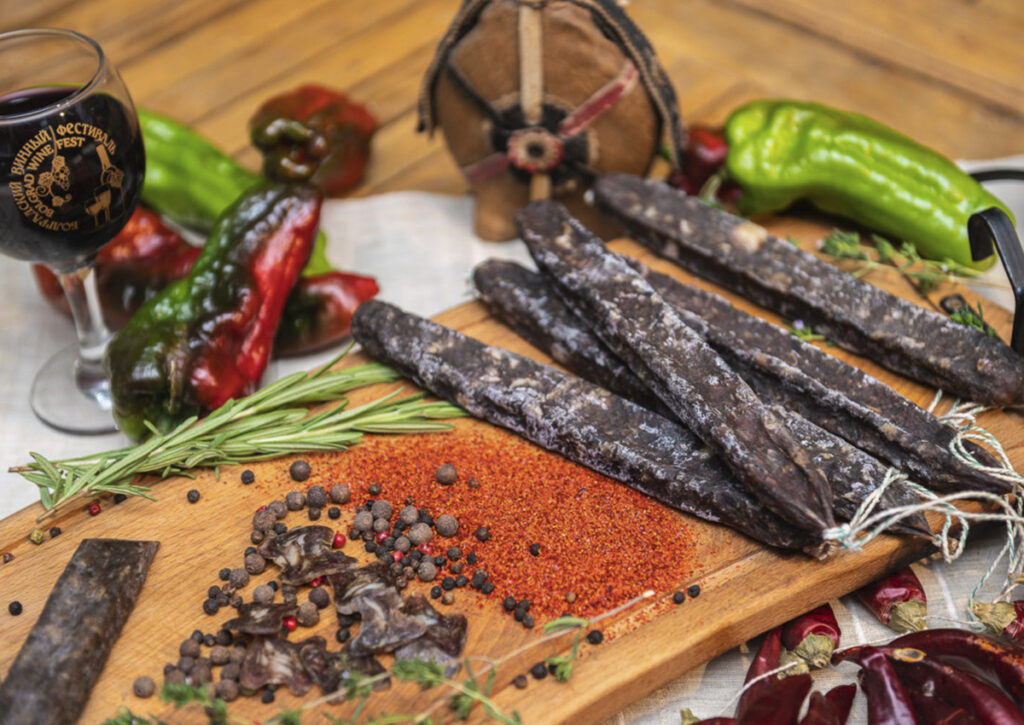
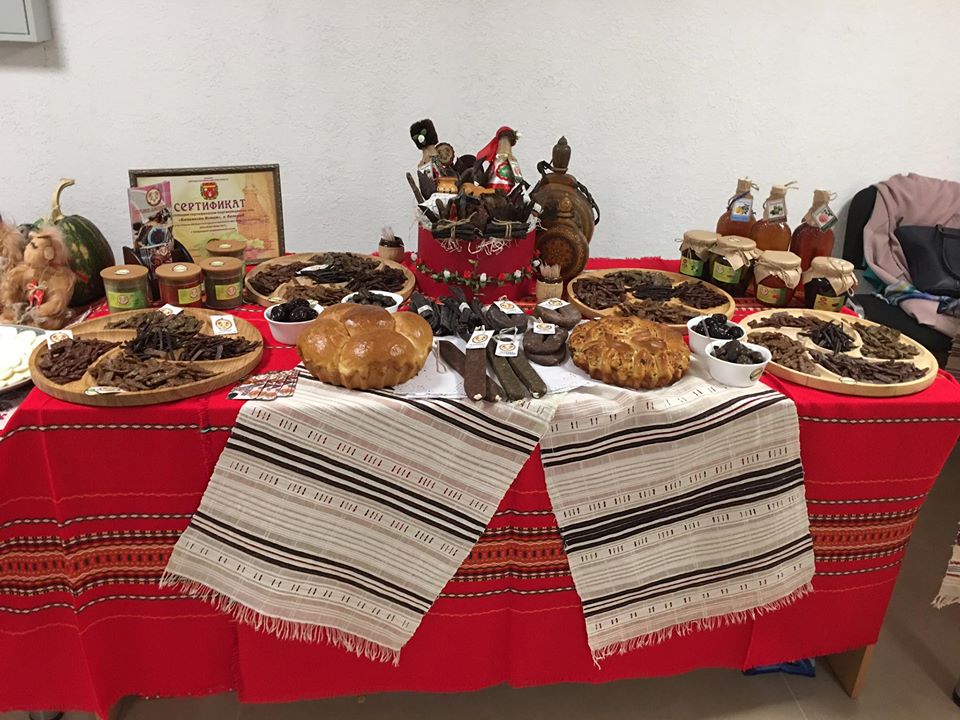
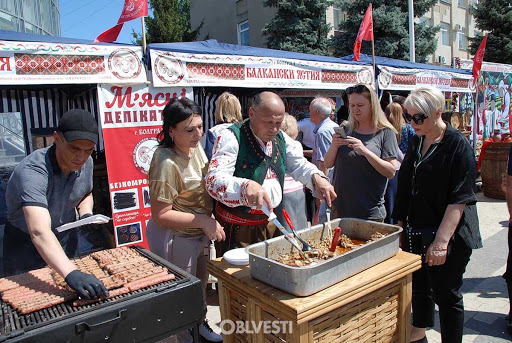
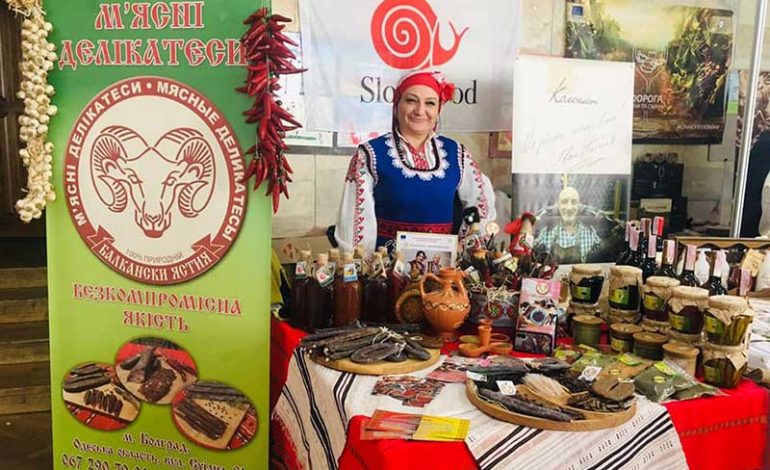
Family production of meat delicacies “Balkansky Yastia” in Bolgrad is a mini workshop that provides all stages of the production of dry-cured sausages and meat delicacies from natural raw materials. The company was founded by the Besarabian family of Sergei and Natalia Rusevs. Products are made according to ancient Balkan recipes using local raw materials of local breeds of animals and spices grown independently.
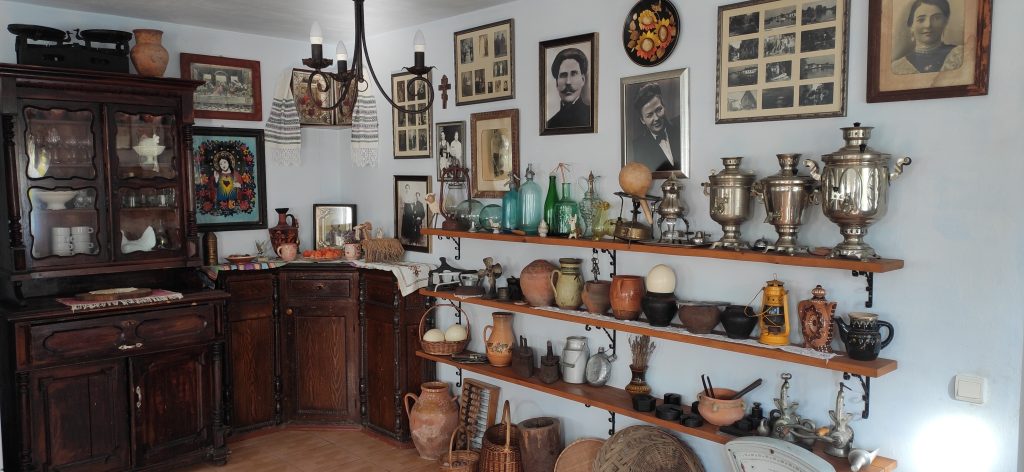
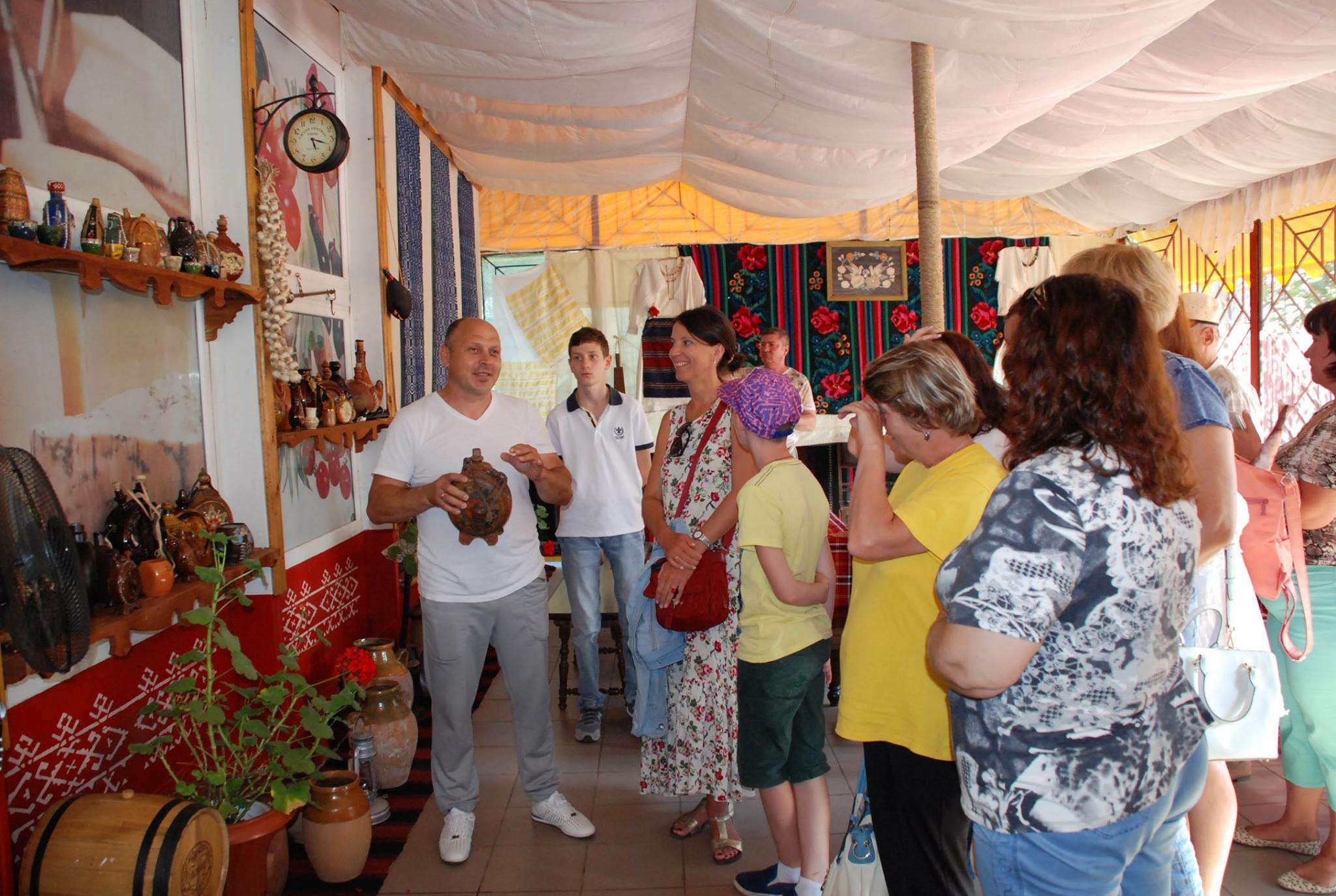
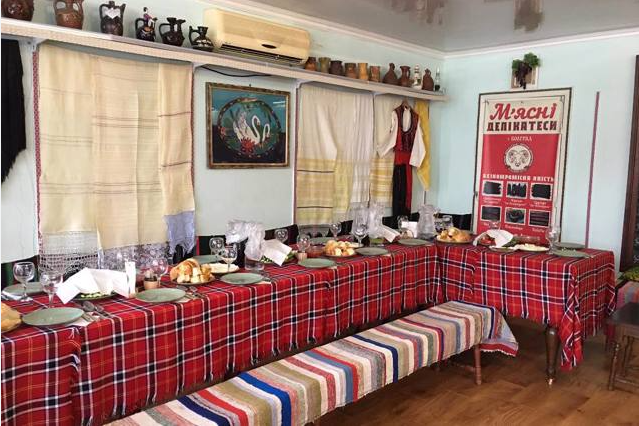
In addition to production facilities, the wine and gastronomic tourist location has a branded store of finished products and a tasting room decorated in the style of a traditional Bulgarian mekhana (national restaurant). Mekhana “Balkan Yastia” has a museum exposition on ethnographic topics: authentic costumes of Besarabian and Thracian Bulgarians, handmade carpets, antique furniture, various containers for drinks, including more than 400 decanters for wine and crayfish.
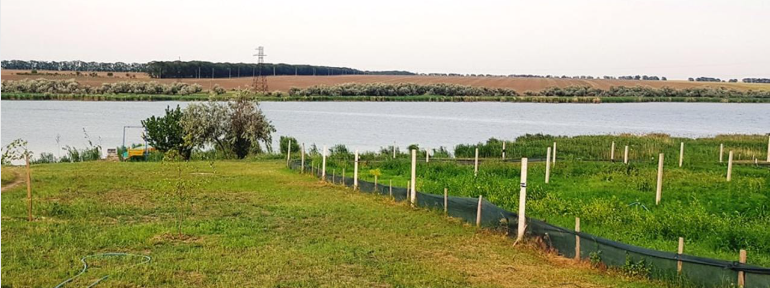
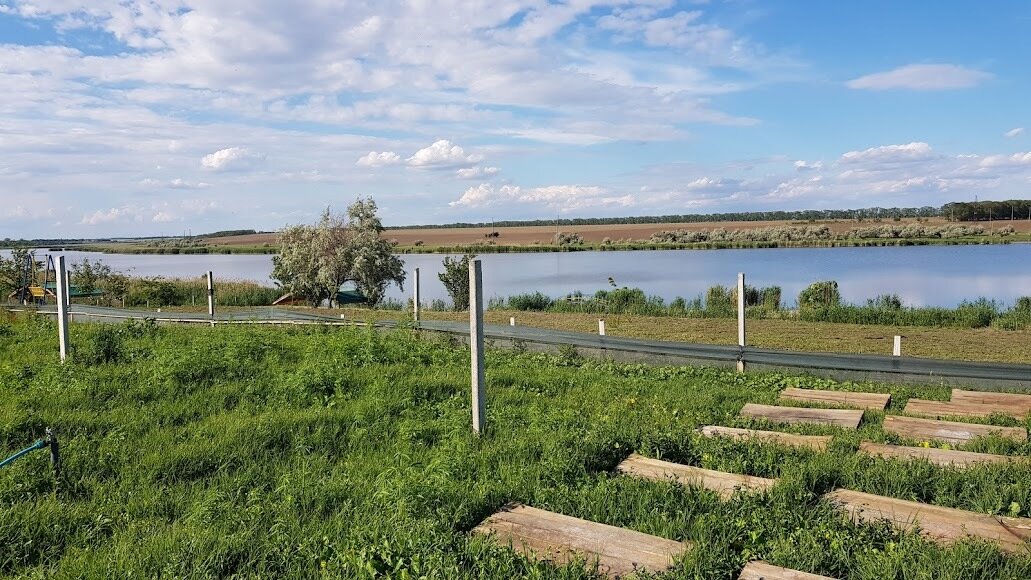
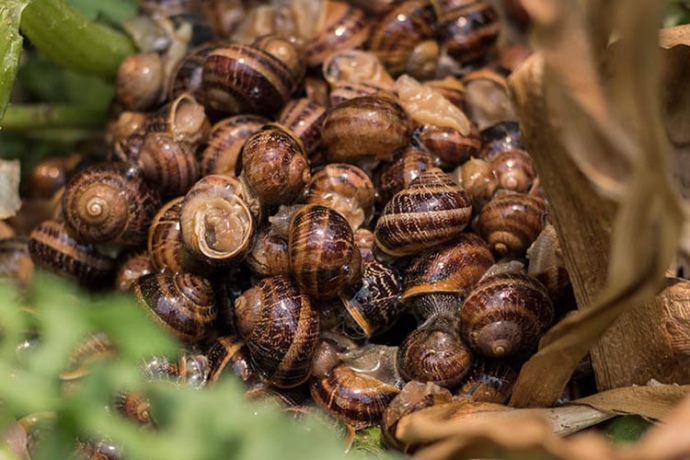
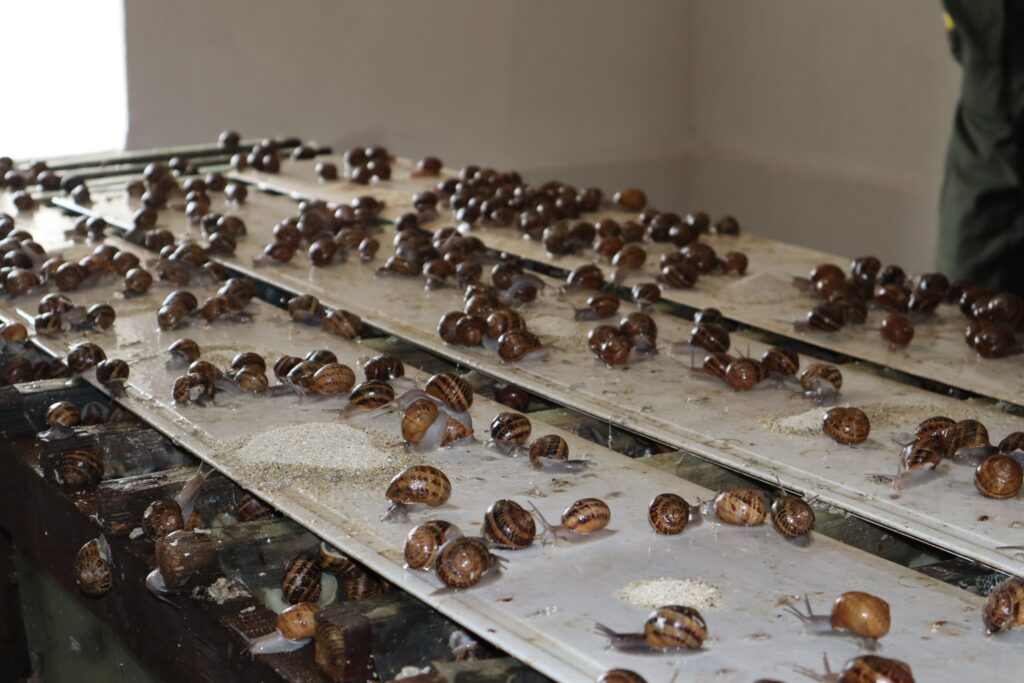
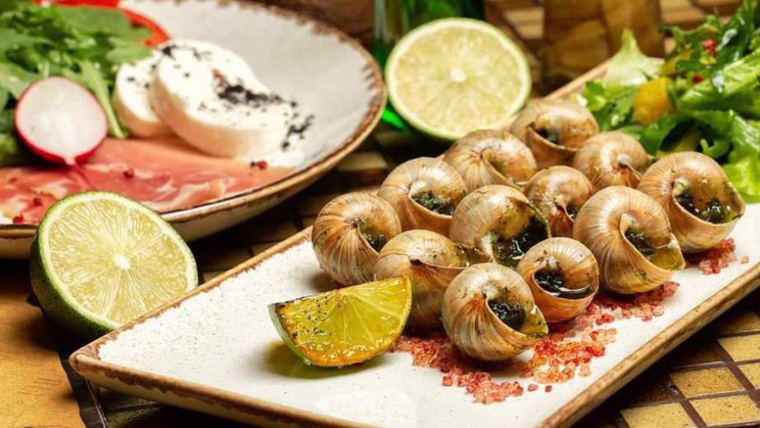
SnailFarm is engaged in the cultivation and marketing of the Mediterranean snails most demanded in Europe – Helix aspersa Muller.
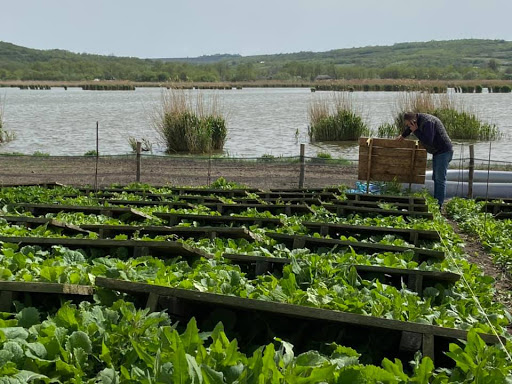
🐌 The Helix aspersa Muller snail is grown on a snail farm near Izmail using European technology, only on natural feed, without chemicals.
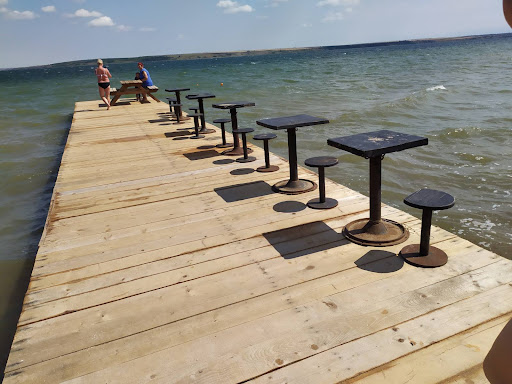
“Oysterville” and “The Scythian Oysters” form a unique oyster farm complex without parallel in Ukraine. The farms were founded by Andrii and Asia Pihulevsky.
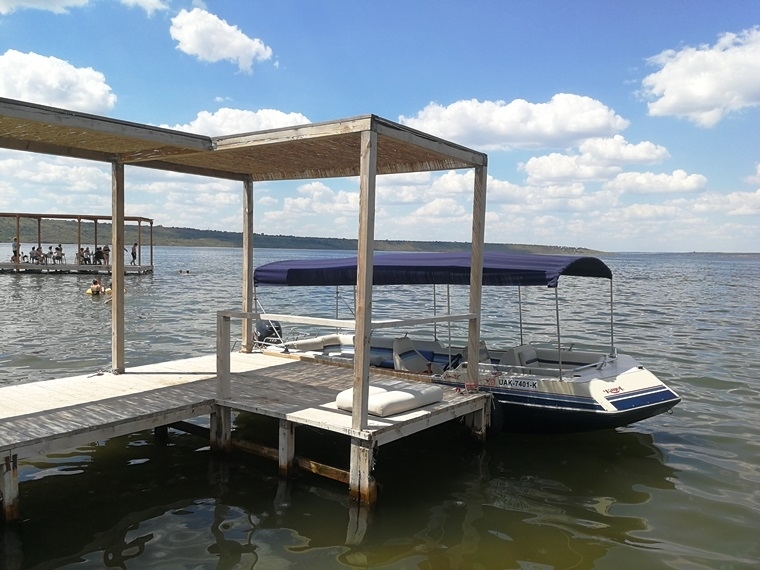
Ukraine’s first oyster farm, “The Scythian Oysters,” was established in 2014 in the Mykolaiv Region on the shore of the Tiligul Liman, a coastal lagoon connected to the Black Sea. “Oysterville” was opened during the war, in the spring of 2022, in the Odesa Region.
The mission of the farms is to revive the culture of oyster consumption in Ukraine and throughout the entire Black Sea basin, a tradition that was already well developed in the eighteenth and nineteenth centuries.
It is noteworthy that an oyster-producing region existed in southern Ukraine as early as the time of the Scythians, from the eighth century before Christ to the fourth century of the Common Era. Oyster consumption has therefore been historically rooted in this territory for centuries.
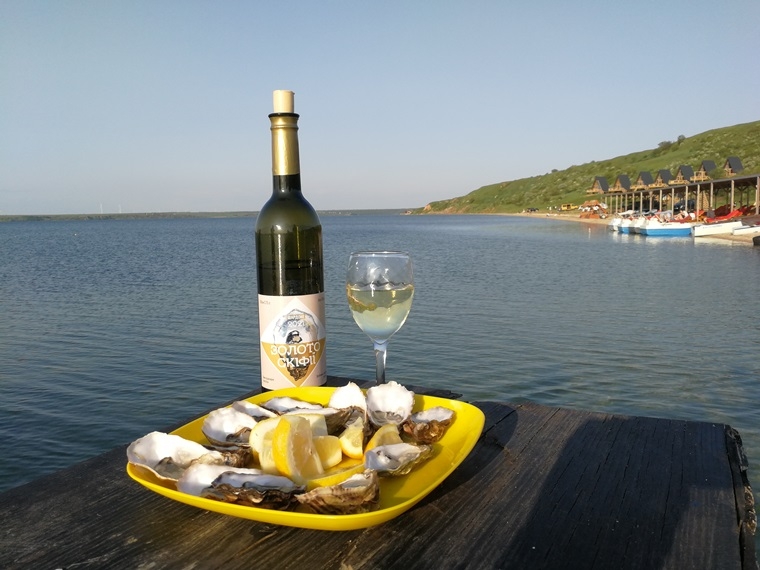
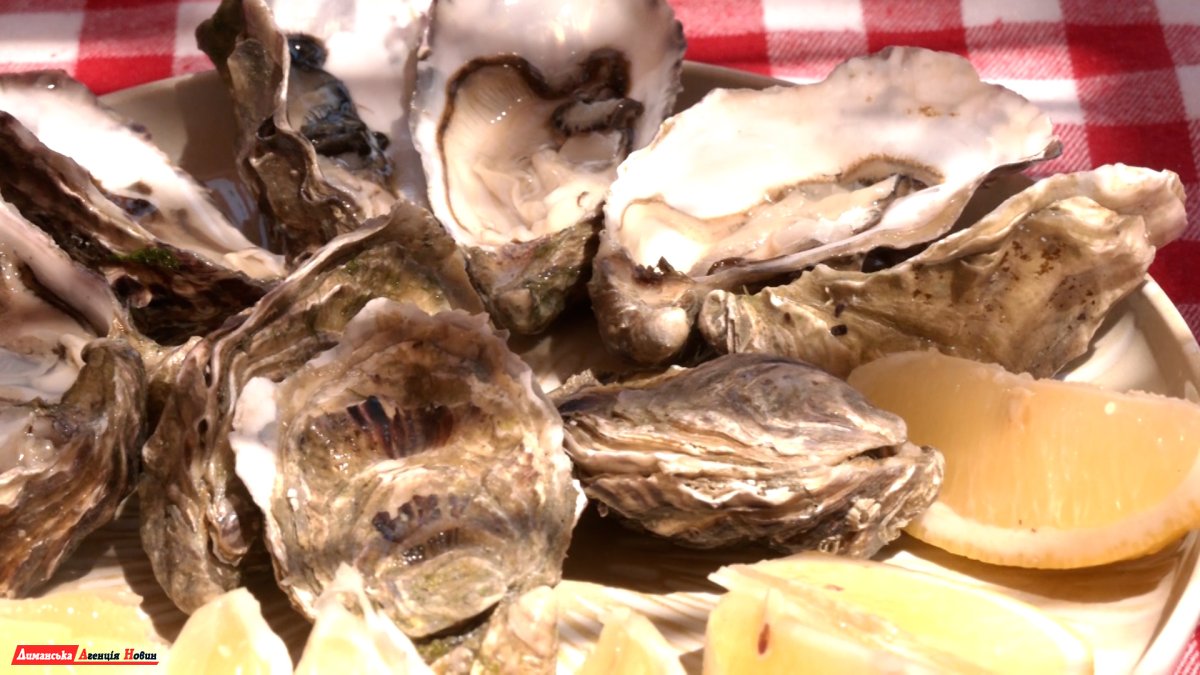
It is precisely in the Tiligul Liman, one of the most environmentally pristine areas of Ukraine, where the salinity of the water exceeds thirty parts per thousand, approximately twice that of the Black Sea, that Black Sea oysters known as “The Scythian Oysters” are cultivated. The Pacific oyster, Crassostrea gigas, sourced from a renowned oyster hatchery in western France, is distinguished by tender flesh, a delicate marine aroma, and a subtle nutty aftertaste. A unique cultivation system developed by a Ukrainian team makes it possible to grow market-ready oysters within sixteen months. They are best enjoyed with a glass of dry white wine.
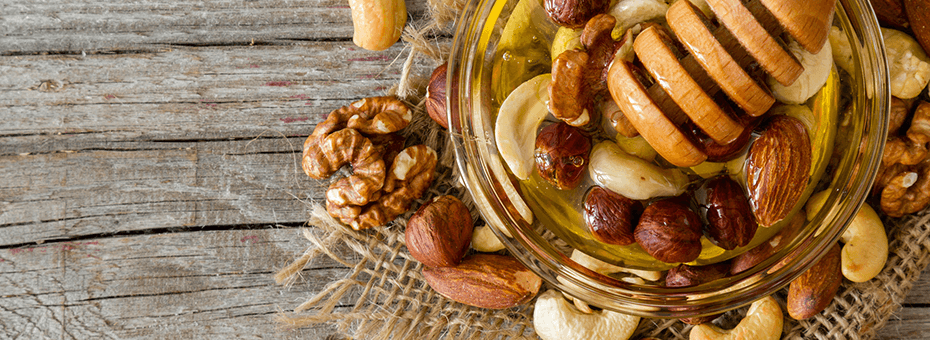
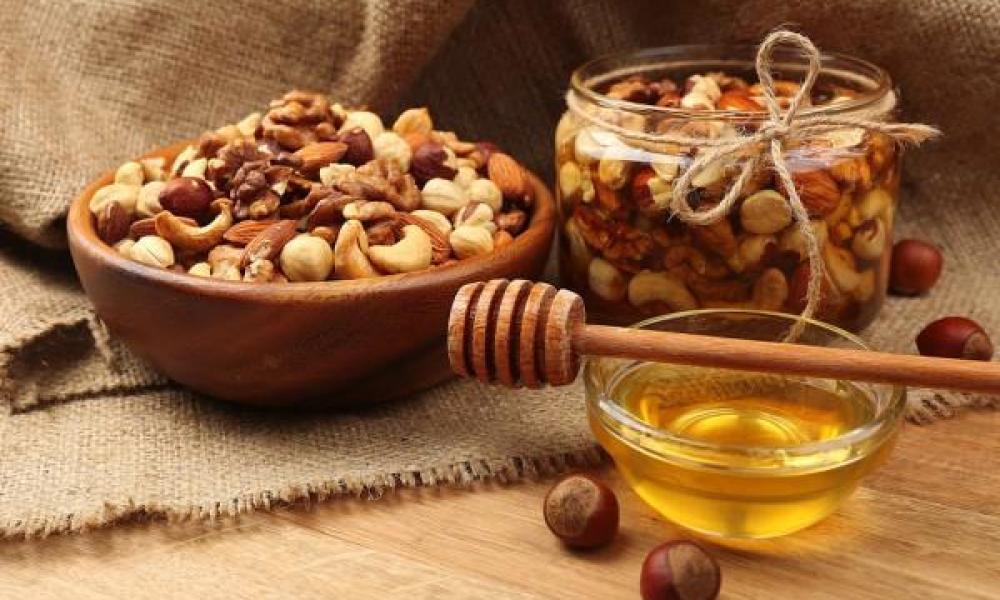
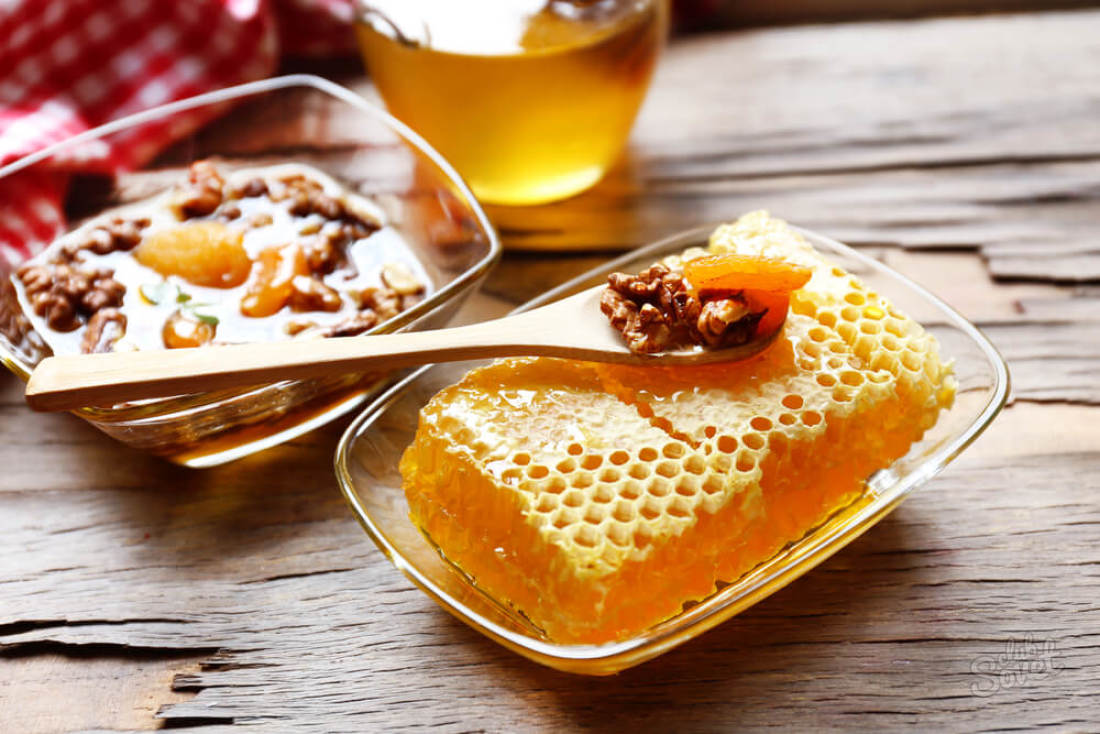
“The Black Sea Honey and Nut Cluster” is located near the villages of Yaski and Troitske near Biliaivka. The core of the cluster is the cooperatives “Black Sea Walnut” and “Black Sea Berries”, which have mixed gardens of 240 hectares, a greenhouse complex and vertical integration from growing seedlings to the production of finished products from walnuts, hazelnuts and rose hips Honey products are produced by “Honey Food” at its own facilities with an area of 6,000 sq. m.

Eno Tourism (winemaking). Odesa. Southern Ukraine