History of Odesa markets is closely intertwined with the history of our city. Odesa is famous for its shopping streak from the first years of its existence. In this section you will find interesting information about the history of origin, the description and location of the famous Odesa markets, that have already become a hallmark of the city…
The “Pryvoz” Market
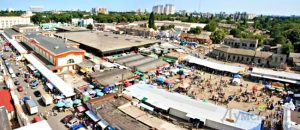
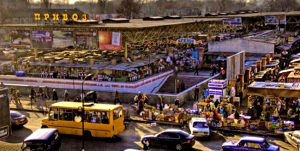
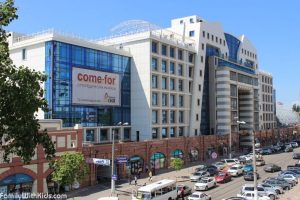
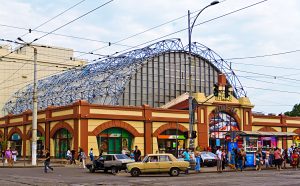
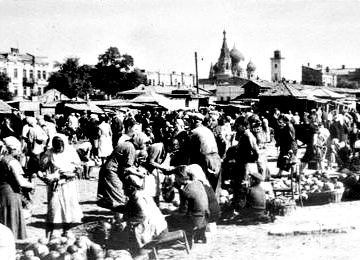
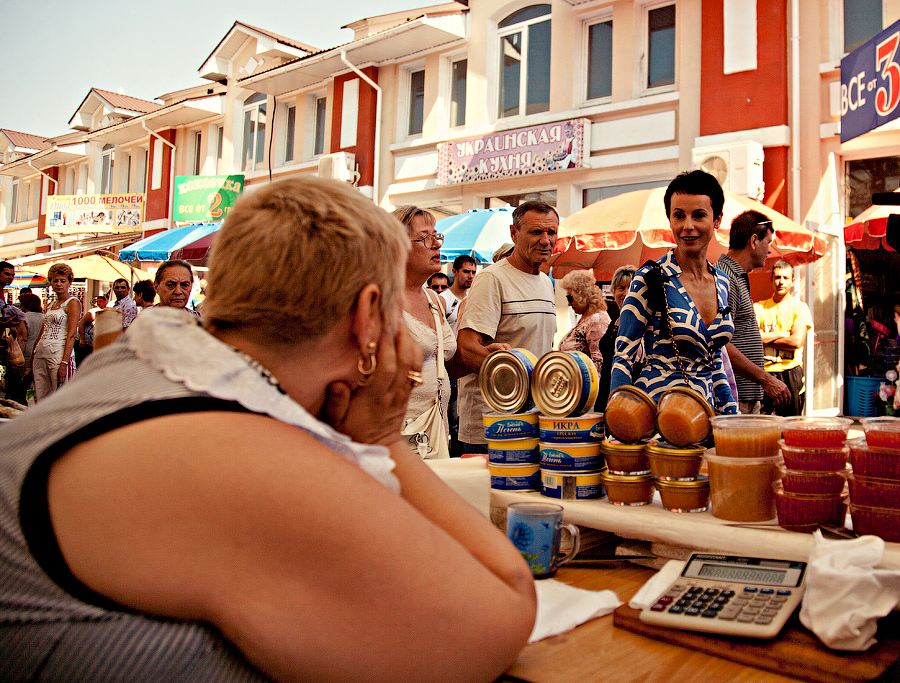
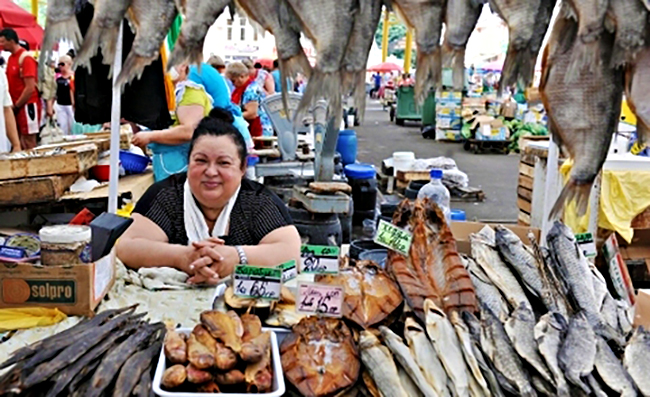
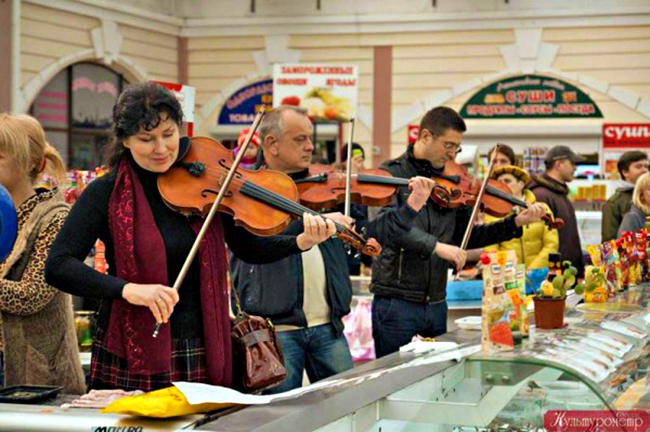
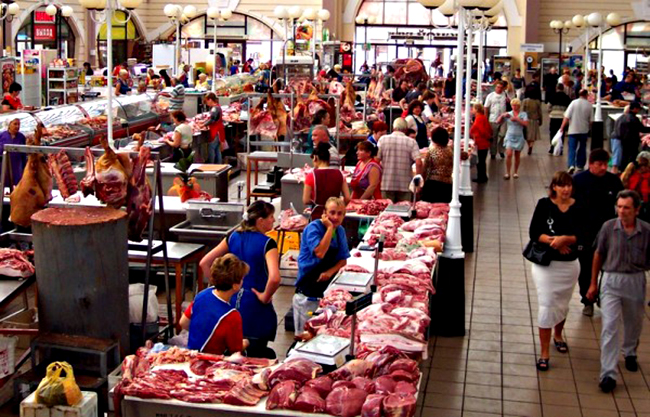
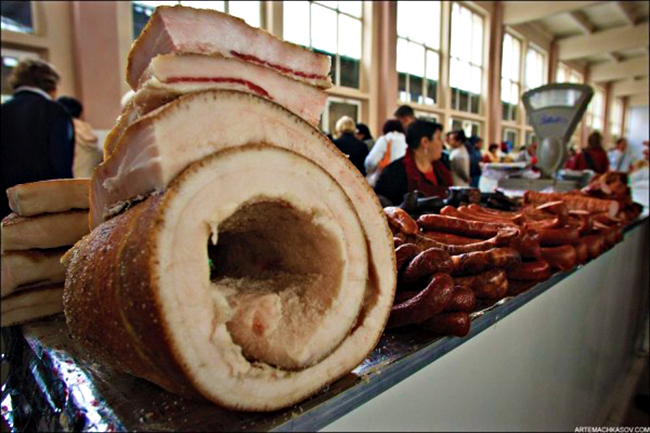
Whether you enjoy shopping or not, a trip to the Odesa Pryvoz Market is obligatory. This massive ‘farmer’s’ market is one of the biggest markets in the world. It is filled with both new and old items – cheap bargains and extravagant luxuries. Even if you do not want to spend much money shopping, a visit to the Pryvoz Market is recommended since it is an excellent way to experience the local culture.
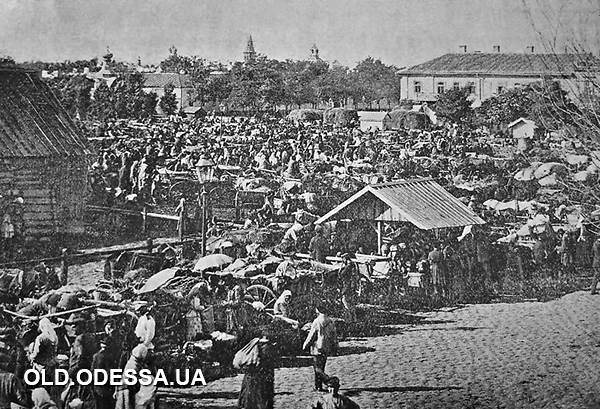
According to the history books, Pryvoz farmer’s market started in 1827 when wares were first sold from the back of several horse-driven carts in Privozna Street. This was an offshoot of a nearby market known as the old Staryi Bazaar which was Odessa’s first bazaar. Slowly the trend of selling different goods from this location caught on and people of all sorts started selling virtually anything here.
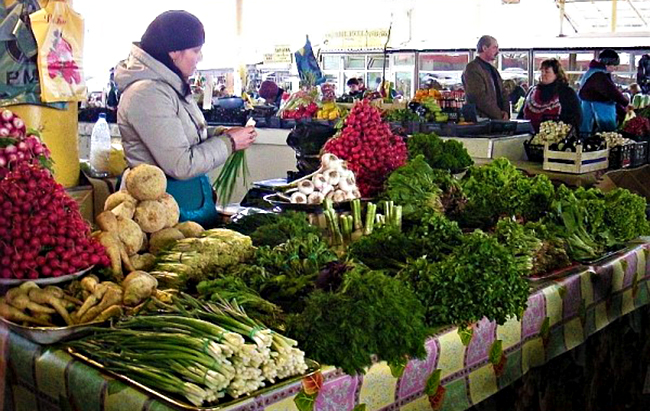
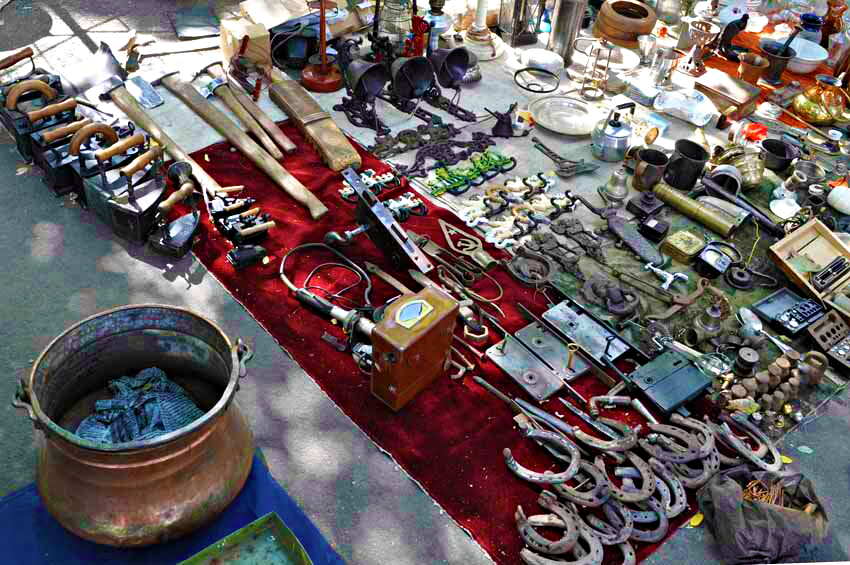
Soon, a market grew and the Privoz farmer’s market became an institution. To this day, the Pryvoz market at Pryvozna 14 is still one of the best places to go shopping for fresh produce. It is the largest food market in Ukraine and possibly one of the biggest in the world. However, the Odesa Pryvoz Market is about more than just fresh fruit and vegetables. The market has become a place where just about anything can be found. Construction materials, clothes, consumer goods and second-hand parts are everywhere. Cheap clothing knock-offs are popular with buyers on a budget while pirated movies and music CDs are commonplace. You can buy caviar, shoes, perfume and toiletries; rusty tools and old floppy disk drives – there is virtually no end to what you will find here.
The Odesa Pryvoz Market has been said to resemble a cross between a recycling center and a department store. Fully-fledged shops are mingled with street-side vendor stalls.
In the 1940s zoo animals were moved from the Odesa zoo to Simferopol. Four-year-old elephant Murza escaped. It ran to the fruit section of the Pryvoz Market and ate several apples, pulled out pickled cucumbers from a barrel, tasted some fresh cabbage and dried fruits. Murza was caught and returned to the zoo. A popular Soviet comedy film, Striped Trip was inspired by this incident.
A western journalist explained his visit to the market:
“I headed over to Pryvoz Market, which is sort of like a cross between a department store on the one hand and a recycling center on the other. There’s caviar, shoes, accessories, food, perfume, toiletries, things like that. And then there are the guys selling things like rusty old tools laid out on moth-eaten blankets. Or the old school five and a quarter inch floppy disk drives. There’s even somebody selling wheels, just wheels, including a matching set of three that were obviously taken from a perambulator at some point”.
Pryvoz was also mentioned in The Odesa Tales of Isaak Babel.
“Moi sieur Jason, you are as scary as Monia the Artellerist firing out of two guns. I’d rather go to aunt Pece at Pryvoz and would buy a glass of sunflower seeds as you painfully interestingly ‘goutareetie’”.
Haggling is expected and pickpockets are quite commonplace so it is advisable that visitors be wary of this. For centuries the Pryvoz market has been favorably referred to in literature and music as a place to meet people, go shopping and enjoy some light gossip. There is so much available here that some have even joked that it is possible to purchase nuclear devices at the Pryvoz market. Whether that is true or not, a visit to this massive market should be a part of every visitor’s travel itinerary.
The “Novy” Market
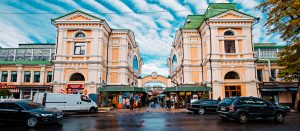
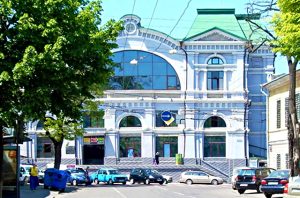
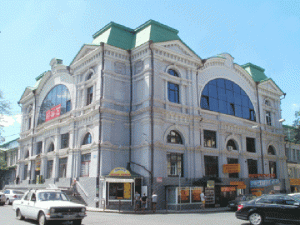
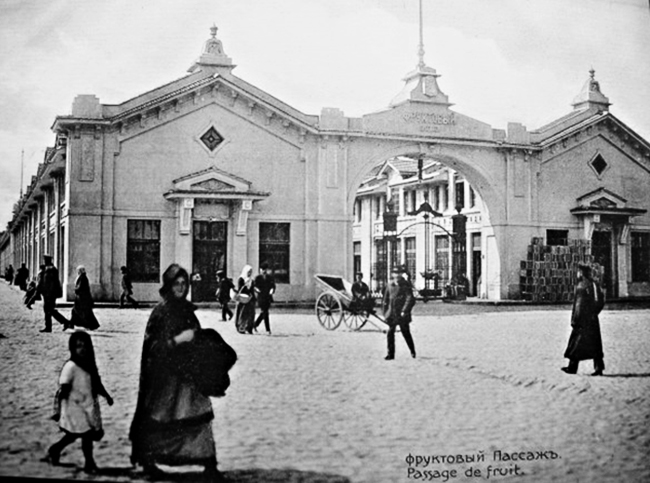
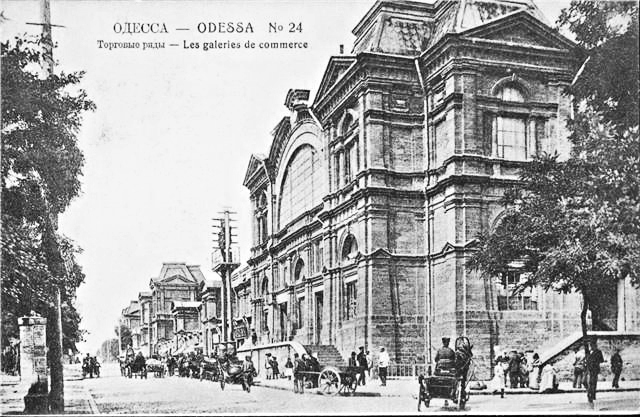
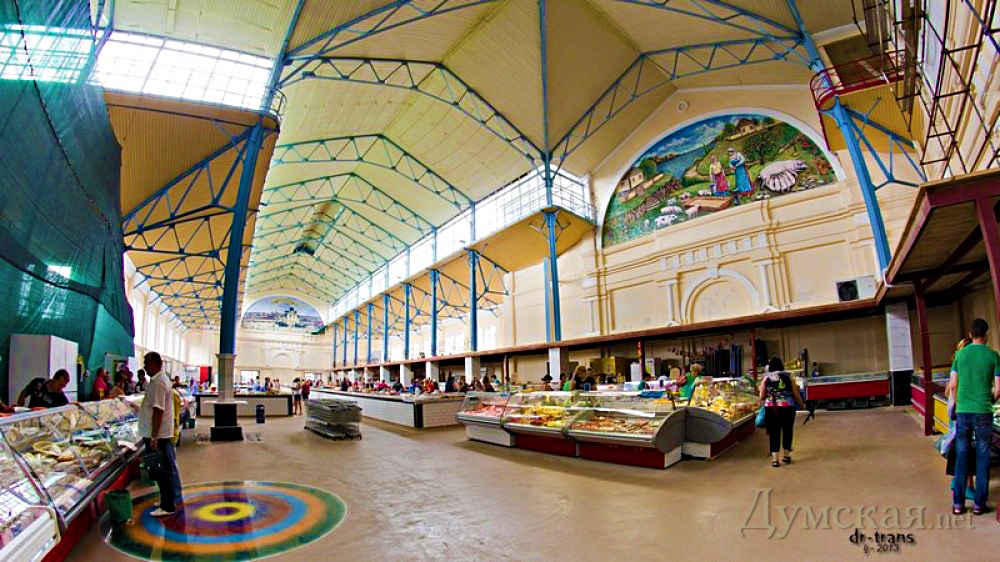
New Market is one of the oldest markets of the Odesa city and recognized architectural monument. The most beautiful market in Odesa.
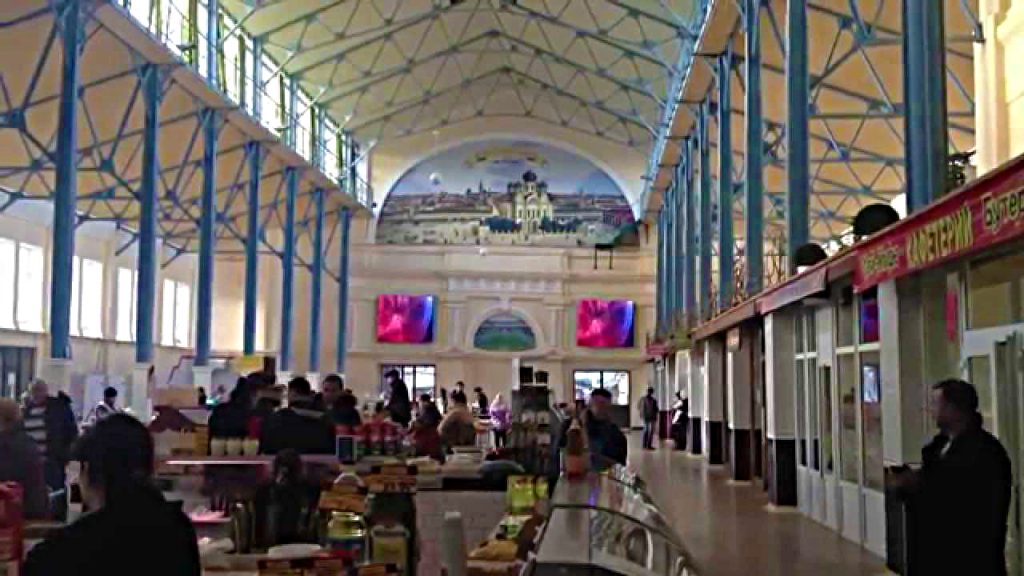
It is here that one can feel the special and colorful Odesa atmosphere. It is here that one can hear incredible expressions and the famous Odesa dialect, born from the blending of many different languages and nationalities. Here, you can learn the latest city news and discuss all the pressing issues while shopping. After all, the people of Odesa love to communicate, and they are always open and hospitable.
But most importantly – here you can buy everything you need, from food products to furniture for the home. No supermarket can compare to the market in terms of the freshness of its products or the beloved Odesa tradition of bargaining.
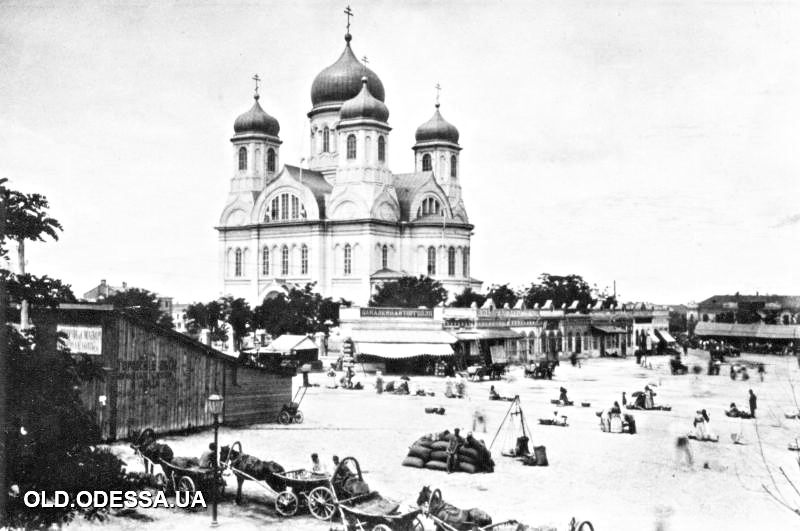
The New Market is known for its rich history. Trade took place on the site of the New Market long before its official founding. The Central, at that time called the Free Market (the Old Market, now the Pryvoz Market), could no longer accommodate all the willing traders, so a decision was made to establish new trading rows on Kherson Square. This is how the name “New Market” appeared.
In 1847, the Sritenska Church was built on this square, and all trade took place around it.
However, the main market buildings that have been preserved to this day are the large covered pavilions constructed by architect Arkady Todorov in 1896. These very pavilions have now been granted the status of architectural monuments.
It was in the enclosed building of the New Market that the first research institution in the Russian Empire devoted to viticulture and winemaking – a wine-making station – was established in 1905 by the famous Vasily Tairov, who founded it on his own initiative and later became its head.
Many writers, including Konstantin Paustovsky, Eduard Bagritsky, Yuri Olesha, and Volodymyr Sosiura, wrote about the New Market in their works. Here they found not only their daily bread but also nourishment for their creativity.
The “Starokinnyi” Market
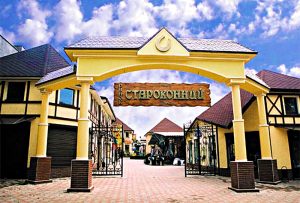
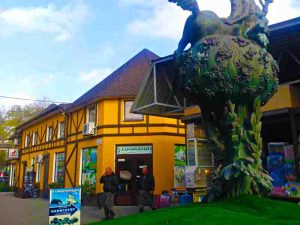
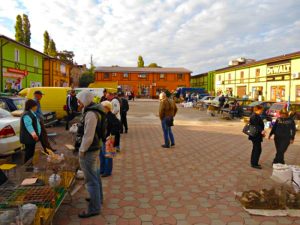
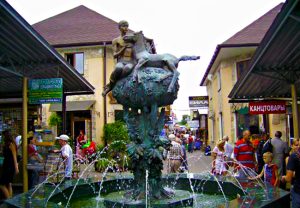
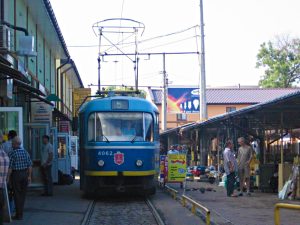
The history of the Starokinnyi Market dates back to the first half of the nineteenth century. Some residents of Odesa and researchers consider it the oldest market in the city, while others hold a different view.
During the first decades of Odesa’s development, livestock trading was conducted mostly on vacant land along the Kherson Road, adjacent to Kherson Square (today’s New Market). Long lines of animals stretched through Peresyp toward the Kherson Gate, then climbed the steep ascents into the city and, along what would later become Kinna Street, turned toward New Market.
The rapid growth of Odesa led to increasing market specialization, and already during the rule of Mikhail Vorontsov the need arose for a separate market specifically intended for livestock trading. This necessity was caused by several factors.
First, because of the growing flow of livestock, animals began entering the city not only through Peresyp and the Kherson Customs Office, but also through Moldavanka and the Tiraspol Customs Office, where bazaars were being established. These areas had sufficient vacant land suitable for livestock trading, as well as watering places.
Second, Novobazarna Square was gradually becoming part of the city center and was actively being built up by wealthy residents, who were increasingly dissatisfied with the neighborhood of horse, bull, cow, and other livestock trading, accompanied by noise and unpleasant smells.
As a result of these circumstances, in 1832 the city authorities decided to establish a dedicated livestock market directly connected with today’s Starokinnyi Market. A municipal plot of land behind Sts. Peter and Paul Church in Moldavanka was allocated for this purpose. In the summer of 1833, the decision was implemented, and this date may be regarded as the founding date of the present-day Starokinnyi Market. At that time, however, it was still far from acquiring its current name and was simply called the “livestock bazaar”.
Trade at such markets was intense: animals awaiting their fate were driven into and out of wooden enclosures — camels, sheep, donkeys, horses, cows, and many others. Hundreds of sellers and buyers gathered constantly to conclude commercial transactions, alongside hundreds of carts and wagons. Despite the apparent chaos, strict order prevailed: each enclosure was designated for a specific type of livestock and marked with explanatory signs. Sold animals were obligatorily issued tickets that legalized the transaction. A government official was permanently present at the market for this purpose, making the sale of stolen livestock considerably more difficult.
The active life of the market inevitably influenced the surrounding streets, vacant lots, and lanes, gradually turning them and the market itself into a single urban organism. Visiting buyers and sellers stayed in inns located near Vodiana Balka. Their transport could be left in a special “garage” within the livestock market itself. In this same “garage,” carts and wagons could be sold, purchased, or exchanged — arguably the first automobile market prototype in Odesa.
Hundreds of animals and people needed food, which led to the appearance of a provisions and fodder market. Nearby plots of land began to be built up, and within a short time part of the market area became occupied by a block of residential buildings.
Livestock trading gradually became difficult, and at the turn of the 1840s–1850s the livestock market was moved to Nova Kinna Square. A few years later, in the mid-1850s, the former livestock market firmly acquired the name familiar to everyone today — Starokinnyi Market.
After the livestock market was relocated, Starokinnyi Market lost much of its flow of sellers, buyers, and financial turnover, and according to all principles of trade development should have declined and, at best, become a small market on the city outskirts. Yet events unfolded quite differently.
The creation of the livestock market coincided with the period of the establishment and flourishing of horse racing. Such competitions had already taken place under Alexandre de Langeron, but received official highest approval during the rule of Mikhail Vorontsov. As a result, throughout southern Ukraine interest among aristocrats and wealthy citizens sharply increased in the buying and selling of pedigree horses and horse breeding, which brought them regularly to the livestock market.
It hardly needs saying that horse keeping was closely connected with hunting dogs. Both required equipment and accessories. All of this was abundantly available at Starokinnyi Market, which over time acquired another well-known name — Hunters’ Market.
With the development of equestrian sport, fishing also became fashionable among the aristocracy, although previously it had been associated mainly with common people. Over time, trade in birds and other domestic animals also developed, shaping for many decades the image of Starokinnyi Market as the place where one could buy a pet and everything associated with it.
Today, Starokinnyi Market is a complex of modern buildings, pavilions, stalls, and trading spaces offering an extremely wide range of goods and services. In 2003, the market underwent major reconstruction. During this process, through the demolition of nearby old buildings, Starokinnyi Market expanded its territory, regained former land, and in a certain sense restored historical justice.
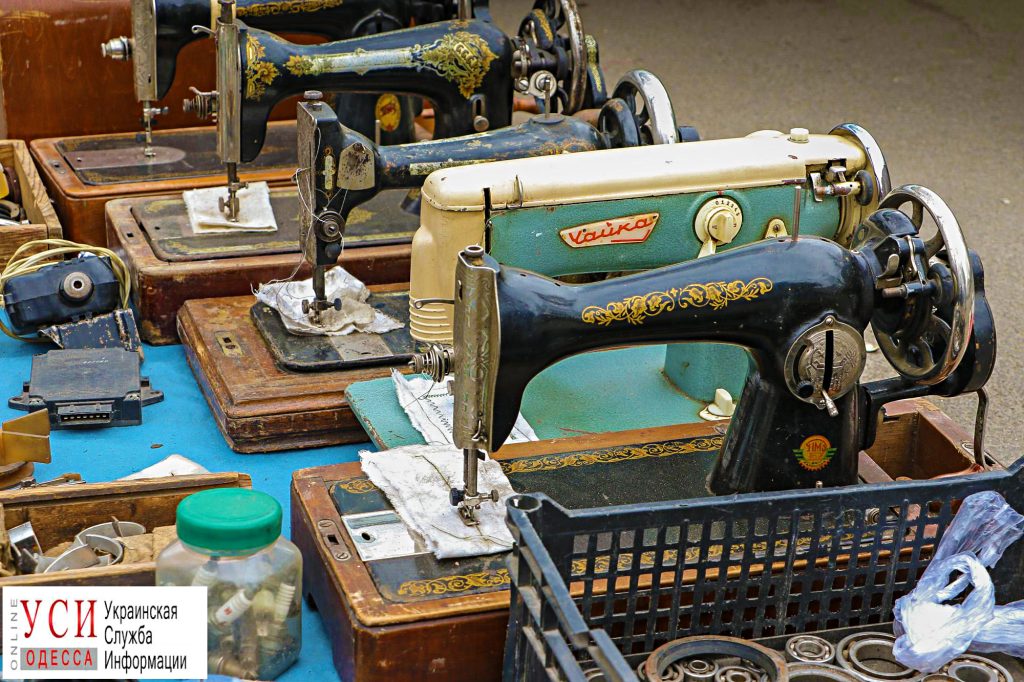
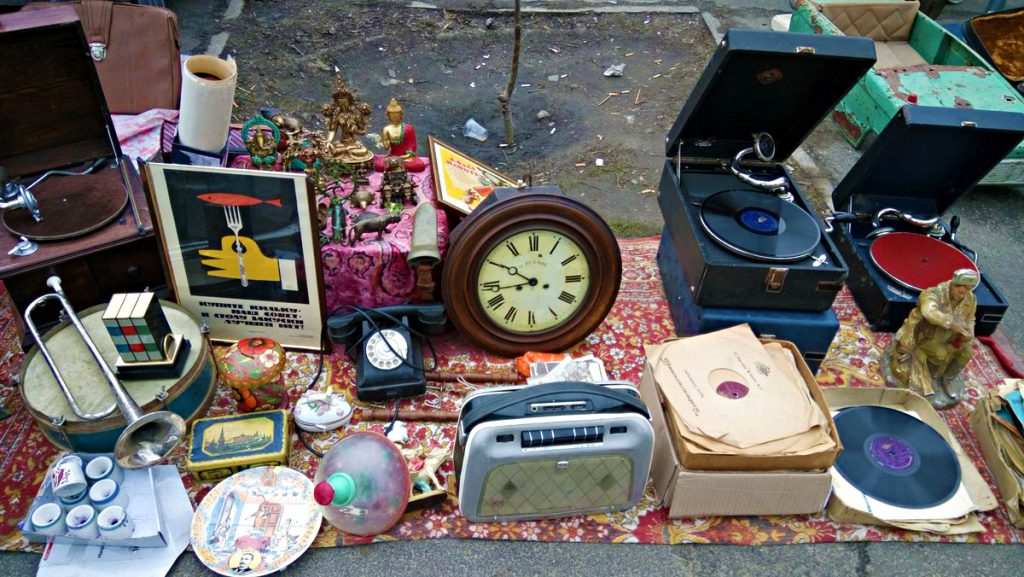
Animals are still sold there today — fish, rabbits, dogs, cats, and birds. The indestructible flea market also still exists, appearing on weekends in the surrounding blocks, where one can buy almost everything except exactly what is needed at that moment.
One would like to hope that it will remain this way forever.
Based on materials by Oleh Hubar.
The “Seventh Kilometer” Market
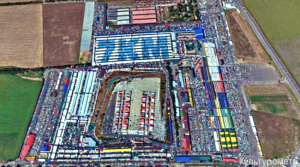
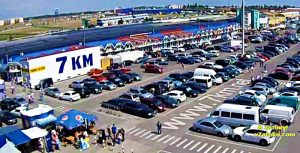
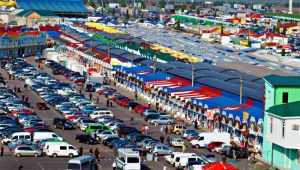
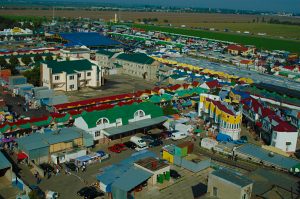
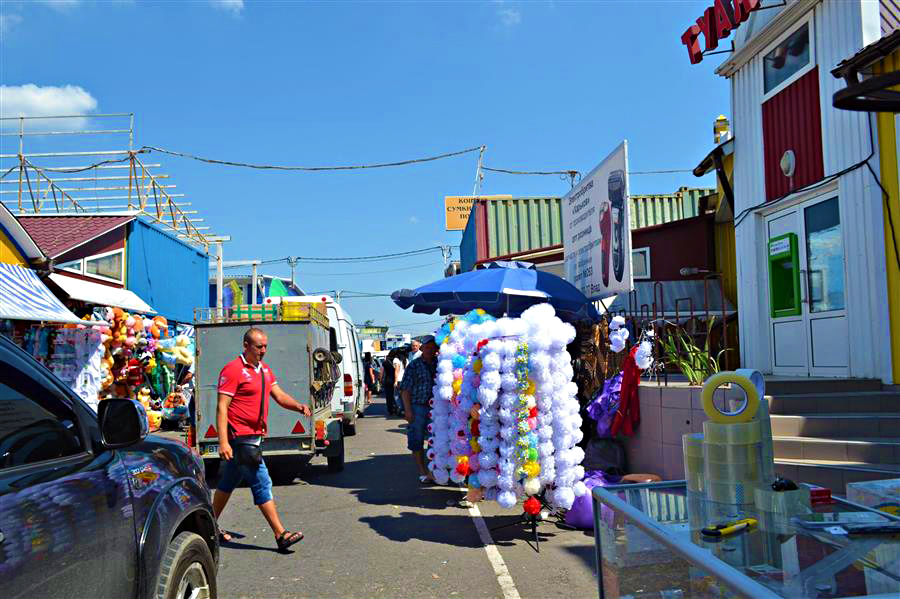
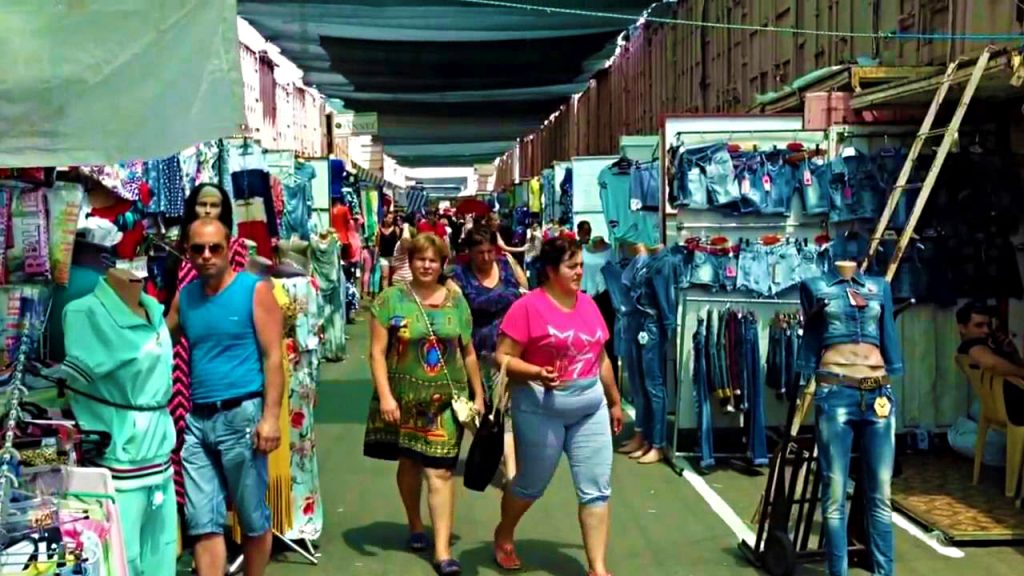
LLC “Promtovarnyi Market” (“Seventh Kilometer”) is the largest wholesale and retail consumer goods market in Europe. It is located seven kilometers from Odesa, in the Ovidiopol District of Odesa Region. The total area is more than 110 hectares. Of these, 75 hectares are built up. More than 40 hectares remain to be developed. There are 15,000 trading and storage facilities (shops, pavilions, containers, warehouses). Additionally: a police station, a fire station, 3 medical units, an ambulance service, 8 parking lots, a bank, a bus station, 2 hotels, and a network of public catering establishments. The market employs 60,000 people, of whom 15,000 are business entities. Every day, “Seventh Kilometer” is visited by about 200,000 people — residents of all regions of Ukraine, as well as from countries all across Europe.
The consumer goods market counts its history from December 19, 1989. It was on that day that the first cooperators from the Starokinniy Market of Odesa were expelled beyond the city, to the seventh kilometer, where cornfields were located. At first, Odesa residents (mostly state employees earning extra income) traded from newspapers and folding tables. News of the new market spread quickly — city residents rushed to “Seventh Kilometer” for scarce goods. It was then that the name “Tolchok” (meaning “a place where people always crowd”) appeared. Here one could buy everything: from exclusive jeans brought by sailors from abroad, to mass-consumption goods that were catastrophically lacking in stores. The nearby state farm “Avangard,” which at that time was headed by Viktor Dobrіansky, who later became the permanent President of the Consumer Goods Market, decided that people needed to be allocated a separate place for trade. For the convenience and safety of sellers and buyers, the site was fenced, then asphalted. A decision was then made to construct metal trading tables and canopies — thus arose the first trading square of “Seventh Kilometer,” which later received the name “Field of Wonders.” Later, the famous market began to grow with trade and warehouse infrastructure. Over nearly a third of a century, “Seventh Kilometer” has become not just the largest trading platform in Europe, but also a business school for many domestic entrepreneurs. Thanks to the efforts of its founder, V.L. Dobrіansky, the market has turned into a true trading city, known far beyond the borders of Ukraine.
Recommended reading (click the link):
Parks. Green Areas
Squares of the Historic Center
Monuments. Compositions
Odesa’s Landmark Bridges
Famous Stairs and Descents
*Why Is the Name of the City Spelled “Odesa” with Only One “S”?
We write the name of the city as “Odesa” with only one “s” in order to respect the Ukrainian spelling and the original Ukrainian name. Traditional international spellings with a double “s” may still be encountered, but the correct Ukrainian form is spelled with only one “s”.