Official map of shelters and bomb shelters in Odesa
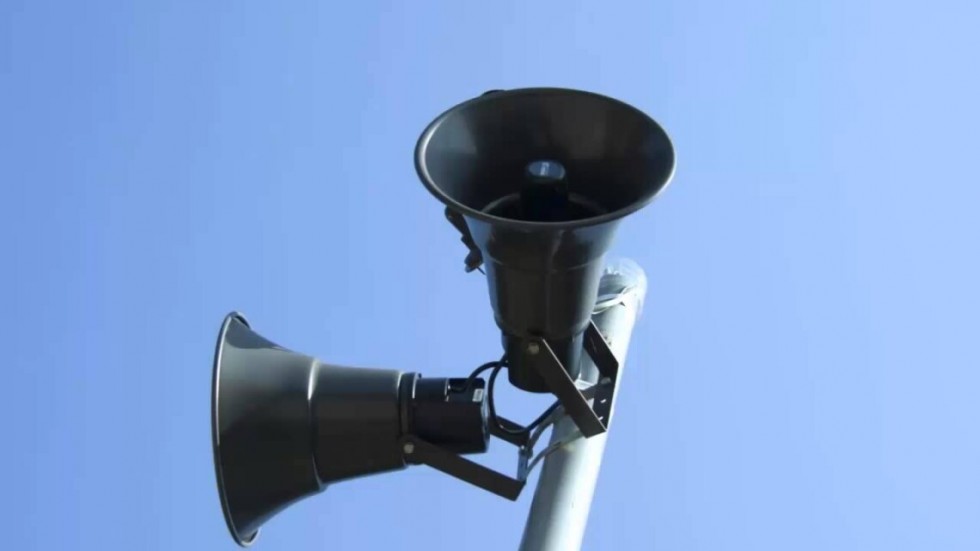
If the signal
“ATTENTION EVERYONE! Air raid alert!”
sounds:
– everyone must immediately proceed to the nearest shelter. Therefore, find out in advance where the shelters near your home or workplace or your temporary accommodation are located (if you still have not done so);
– if you did not manage to reach a shelter in time, immediately move to a room without windows and use the “two-walls rule”;
– then turn on a communication device to listen to urgent news about a possible emergency situation (information must be provided within 5 minutes from the beginning of the siren sounding);
– listen to the announcement addressed to the population and follow the recommendations voiced;
– if possible, inform your relatives, neighbors, acquaintances of what you heard and help them if you are able to.
Remember: it is difficult to determine the exact place where a missile or an enemy drone will strike, so you must strictly comply with the recommendations. The air raid alert will be announced as many times as the situation requires.
Rescuers note: if you hear that the siren is sounding continuously — immediately proceed to a shelter.
How to stay safe during shelling of residential buildings
If you are at home during the alert:
Close the windows, turn off all appliances and the lights.
Dress quickly, take your emergency bag with essential items. Head to a shelter and follow the messages of the local authorities and law enforcement.
If there is no shelter nearby, follow the “two-walls rule” or go out into the stairwell. Do not use the elevator.
The most dangerous places in a building: the first three floors — bullets from shelling may hit them; the top floor — the most dangerous during an air threat; the basement — you may end up under debris.
Where to hide in an apartment: the bathroom (if it does not contain a gas cylinder or a boiler); a space behind two walls (this may be a corridor).
If you are outside at this time:
Proceed to a shelter: Move to the nearest protected place such as an underground passage, metro station, parking garage, or the basement of the nearest building.
If there is no shelter:
Look for the nearest depression: a ditch, a pit, or a crater from an explosion.
If there are no depressions, lie on the ground and cover your head with your hands.
Stay away from high curbs, shop windows, stores, and buildings of strategic importance (power plants, factories).
If possible:
Take cover in a forested area if there is one nearby, as trees can absorb the spread of fragments.
Ask other people about the nearest shelters.
Do not use the elevator.
After arriving at a shelter:
Wait at least 10 minutes after the last explosion has occurred.
Follow discipline and the rules of conduct in the shelter, which may be announced by rescuers or the administration.
If you are in a car:
Stop: As soon as you hear the signal, find a safe place to stop so as not to obstruct other road users. Keep the car doors open so that passengers can get out if necessary.
Find a shelter: Do not stay in the car because it does not provide sufficient protection. Leave it immediately and proceed to the nearest shelter.
If the shelter is far away: Enter the nearest building without windows. Use the “two-walls rule”: find a place where there are at least two walls between you and the outer wall, on the first or basement floor.
Avoid dangerous places: Do not hide under bridges, overpasses or flyovers, and avoid critical infrastructure facilities, administrative buildings and gas stations.
Plan your routes: If possible, avoid central streets and highways where traffic jams may occur during an alert.
After the alert ends:
Wait for the official all-clear: Stay in the shelter until you receive an official announcement that the alert is over.
Check the condition of the road: Before returning to your car, check whether there are any obstacles on the road that could cause an accident.
What to do during an air raid alert in a shopping mall
Leave the building immediately: From the moment the signal sounds to the possible attack there are from 10 to 15 minutes, so you must immediately leave the shopping mall and its parking area.
Go to the nearest shelter: Use the nearest safe place, such as an underground parking garage, metro station, or underground passage.
Remain calm: Do not create crowds or panic at the exits.
Do not stay inside the building: It is important to understand that shopping malls are not special shelters. Staying inside may be dangerous due to the risk of shelf collapse, falling glass fragments, and destruction of heavy structures.
Do not stay in the parking area: The parking area is also dangerous because structural elements may fly off at a significant distance.
Return after the alert is canceled: After the official cancellation of the signal you may return to the shopping mall.