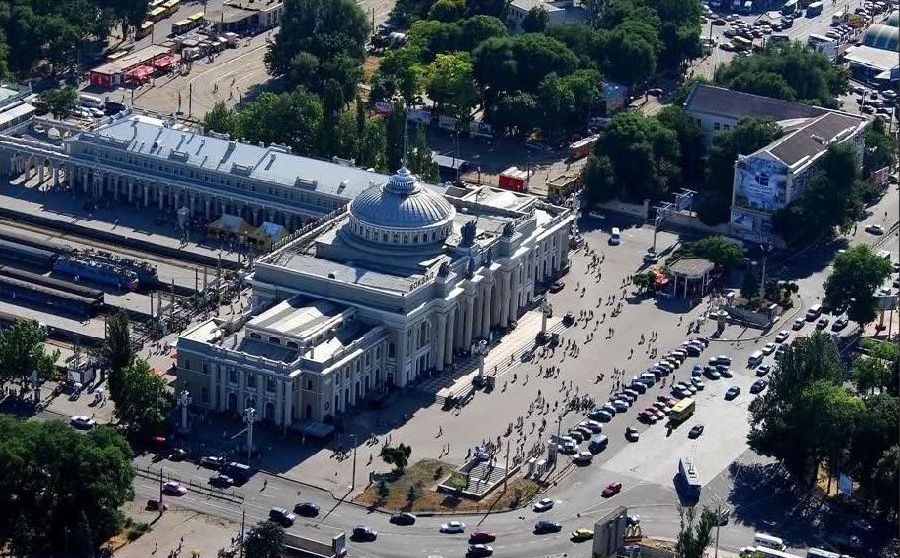
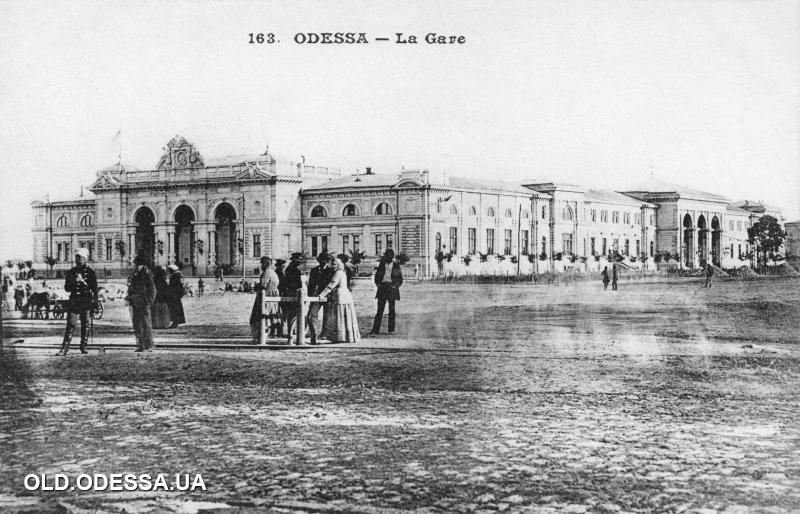
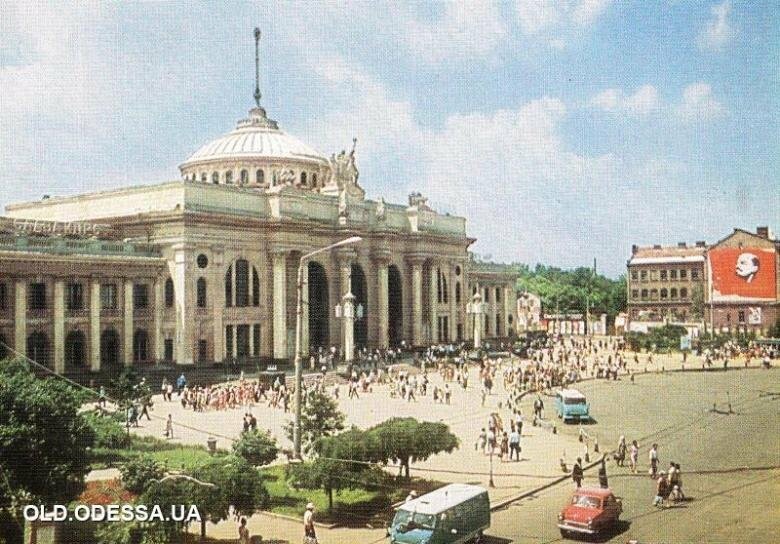
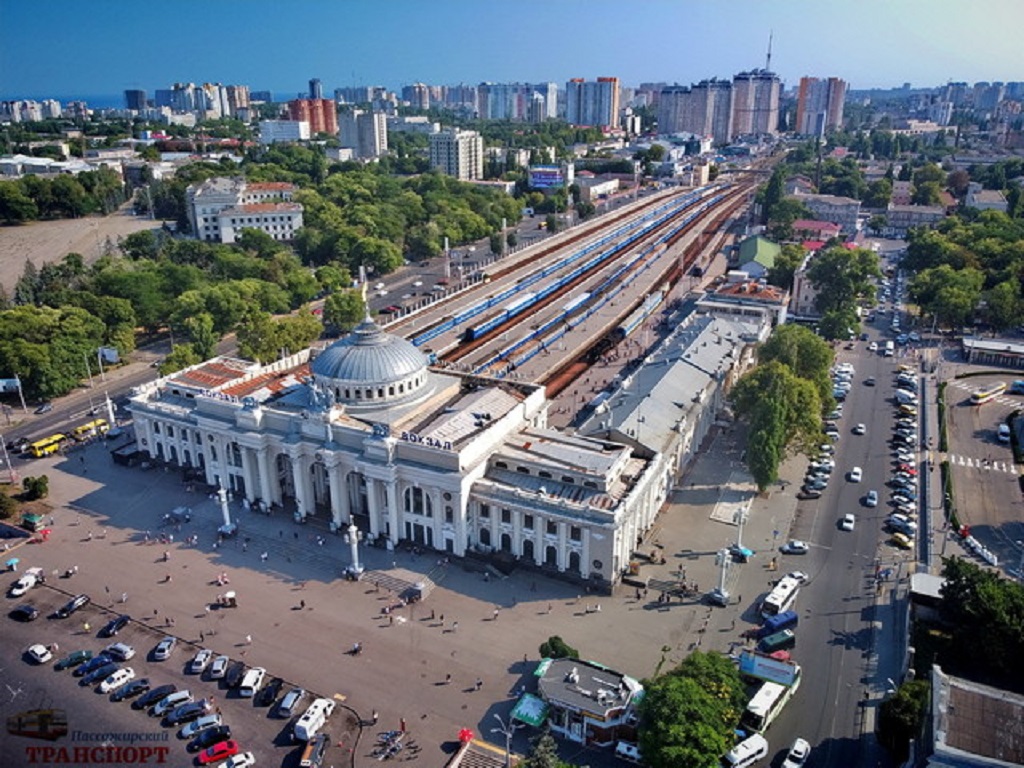
Graph Vorontsov did not manage to fulfill his dream – to build a railway in Odessa. In 1863 in St. Petersburg it was decided to lay a railway from Odesa to Balta for public funds. To manage the work was sent Baron Ungern-Sternberg; general leadership was entrusted to the governor of the region – Adjutant-General P.E. Kotzebue.
May 4, 1863, there was a ceremonial laying of the Odesa-Parkan Railway, then began the laying of the railway line from Razdilna to Balta. In December 1864, the highest command was followed: the Odesa-Balt road to continue through Kremenchug to Kharkiv. In 1867 a railway line was opened, laid through the Peresyp to the salt mine Novoselskyi, and in 1872, at the suggestion of Admiral A. Chikharev, the director of the ROPiT, a branch was taken from this railway line to the city baths on the Kuialnyk estuary. The railway station at that time was not yet, and passengers from the city were delivered to the Tovarna station by a special train, similar to a steam tram.
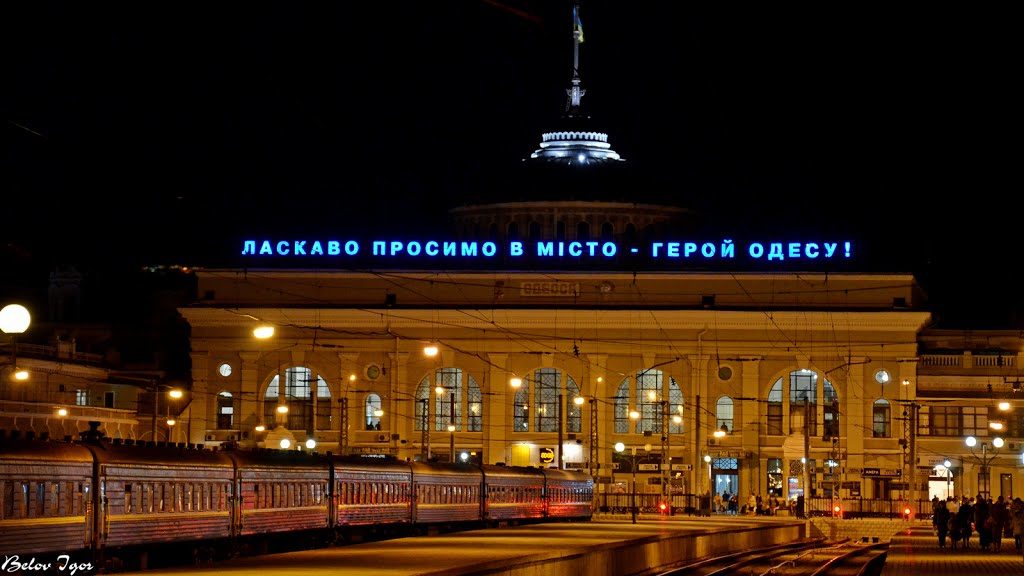
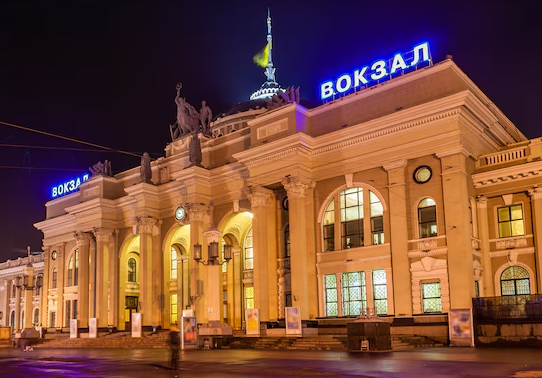
Only in the summer of 1880 the Society of South-Western Railways erected a railway station (architect A. Bernardazzi, the project of the St. Petersburg architect V. Schröter).
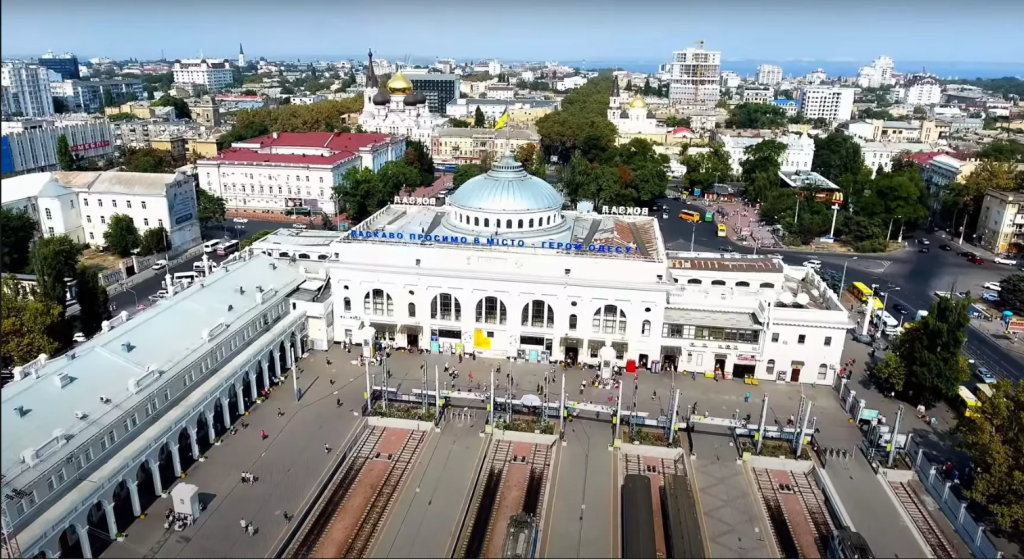
The old station was “scrubby”. It was built in 1884 according to the project of V.A. Schröter. Bernardazzi built the building; he served as a city architect and worked as an architect at Novorossiysk University from 1856 to 1858. The station was created in a neoclassical style, according to the “dead-end” layout of the building’s volume at the end of the aprons. From the Pushkinska (now – European) street there were entrances for passengers of the first and second classes, and the third class had entrance from the Sinna Square. For today the separation of social classes is left at the entrance, but for I and II classes there are SV and compartment carriages, and for III there are general cars. Three arches of the main facade, framed by columns of the Doric Order, overlooked the square. A glassed (crystal) landing stage above the platforms and a separate pavilion for the royal family remained forever unrealized.
The current building of the railway station was built in 1952 by A.M. Chuprin, in exchange for the destroyed in the last days of the fascist occupation of Odesa in 1944 building. The building of the new station repeats in general the old railway station, destroyed by the war.
In our time, the railway station is a major transport hub connecting the city with the regions of the country and near and far abroad. For today, the station operates up to 70 train pairs for local and long-distance traffic.
International Airport “Odesa”
Odesa, Odesa Region
As a result of missile strikes by the Russian aggressor on April 30 and May 7, 2022, the airport’s runway was destroyed. Currently, the airport is not operational.
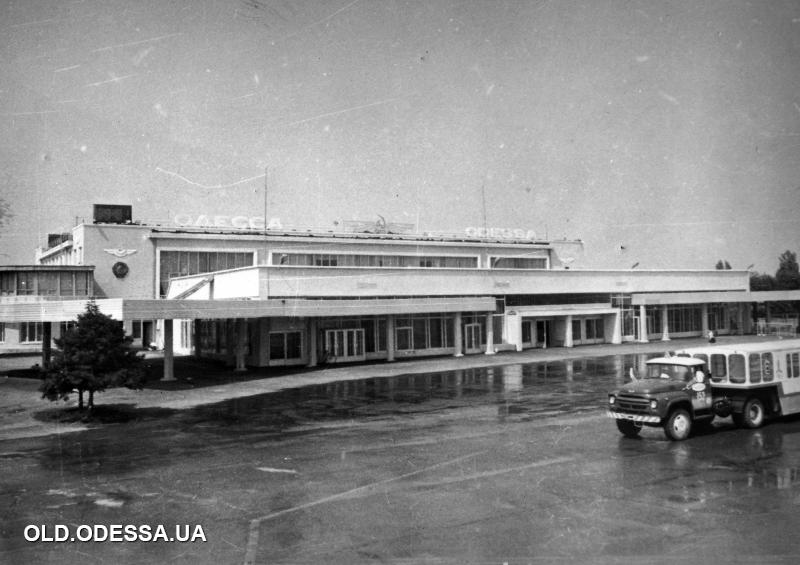
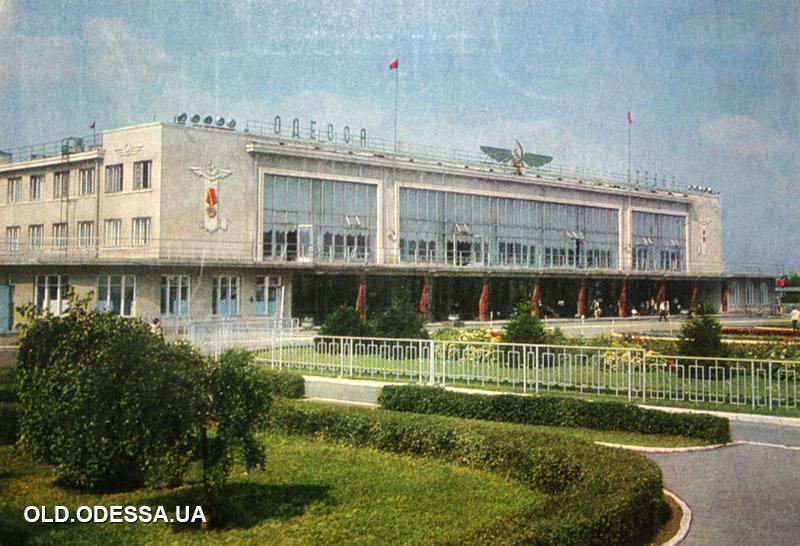
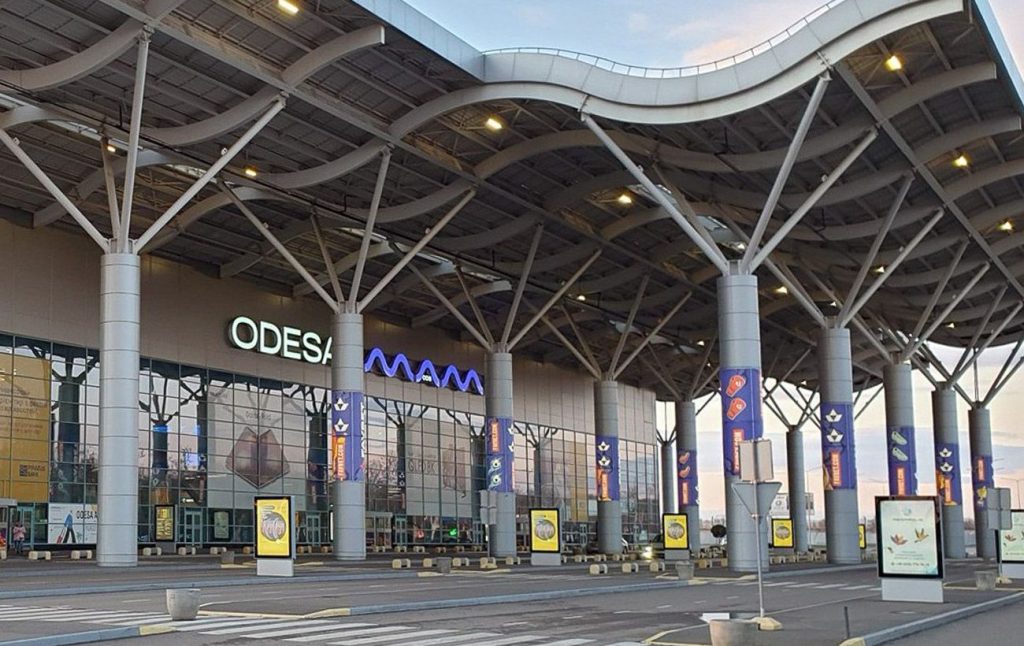
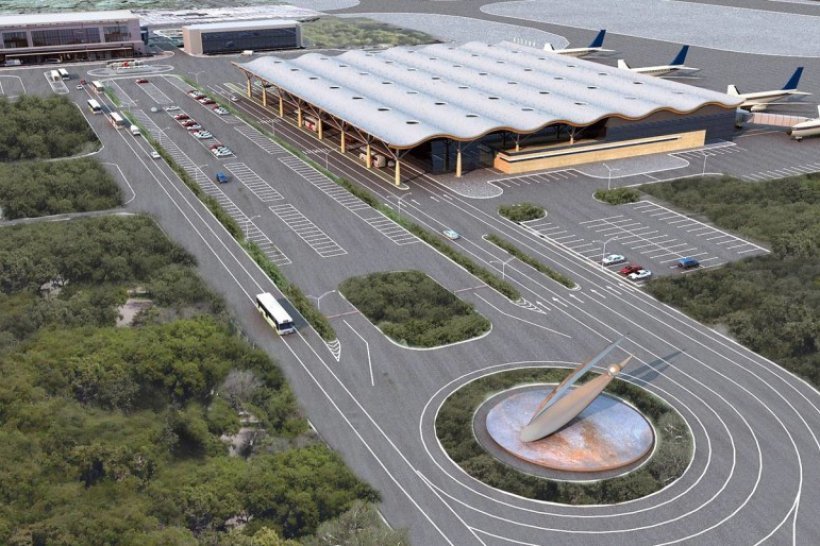
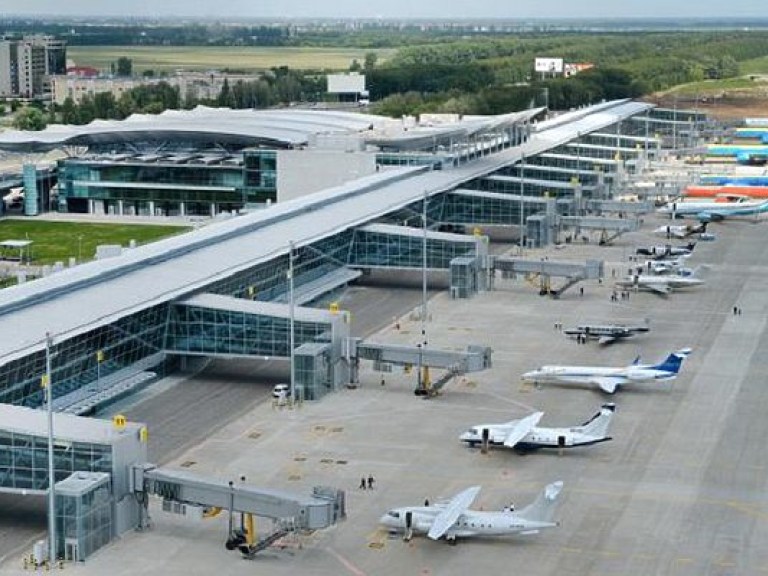
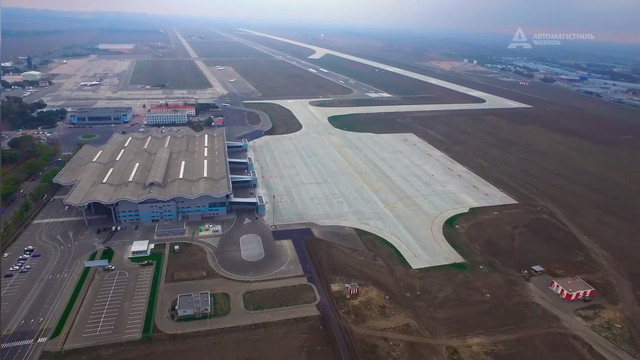
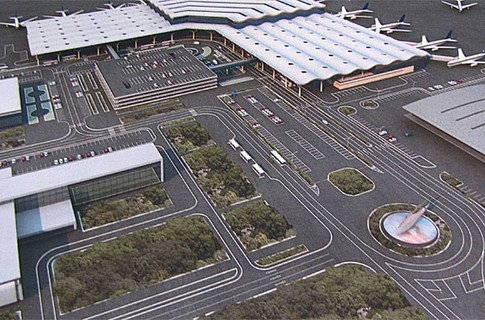
Odesa International Airport is the airport of Odesa, the third largest city in Ukraine. The airport is located seven kilometers south-west of the city center. Odesa International Airport belongs to the group of the largest airports of the country and connects the city with Kiev, some cities of the CIS countries, Europe and the Middle East.
The history of the airport in Odesa began in 1924. Then an air station was opened at the airfield “Shkolny”, which took its first technical flight on 21 May and the first passenger flight “Ukrvozdukhputi” on 25 May.
In 1961, the new Odesa airport was put into operation and began to receive the Tu-104 jet passenger aircraft. Odesa Airport was one of three airports in the Ukrainian SSR, which could take airliners of this type.
June 8, 2012, the reconstruction of the airport started, on this day the builders began preparing the land on which the new terminal will be built. The area of the new terminal will be 26 000 m², the capacity of 1000 people per hour (1.5-2 million passengers per year), 16 registration desks, 4 telescopic gangways will be installed, and the number of exits for landing on buses will be increased from 2 to 5.
Servicing passengers of international flights arriving in Odessa, began in the new terminal on September 2, 2017, so passengers of all incoming flights are now serviced in the new terminal. It is not yet known when it will service passengers from departing flights. Departing flights will still be served in the old terminal.
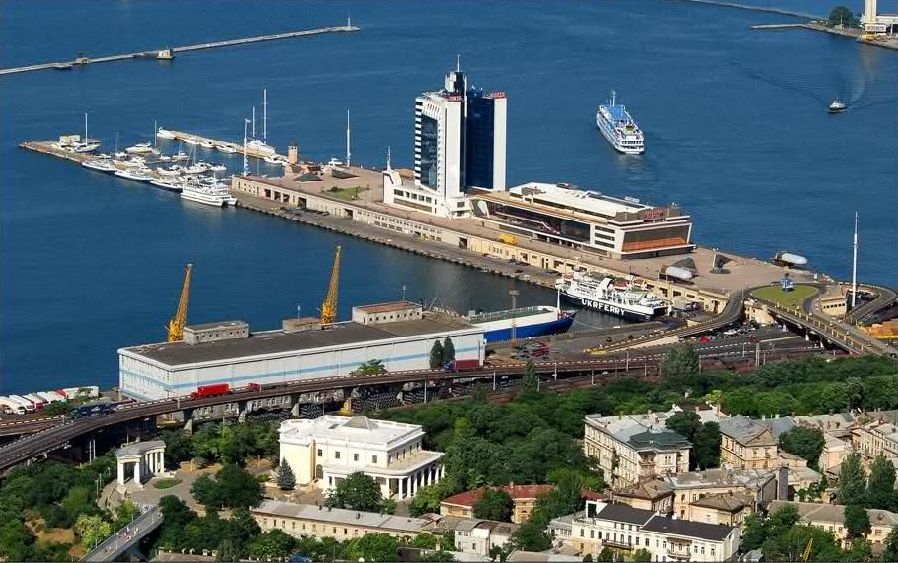
Marine Station of Odesa Port
6 Prymorska Street, Odesa
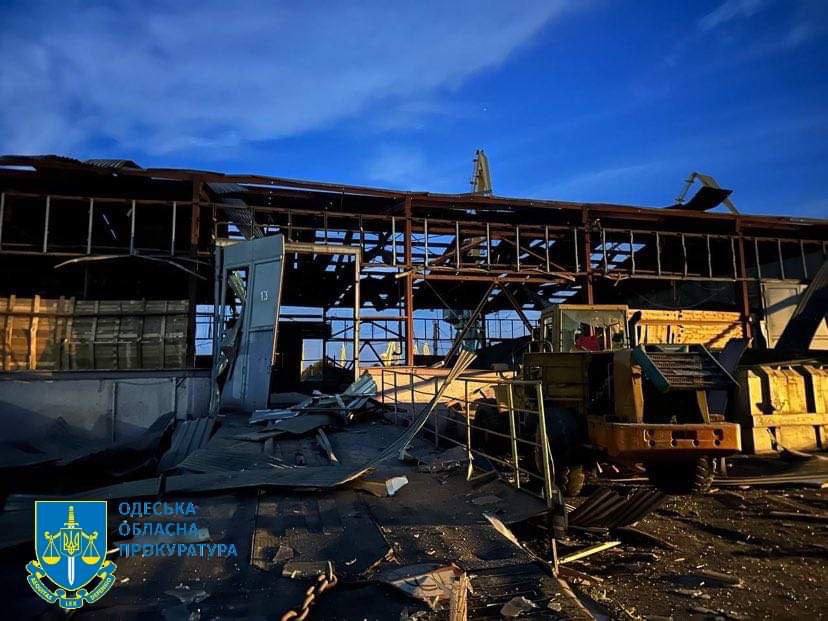
Since the beginning of the Russian aggression against Ukraine, the complex has sustained significant damage as a result of missile strikes by the aggressor. Currently, it remains closed.
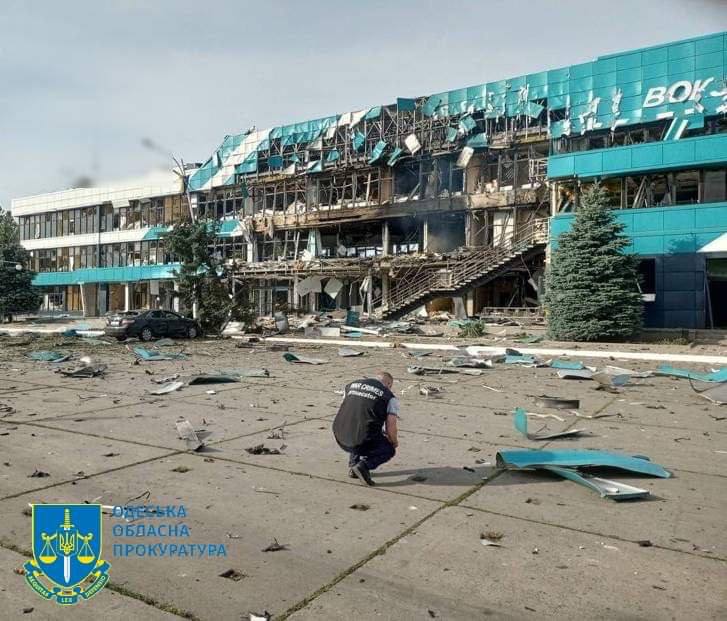
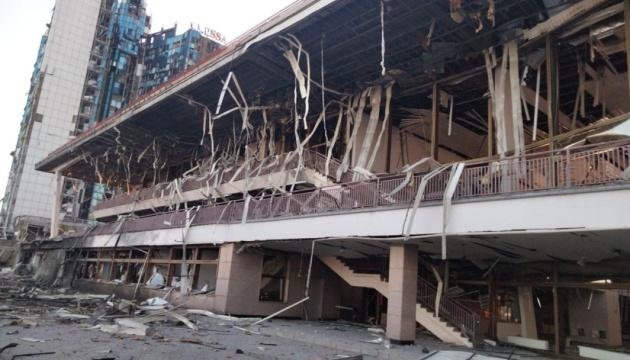
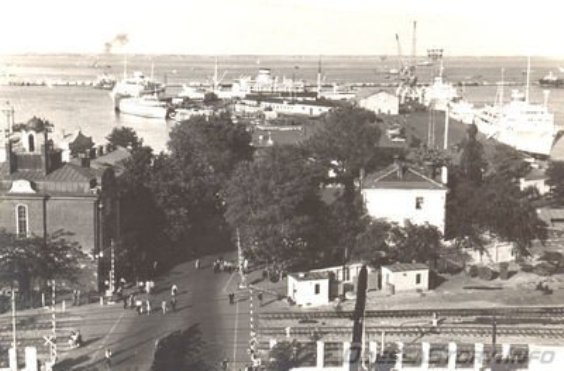
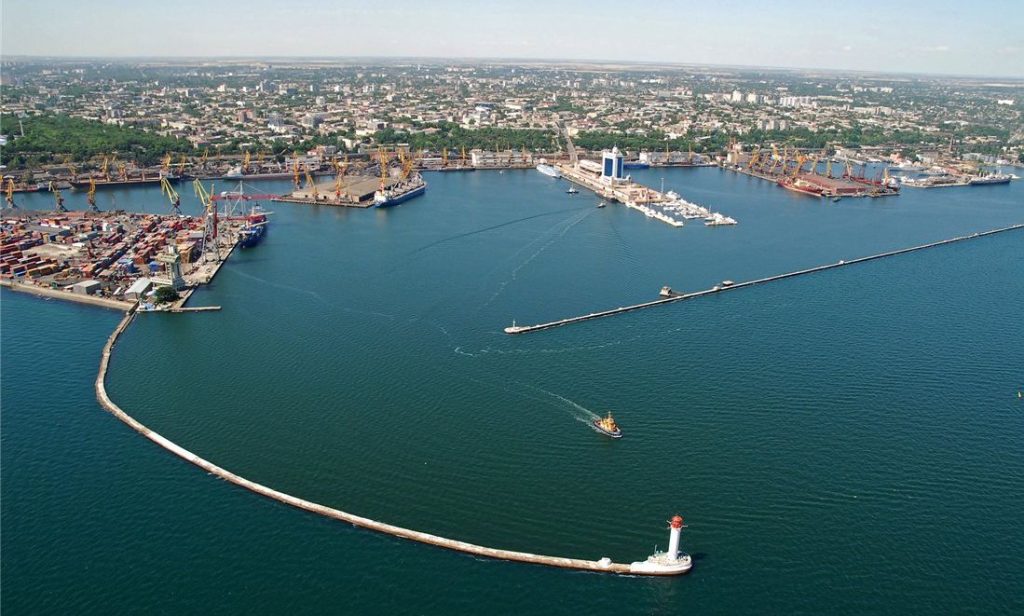
Initially there was no sea terminal in Odesa. Passenger vessels moored to the Military Pontoon. There was also an unpretentious two-story building that served as a maritime station until 1968. It was possible to walk from Prymorska Street to the right side of the military descent to the sea terminal – through the harbor gates and railroad tracks.
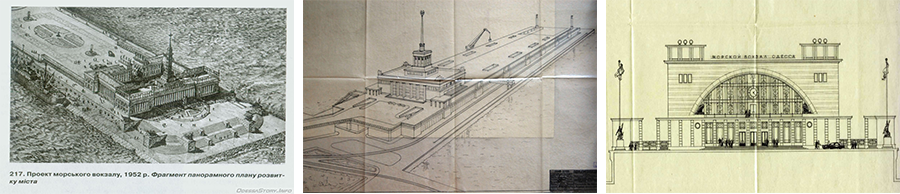
The growth of passenger traffic in the port of Odesa after the Second World War made it necessary to build a more modern sea terminal. In the 50 years she began to thrive Crimean Caucasus line. Marine passenger terminals were built in the port cities of the Black Sea – for example, in Sochi, made in the style of the Stalin Empire, sometimes called “staliance”. Projects of the sea terminal in Odessa on the New Mole appeared in the early 50’s. The first two projects are classical empire buildings, surrounded by colonnades, porticos and crowned with a high spire..
Under Stalin, the new sea terminal in Odesa was never built. And later, in the framework of the struggle against the “architectural excesses” initiated by Khrushchev, the project has changed very much. The building was moved from the end of the New Mall to its head, made more “cubic” in the spirit of constructivism and functionalism, but at the same time retained the columns characteristic of the Empire. But in a couple of years the project changed again. Several variants of the project for 1958 show the building of “transitional” architecture, without a high spire and very similar to the post-war railway stations.
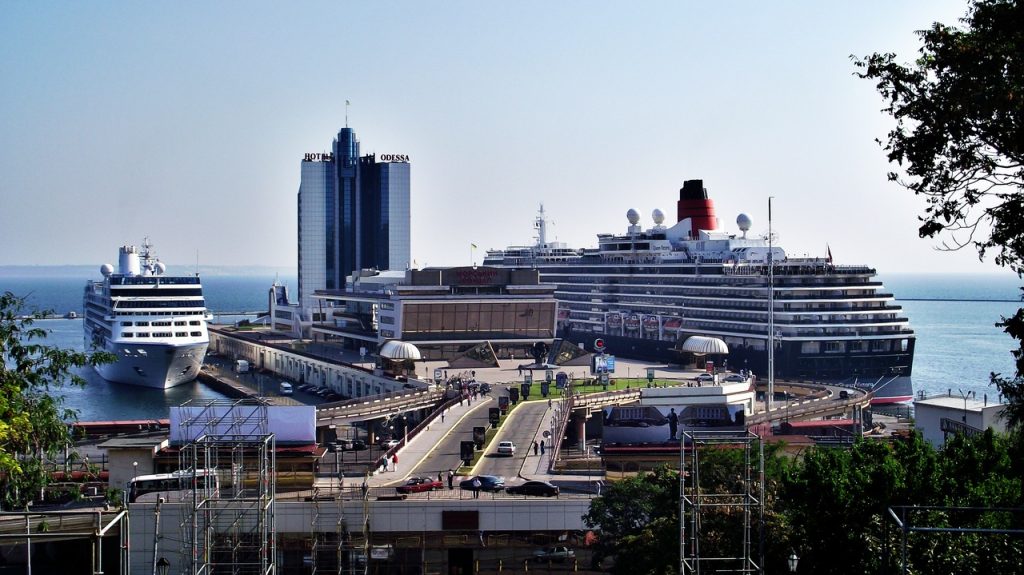
In the 1960s, the project of the sea terminal received completely different characteristics; this project was designed by the architect V.P. Golovin and V.K. Kremljakow. Now it was a huge building, imitating the contours of a passenger ship, but made of glass and reinforced concrete.
The building of the sea station was put into operation in 1968, although most of the works were completed by the planned date – the 50th anniversary of the 1917 revolution in 1967. Before this event builders had to extend the New Mall by 70 meters, and at its underground level to build a huge warehouse complex.
After the construction of the marine station, the new mole received passenger and cargo ships at the same time. Freight cranes were kept on it, and along the berths there were railroad tracks. For convenient transfer of passengers onboard the liners, there were mobile ladders-bridges. The entrance pavilion from Suvorov Street (now – Prymorska) with escalators was also constructed, and the line of the old funicular that ran along the Potemkin Stairs was replaced by a modern escalator. Over the railways Odesa-port stations a bridge-viaduct was built.
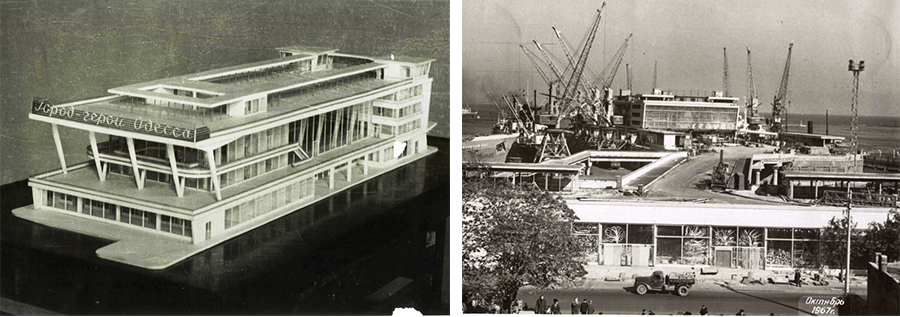
In its original form, the Marine Station stood until the early 1990s. By 1994, the building was overhauled, with most of the original interiors replaced with a more modern furnish. Instead of warehouses on the underground level, a huge concert and exhibition hall was arranged, the interior of the passenger terminal was expanded and the yacht club was built. By 2001 a high-rise hotel building was erected on the New Mole, originally belonging to the Kempinski hotel network, but then it was withdrawn from its control due to structural defects. On the square in front of the marine station appeared the sculpture “The Golden Child” by Ernst Neizvestny, and in 2002 on the quay an elegant monument to the Sailor’s wife was created, by the authorship of Alexander Tokarev.
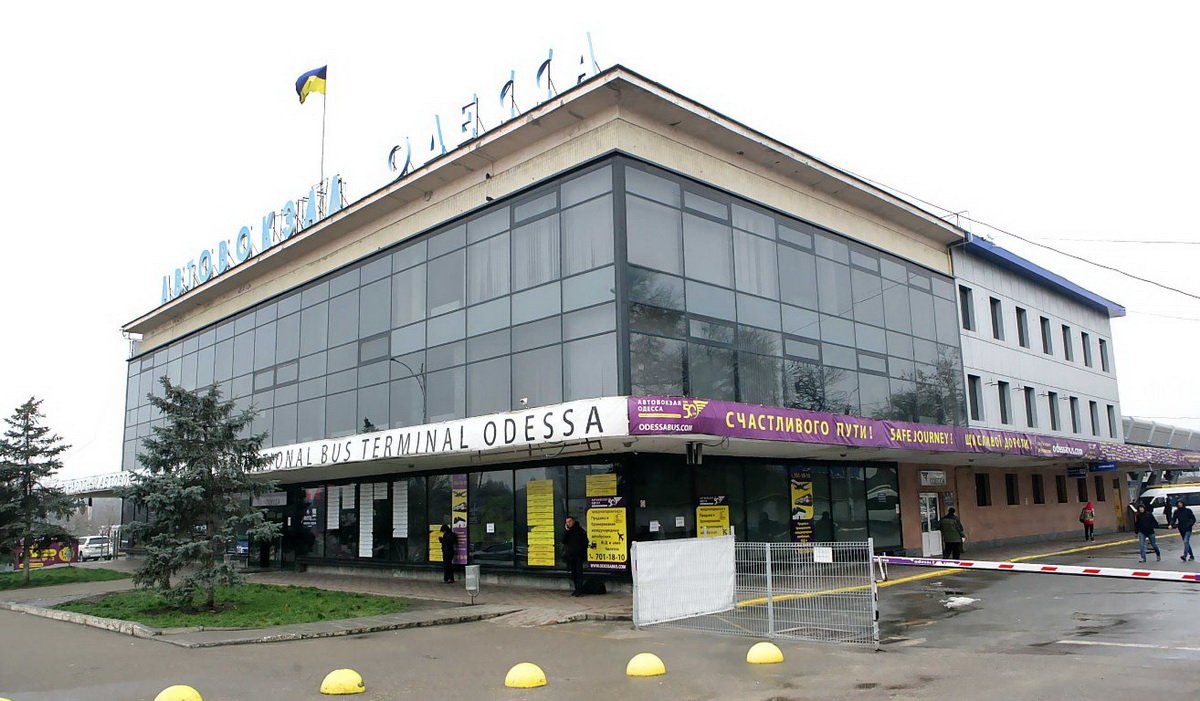
The International Bus Station Odesa is located near the major traffic junction of the city leading to the historical center and also different parts of the city. This provides a convenient and fast access to various types of public and private transport.
Also, the location of the bus station provides passengers with a quick exit to the routes, which excludes a long stay in urban traffic jams, especially in areas of large crowds.
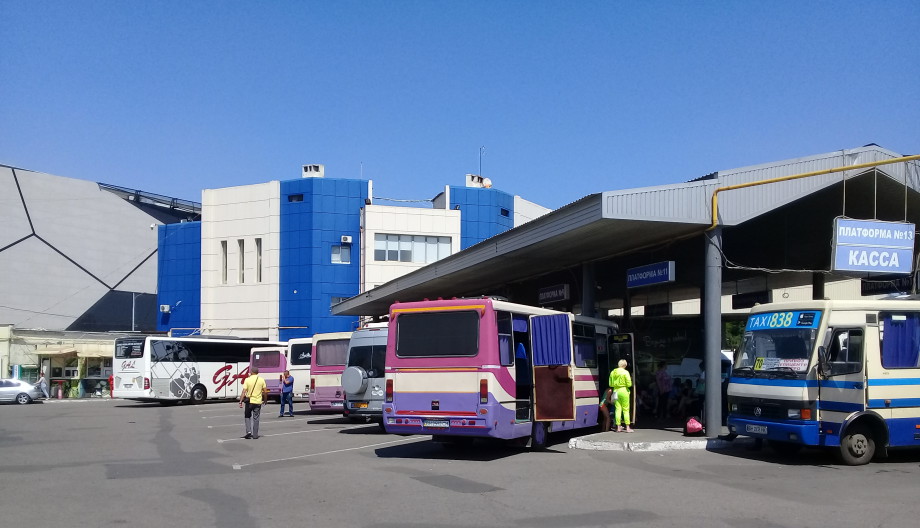
Pryvoz Bus Terminal in Odesa is a relatively new terminal located near the central railway station. The main directions of buses of this bus station are long-distance.
Bus station Pryvoz was opened in 2003. Today, thousands of buses run daily, about 15,000 passengers visit the bus station. At the bus station Pryvoz there is a help desk and 10 ticket offices. A special ticket window for people with disabilities is open, where without a queue it is possible to issue a travel document or get help information. Also there is an opportunity to buy tickets online. In 2016, the building of the bus station was renovated, ramps were installed for the disabled, drivers were given a new driver’s uniform.
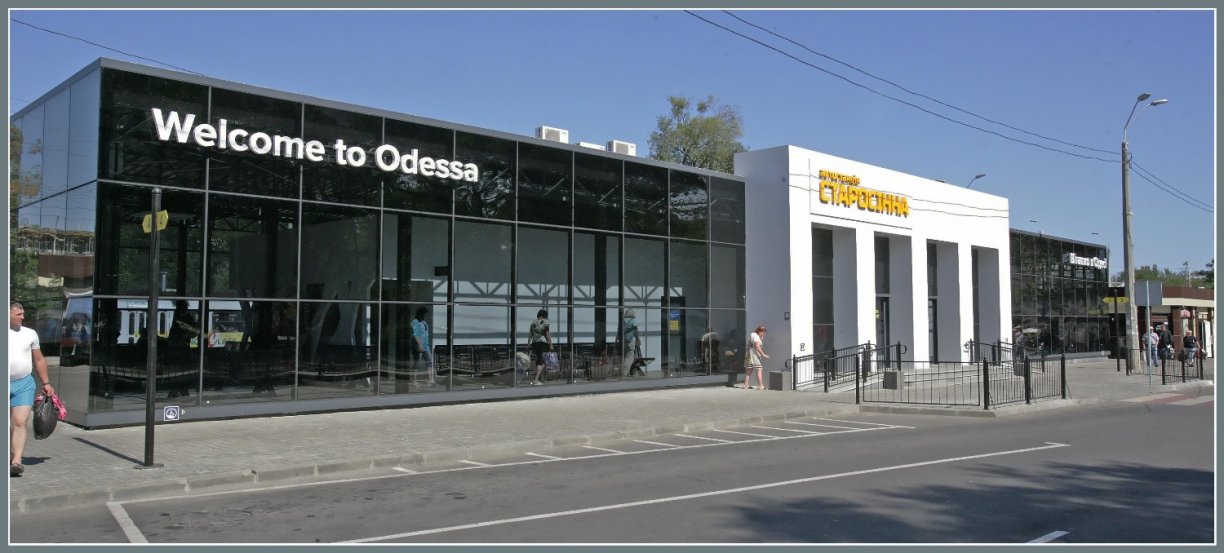
The new bus station on Starosenny Square is officially opened in 2017. This is the first new bus station in the last 20 years in Odessa, and it meets all European standards.
The platforms are divided into three zones: urban, regional and interregional routes. The premises are equipped for people with disabilities; there are special ramps, ticket offices and toilets. Braille inscriptions and tactile paths for visually impaired people will be made in the near future.