By the end of the 19th century, from a small but multinational Black Sea town, Odesa had become one of the largest cities in the Russian Empire. The big city could not remain without an extensive system of transport communications, which could provide proper conditions for the exchange of goods between the city and the port, as well as the transportation of passengers over long distances. Since then, the chronicles of Odesa urban transport begin…
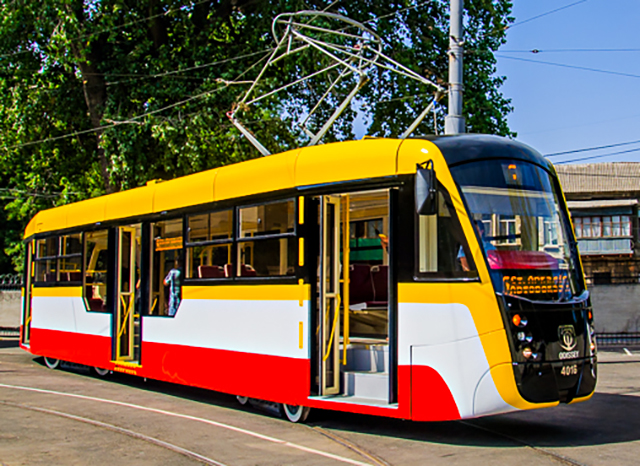
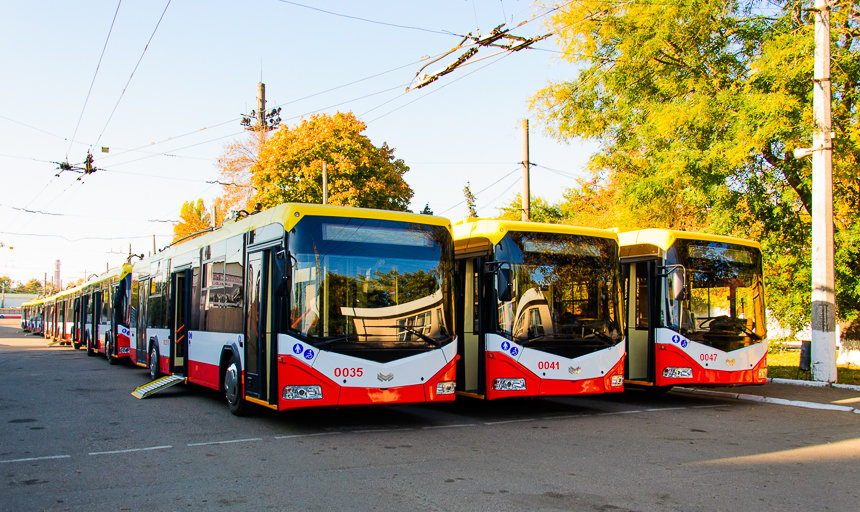
History of Odesa Trams
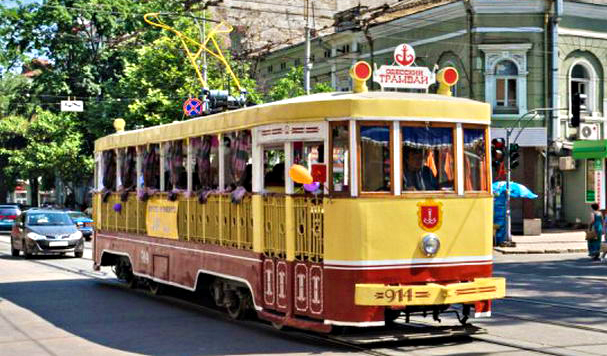
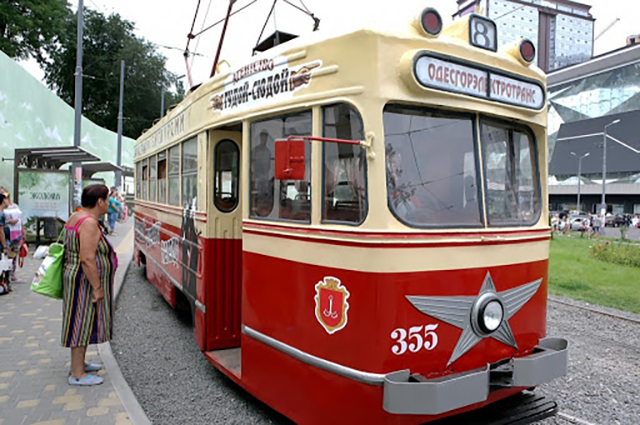
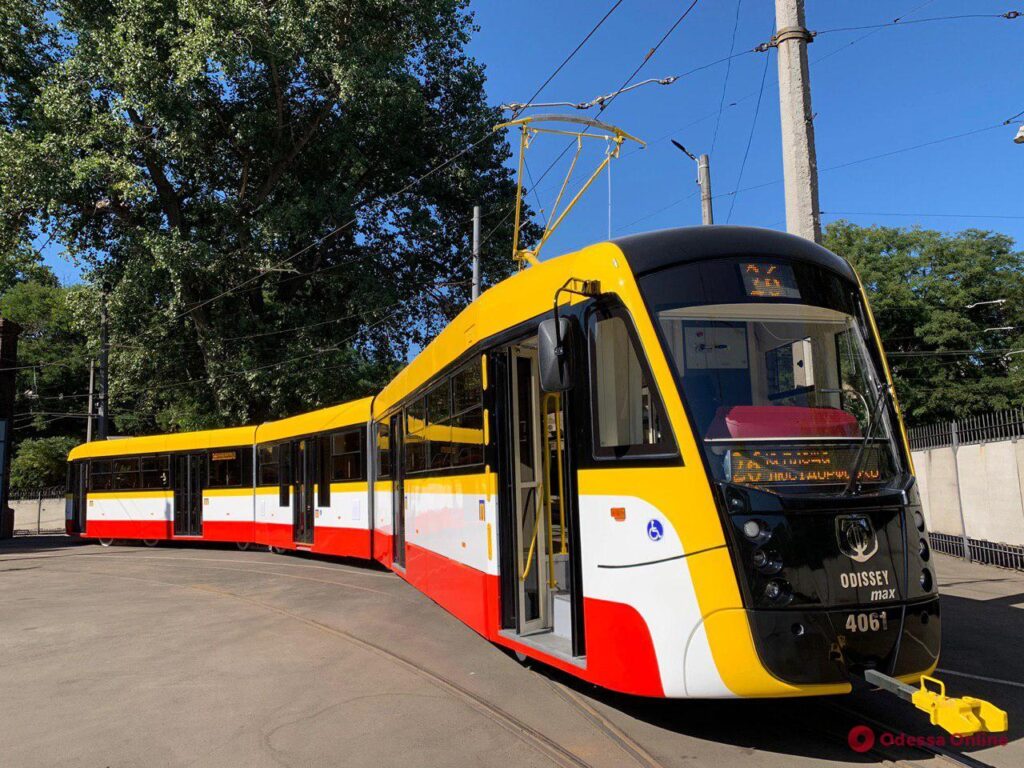
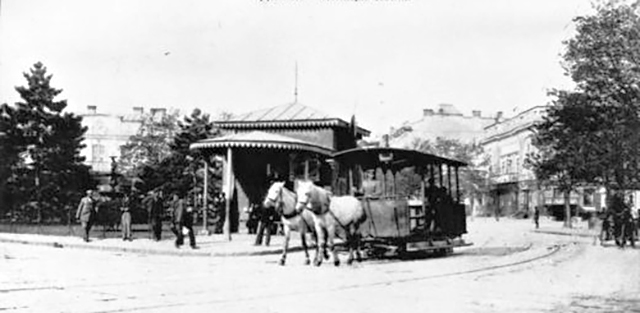
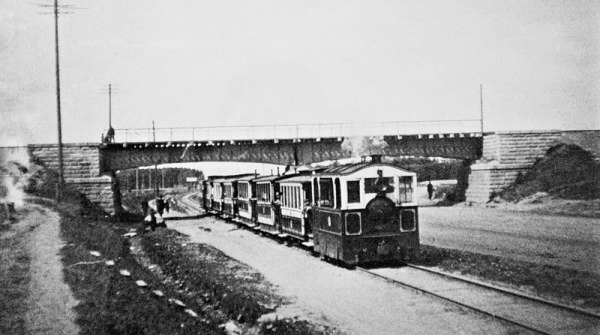
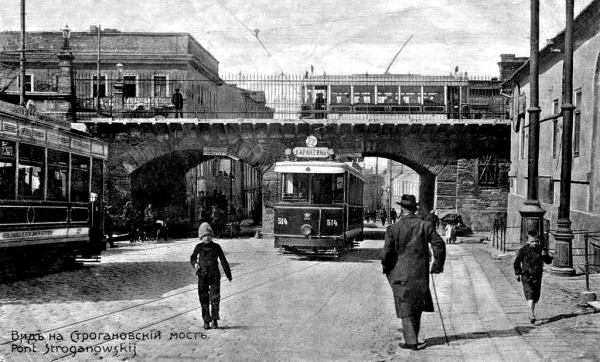
By the eighties of the XIX century, the territory of the city had grown, the population of Odesa had reached 250 thousand people. The open horse-drawn carriage and wagonette were the main vehicles.
The Belgian association of horse-drawn tram has suggested the construction of the horse-drawn railway. The City Duma has agreed with their suggestion. So, on July 7(20), 1880, the first line of the horse-drawn tram was opened in Odesa. Its route started from Rishelievska street, passed through Poshtova, Kanatna streets, Sabaneiv lane through Olexandrovsky Park to the Langeron beach. Only sitting places were permitted, there were only six people, who could stand on the backside of the wagon. Passengers were not allowed to stay at the front platform and stairs of the wagon. One trip at the tram cost five cents. By the end of 1888, there were already 19 routes of the horse-drawn trams. The horsecars were stored in a Motive power depot on Kulykove Pole, and the horses were kept in stables on Botanichna Street (between Kanatna Street and French Boulevard).
Then two new lines were built but with steam trams. One line went from Panteleimonivska street to the beach “Golden Coast” (16th station of the Big Fountain), another one – from the Kherson Square to the Khadzhybei Estuary (9 km long). The horses were replaced by steam locomotives. They were small steam locomotives with a clumsy wide pipe, for which the inhabitants of Odesa called them “Vanka Golovaty.” In memory of the “little trains”, tram stops on the Bolshefontanska and Lustdorfska roads were called stations. And they have the same name now too. Some structures of the stations are still maintained (8, 9th stations).
Despite the growth and successful functioning of the Odesa horse-drawn trams and tram engines, which by that time consisted of more than 17 routes, the shortage of transport routes and facilities was felt quite severely. Consequently, the City Duma received a lot of suggestions to rearrange some horse-drawn lines on electric lines and to expand the length of the tram routes, which would make transportation faster, more convenient and functional.
However, all these recommendations, despite their efficiency, were rejected by the city administration for many years. The problem of ejecting an electric tram, for certain reasons, hung in the air for almost a decade. Only in 1908 the newly elected authorities of the new City Duma acquainted with the “Note on the case of concluding a contract with the Belgian joint-stock company of horse-drawn tram for the construction of an electric tram in Odesa within the city borders”. They decided to implement the suggested project. Also, they entered into agreements with the Belgians on rebuilding the horse-drawn lines and steam tram lines to electric tram lines, the construction of new electric railway lines and their operation in Odesa.
On 1910 construction was at full blast. The tram opening was decided to connect with the opening of the Russian Art and industrial exhibition in Odesa, which was designed to show the economic development of the south of the country. The exhibition was held in Olexandrivsky Park (now – Shevchenko Park), and the first line of the Odesa electric tram started from here, from the side of the Leadersovsky Boulevard. The opening ceremony was held on September 24, at noon. At the end of the ceremony, four colorful wagons left the temporary depot, headed along the exhibition alley in Olexandrsvsky Park, then along Sabansky Lane, Kanatna and Greek Streets and finished their run on Greek Square. The first ride received the sincere interest from Odesa citizens: both young and old, they went to the main streets to the tram lines to personally observe the grand procession of the new Odesa miracle.
“I remember myself standing in a crowd on Greek Street in Odesa and waiting, like the whole crowd, for the appearance of a tram wagon in front of us that only started running for the first time today …”- wrote Yuri Olesha in his book “No Day Without a Line”. – The tram appeared on the bridge, yellow-red, with a glass vestibule in front, running pretty fast… Following our yells, he passed us … A mister in a bowler was behind the control, and everyone said his name: Legode. That was the director of a Belgian company that built the first tram line in Odesa”.
That exactly how many inhabitants of Odesa memorized September 24, 1910 – the day when the first electric tram was launched. 110 years have passed since then, and this kind of transport continue receiving wide popularity among Odesa citizens, especially in the summertime. Since then, the Odesa tram has developed, modernized, transformed its appearance, received a route number … Only its purpose still the same – to help wonderful people, inhabitants of Odesa and guests of the city.
History of Odesa Trolleybuses
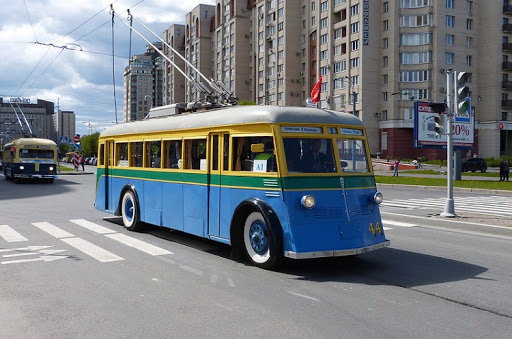
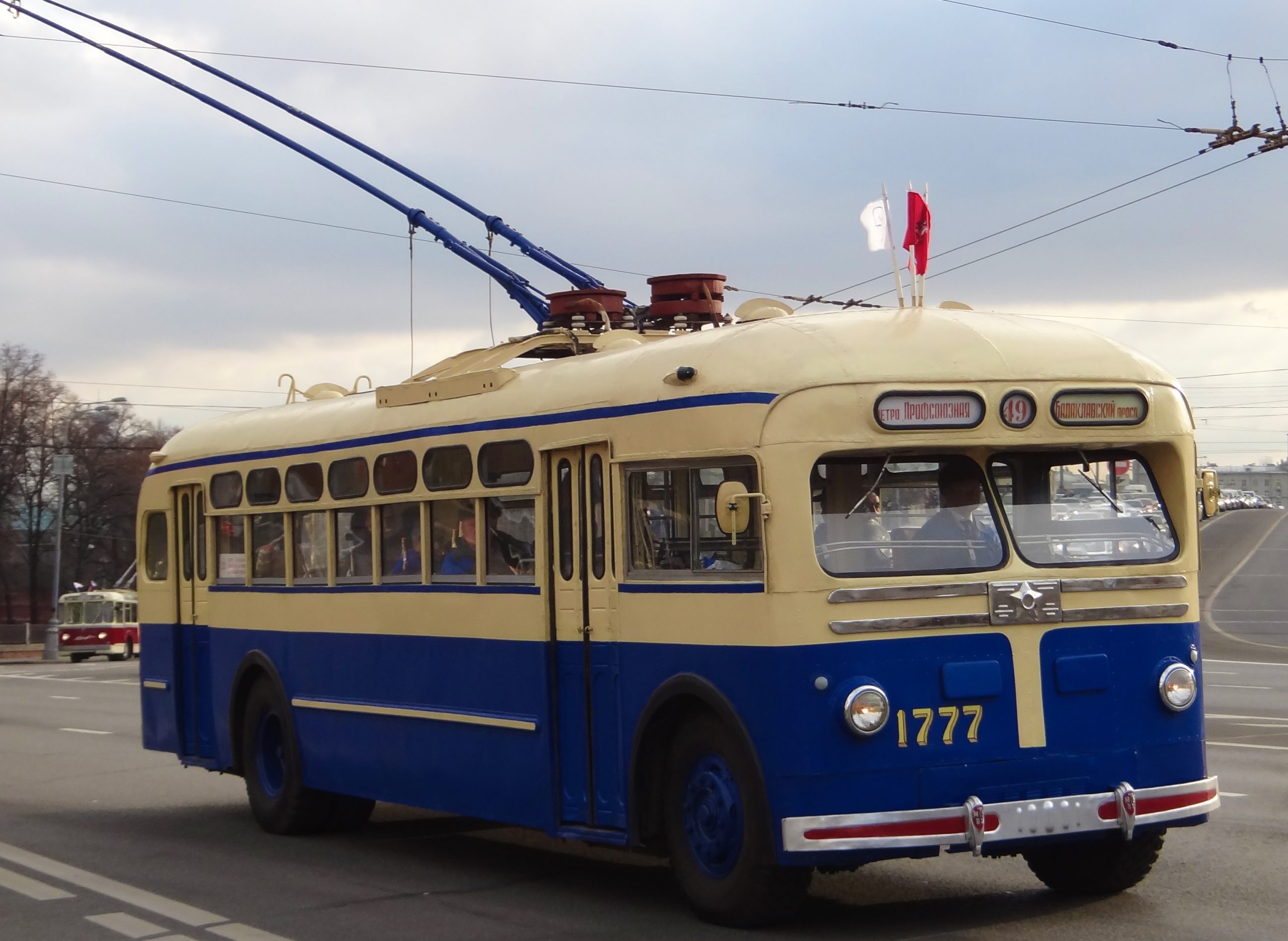
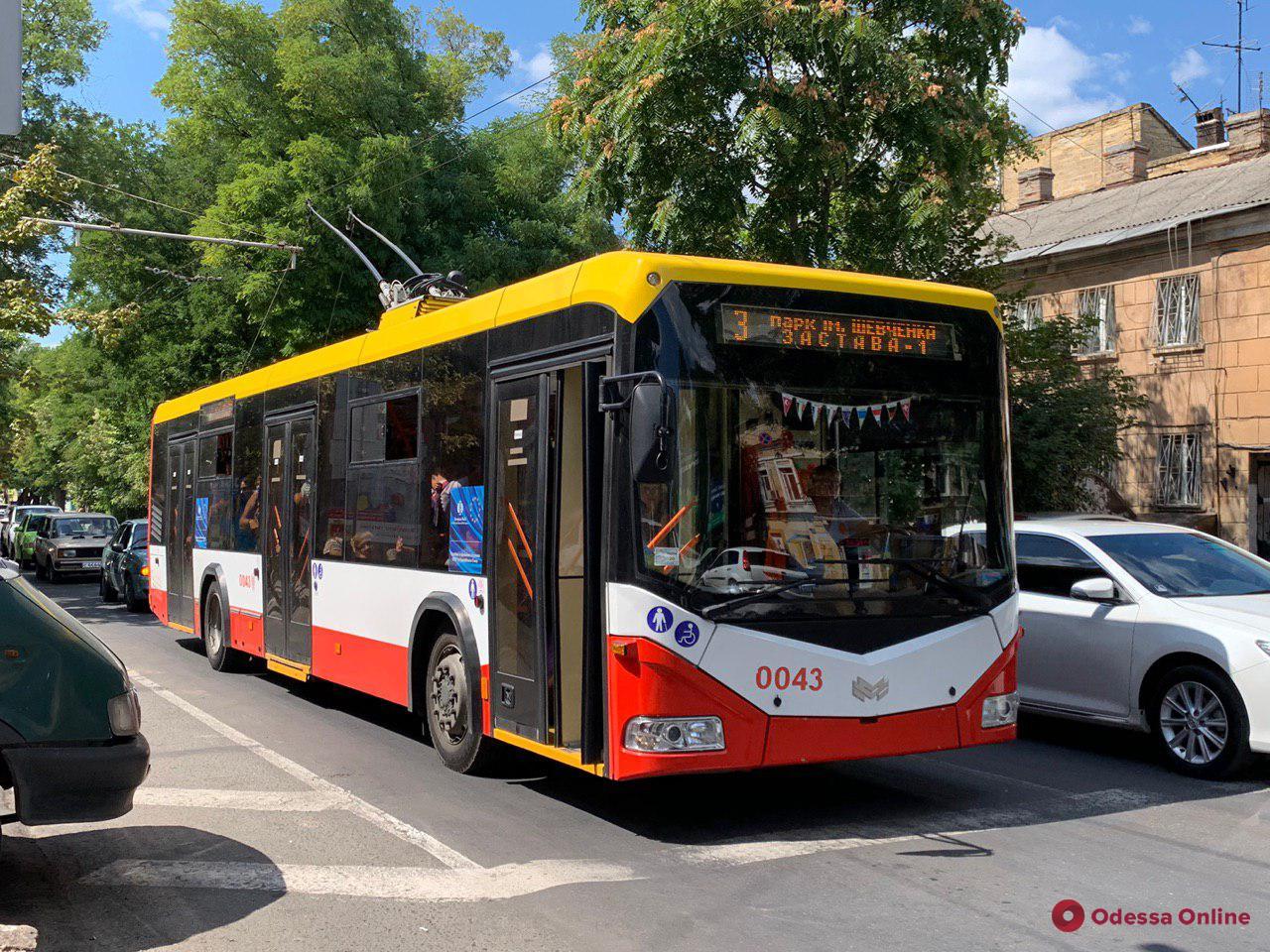
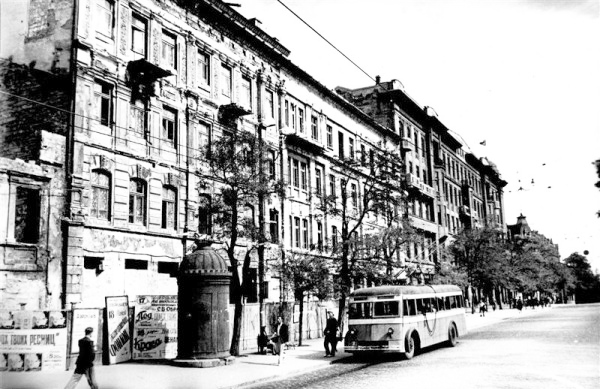
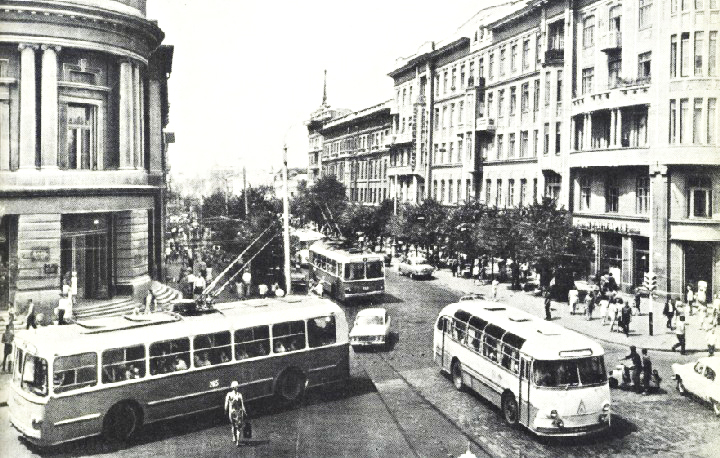
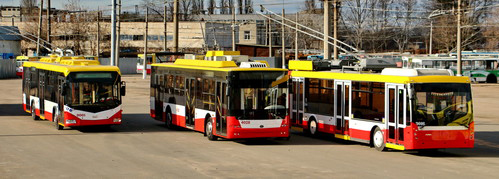
On November 7, 1945, the grand opening of the trolleybus line was held in Odesa. The first line was built back in 1941, but the war prevented its opening. The Romanian invaders took away all the equipment prepared for the launch of the first phase of the system, including ten new trolleybuses YATB-4, which were built at the Yaroslavl Automobile Plant. Only in 1944, after the liberation of the city, the stolen equipment began to return to the city. However, instead of new trolleybuses, the destroyed, broken, burned and understaffed in Romania machines reached Odesa. Together with ten of Odesa trolleybuses, a destroyed trolleybus of the same sort came from another city, also from Romania.
In a situation of an extreme deficiency of wartime, workers of the Odesa Trolleybus Trust restored trolleybuses and the city contact network. After repairs, future drivers received training on that trolleybuses. On October 4, 1945, a special committee approved the city trolleybus network; on October 6, there was the first test run. On November 7, the first route of the Odesа trolleybus “Railway Station – Lev Tolstoy Square” was opened. Originally, it passed along Pushkinska (now – Europian), Deribasivska streets and Lev Tolstoy (now – Kira Muratova) street. Afterward, in connection with сlosures of traffic at Deribasivska street in 1984 and because of changes in traffic patterns in the city center, it obtained its current view.
Since then, the Odesa trolleybus network faithfully serves for carrying Odesa residents and guests of Odesa around the city…