Menu Close

National Cultural Centers of Odesa

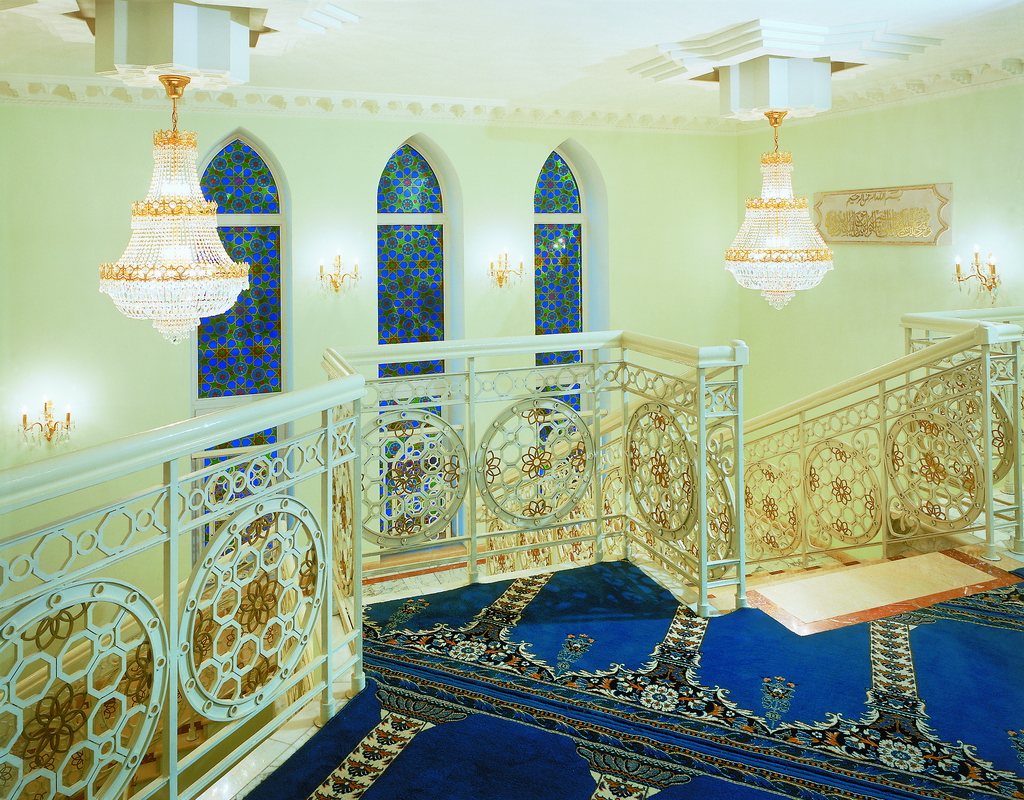
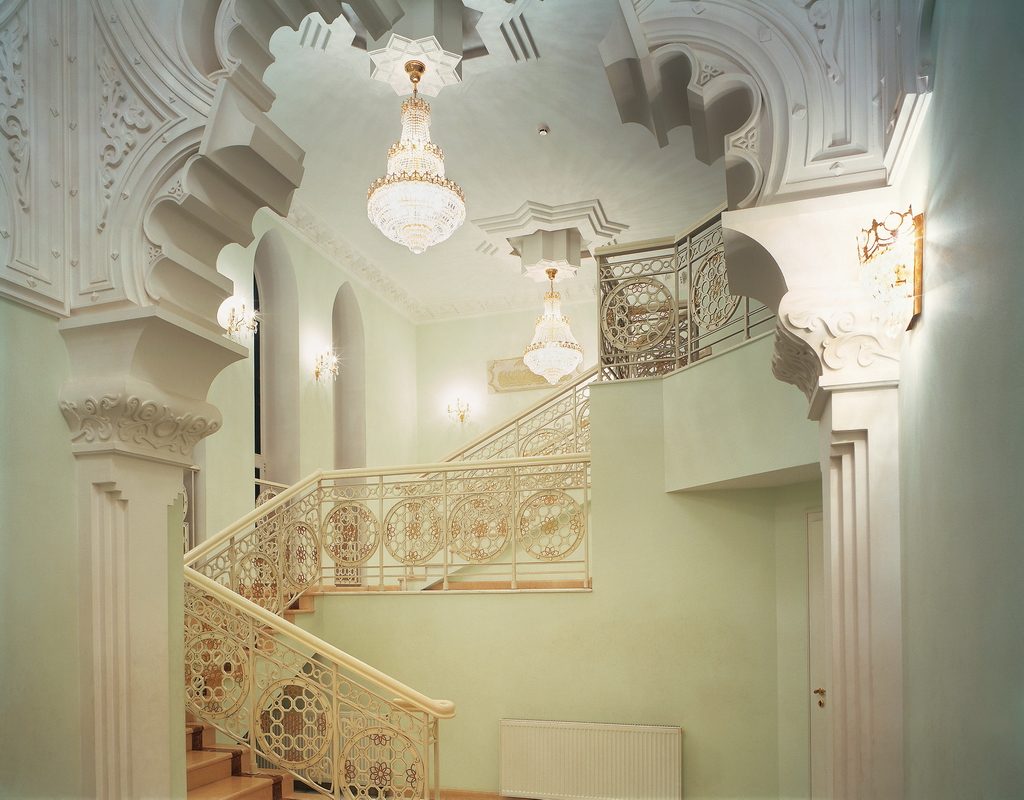
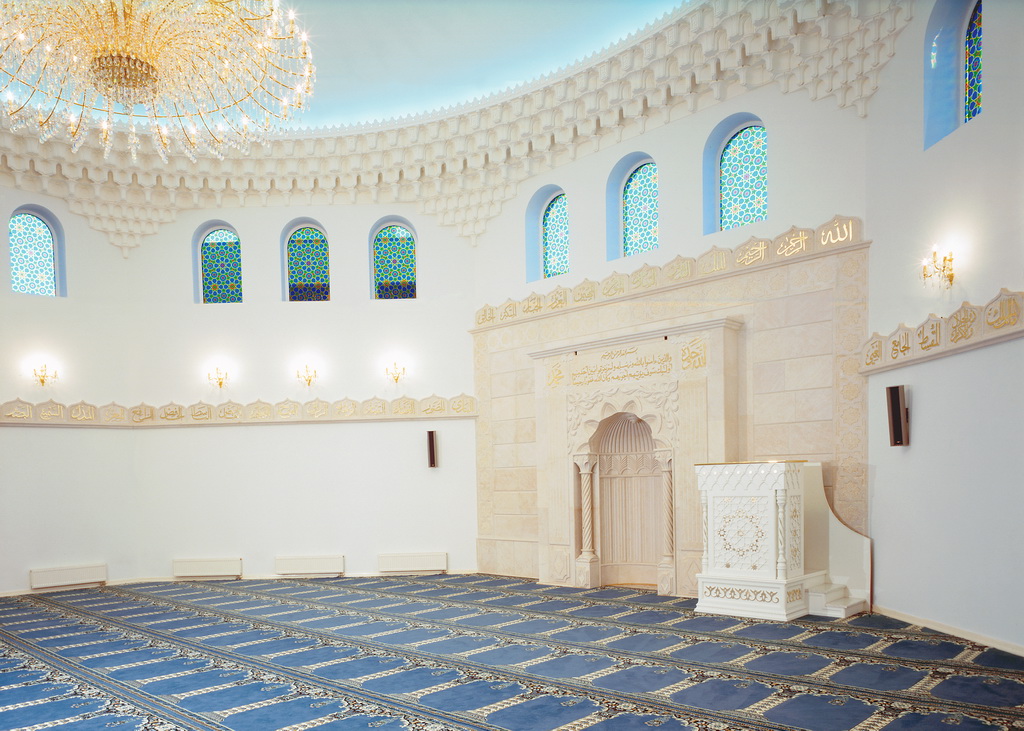
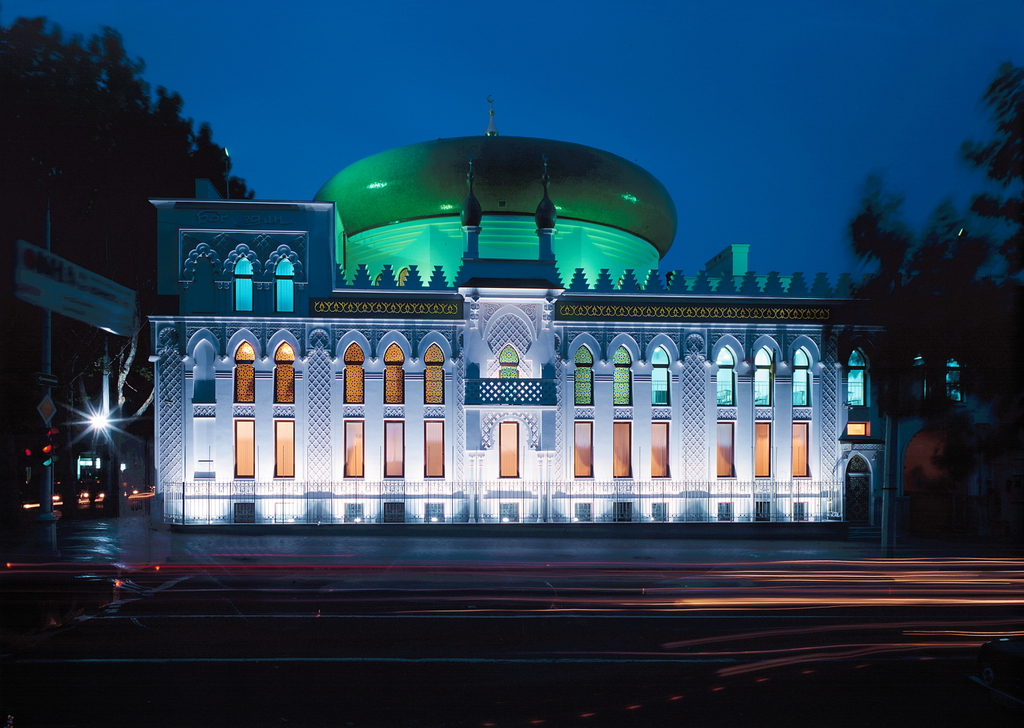
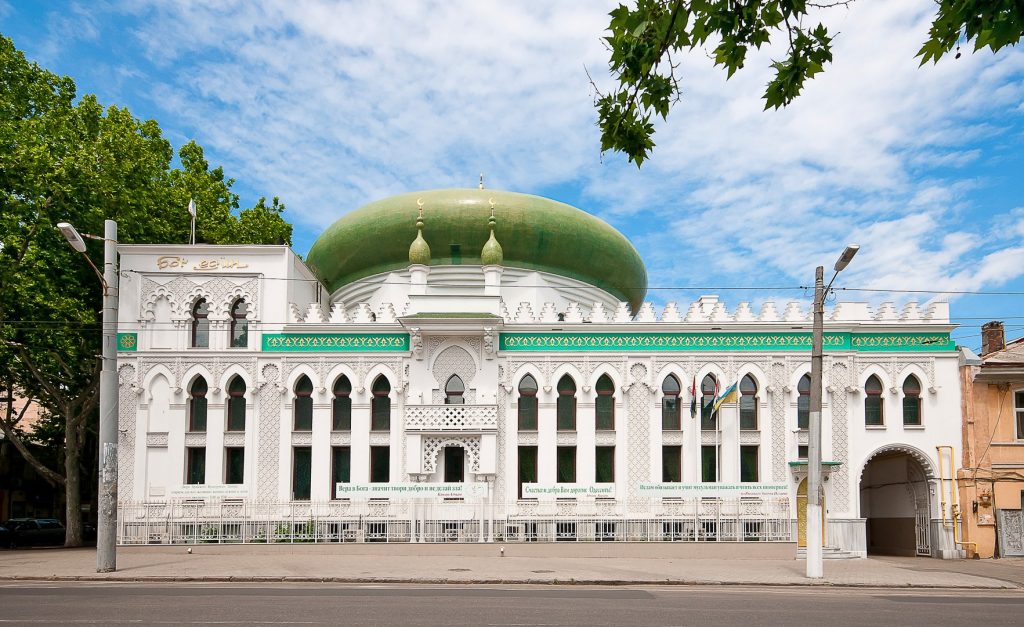
The original modern building of the Arab Cultural Center in Odesa has every potential to become, over time, an architectural landmark. This large structure, designed in the Moorish style, was built in 2001 with funds provided by the Arab entrepreneur Adnan Kivan. The mosque stands out prominently within the urban landscape and is a true oriental gem of Odesa.
Upon entering the prayer hall, both men and women are required to remove their footwear, and women are provided with long hooded robes. Inside the prayer hall, the delicate ornamental latticework of the stair railings and architectural elements gives the interior of the mosque a refined and airy appearance. Apart from several small bookshelves along the sides of the halls, there is no other furniture. The entire floor is covered with a soft carpet, whose pattern appears to divide it into equal squares that serve as a symbolic delineation of places for worshippers to sit.
Beneath the ceiling hangs the main decorative feature — a large crystal chandelier that sparkles with hundreds of lights. The Arab Cultural Center in Odesa is open for excursions that introduce visitors to Arab culture. An Arabic language school and a library also operate within the center.

http://armenia.od.ua

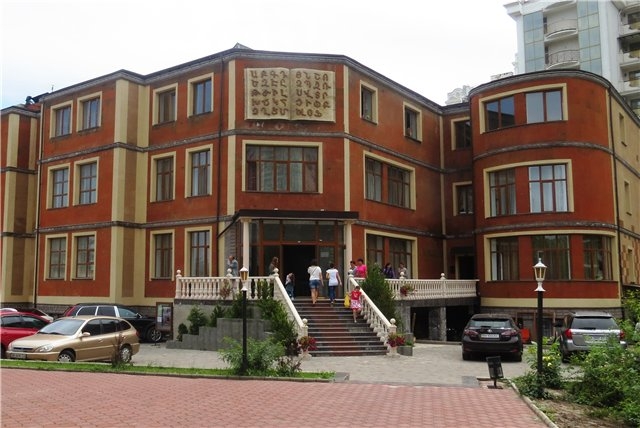
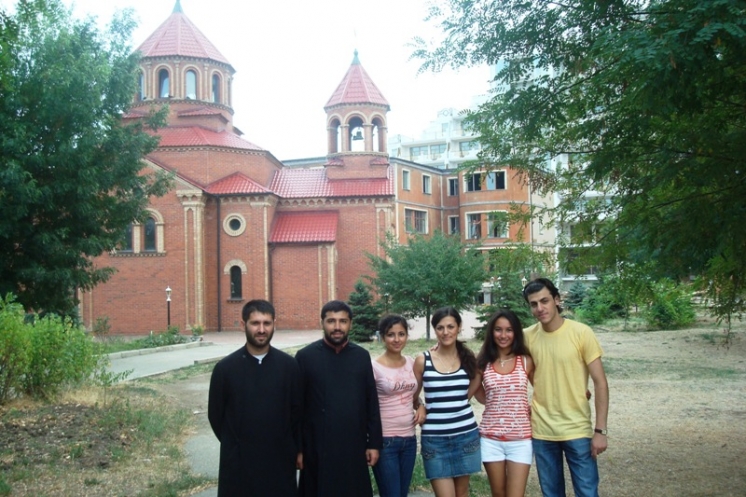
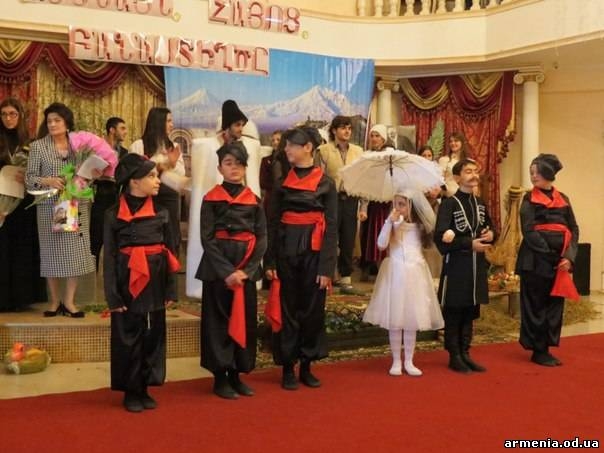
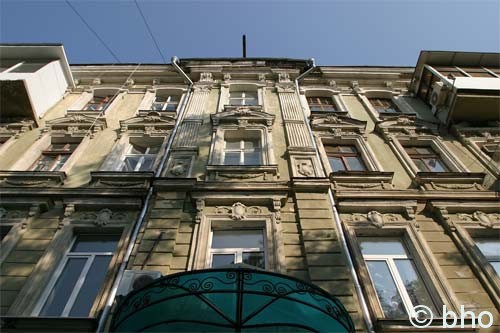
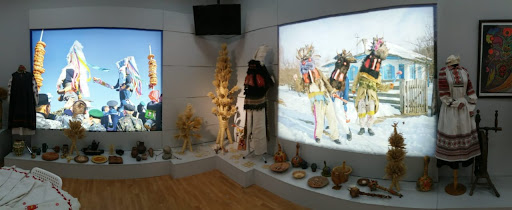
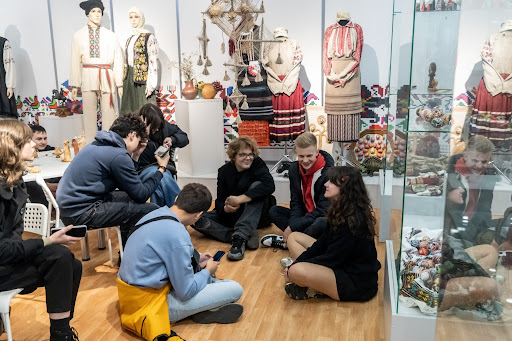
The Cultural Center named after Levon Kalustian was inaugurated on 29 November 2008. It is not only a beautiful building, whose pediment is adorned with a book featuring the immortal Armenian alphabet, but also the core of the community’s cultural life. It houses a Sunday school, a Sunday kindergarten, an ethnographic museum, a library, and the Vernatun Gallery, while the Women’s Union and various cultural groups actively operate here.

http:http://www.bayernhaus.com.ua/

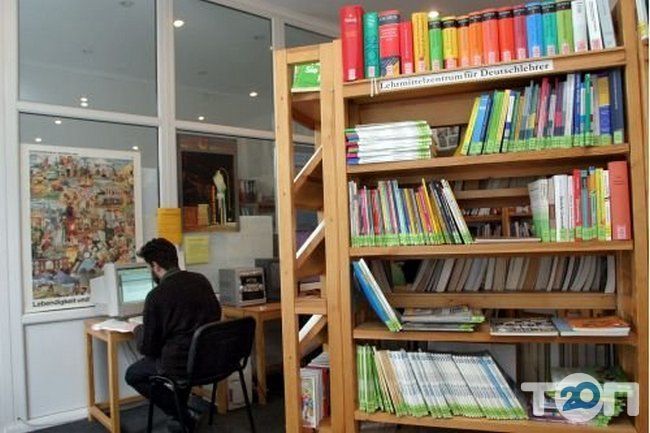
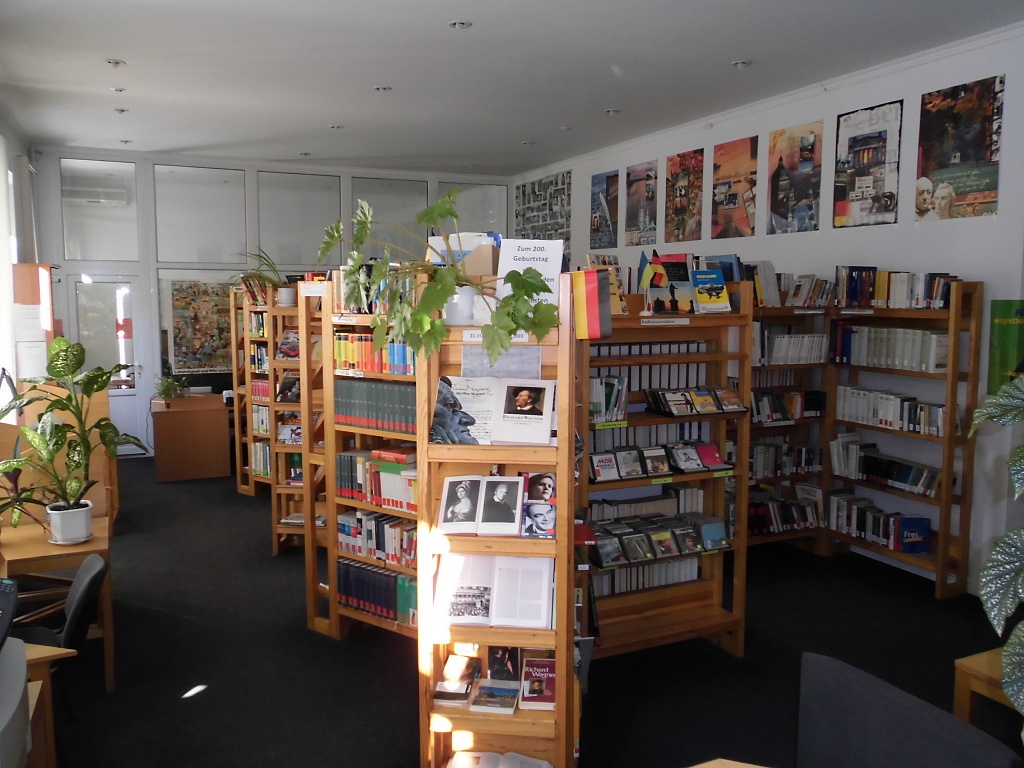
The “Bavarian House, Odesa” was established as a German cultural center on 11 July 1993 at the initiative of the Bavarian State Ministry of Labor, Social Affairs, Family, Women and Health, with the support of the Evangelical Lutheran Church of Bavaria, within the framework of the intergovernmental agreement between Ukraine and Bavaria of 1990. The initial objectives of the “Bavarian House, Odesa” were the revival and development of the culture and language of ethnic Germans in the Black Sea region of Ukraine, support for German families relocating to Ukraine from countries of the Commonwealth of Independent States (CIS), and the strengthening of mutual understanding as well as cultural and business ties between the Ukrainian and German peoples.
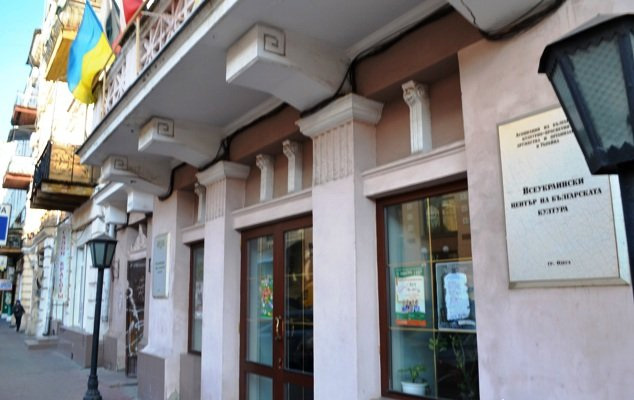
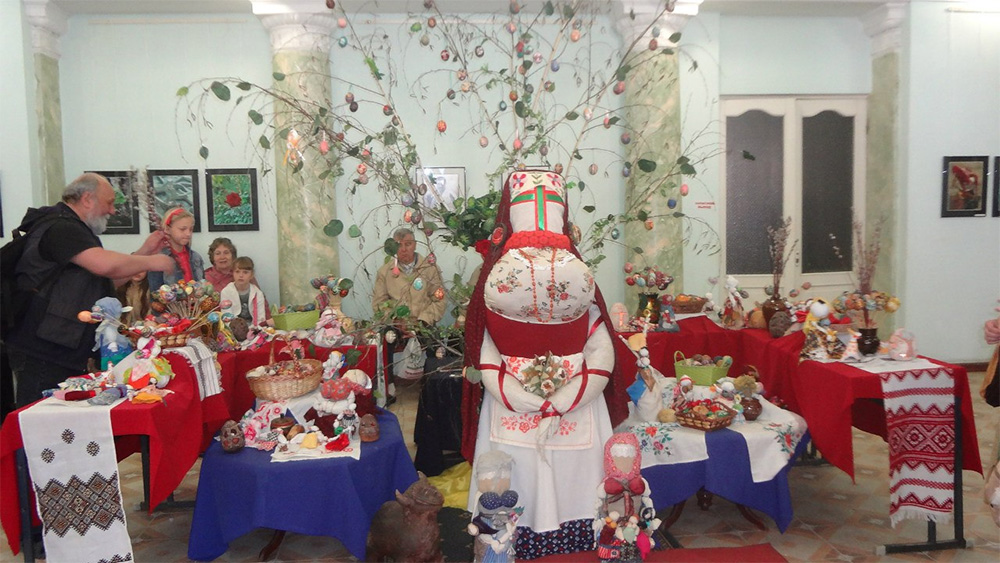
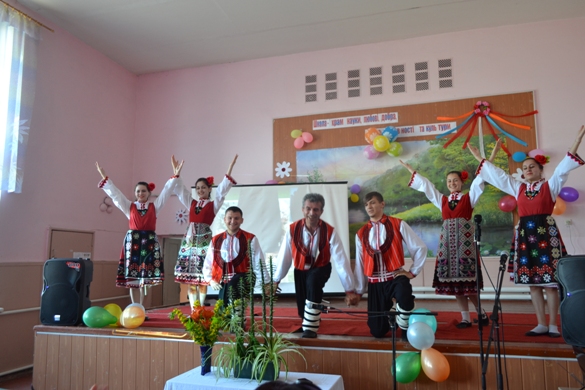
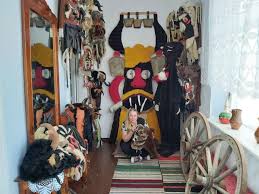
The Bulgarian Cultural Center in Odesa was established by representatives of the Bulgarian diaspora living in the city. The Center hosts national holiday celebrations, exhibitions, and film festivals, and runs creative workshops for young people.
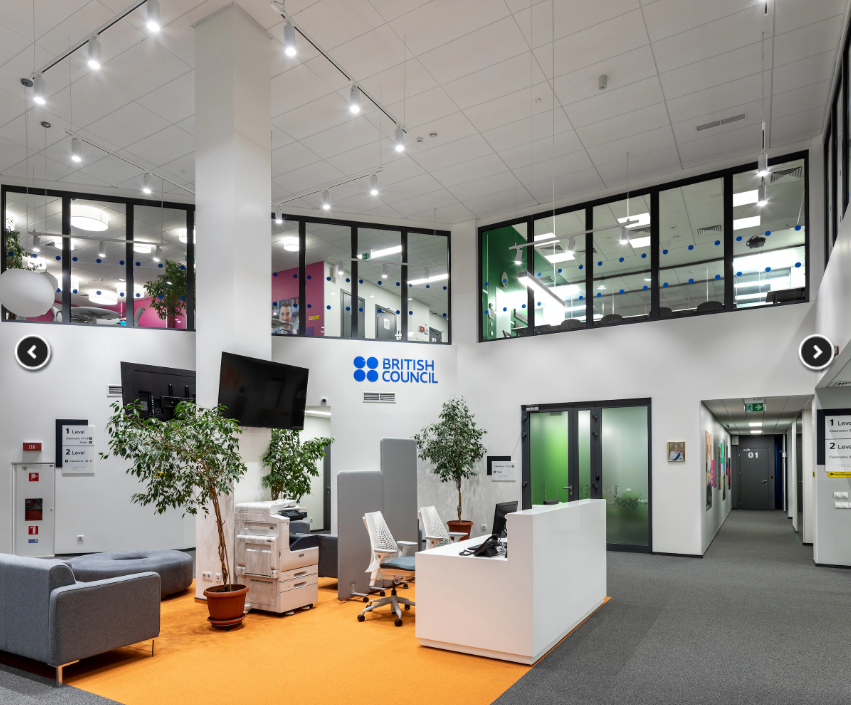
The British Council is an international organization representing the United Kingdom in the fields of education and culture. In Ukraine, the British Council has offices in Kyiv, Donetsk, Lviv, and Odesa.
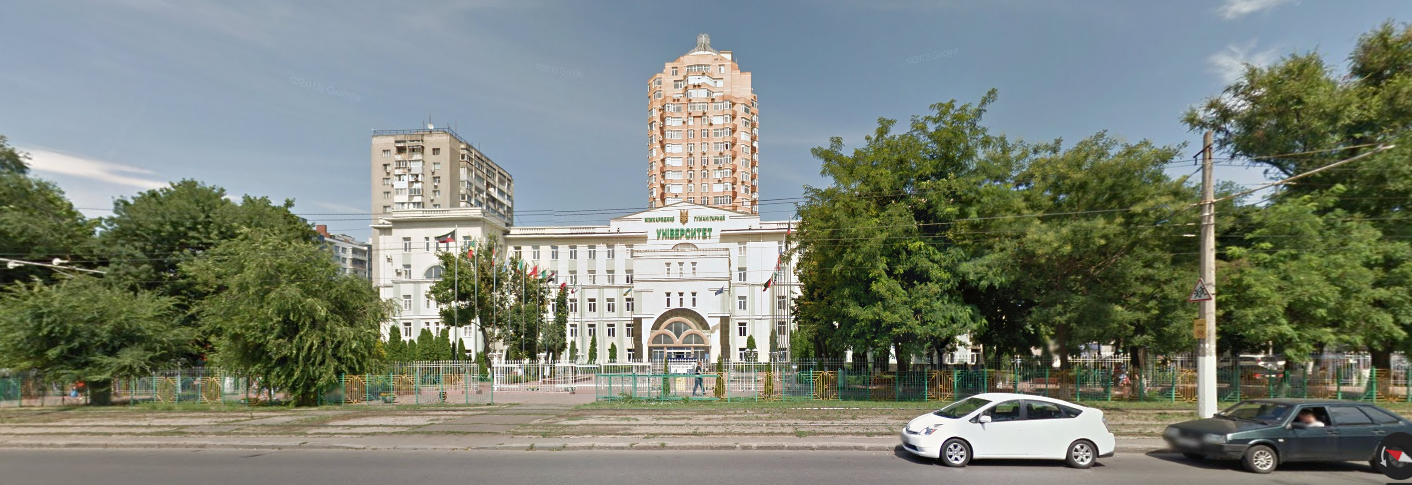
The British Council library is intended for individuals whose professional or personal interests are connected with learning the English language. Here one can find dictionaries, encyclopedias, and methodological literature, all of which may be used in the British Council reading room. The services of the reading room are free of charge. Books, albums on the history of the United Kingdom, professional and popular publications on art, works of fiction by contemporary British authors, as well as new British films and music CDs that previously belonged to the British Council, have been transferred to the library of the International Humanitarian University. Currently, the British Council operates within the premises of this educational institution.
Various types of English language tests required for admission to universities in the United Kingdom are administered at the British Council. The names of the examinations, the dates on which they are held, and the fees are listed on the British Council website.
The Council’s website also offers the possibility to take an English language level test in accordance with the standards of the Council of Europe.

http://afodessa.com.ua

As a non-profit organization under the jurisdiction of Ukraine, the Alliance Française operates in accordance with the principles and objectives of the Alliance Française of Paris and is dedicated to promoting the French language and culture.
Alliance Française:
→ supports the study of the French language in secondary schools and higher education institutions within the territory coordinated by the Alliance: Odesa, the Odesa region, Kherson, and Mykolaiv;
→ provides French language courses for members of the Alliance;
→ with the support of the Embassy of France in Ukraine, conducts cultural activities and various language-related events;
→ organizes cultural events (performances, concerts, exhibitions, lectures, masterclasses), as well as creative meetings and educational seminars with the participation of French figures of culture, science, and the arts, particularly within the framework of the French Spring festival;
→ serves as an examination center for the DELF–DALF (Diplôme d’Études en Langue Française – Diplôme Approfondi de Langue Française) and TEF–TEFAQ (Test d’Évaluation de Français – Test d’Évaluation de Français pour l’Accès au Québec) examinations;
→ acts as a consultation center for Campus France for those wishing to continue their studies in France;
→ cooperates with Marseille, the sister city of Odesa.

http://iberia.obedaem.od.ua

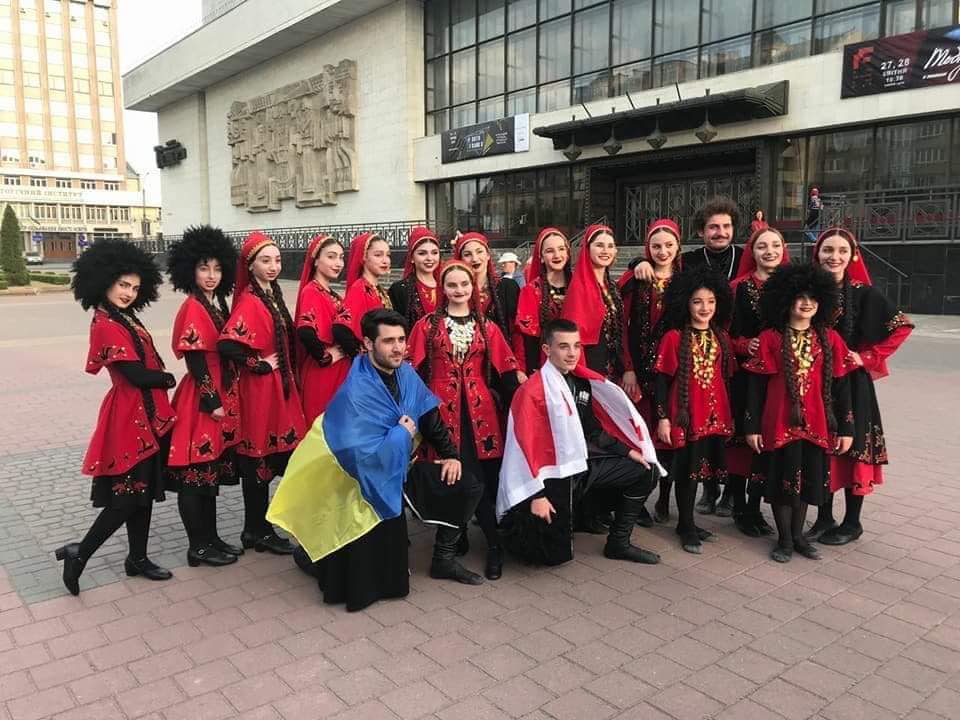
The Georgian school-studio “IBERIA” was established in 2002 in the city of Kyiv. Founder and artistic director: Manana Sulakvelidze.
“Iberia” is the ancient Greek name for Georgia. Our “IBERIA” is a small part of the homeland that we love.
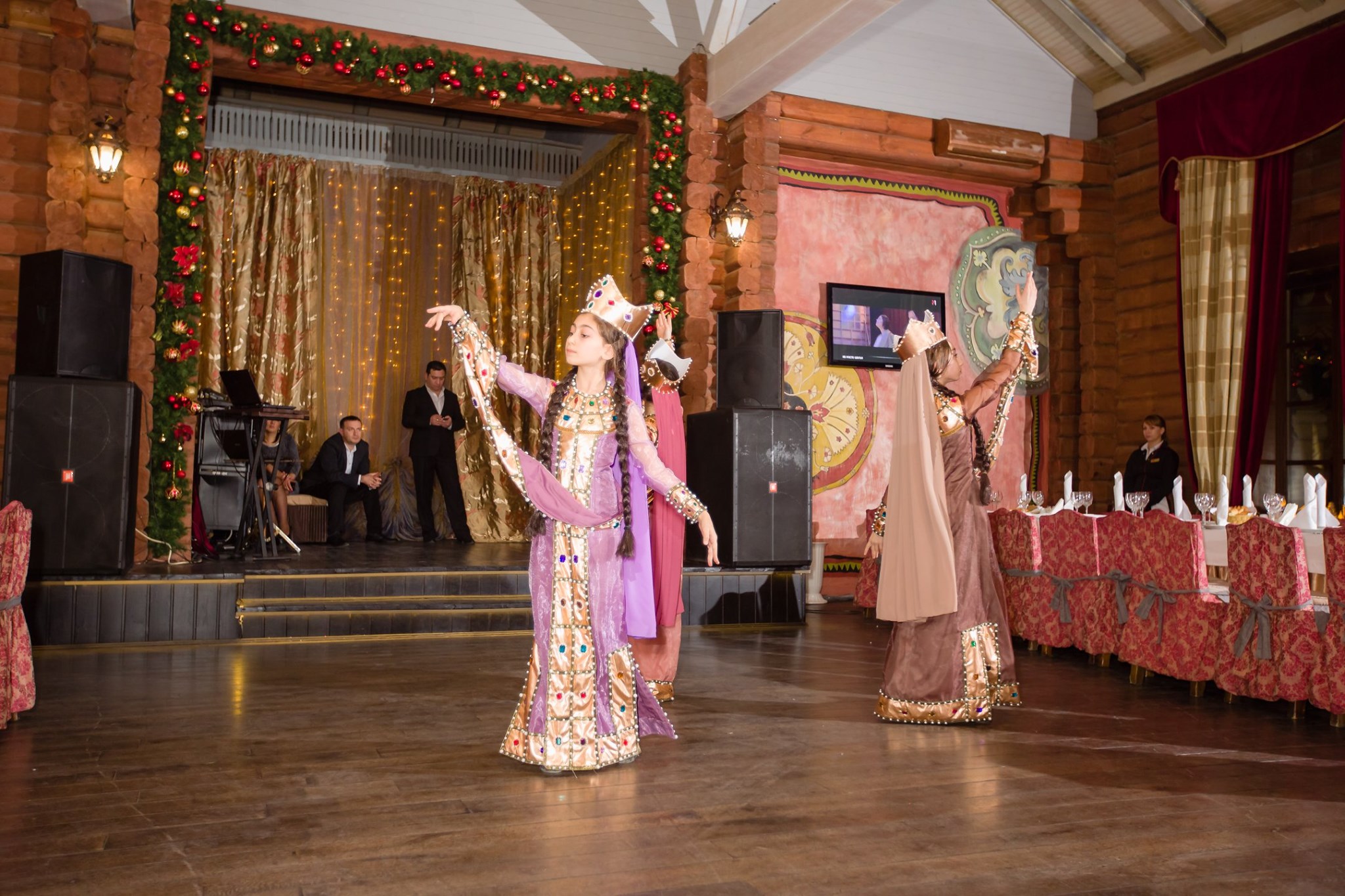
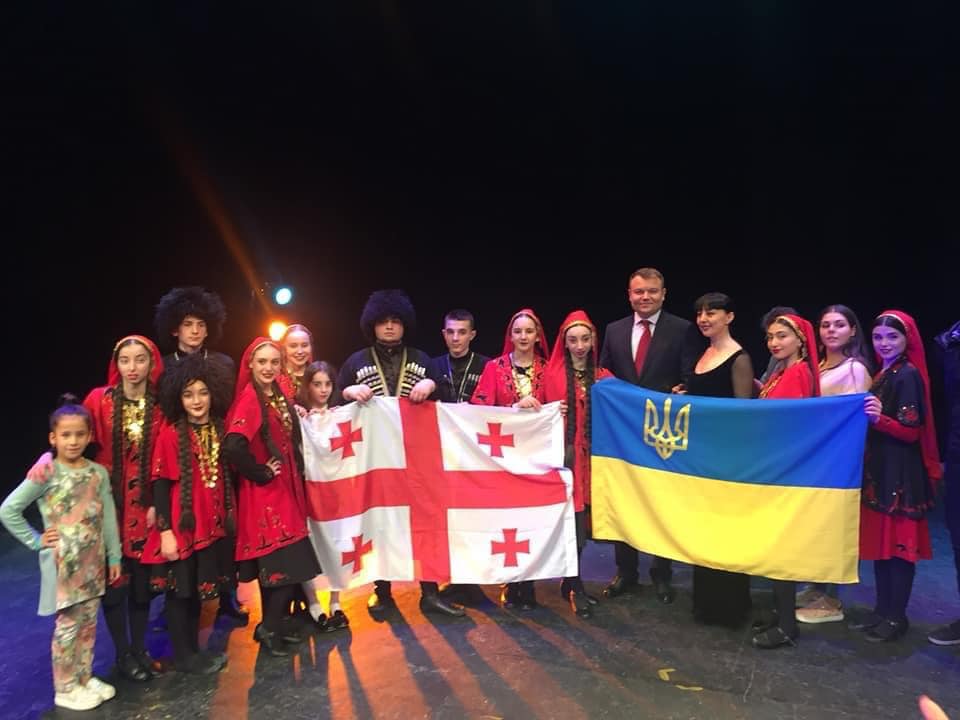
Its purpose is to serve the development and strengthening of friendship between Ukraine and Georgia, and to introduce the Ukrainian people to Georgian culture and traditions. To this end, joint concerts entitled “Crown of Friendship” are held annually. The center also aims to teach children who live far from their homeland their native language, and to familiarize them with the national culture and creative heritage of their historical homeland.
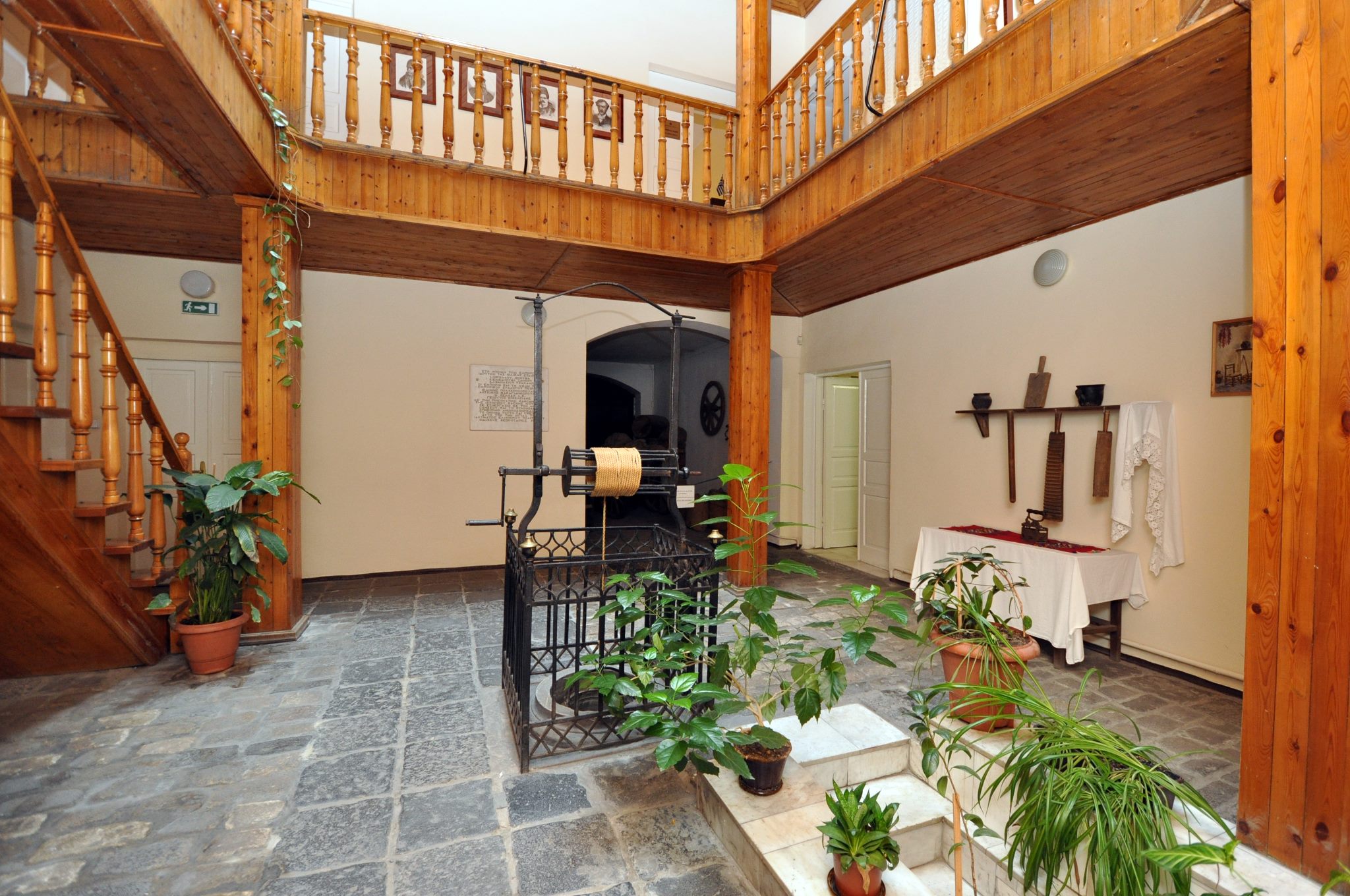
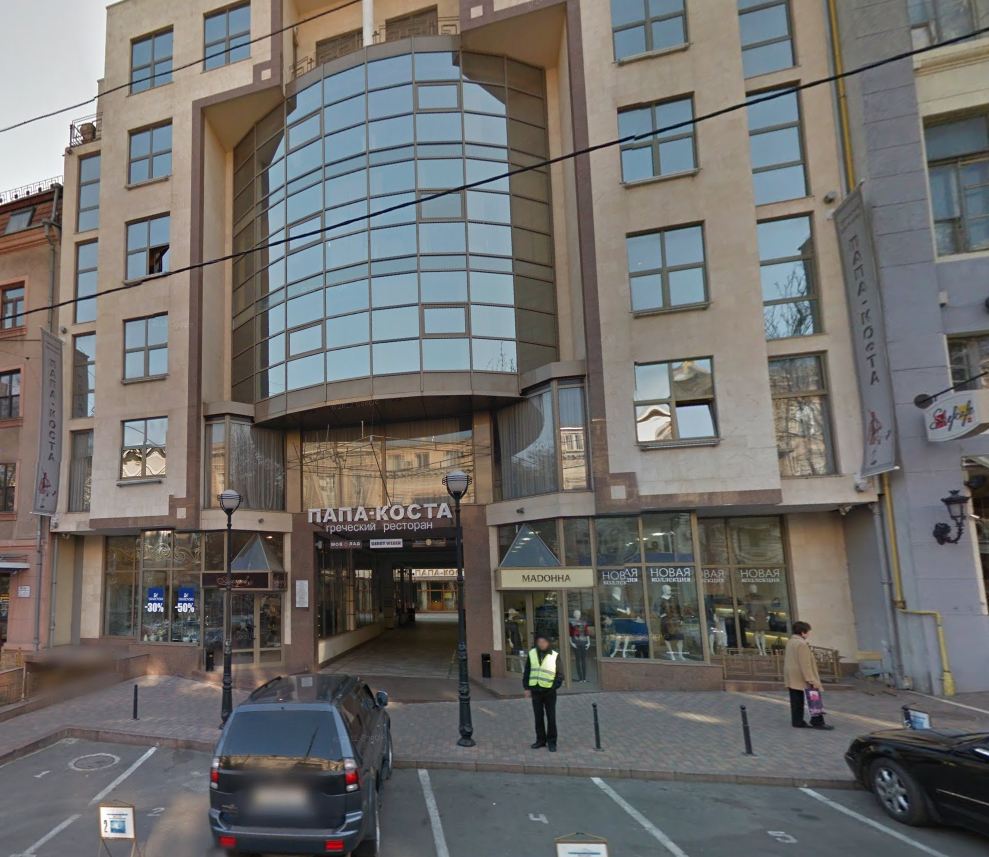
The Odesa branch of the Hellenic Foundation for Culture was established in September 1994 by decision of the Foundation’s Administrative Council and on the basis of permission from the Ministry of Justice of Ukraine (registration No. 27 of 8 April 1994). The Odesa City Council allocated three buildings to the branch, one of which historically belonged to Hryhorii Marazli, where Greeks lived and where members of the society “Filiki Eteria” gathered.
Main areas of activity:
ORGANIZES exhibitions, concerts, theatrical performances, lectures, seminars, academic conferences, discussions, and musical evenings;
PARTICIPATES in events, anniversaries, and thematic weeks dedicated to theatre, cinema, and music;
PROMOTES the Greek language through teaching at the branch, in schools, gymnasiums, and universities, providing materials, textbooks, and other educational resources;
PROMOTES Greek books through author presentations, supports translations, and participates in international book exhibitions;
SCREENS Greek films;
PUBLISHES books, monographs, catalogues, and brochures as a result of its activities;
DEVELOPS educational and cultural activities in educational institutions and other organizations, in cooperation with local authorities and Greek communities of Ukraine, and organizes competitions and academic conferences;
PROVIDES financial support for creative, publishing, scientific, and other projects.
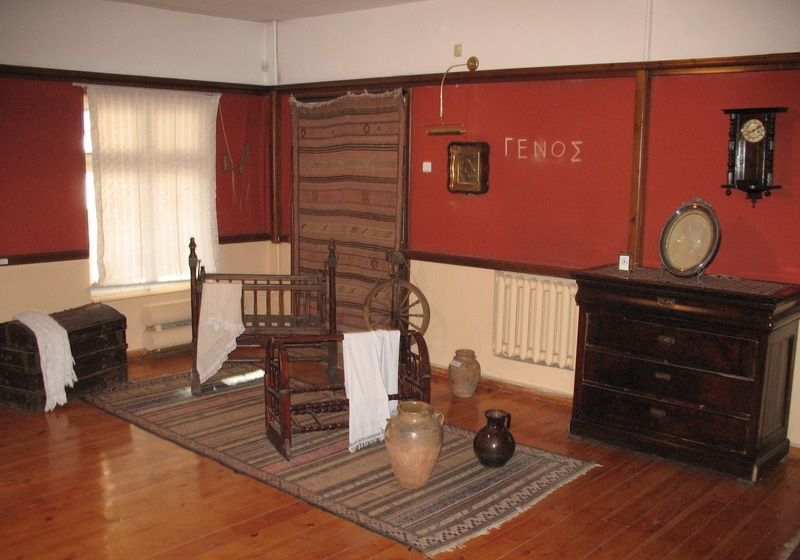
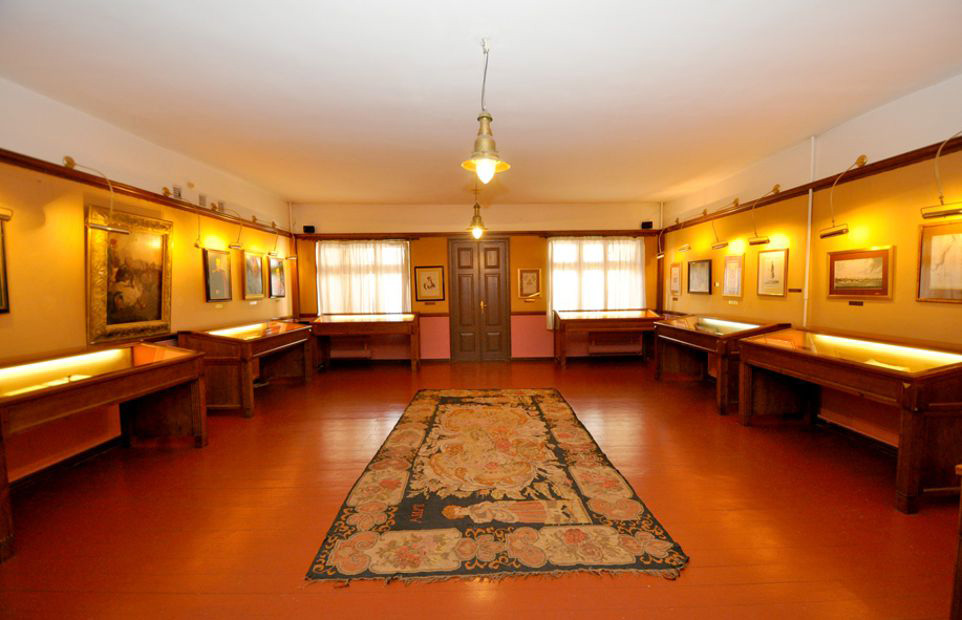
The branch houses the “Filiki Eteria” Museum. It has halls for hosting events and a library with a reading room. Courses in Modern Greek are offered at four levels, and it is the only examination center in Ukraine for obtaining the international certificate of proficiency in the Greek language. A Greek choir and a dance ensemble have also been established.
By cooperating with organizations and individuals across various fields of knowledge and culture, the branch provides ongoing support for educational, scientific, publishing, and other programs. It facilitates the establishment of direct contacts and cultural exchanges between organizations in Ukraine and Greece.

http://www.beit-grand.odessa.ua

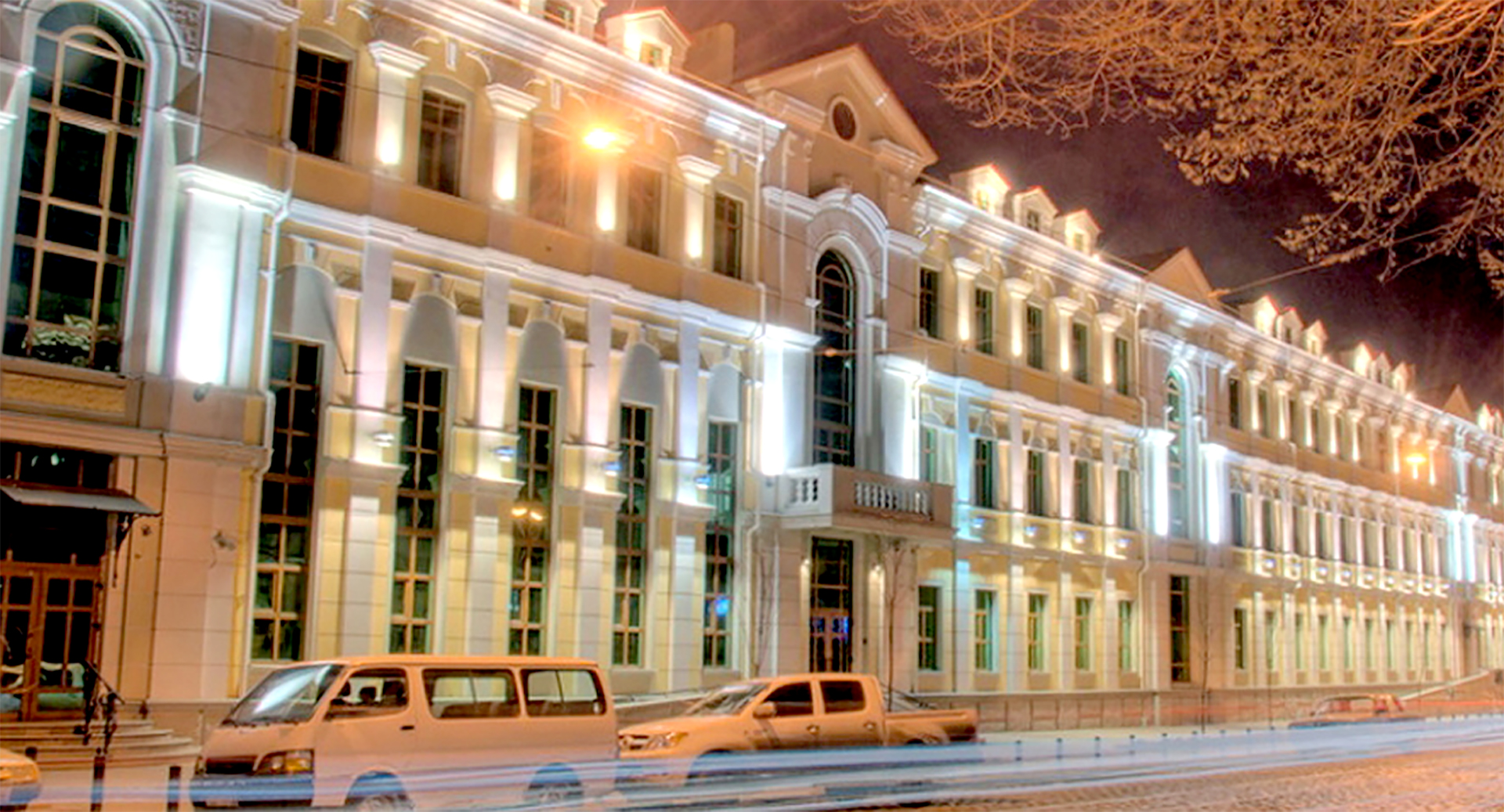
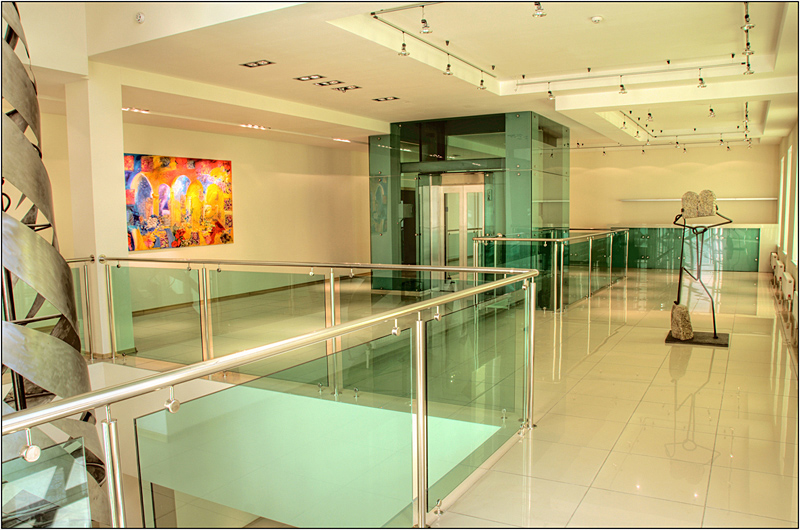
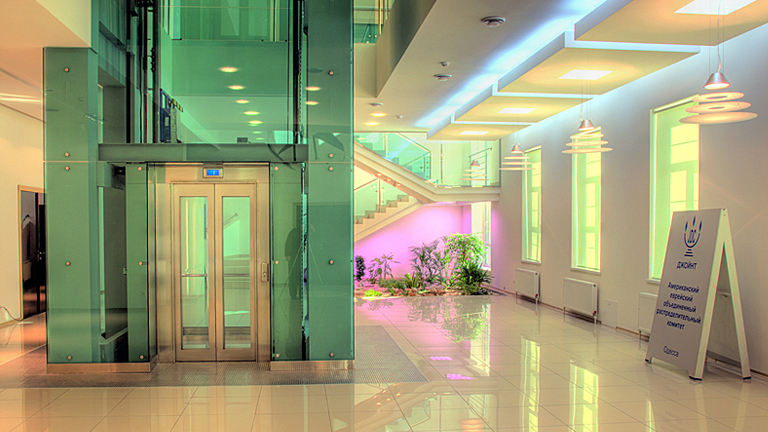
The Jewish Cultural Center “Beit Grand” is a modern center for comprehensive personal development, designed as an optimal space for leisure for the residents of Odesa. In many ways, the center is a vivid metaphor for Odesa itself: it speaks about Jewish culture while remaining fully open to everyone.
The activities of the center are divided into several areas. The most important of these is the comprehensive development of its visitors. Currently, the center includes 11 main направления (areas), which are further divided into more than 30 studios covering a wide variety of interests and fields (dance, sports, creative, and educational studios). A significant portion of these studios is focused on the harmonious development of children. As one of Odesa’s distinguished residents, Isaac Babel, once said: “…Jews love children because it is very good and necessary to love children.” The primary mission of the “Beit Grand” Cultural Center is to give every child the opportunity to reveal their innate potential through the full development of mind, body, and emotional world. The main approach to education here is not the simple transmission of ready-made knowledge, but the cultivation of independent thinking in young people.
The “Beit Grand” Center is also well known for its rich program of events, featuring theatrical performances and musical happenings. The concert hall seats 204 people and is equipped with air conditioning, as well as modern sound, lighting, and projection systems.
The center also provides excellent opportunities for business events, as it is an ideal venue for corporate, professional, and creative gatherings. Its conference facilities in Odesa are distinguished by several advantages: first, a convenient central location with good transport connections; second, full technological support for hosting business events (spacious halls, state-of-the-art equipment); and third, a professional team that ensures events are held at a high level.

http://il4u.org.il/odessa/o-centre

The Israeli Cultural Center, operating under the Embassy of the State of Israel, has been active in Odesa since 1992. Its main objectives are to promote Israeli culture, provide accurate and up-to-date information about various aspects of life in Israel—its culture, history, traditions, economy, politics, and achievements—and to ensure bilateral communication between the Government of the State of Israel and the Jewish diaspora in Ukraine.
The Israeli Cultural Center implements a wide range of cultural and educational projects:
Hebrew Language Study Center. Hebrew is the language of modern Israel, the language of the Bible, and a path to the future;
Holocaust studies projects: lecture courses, seminars, and visits to sites of mass extermination of Jews;
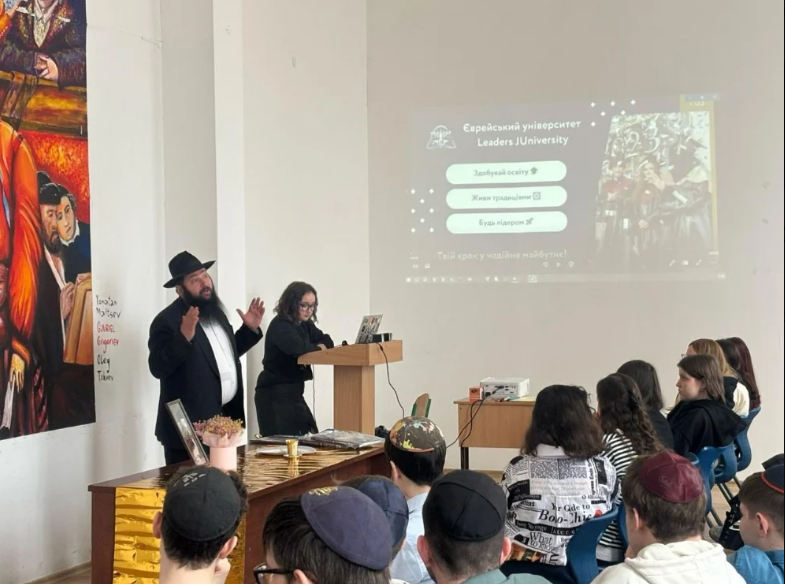
Leadership programs: seminars, training sessions, lectures, and meetings;
“Masa” — a unique opportunity for academic study and internships at selected higher education institutions in Israel;
Youth club “Tsofim”, based on scouting methodologies;
Cooperation with universities in southern Ukraine: branches of the Center, Israeli Culture Days, cultural and educational projects, and more;
Cultural activities: exhibitions, lectures, interest clubs, concerts, outreach events, seminars, and much more.

https://www.odessitclub.org

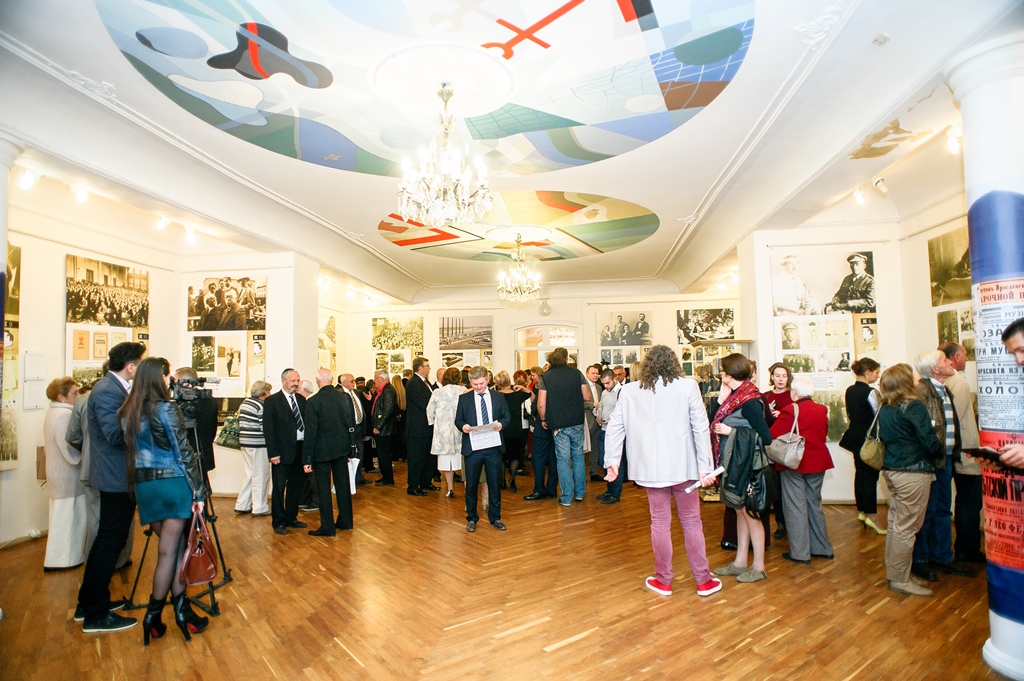
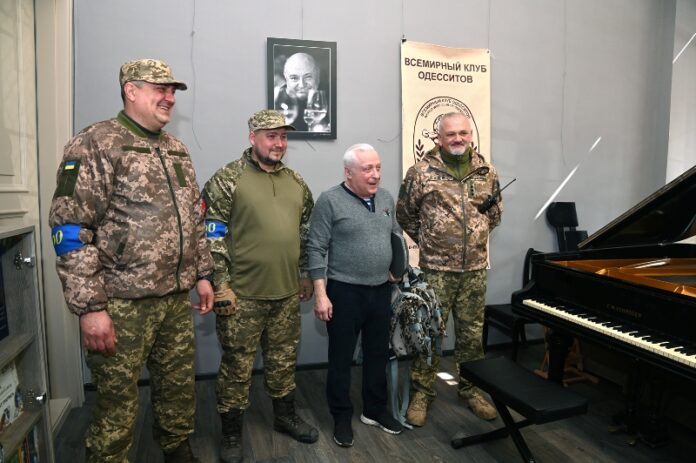
The World Club of Odesites… Like the city that gave birth to this remarkable community, it is truly unique. Try to find a world club of Parisians or Muscovites, Romans or Berliners—you will not find one. Only the people of this city, who left it at different times and for various reasons, continue to consider themselves its citizens. Their deep affection for Odesa inspires them, wherever they may be, to seek each other out, recognizing a fellow native by unmistakable pronunciation, expressive gestures, and, most importantly, a shared way of thinking. Thus, in different parts of the world, associations began to emerge that may seem unusual at first glance: formed not by nationality, not by religion, not by political views, but solely by belonging to a city once left behind.
The World Club of Odesites and its Presidential Council include many well-known figures in Odesa: industrialists, bankers, lawyers, actors, painters, doctors, writers, local historians, scholars, and musicians. It can be said with confidence that this is the intellectual and spiritual elite of Odesa. The admission principle is unchanged: a candidate must have recommendations from two Club members and, of course, pay an entrance fee and monthly dues.
Membership is also open to those who currently live anywhere in the world. Odesites of the diaspora are referred to as “virtual members” of the World Club of Odesites. Since the Club’s founding, its newspaper “World Odesa News” has been published. Since 2000, the almanac “Deribasovskaya – Rishelyevskaya” has been issued.
With the participation of the World Club of Odesites, numerous books have been published. Within the Club’s walls, the magazine “Fontan” was also created, delighting readers monthly since 1997. The “Reading Room” section of the website contains a large collection of works, while the homepage features the “Club Video Library”. The “Bookshelf”, created at the Club, includes works by Odesa authors and books about Odesa by authors from other cities (more than 500 titles). The collection is constantly updated, allowing visitors to the Club or its website to find and purchase books.
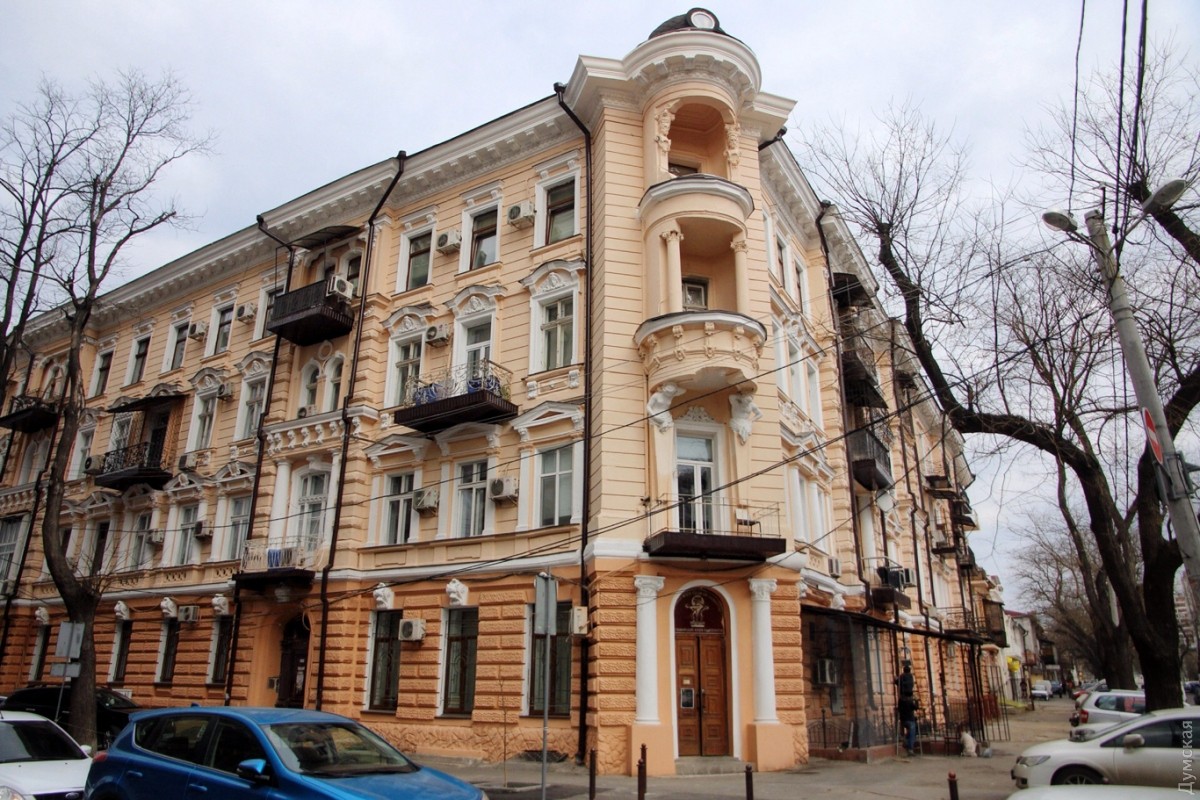
Today, this place—the house at the corner of Marazliivska and Bazarnaya Streets—is known not only in Odesa but far beyond its borders. Visitors come here to reconnect with their hometown and recall the past. Distinguished guests are often present as well—people who, although not born in Odesa, love the city and visit it on tours or with social missions.
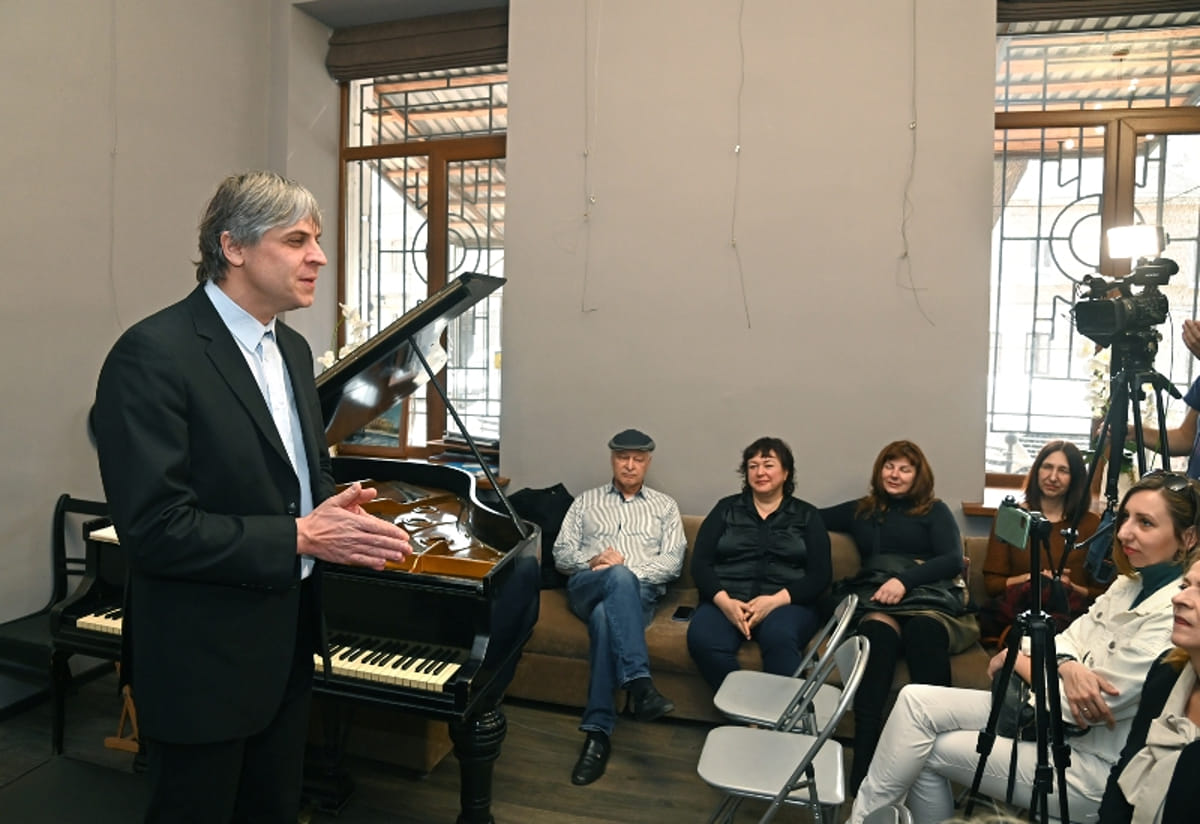
Under the auspices of the World Club of Odesites, creative competitions, festivals, and exhibitions are held. The Club’s art gallery showcases works by Odesa artists and photographers, as well as guests from other cities and countries. Book presentations and press conferences with visiting guests are also organized here. In recent years, the famous “Green Lamp” literary circle has resumed its activities, bringing together young writers and poets from Odesa.

http://odcc.com.ua

Purpose and mission: the popularization of theatrical art, the development of cultural awareness, and the creation of spiritual and moral values for the contemporary generation. The following areas are active:
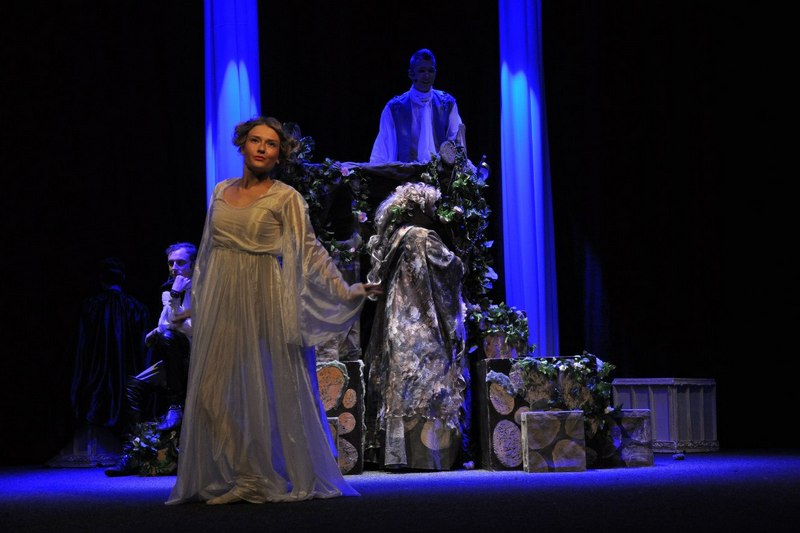
– Theatrical activities: performances featuring professional companies from Ukraine, Moldova, and guest artists from abroad. The Odesa Cultural Center’s own troupe is preparing a premiere scheduled for the near future;
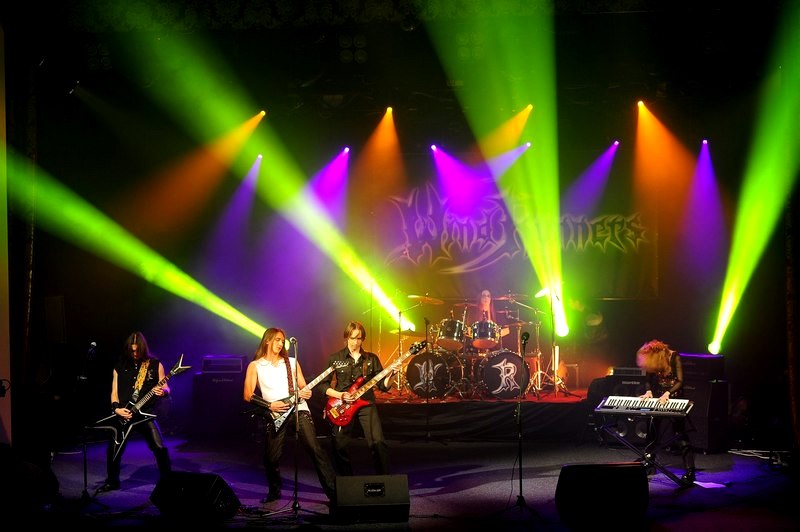
– Concert activities: a variety of concert programs with the participation of national and international stars, as well as professional and amateur ensembles;
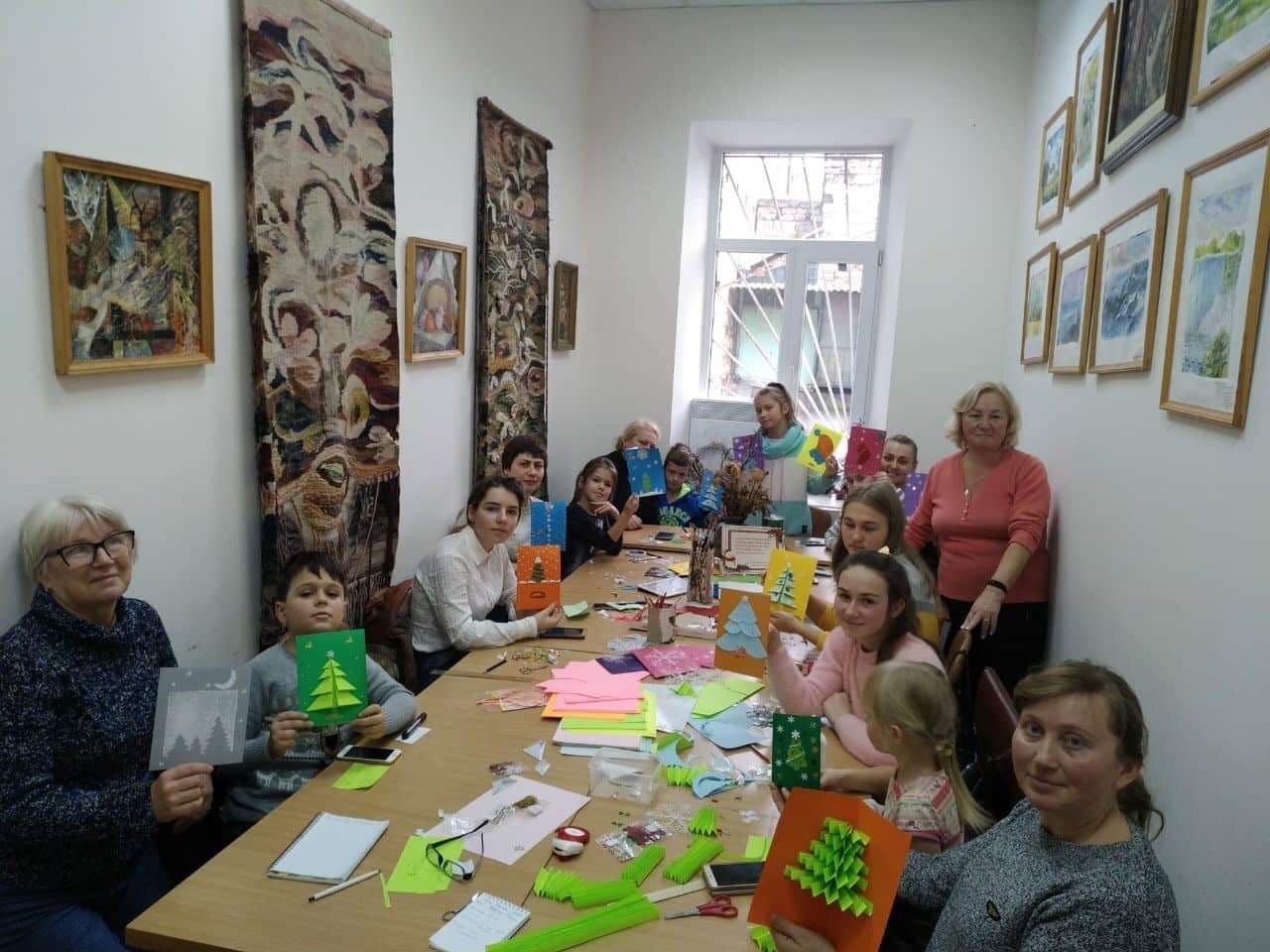
– Education: organization of lectures, seminars, and masterclasses in various fields.
– Youth club: a space for communication among the city’s youth, offering engaging programs, discussions, performances, and competitions.

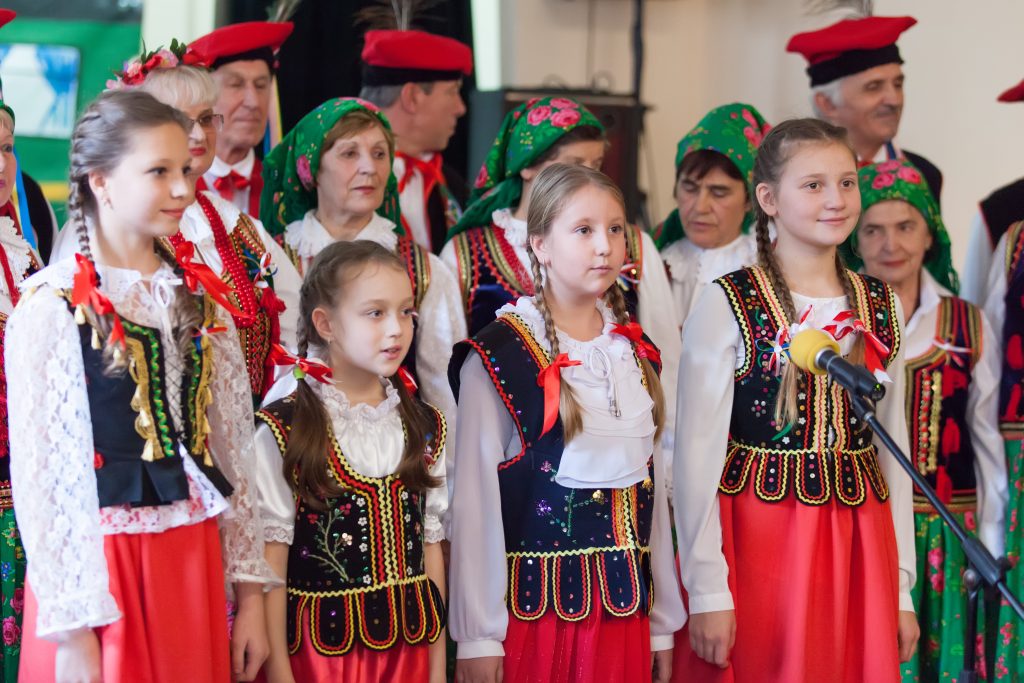
https://www.polonia.od.ua

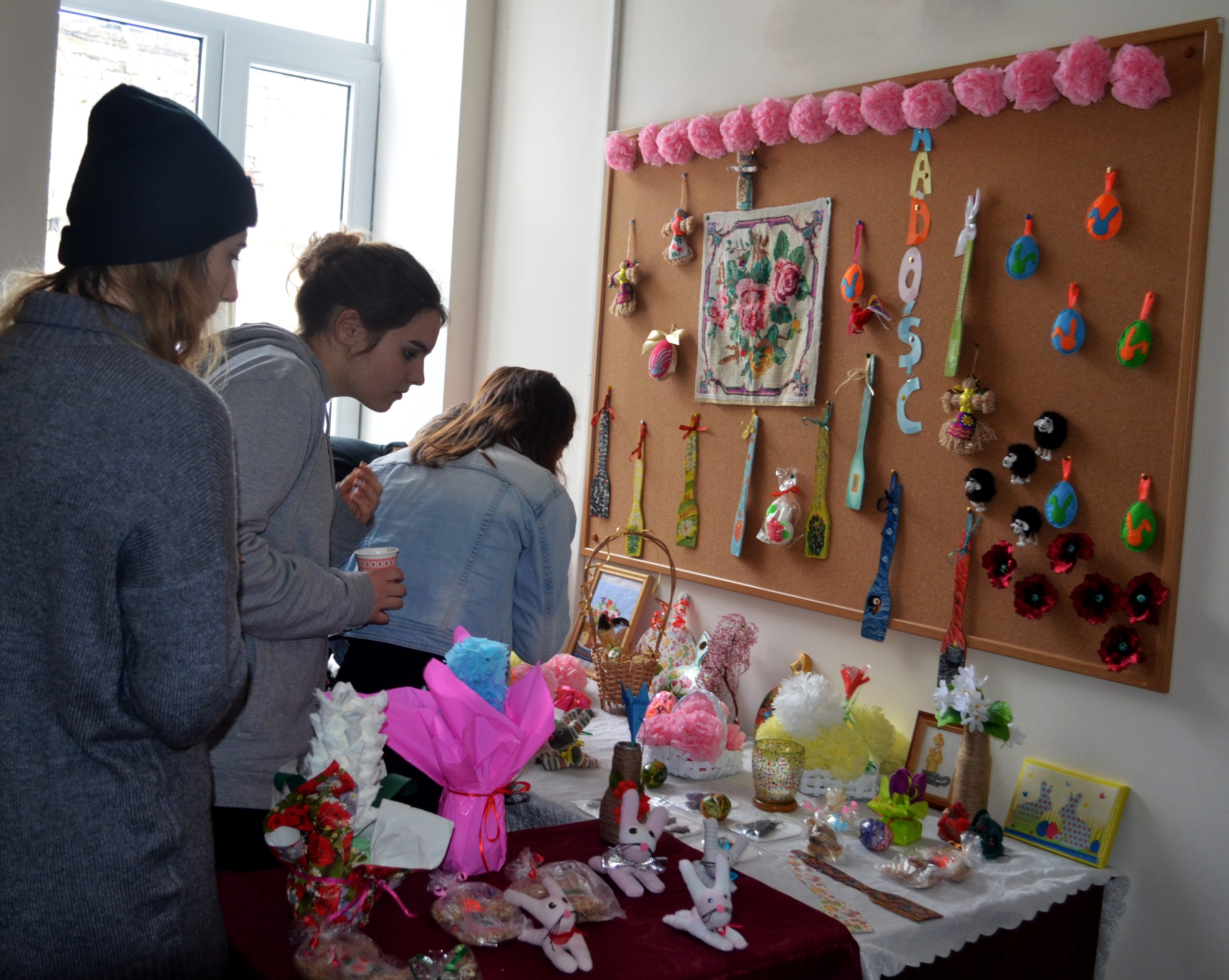
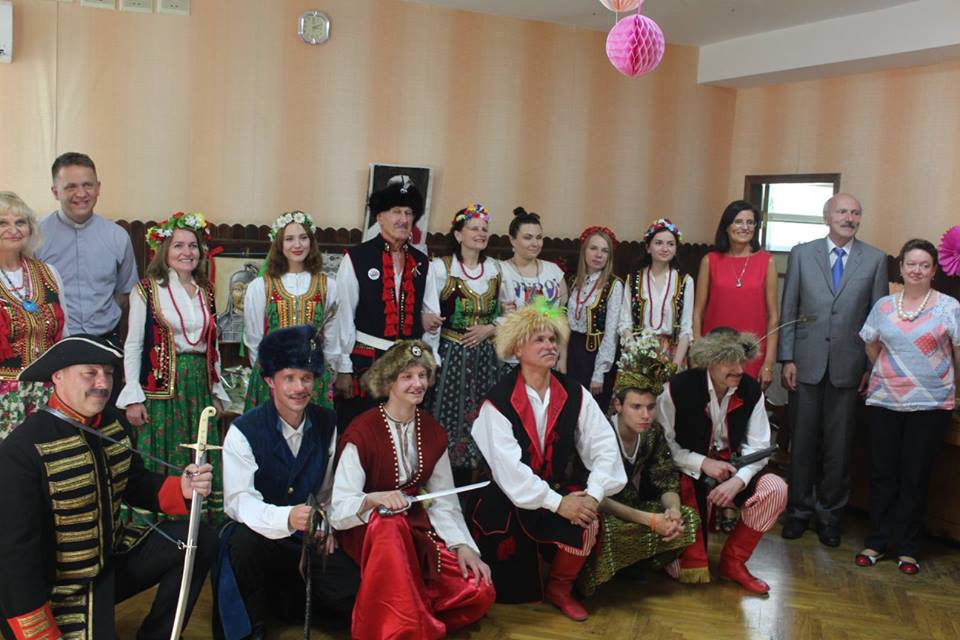
Odesa has a rich history closely connected with Poland. According to Jan Długosz, the first Poles appeared in the vicinity of Odesa in 1415; from here, King Władysław Jagiełło transported grain to Poland. Odesa was founded in 1794, and among its first residents were Italians, Germans, French, and Poles. The noble families Potocki, Branicki, and Sobański built their palaces here. Polish doctors, lawyers, and scholars lived in Odesa. Among its visitors were Julian Ursyn Niemcewicz and Józef Ignacy Kraszewski, and in 1825 Adam Mickiewicz lived here in exile. Polish architects F. Gonsiorowski and L. Włodek also left their mark on the city’s architecture.
In August 1990, the Polish Cultural and Educational Society named after Adam Mickiewicz was established. Its founders included N. Shárlevich, Z. Zayónchkovska, V. Béletska, P. Májnach, M. Ólshanska, L. Petrásik, and V. Zedkov. Since 1995, its official name has been the Odesa Branch of the Union of Poles in Ukraine named after Adam Mickiewicz. From 1995 to 2017, the chairman of the board was Tadeusz Zalucki, who is now the honorary president.
The organization’s mission is to promote historical and cultural heritage, preserve Polish traditions, support the study of the Polish language, and strengthen a sense of national identity among the younger generation.
The Odesa Regional Center of Ukrainian Culture is a municipal enterprise established on the basis of property held in the joint ownership of the territorial communities of villages, settlements, and cities of the region. It creates conditions for the preservation and development of Ukrainian culture, as well as the cultures of national minorities residing in the region. The Center promotes the revival of traditional folk art centers, folklore and ethnographic ensembles, artistic crafts, and traditional trades. It provides methodological, scientific, and organizational support for the activities of cultural authorities and institutions, amateur artistic groups, and their participants. It studies, systematizes, and disseminates progressive forms of development in folk art and cultural and leisure activities.
The main tasks of the Odesa Regional Center of Ukrainian Culture (ORCUC) are to participate in the implementation of the state policy of Ukraine in the development of Ukrainian culture and the cultures of national minorities, in the field of folk art and cultural and leisure activities; to promote the revival, preservation, and development of the multinational cultural traditions of the Odesa region; to provide informational and methodological support to cultural authorities, institutions, and other interested organizations, public associations, and individual citizens on issues of cultural and leisure activities and folk art; and to establish and strengthen cultural ties with regions of Ukraine and with foreign countries.