For many peoples, Odesa is, first of all, a city by the sea. However, not many of them are aware of the fact that parks and green areas occupy a significant part of the area of the city. Just imagine: in the near-Black Sea steppes, with the almost complete absence of trees, over the more than two hundred year history of the city, appeared so many areas with greenery. Odesa gardening is a huge work, which has been made by Odesa residents for several hundred years…
It`s easy to guess that the seedlings here had to be brought. In the distant times of the first decades of the city, they were transported by sea – from Italy and France, or by carriage – by land. One of the first who thoroughly approached the problem of gardening in Odesa was the Duke De Richelieu, a monument to which is now on Prymorsky Boulevard. Thanks to him, over time, Odesa became the city of Acacias. The duke specially ordered trees from Italy and France, so that the first inhabitants of Odesa and guests of the city would be pleased to walk through the streets. In addition, the trees helped to save Odesa from the cavernous storms.
The first “green” territories in Odesa were «City Garden» and «Dіukovsky Park». In the summer, they helped the first inhabitants of Odesa to protect themselves from the roasting steppe sun, and in winter – from the piercing wind. The first botanical garden was planted when the city was only 25 years old, which means almost 200 years ago. In those days, it was located in the area of the modern Lermontov sanatorium. Now it can be visited on French Boulevard, but – by appointment.
The pace of greening went much faster with the advent of the aqueduct in Odesa. It happened in 1873. Then it was the longest and most high-tech in Europe.
Today Odesa is a city with a lot of trees, squares, boulevards. The territory of all green spaces is 54 square kilometers or about a quarter of the entire territory of the city. Today, the largest “green islands” of «South Palmyra» are located in the City Garden, Istanbul and Greek parks, 6 parks of culture and recreation, in the Hydropark in Luzanovka and in 26 squares. Also in the city there is a “health route”, along which there are also green areas, boulevards and streets. On a hot summer day, you definitely can hide under their shadow…
The City Garden
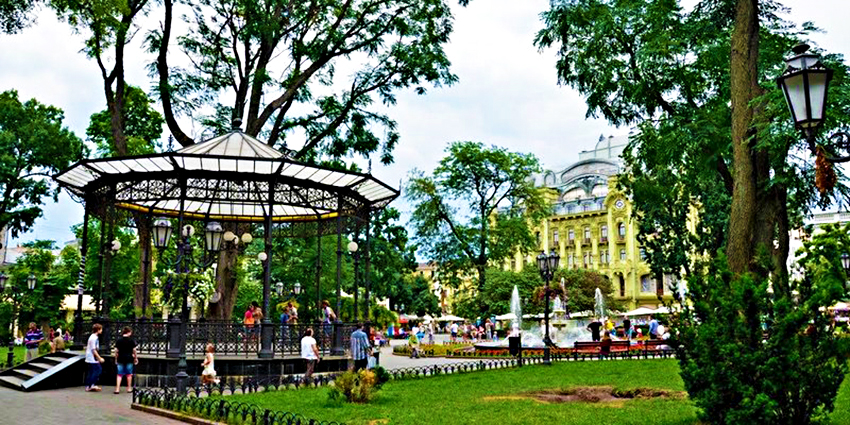
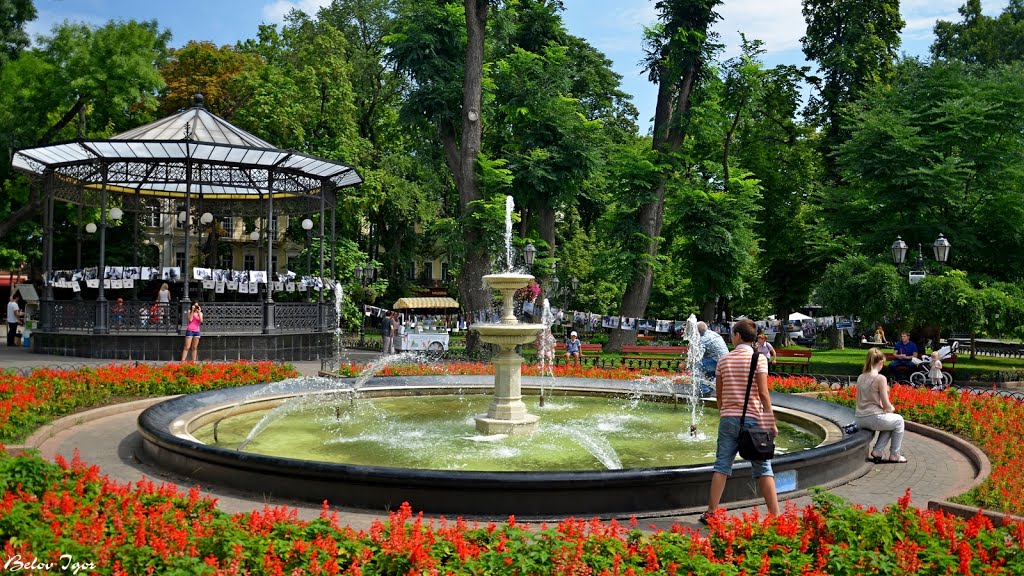
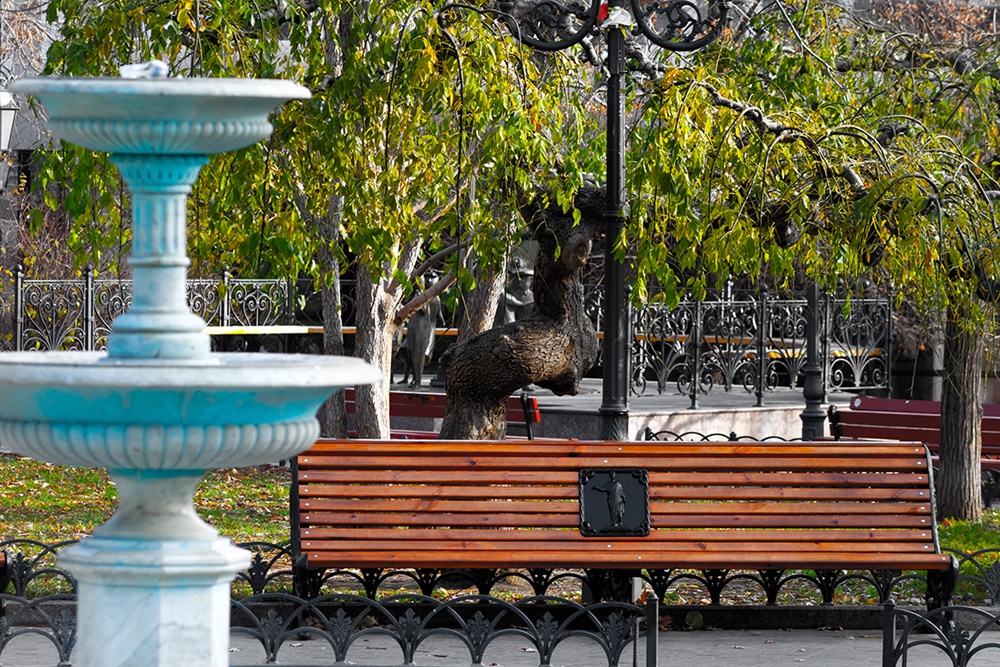
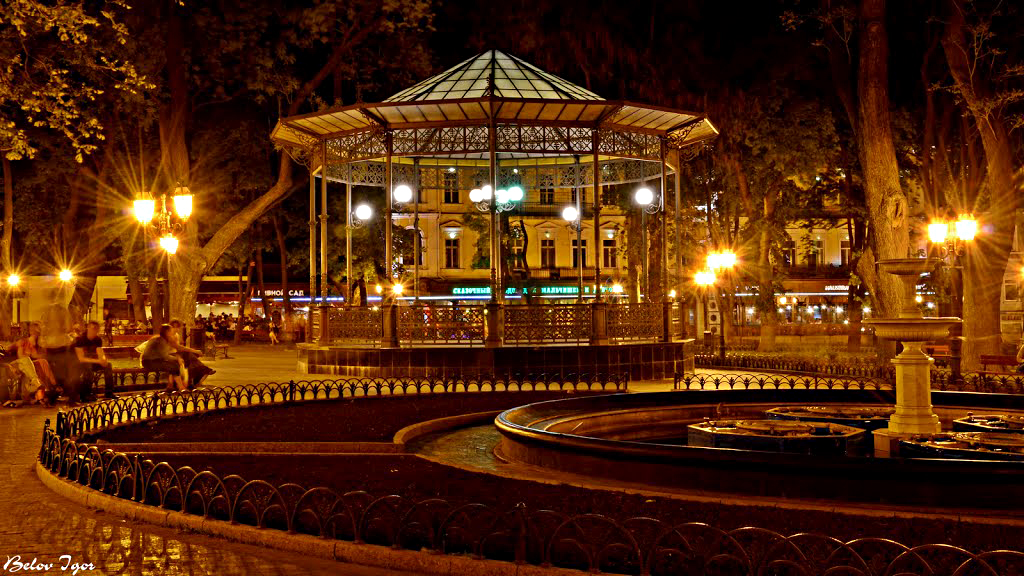
Everyone who comes to Odesa finds the opportunity to visit the famous Deribasivska Street. And on Deribasivska, in turn, lies the City Garden, or as the residents of the city call it – “Horsad.” It has been popular among Odesa’s inhabitants at all times.
The history of the City Garden begins in distant 1794, when Felix Deribas received a plot of land for the construction of his house. He built the house, of course, but it so happened that two desyatinas – that is, 2.2 hectares – remained free of construction. He decided to plant trees there.
For this, he ordered seedlings from Sofiyivka Park in Uman. Imagine the effort – to bring them over 250 km with the transport of that time! The journey could take two or three days! However, over the course of a decade, the garden was planted. Since it was too burdensome for Felix Deribas to maintain the garden himself, he transferred it to the city and at the same time gifted the house next to it. Imagine how pleasant it must have been in the summer to hide under the shade of the trees from the scorching sun, once on private land! In those distant times, the garden looked like a small forest park, that is, it was designed as an English-style landscape park.
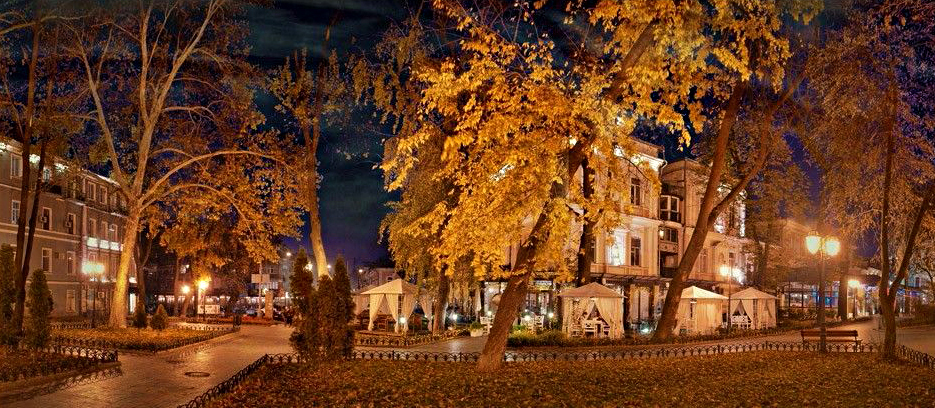
At the end of the 1820s, the quarters of what is now the center of Odesa gained prestige. At that time, the City Garden, then also called the State Garden, underwent reconstruction. In those years, many acacias grew in the City Garden, which throughout the city’s history became one of the unofficial symbols of Odesa. The most recent reconstruction of the garden was completed in 2007.
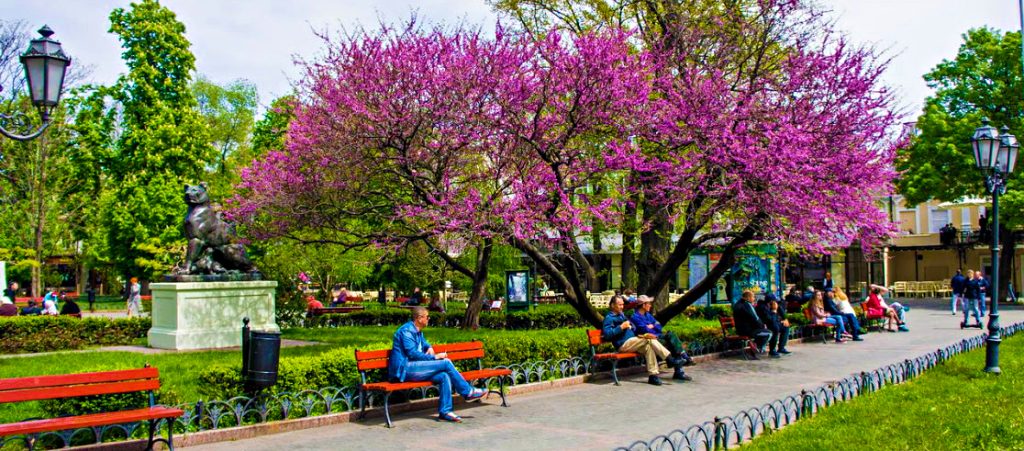
In Odesa’s City Garden there are several monuments – to Leonid Utyosov and Sergei Utochkin. One can also see sculptural compositions such as “The Lion and the Lioness,” “Odesa Time,” and “The Twelfth Chair.” In summer evenings, the City Garden delights visitors with a light and music fountain. The garden is also equipped with a special irrigation system, which waters the greenery every night at 2 a.m. In summer, the City Garden abounds with the bright colors of trees, grass, and, of course, all kinds of flowers, and on weekends – an orchestra plays.
The Istanbul Park
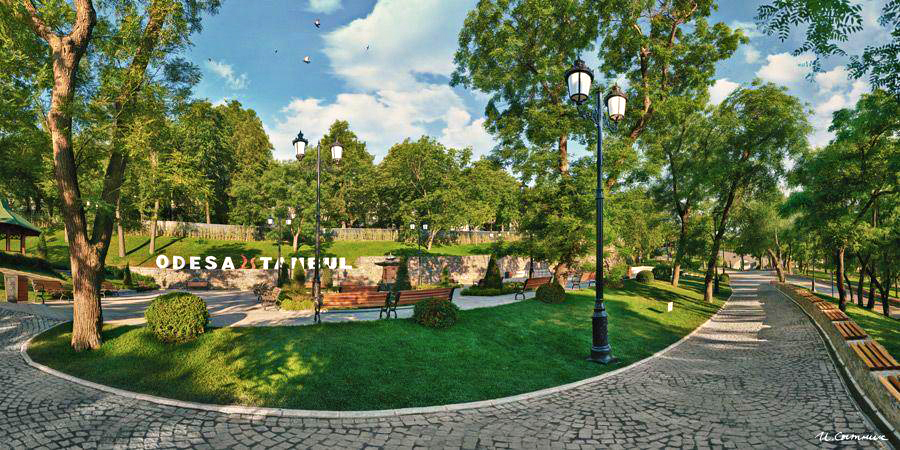
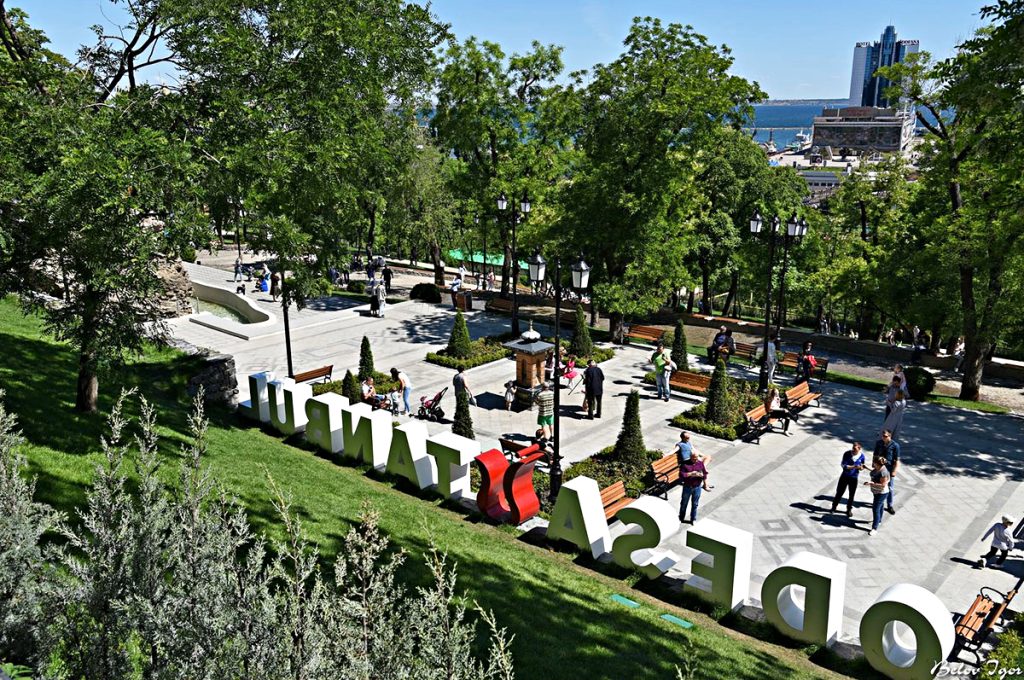
Not so long ago, a park on Primorsky Boulevard was restored, which since 2013 has borne the name Istanbul Park. It received its current name in honor of the sister city.
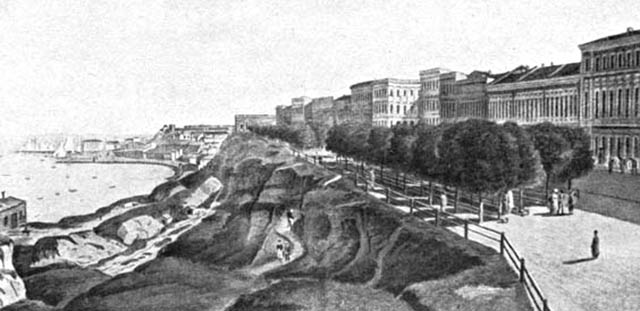
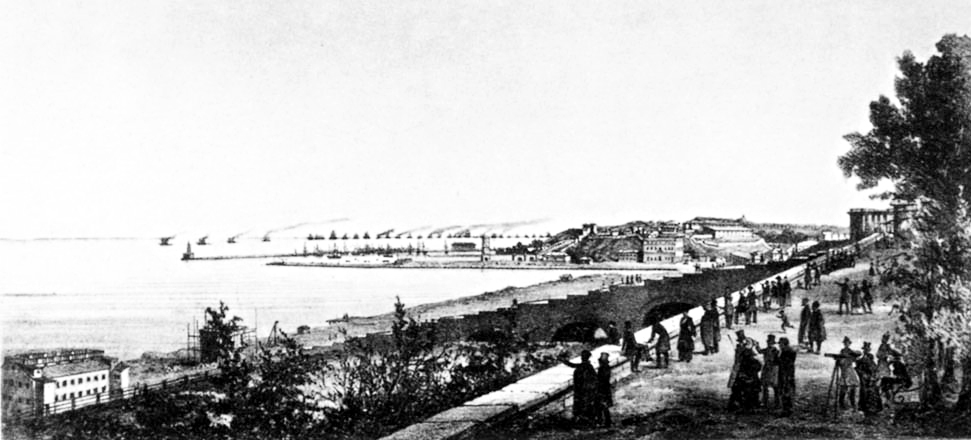
Prymorsky Boulevard and its slopes were inhabited as early as the times of the ancient Greeks—two and a half thousand years ago. It is hard to believe, but in the first decades after the capture of Khadzhibey and its renaming into Odesa, the territory of today’s boulevard and its slopes was a military area. Here barracks were located, as well as the poorest huts and the city dump.
Systematic landscaping of the boulevard slopes began only in the 1870s, that is, 50 years after the founding of the boulevard itself. In those distant times, they were called the lower part of Mykolaiv Boulevard. In the Soviet period, the entire territory of the slopes was called Pioneer Park, and later Moon Park. The first Soviet name came from the Vorontsov Palace, which at that time was called the Palace of Pioneers. By the end of the 20th century, the territory of the slopes had fallen into decline.
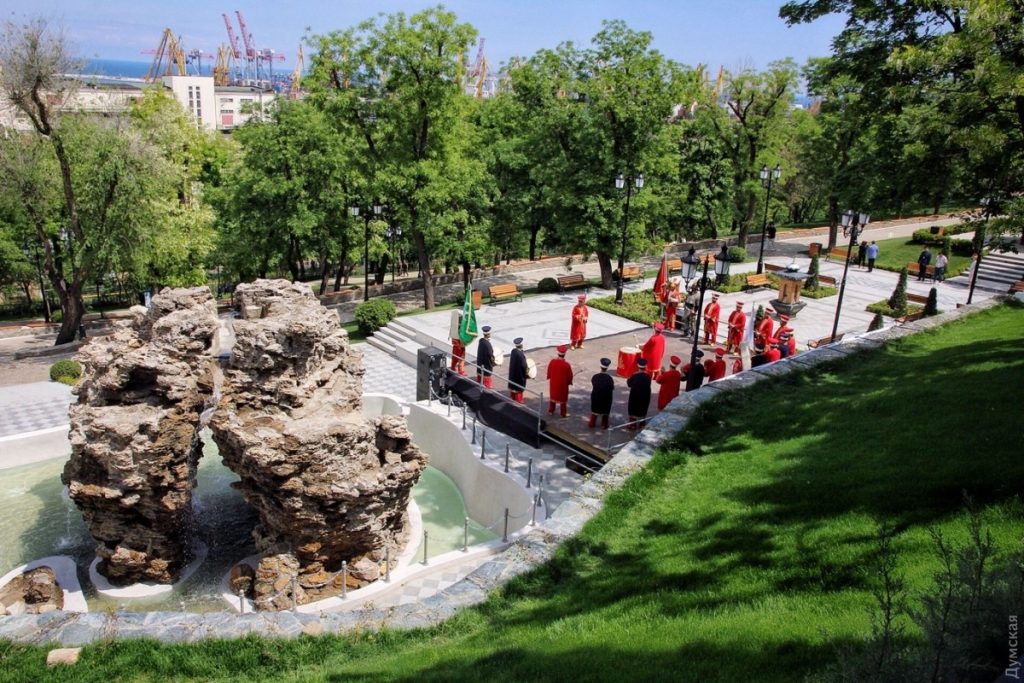
In 2013, the Istanbul Municipality allocated funds (1.5 million US dollars) for the reconstruction of part of the boulevard slopes in the area from the Potemkin Stairs to the building of the Odesa City Hall. This gift to Odesa was made in honor of the twentieth anniversary of the sister-city relationship between Odesa and Istanbul. On May 26, 2017, the grand opening of Istanbul Park took place. On the same day, the restoration of the Potemkin Stairs was also completed.
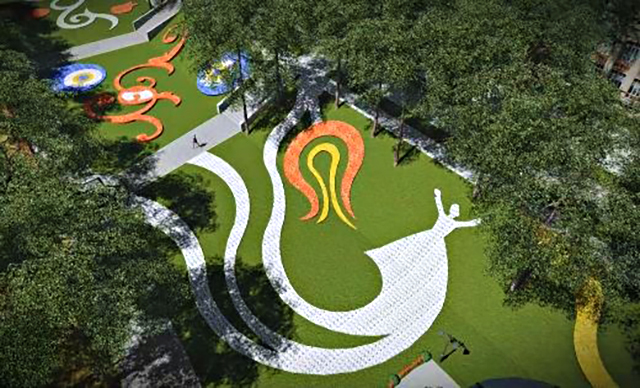
Today, the area of the park is more than two and a half hectares. The flowerbeds resemble a traditional Turkish ornament, and the paths are paved with gravel. On the central square of the park stands a ship with the flags of Ukraine and Turkey, as well as a photo showing the park before and after reconstruction….
The Greek Park
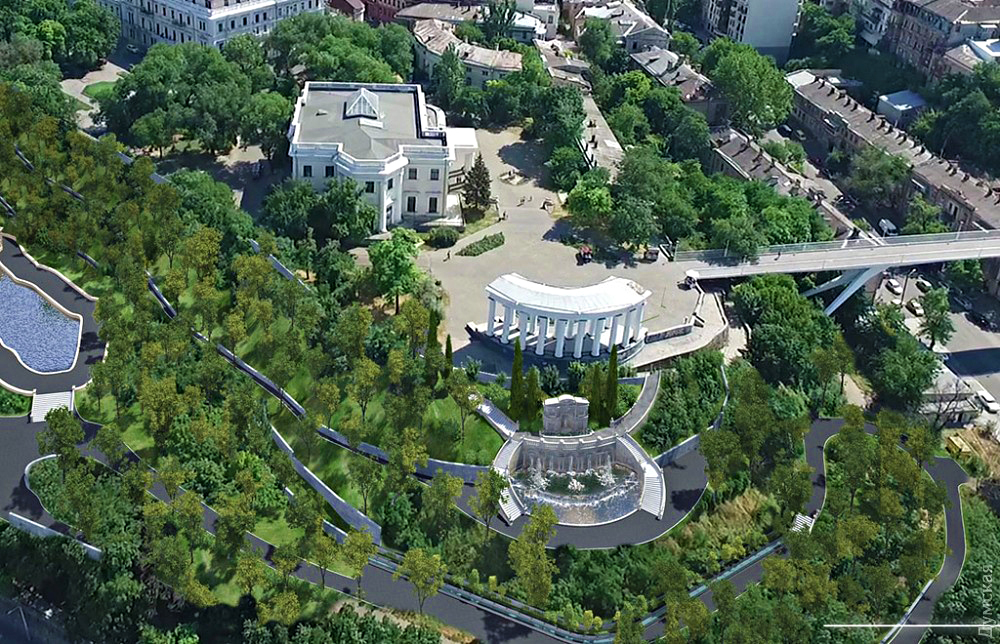
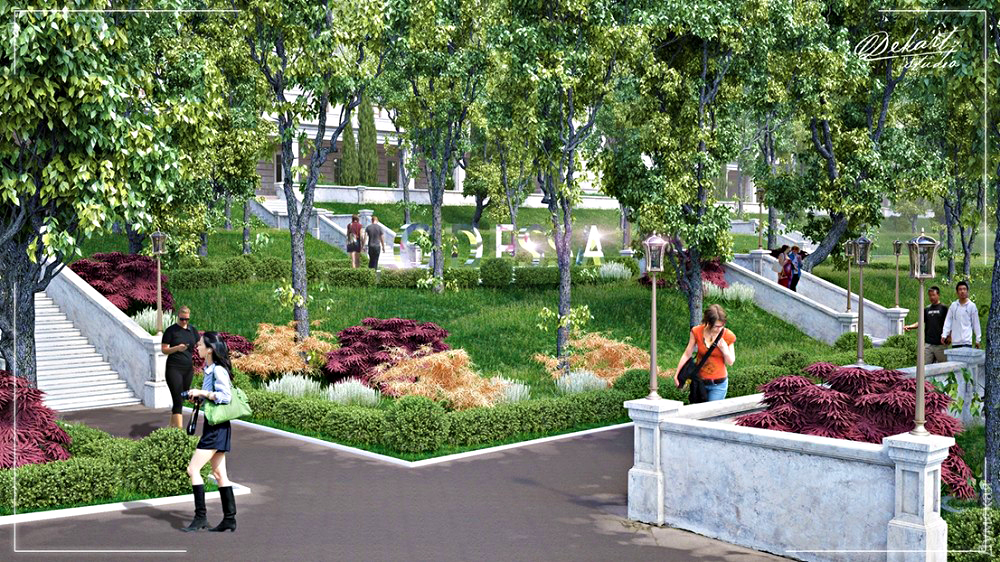
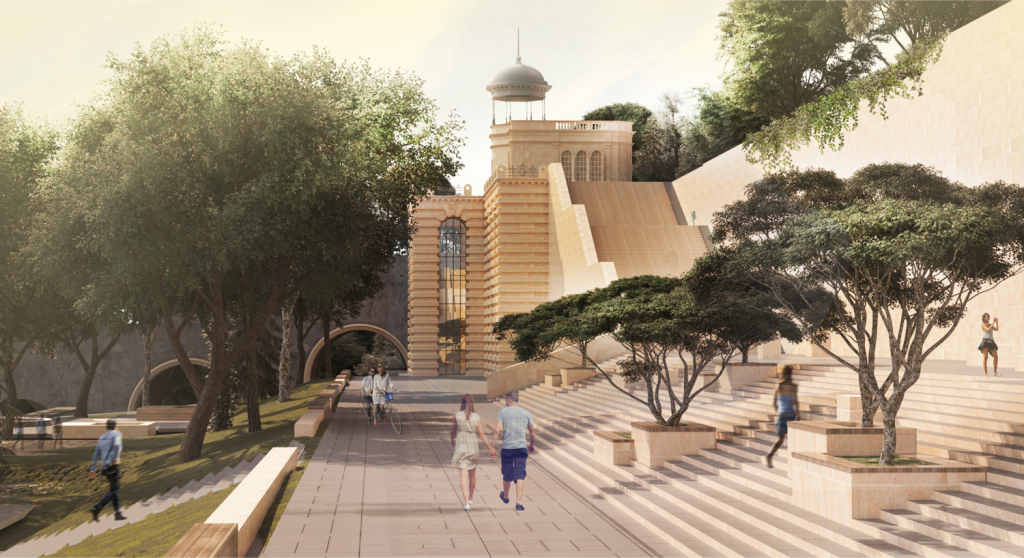
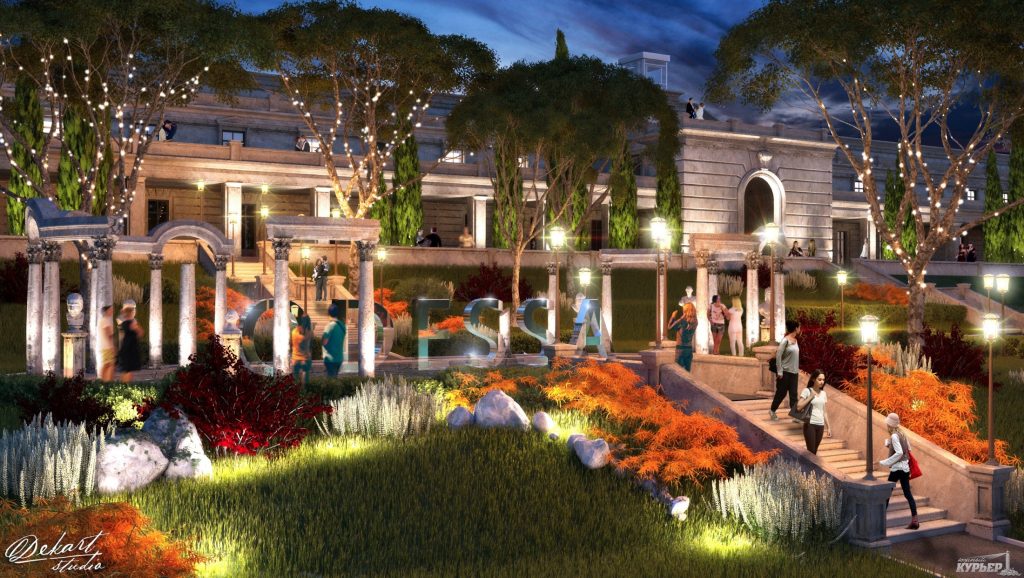
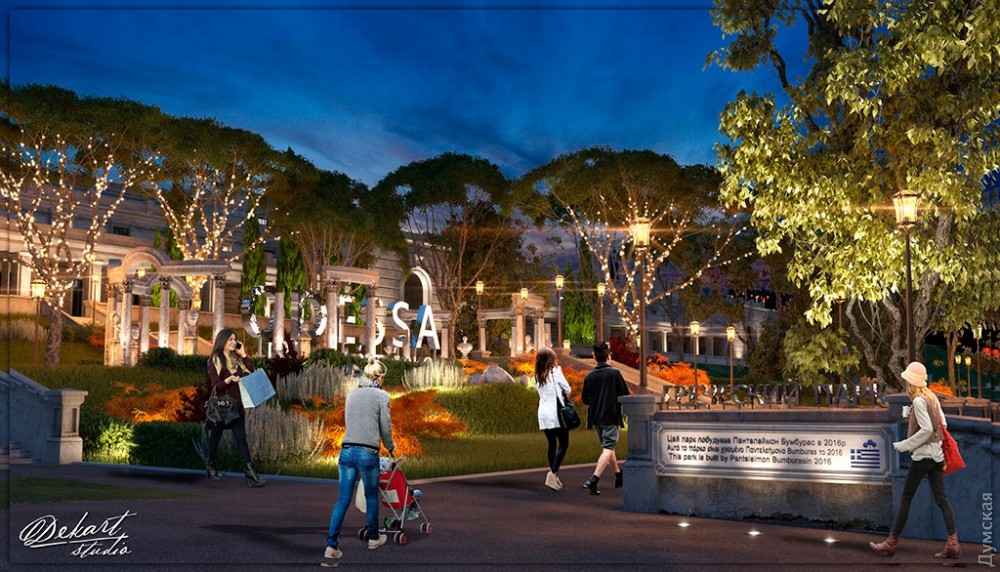
If you walk along the Primorsky Boulevard towards the Vorontsov Palace, you can see the Greek Park below. Its opening took place on September 2, 2018. The park received its name thanks to the numerous Greek diaspora, whose place in the history of the city’s development is difficult to overestimate.
The Greek Park is littered with trees, under which you can hide from the scorching summer sun. Its remoteness from the bustle of Primorskaya Street and the port, as well as from strollers on Primorsky Boulevard, allows you to have a good time and feel yourself, as if in another world.
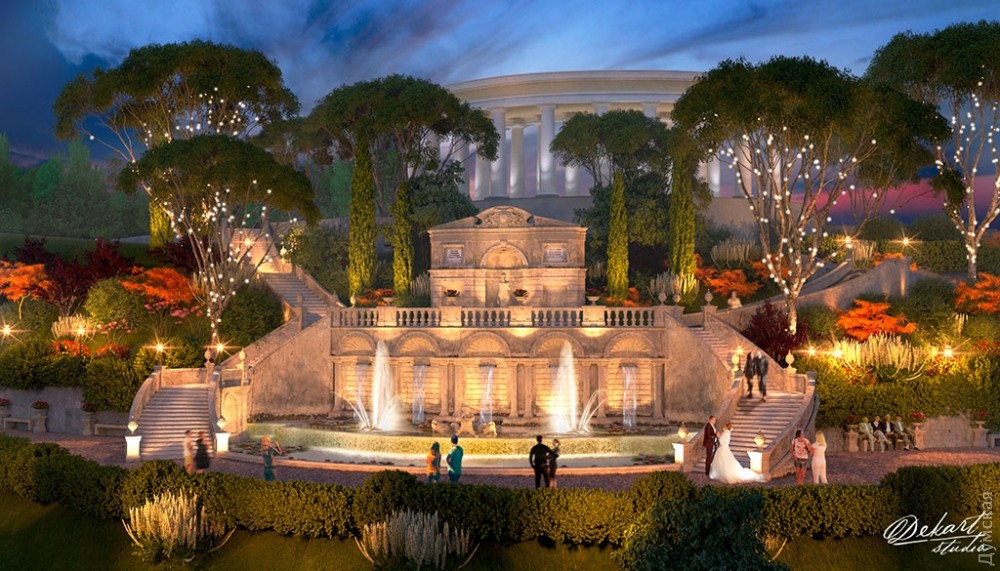
Shortly before City Day celebrations, the park’s centerpiece, the “Beginning of Beginnings” fountain, was unveiled. Designed by renowned Odesa sculptor Mikhail Reva, the fountain’s creator claims its main inspirations were biblical and ancient scenes. In summer, you can watch the water flow and gently wash over the figures of a man and a woman.
Central Park of Culture and Rest named after T.Shevchenko
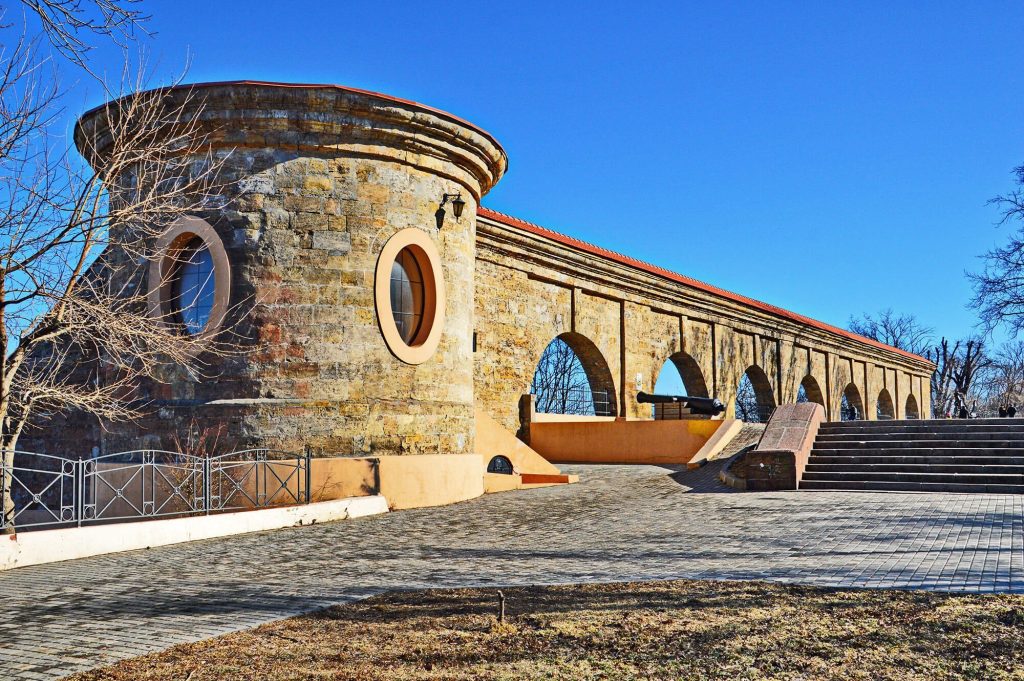
Officially it was founded in 1875 and was called Aleksnadrovski. However, the development of the territory, as the park began long before this important event.
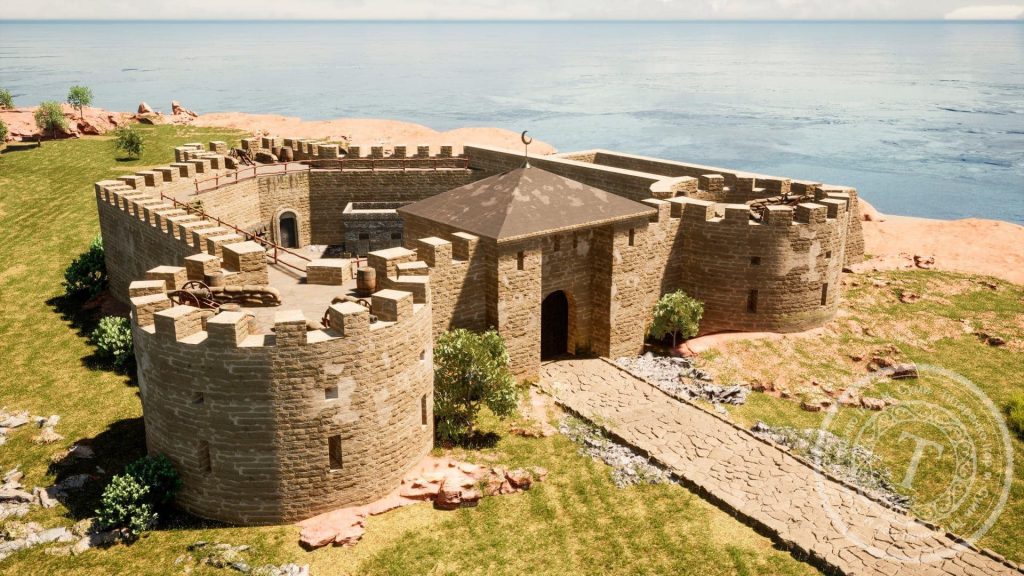
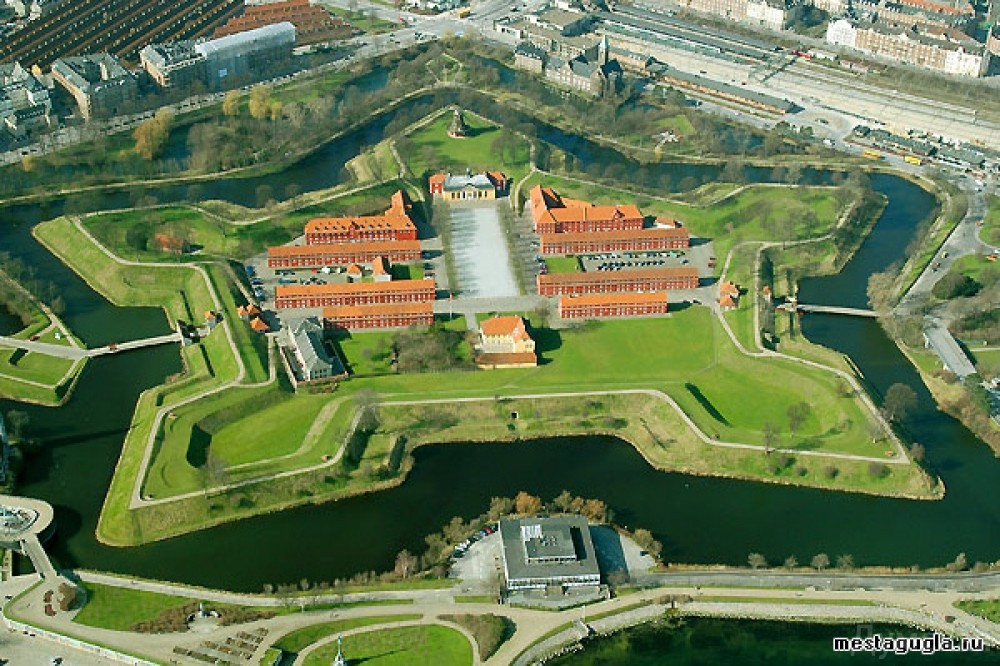
This area was partly part of Turkish Khadjibey. After the capture of Khadjibey, the earthen Khadjibey Fortress appeared here, while the Turkish one was destroyed. This fortification was earthen and located exactly on the territory of today’s T. Shevchenko Park. The very mound on which the Alexander Column is installed was one of the bastions of the Khadjibey Fortress, later the Odesa Fortress. After the abolition of the Odesa Fortress, a part of its territory in fact went to the quarantine zone and became its “passenger section.” It is said that there is a fortress wall in the park, but this is not the case. On the territory of the park there is a quarantine wall, while the fortress itself was earthen.
Here, according to R. Shuvalov extracted from archive files, secret burial were made of separate state criminals who were executed in the Odessa prison castle and race field, in particular – “narodovoltsy”.
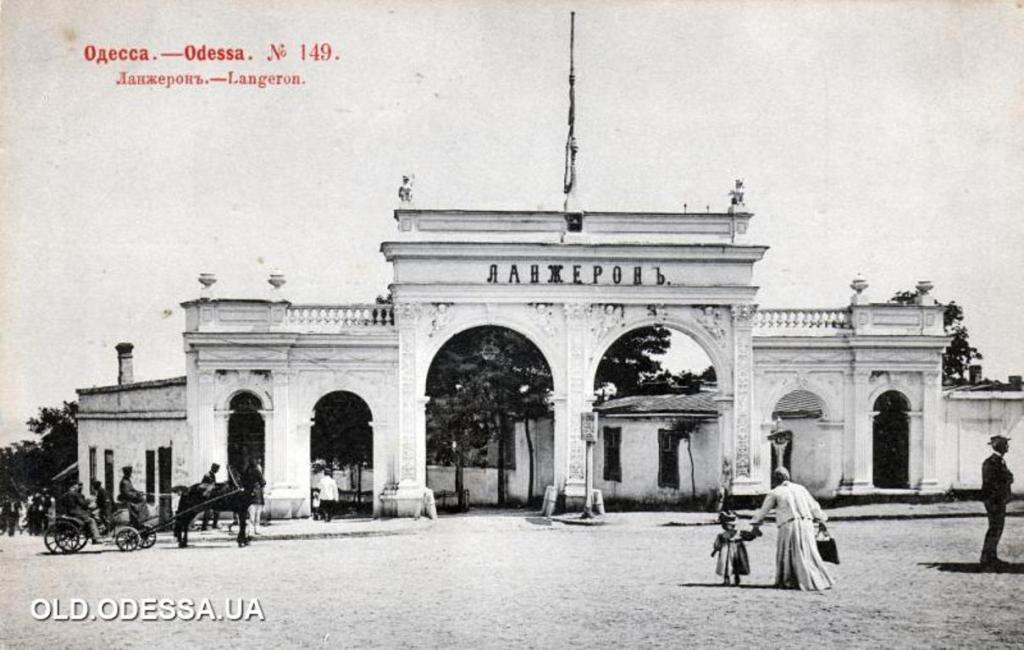
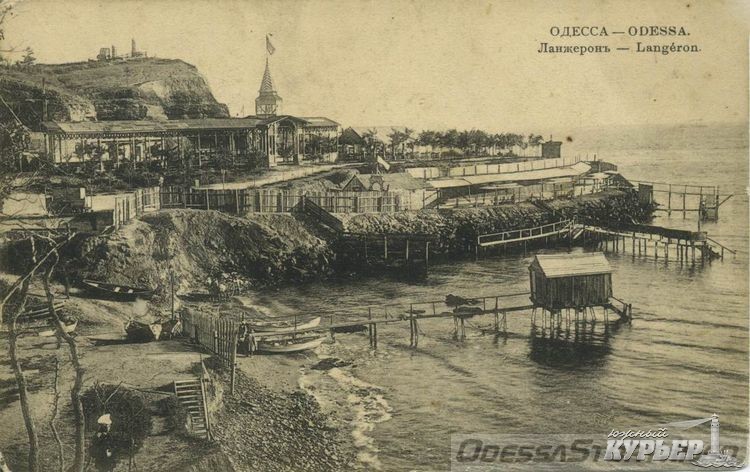
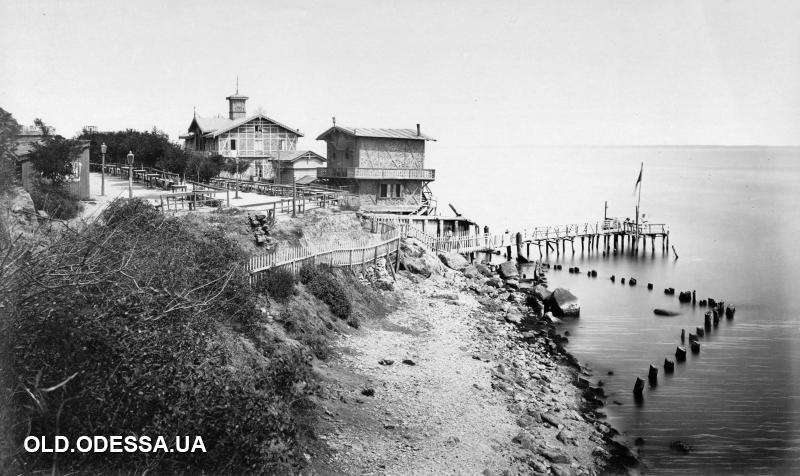
Even before the foundation of the park here beyla cottage Langeron. She arranged festivals, where you could buy a lot of stuff all delicious. During festivals stand out, so to speak, “ethnic societies”, that is, in one booth going to the German workmen, singing their songs to the harp, drinking beer; in the other – the Italian sailors and fishermen singing with a guitar and drank some of Chianti; in the third – the Greek dancing small traders, applying to the Cyprus mastic, etc.
A park in the vicinity of the old fortress have decided in the early 1840s of the XIX century. Starting this decayed as formed almost spontaneously, garden. That is, as the trees planted were all here, but no care was not observed them. However, overgrown trees and shrubs area called the Castle Garden. It is a wild, he often served as a haven for all sorts of shady characters.
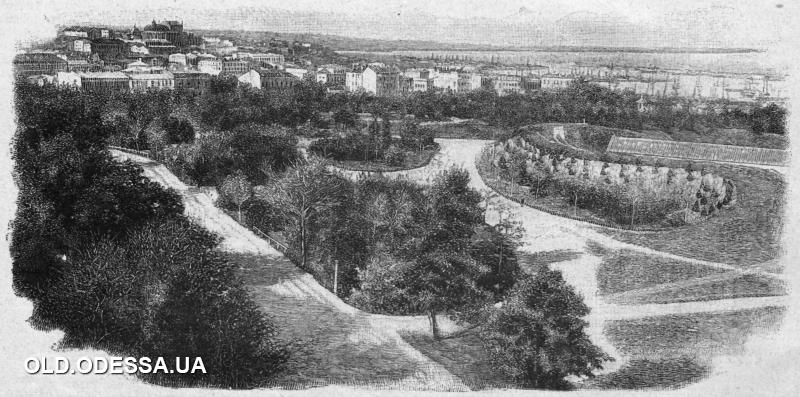
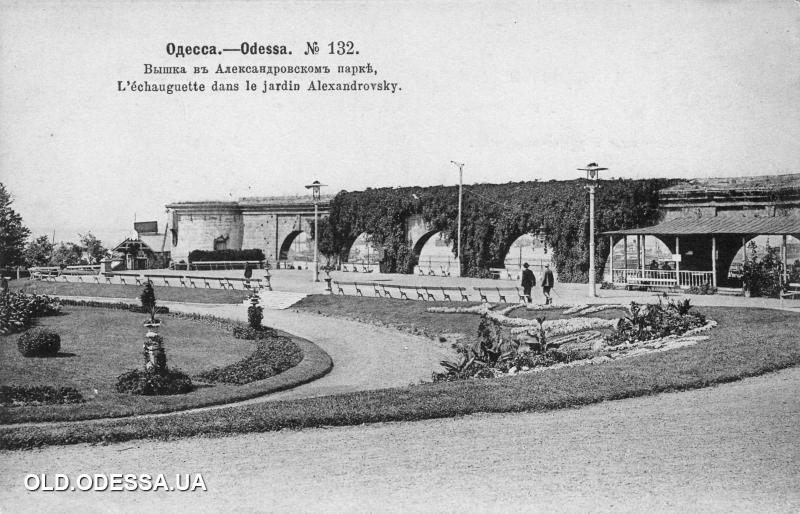
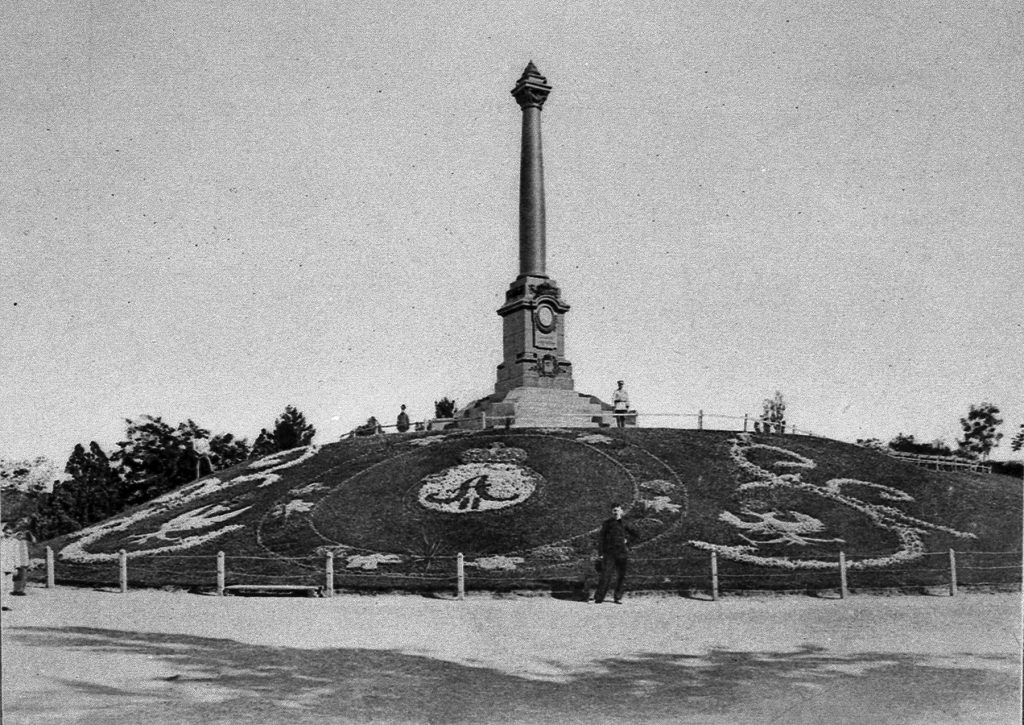
A New History of the park began with the idea, clearly defined and active young mayor GG Marazli who offered to arrange not just a city park, but the park is truly elite. This proposal was preceded by the following story. In 1874 the inhabitants of Odesa in poverty due to crop failure and severe stagnation in trade. The crime situation is such that the worse. And while city council has allocated 10 thousand rubles, that priiskat something to do for the dormant labor. As no qualified work could not offer the city government, it was decided to build a wide road out of town to a place of public festivals and swimming at the cottage “Langeron”. In the spring of that year, 300 diggers set to work: they leveled ramparts, filled ditches, etc. But when the workers approached the powder keg of Lublin Regiment, its commander said that orders to shoot when the distance is reduced to 50 steps, then there will be.. It acts as the statute prescribes. Negotiations, resulting in the cellar has been moved to a safe distance, and all the reconstruction took over the city. Laying tracks continued, was successfully completed, and thus the city without firing a shot captured Hadzibeevsky old castle for public use.
Here then Marazli and he offered to arrange a city park here, and in view of the forthcoming visit to Odesa to ask His Majesty the Emperor on the name of this park Alexandrovsky. a detailed plan was drawn up, and in one of the ramparts built a luxurious royal pavilion (on the site of which was later built the tower), where the monarch and his crew entered the September 7, 1875. The emperor agreed and personally planted a young oak at the main bastion of the former fortress.
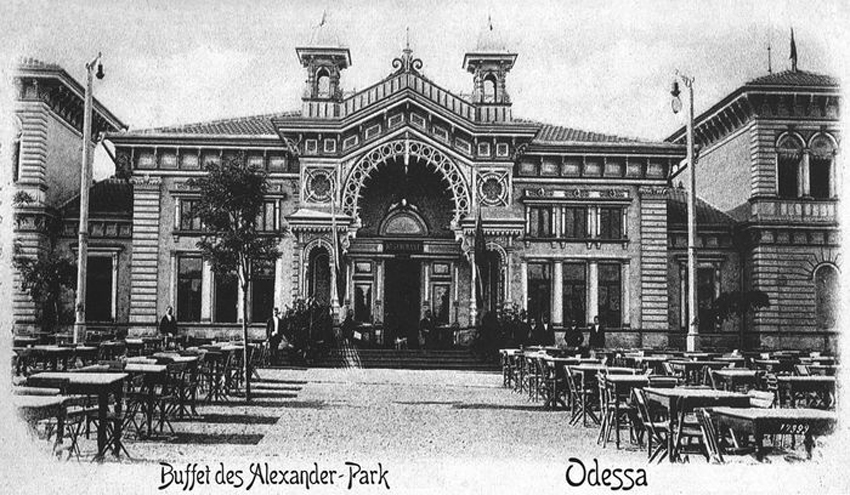
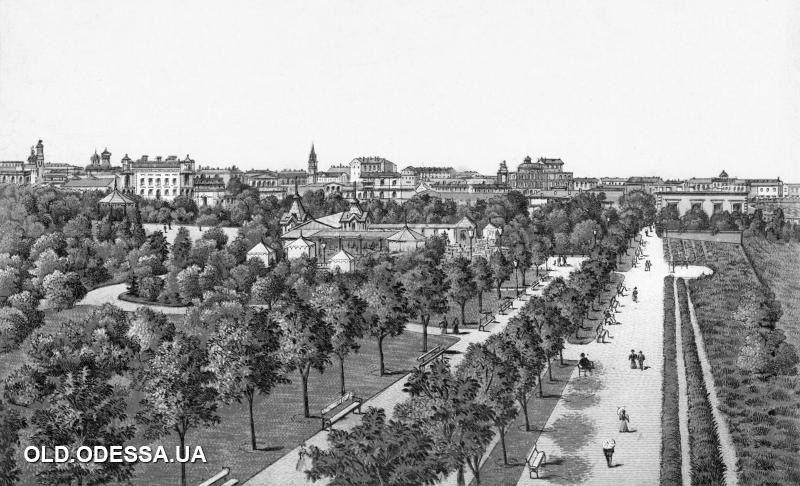
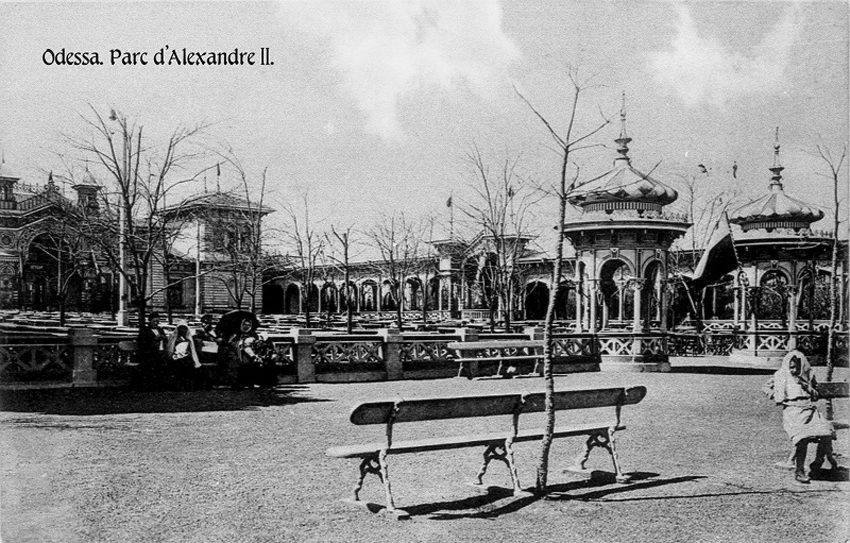
The park was the main Alexander Boulevard. In the center of the Alexander Avenue was a neat two-storey building with a beautiful buffet Belvedere turrets on both sides – the vast veranda and the “Music Pavilion”; in the warmer months between the buildings and refreshments under the spreading trees exhibited many tables for visitors. Buffet and the entire boulevard lit by electricity, which was still a rarity even at the end of the XIX century.
In the park, one of the first demonstrations in Odesa, then fashioned “Cinématographe” was organized in the mid-1890s. Immediately arranged most luxurious fireworks. In short, it was primarily a place of rest of the aristocracy and reputable merchants.
Alexander Park – the cradle of numerous sports in Odessa. Almost from its inception farm Langeron here, for example, practiced shooting at targets Odessa hunting enthusiasts. The park is a rich man gave names Lashkov rink on roller skates with asphalt coating and electric light. This happened back in 1856.
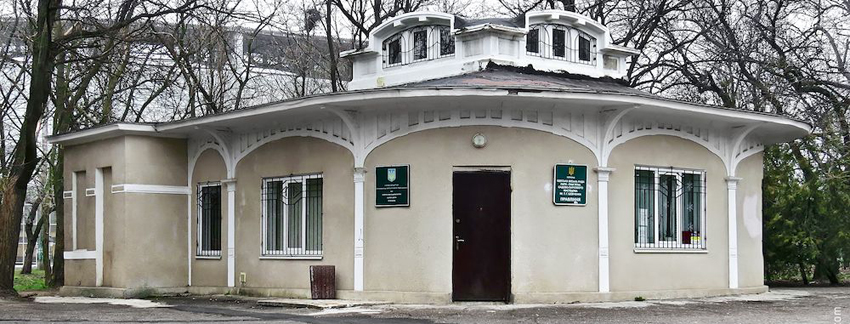
Before our time in the park preserved building of the tram station in 1910 (architects – A.B. Minkus and L. Belkin).
For perfume factory “Rally” was brought from Moscow Pavilion in rococo style, and from Poland delivered the building, which houses plant, supplying electricity exhibition.
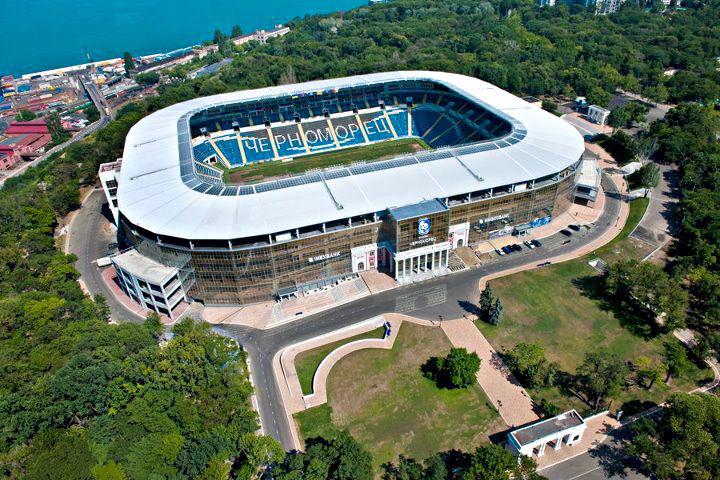
A notable place of Alexandrovsky Park and extremely attractive for the young people of that time was the so-called “Black Sea”. “Once in the Alexander Park, hanging over the pipes and masts port, the city fathers with the pedagogical aim to acquaint the population with the national geography came up to build a small pond in the form of the Black Sea. In strict accordance with the map kalosheobraznuyu dug pit. … If the tank itself has crumbled and lost the slightest semblance of the Black Sea, its regulars firmly retained the nickname “chernomortsy”.
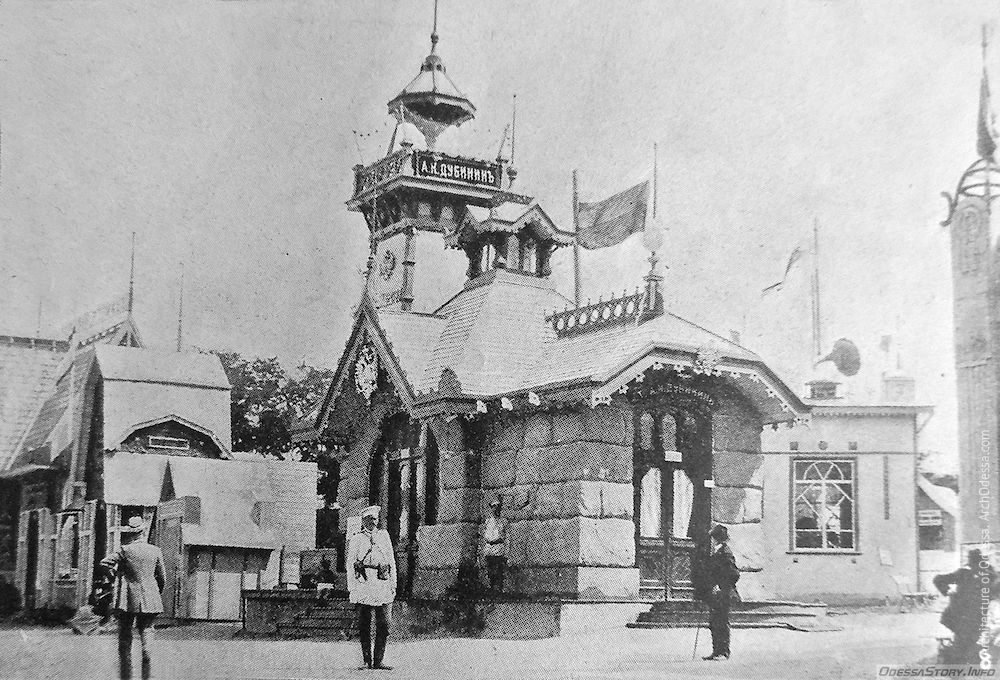
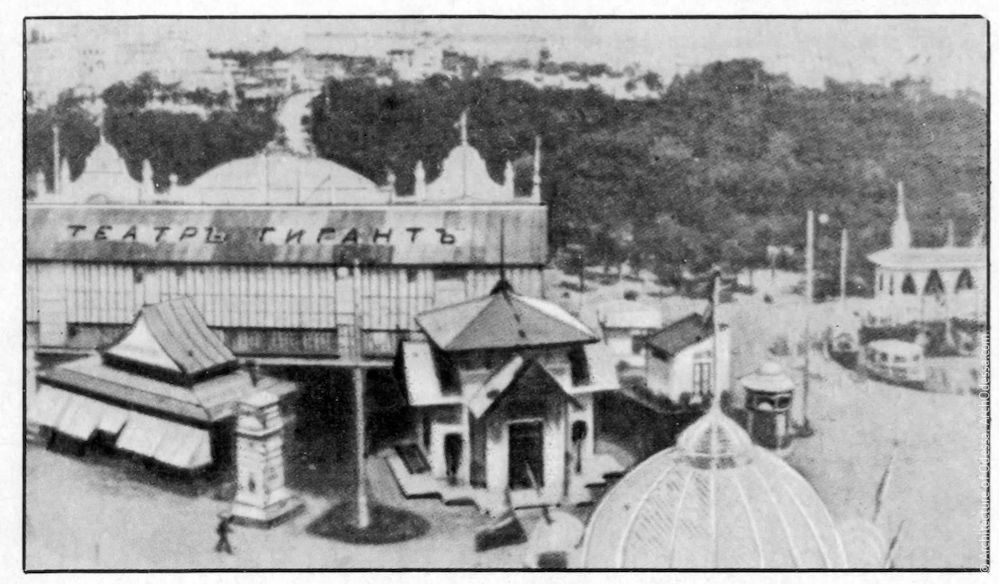
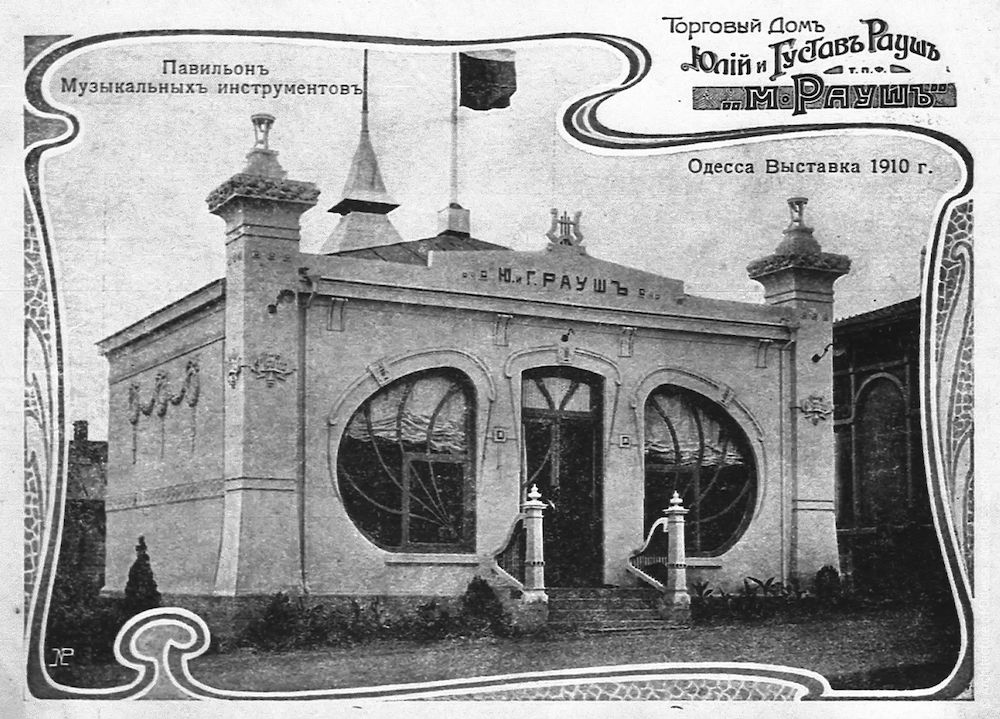
Separate page in the history of Alexander Park – Factory, Art and Industry and Agriculture Russia exhibition, which took place on its territory in 1910 – 1911 years under the auspices of the Odessa branch of the Imperial Russian Technical Society and the Imperial Society of Agriculture in South Russia, and attracted hundreds of the most reputable exhibitors from all parts of the empire. Incidentally, the main part of the exhibition was located just in the basin, subsequently adapted by the ChMP Stadium.
Suffice it to say that the opening of the exhibition was timed launch of the first in Odesa line electric tram, which runs from the park to the city through the Stroganov Bridge and was made “Anonymous Belgian society.” During this exhibition, moving sidewalk was working in the park. Total 1440 exhibits was presented at the exhibition.
Park Taras Shevchenko, he began April 30, 1920, according to Executive Committee decisions.
NMP first stadium was built in 1936 and which is associated with the names of many well-known athletes.
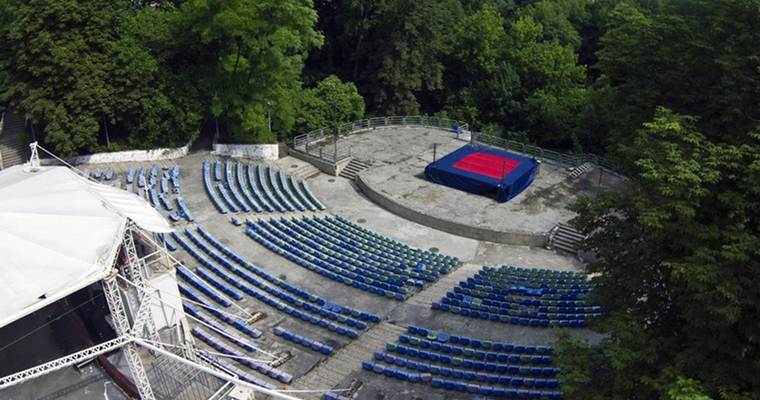
At the site of the proposed pond, it was built Greentheater, very popular with the public in 1950-60-rm. With the theater associated with the names of famous artists:. L. Utesov, O. Lungstrem, E. Pyekha, A. Raikin, V. Obodzinskiy, Tarapunka and Shtepsel, M. Vodyanoy, etc.
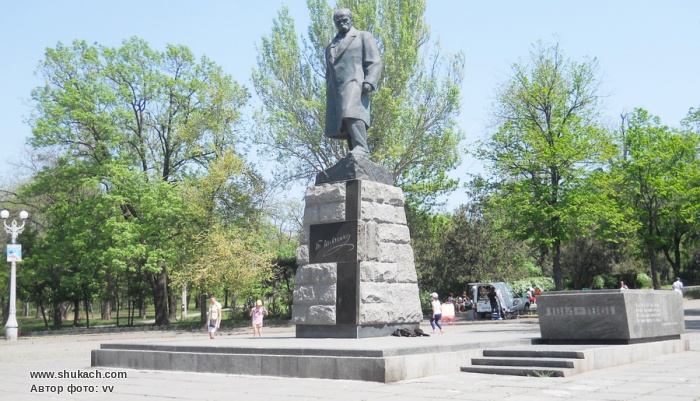
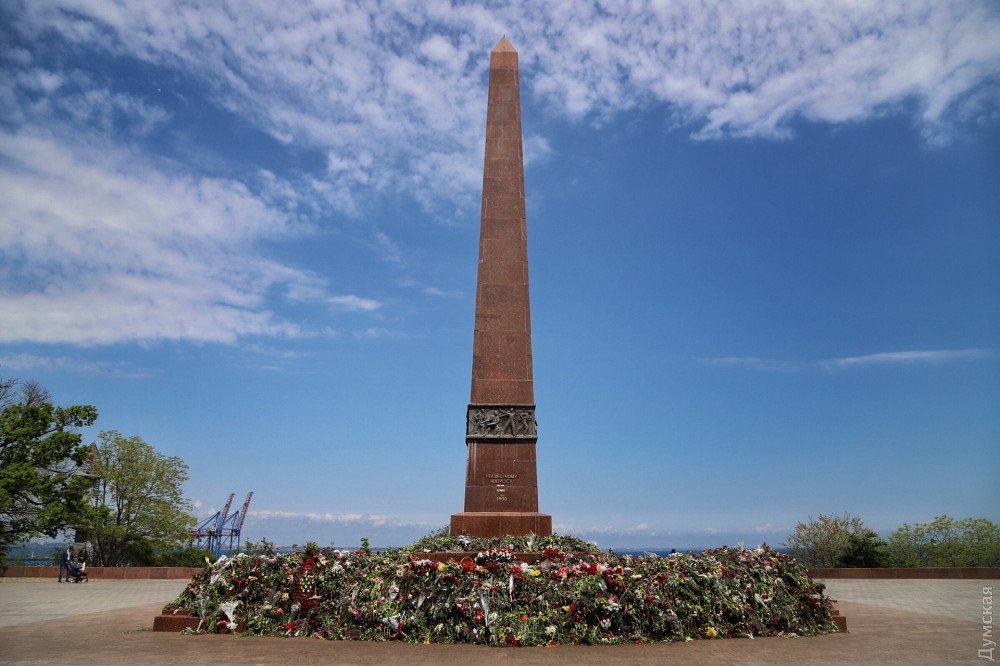
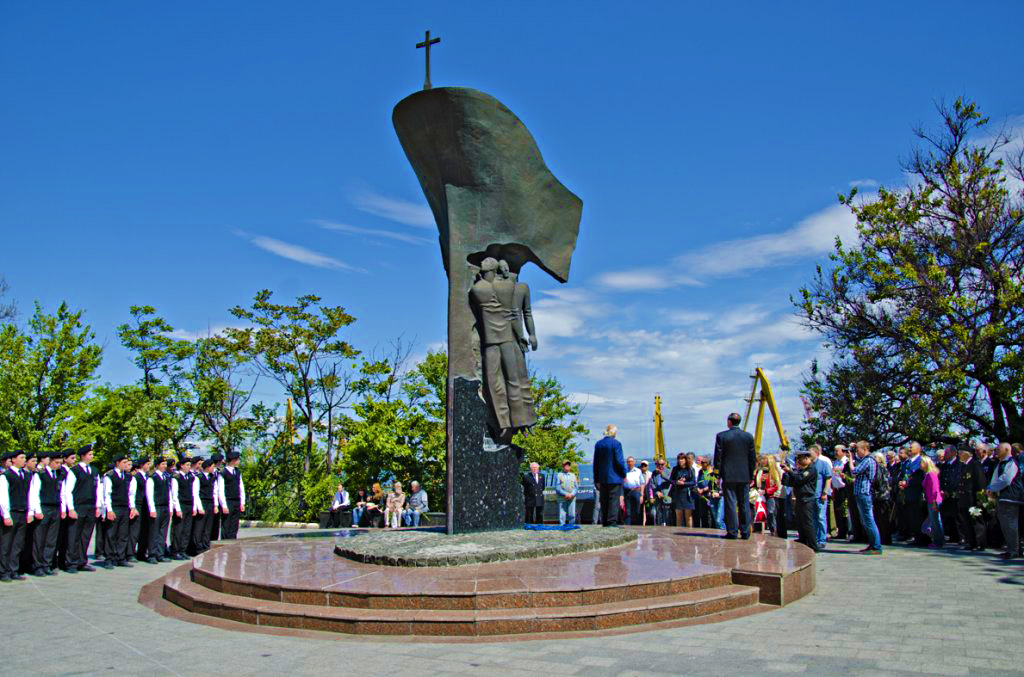
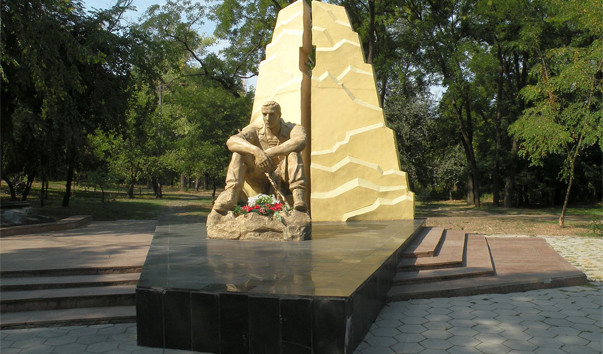
The park is set a number of monuments: the Walk of Fame with burials participants Odesa liberation and monument to the Unknown Sailor,. In different years, it was discovered monument Soldiers in Afghanistan and a monument to the Dead Sailors.
Monument to Taras Shevchenko was erected in 1966.
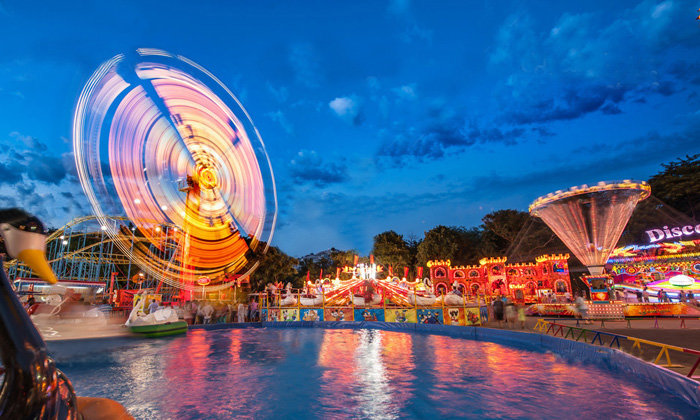
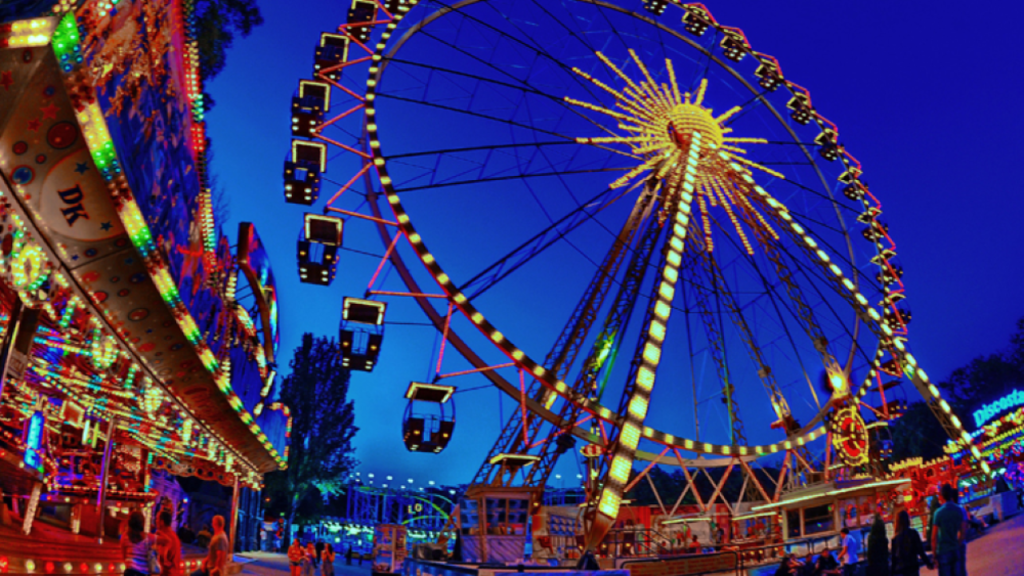
Ferris wheel was opened in 2011. There is also an attraction complex there. The wheel was included in the list of the most famous Ferris wheels of Europe, it`s the highest in Ukraine and one of the main attractions of Odesa.
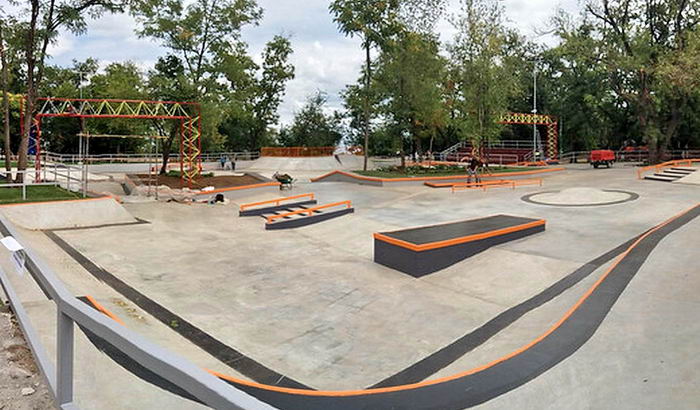
In 2017, to the Day of the city, a skate area was opened in the park for roller skaters and extreme cyclists. A new sports ground is located between the “Chernomorets” stadium and the Capitans Alley. The site consists of four levels of facilities for performing tricks and extreme riding on rollers, skates and bicycles.
The Diukovsky Garden
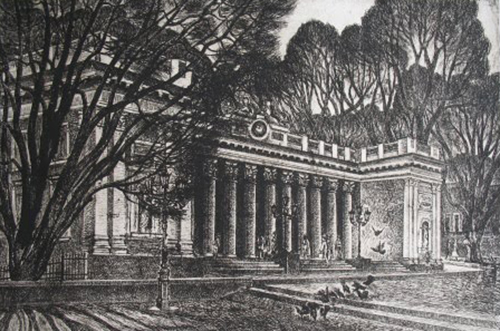
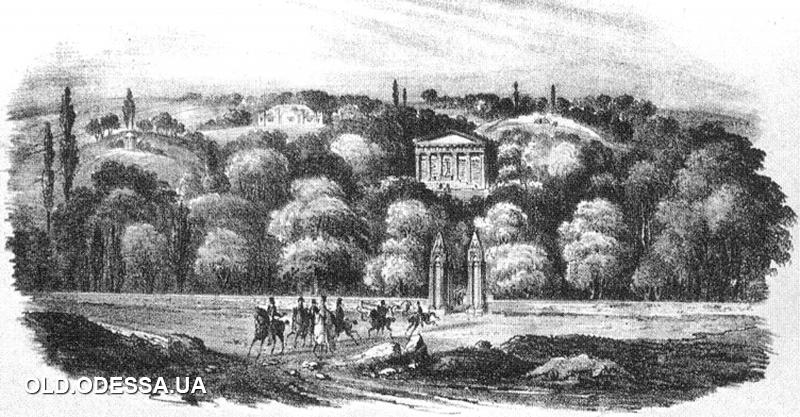
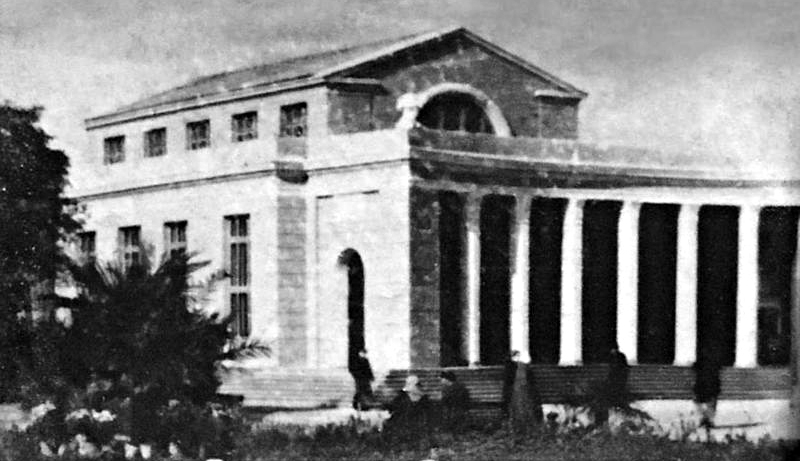
Anyone who has ever been to Odesa knows about the monument to Duke on Primorsky Boulevard. Few have heard that a memorial plaque to the duke was installed on the building not far from the famous opera theater and, probably, only Odessans know about the Diukovsky garden. It is located on the border of the famous Moldavanka and Slobidka. This is the very first park in Odesa.
When the Duke De Richelieu ruled our city and region, he ordered to plant trees in his country house, ordered by him from the Italian lands and France. It happened in 1810. The place for the park was not chosen by chance: there was a small river on the territory of modern Balkivska Street, before the Mid-60s of the 20th century. Before leaving, the duke bequeathed the park to Stempkovsky – his adjutant. After 12 years, the garden passed to the city.
In those days, it was practically the outskirts of Odesa. The park was going to different honest and dishonest people. Despite this, there were stairs, fountains and gazebos for a pleasant pastime on the territory of the Diukovsky Garden. During the town council of Grigori Marazli, in the park rides were arranged for children from poor areas of Moldavanka and Slobidka.
In Soviet times, the park also flourished. Fairs were organized on its territory and exhibitions of achievements of the national economy were held. The scenes of the film “Spring on Zarechnaya Street” (1954) were filmed in the Diukovsky Garden. It was one of the first films of the Odesa film studio, which it shot independently.
With the development of ice sports in Odesa and the emergence of the school of figure skating, the need for its popularization among Odesa residents has increased. For this was built ice palace “Morozka”. He was the first in the city. Special pipes were laid through which coolant for the rink was fed. There was a fountain in the park, and in the summer, in the evenings, showed a movie.
The decline of the park fell on the last decade of the XX century. Pavilions for the exhibition were partially destroyed, and partly abandoned. However, the billiard room continued to function. It has become a place to which criminal excursions will probably lead in the near future. Then they came to the billiard room, it was a pleasure to bring in time the authorities of the dashing 90s. Now, of course, near her quieter, but the spirit of those hard years still remains.
Also in the park there is a house where you can still see a ghost, and who would you think? Duke De Richelieu himself! This is exactly the house in which he lived when he came to his country cottage. However, it is abandoned.
Diukovsky garden is a monument of landscape art. There is a pond in the park. There are projects for its improvement, however, the restoration of the park now remains the subject of future achievements…
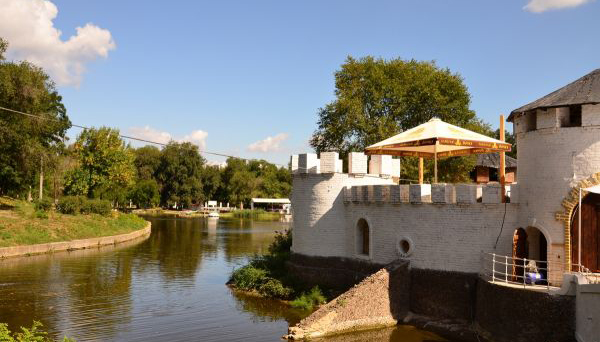
The Arboretum “Victory”
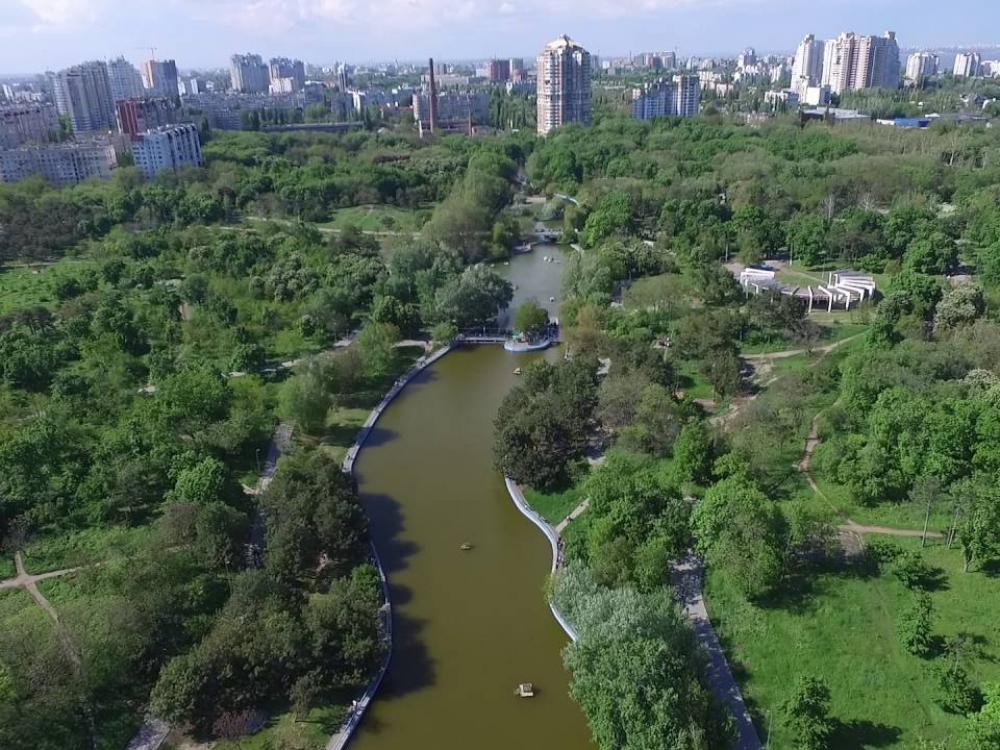
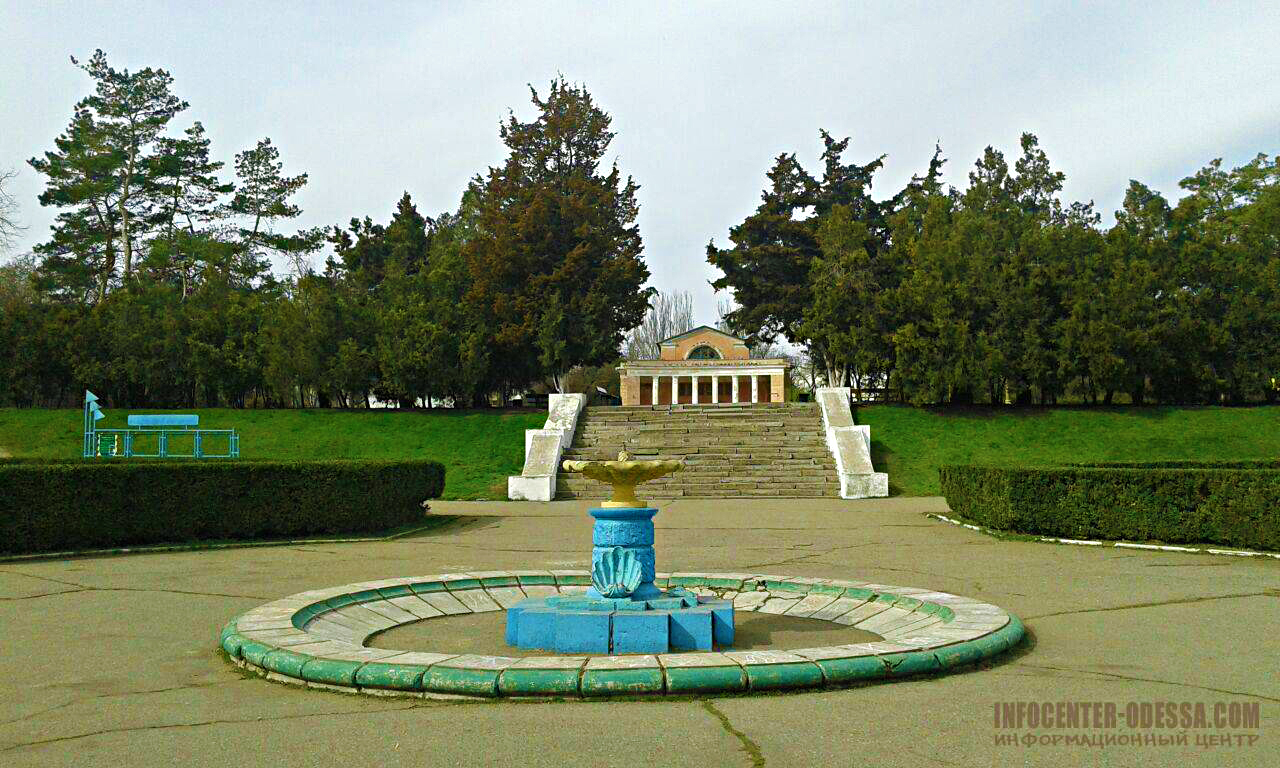
Between the Arcadia and the city center, parallel to French Boulevard located Shevchenko Avenue. Closer to its end, you can roll up and be in the park. Today it is called Arboretum “Victory”.
Previously, this territory was not at all like a modern avenue. Imagine, until the end of the 50s of the XX century, this area was the outskirts of the city. There were the poorest houses. According to the memoirs of old-timers, the terrain of the future park generally served as a dump. It was mottled with numerous ravines and potholes. For the foundation of the park – the area needed a complete renovation.
Immediately after its foundation, the park became a favorite place not only for walks of Odesa citizens, but also for representatives of the cinema. The film “The Adventures of Electronics” was filmed on its territory.
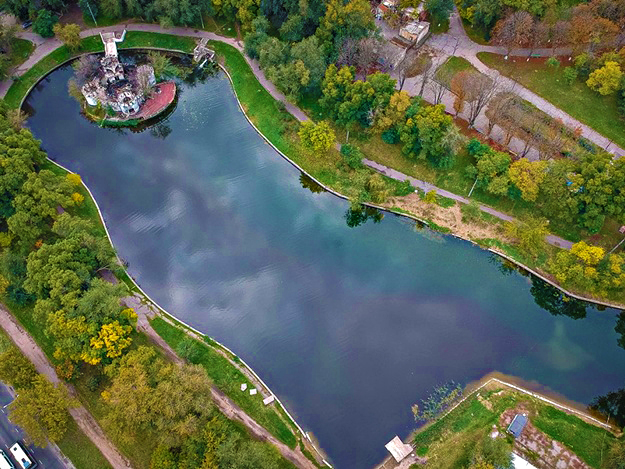
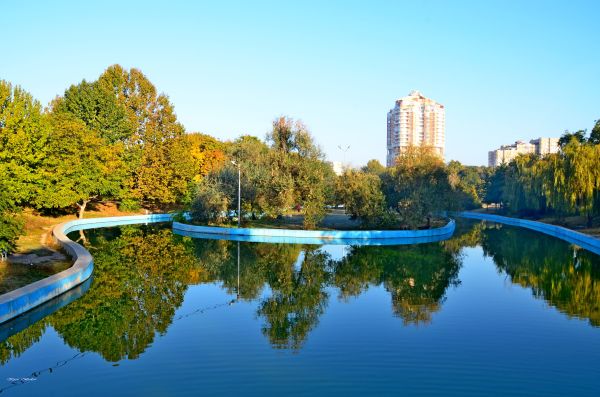
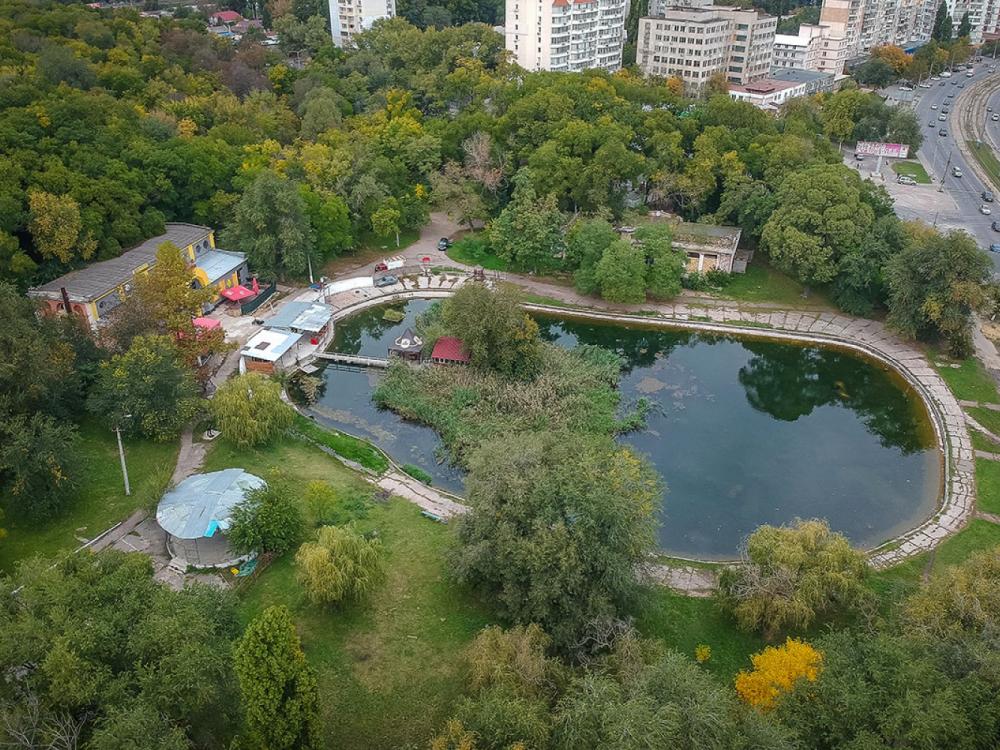
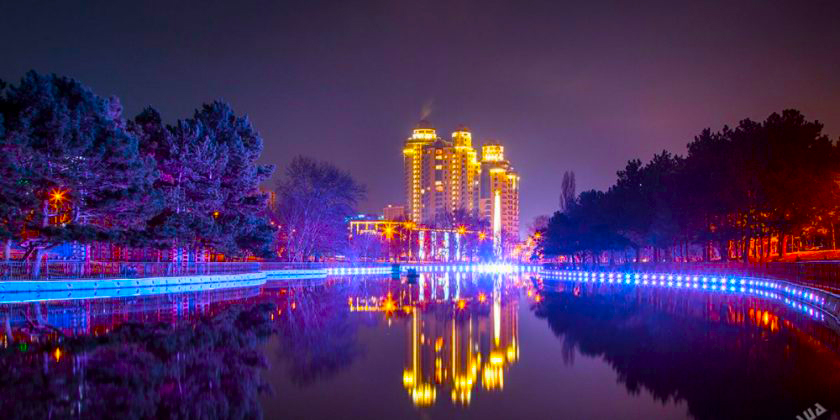
On the territory of the Arboretum “Victory” is an artificial rod with bridges and islets. From the side of the Tenth of April Square, an alley is planted in honor of the hero cities. It was planted by famous figures of the time, among of them were cosmonauts Bykovsky and Shonin.
At the entrance to the park is a monument to SK. Dzhivetsky. He is the creator of the upgraded submarine. Before the launch of the invention, it was exposed on Prymorsky Boulevard. The residents of Odesa joked that this is most likely a steam portable brewery and everyone on the opening day will be able to taste the intoxicating drink for free, however it was completely wrong.
Returning to the park, it is impossible not to mention its reconstruction. It took place in the late 2000s.
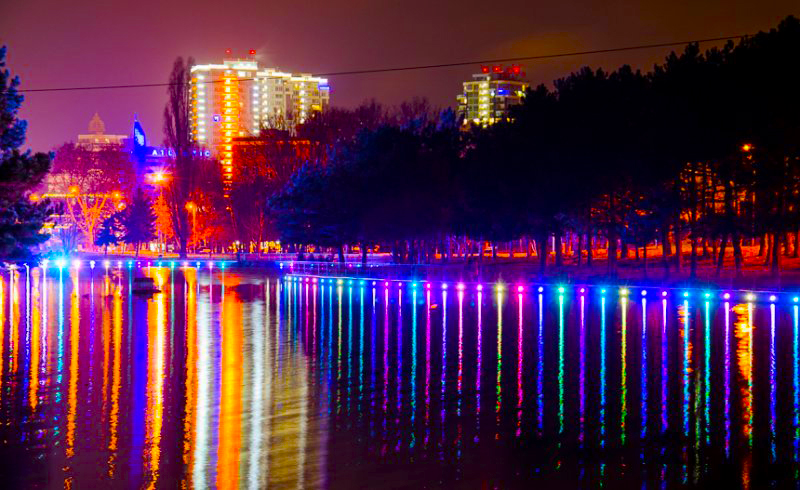
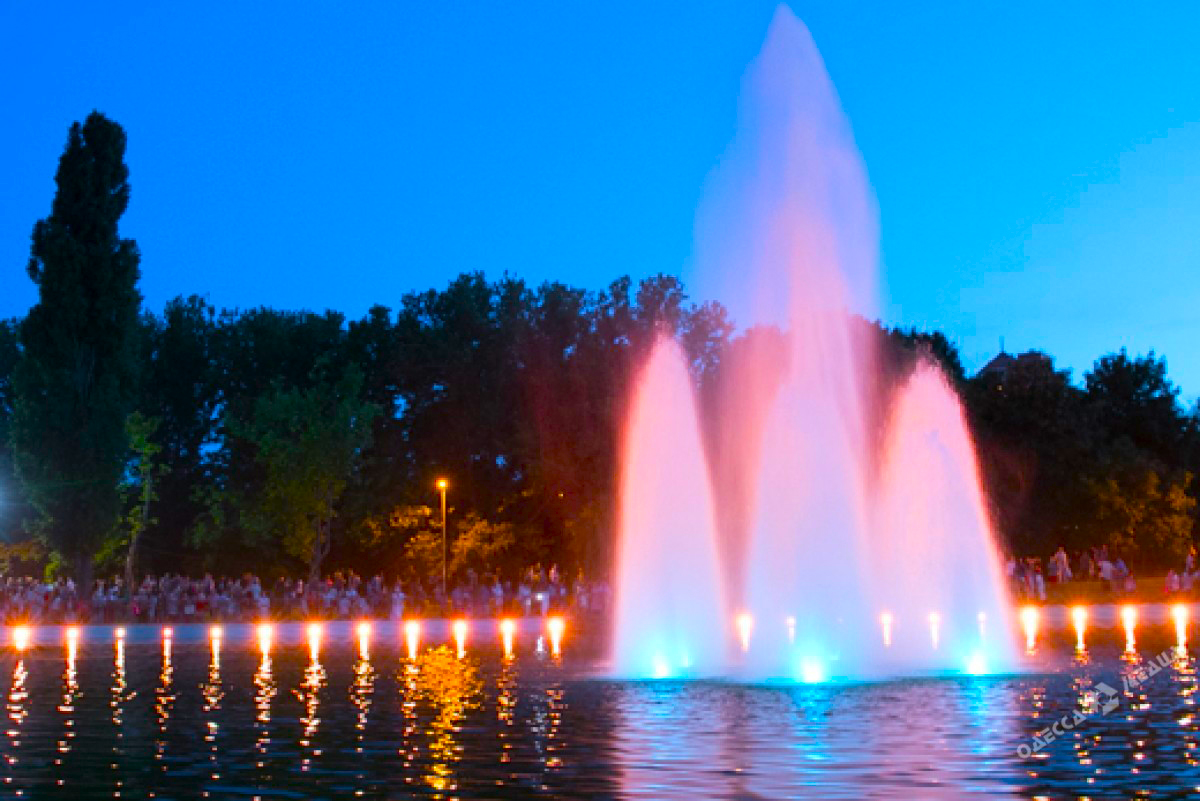
Today, the park is still a favorite place for walking both among Odesa residents and among guests of the city. One of the main elements of the park is a fountain. It is located in the pond. In it you can also see various ducks, swans in love and even turtles. Crucian carps also swim in the pond. However, old-timers remember that there were also pikes. The park even has its own Odesa Stonehenge. Previously, it was a summer theater, which in the 90s fell into disrepair. And now Odessans are joking that this is as abandoned as the ancient monument in Great Britain.
The Corner of Old Odesa
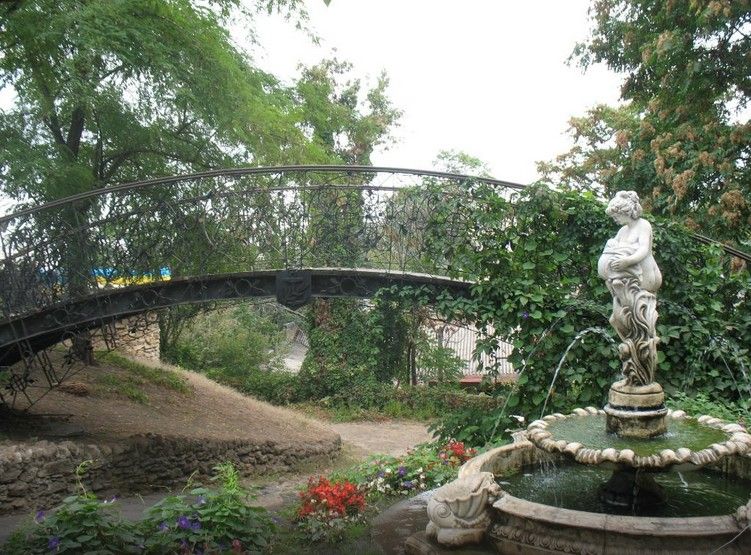
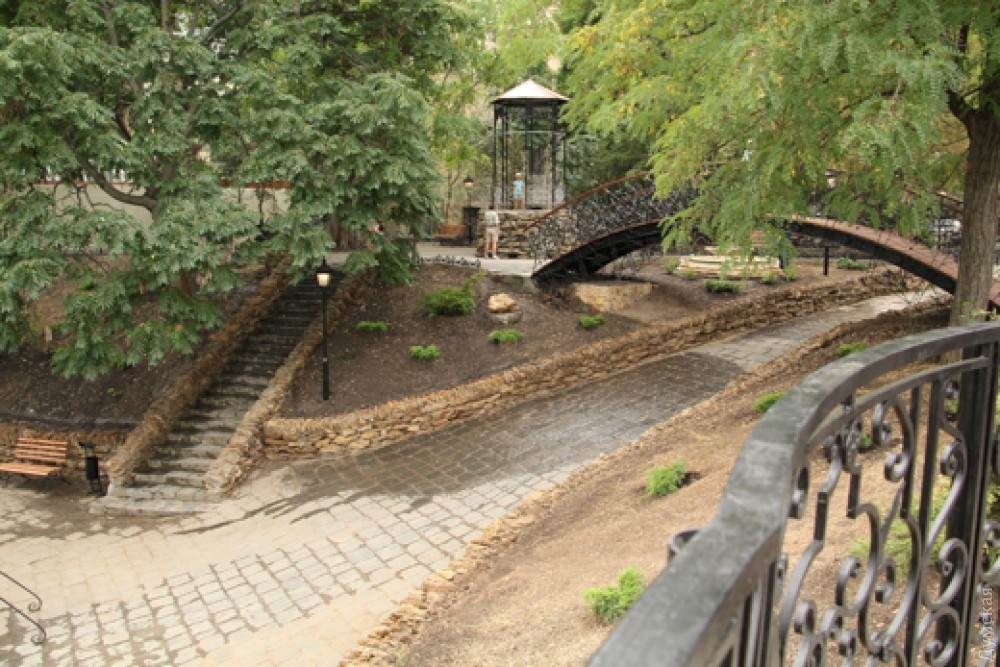
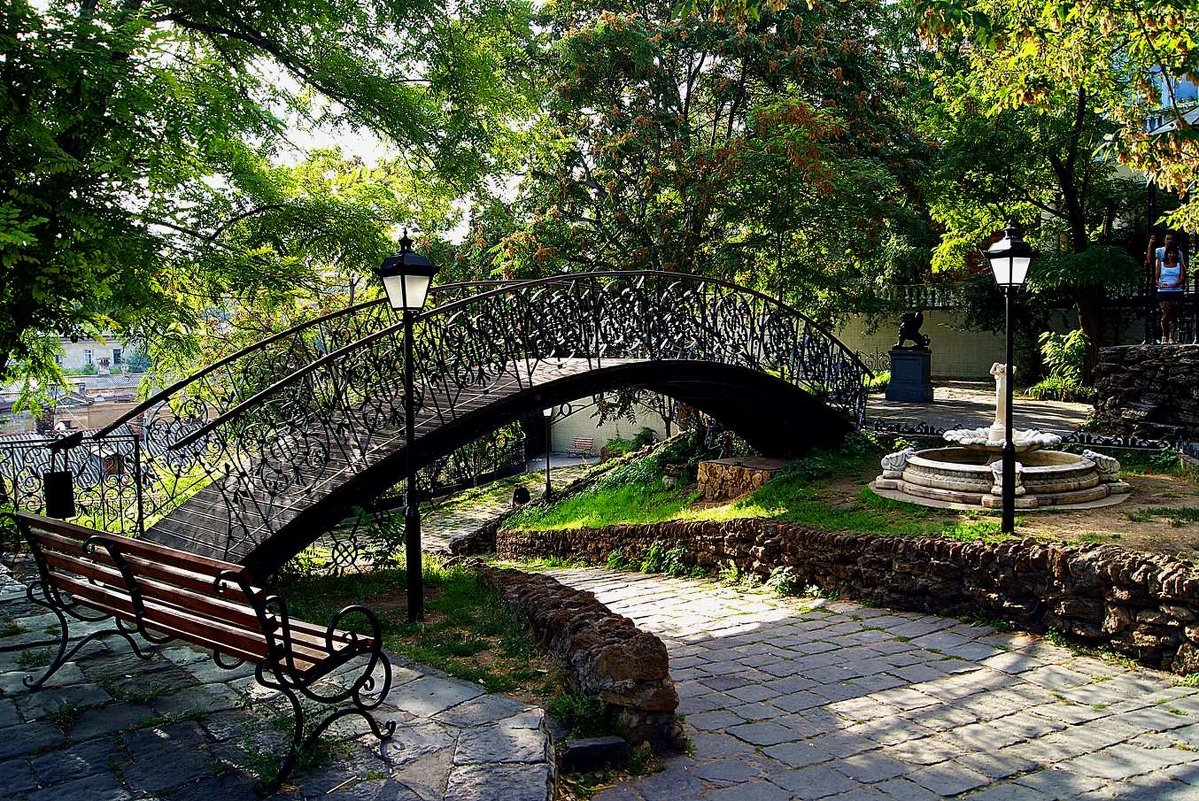
In our city there are more than forty museums. However, one of them you will not find on the map of the city, although it is located in close proximity to the Prymorsky Boulevard. On its territory, the exhibits can not only touch, but also stand on them. Its name is “The Corner of Old Odesa”.
The improvised museum is located under the open sky at the very beginning of the intersection of Hohol Street with Naval Forces Boulevard (until 2024 -Zhvanetsky Boulevard), not far from the famous Teschin Bridge. The open-air museum was founded in the 70s of the XX century. The idea of its foundation was expressed by the journalists of the newspaper “Evening Odessa”, although they planned to do something similar 50 years before its appearance.
Today, on the territory of the “Old Odesa Corner” there are objects that symbolize the first hundred years of the city’s history. Why is it written that you can stand on exhibits in our museum? This is the purest truth! If you enter the territory of the “Corner”, the legs immediately fall on the pavement, which has a very interesting story…
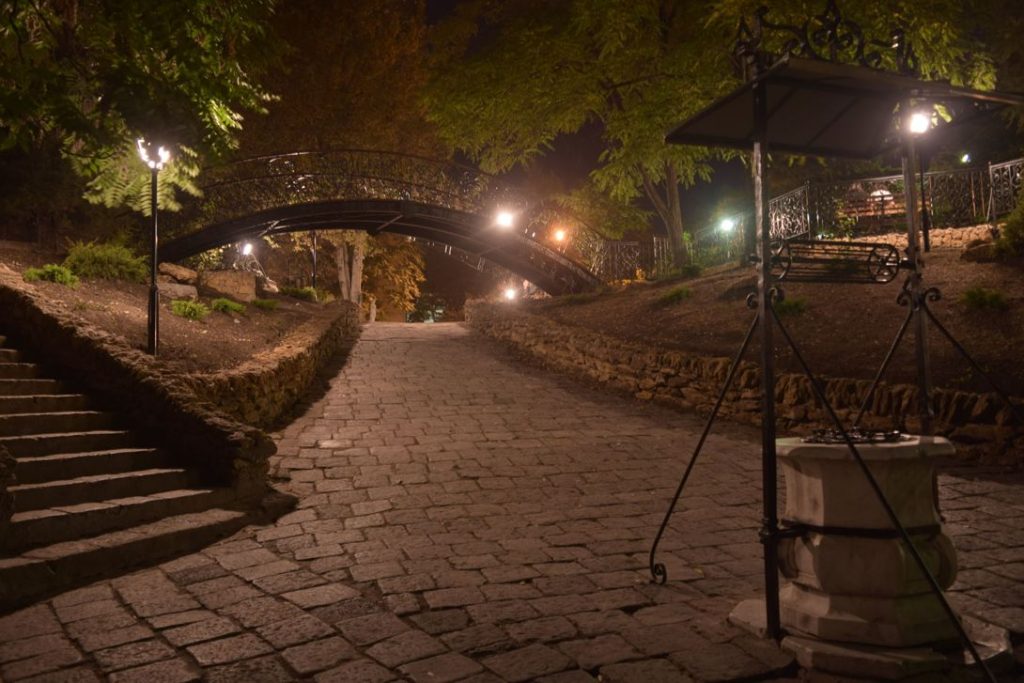
In the museum there is a well, which was once located in one of the Odesa courtyards. He has a very unusual structure and extremely amazing principle of work.
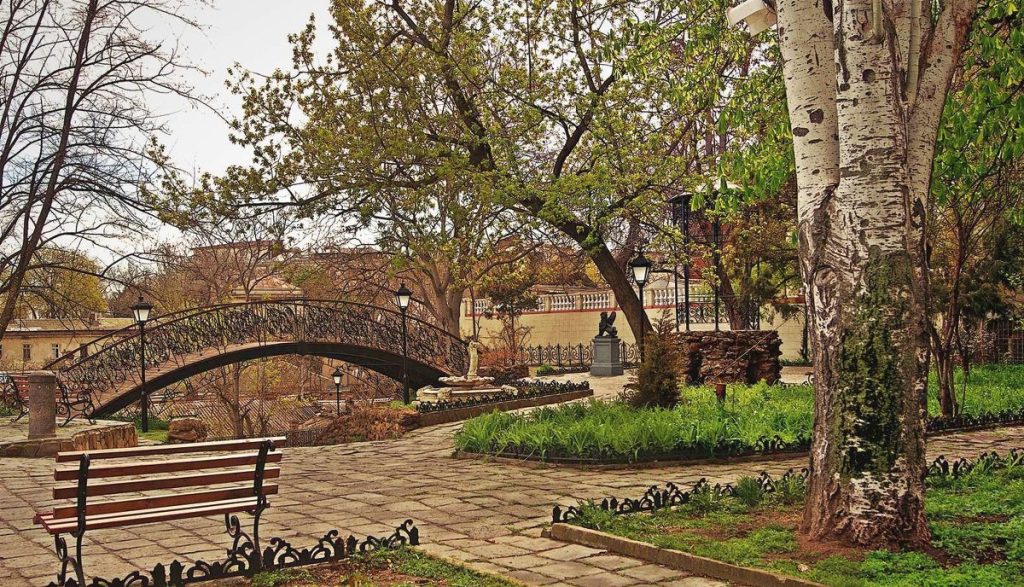
Here you can see a small wooden bridge. It is also called the bridge of lovers. Many couples like to be photographed on it. Here you can enjoy your time in the summer gazebo. Once there was a cafe in it, but now it is open for free entry.
There are some elements of decor here. At the very beginning there is a sculpture of a grieving maiden. It was taken from the first Christian cemetery, on the site of which the Preobrazhensky Park is now spread. Behind the bridge of lovers is the mythical creature griffin, which is designed to protect all this labor of human hands.
In 2018, the restoration of the “Corner of old Odesa” was completed.
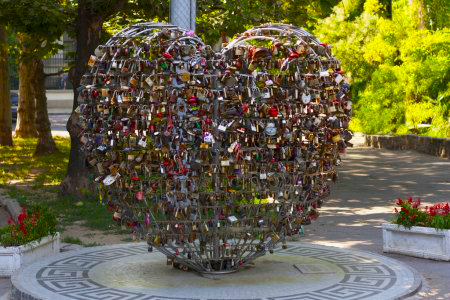
In front of the improvised museum there is a favorite place for couples, and especially for newlyweds. This is a monument to the heart. It was assembled from castles that hung on the railing of the famous weedy bridge. Over time, there were so many of them that there was a fear of a bridge collapse. So they decided to dismantle and install as a separate art object.
Walking along the picturesque Gogol street or the visit card of Odesa – Prymorsky Boulevard, for sure, you must go to this wonderful corner. After all, it`s a reminder of that Odesa, which irrevocably went down in history…
The Preobrazhensky Park
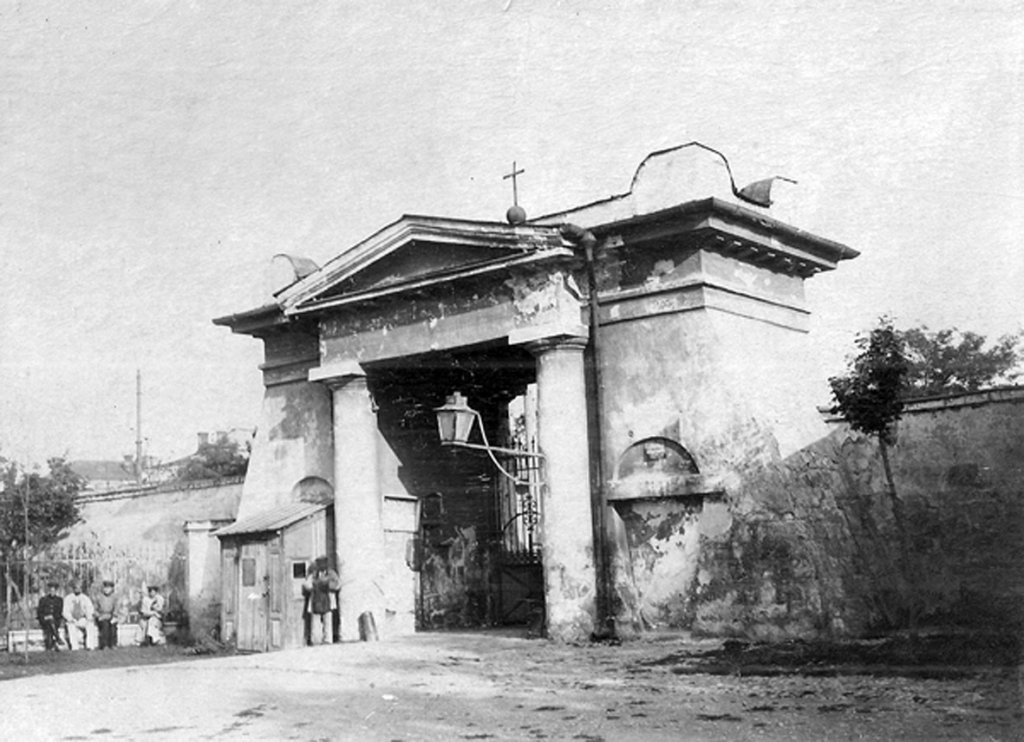
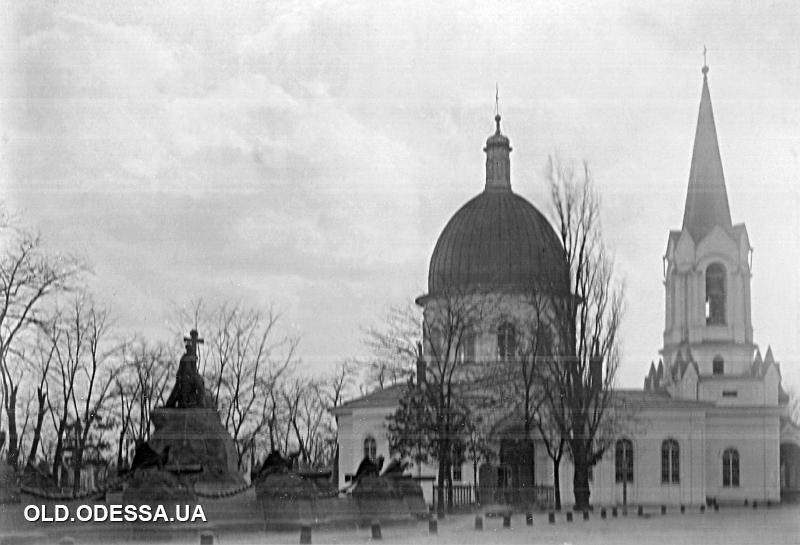
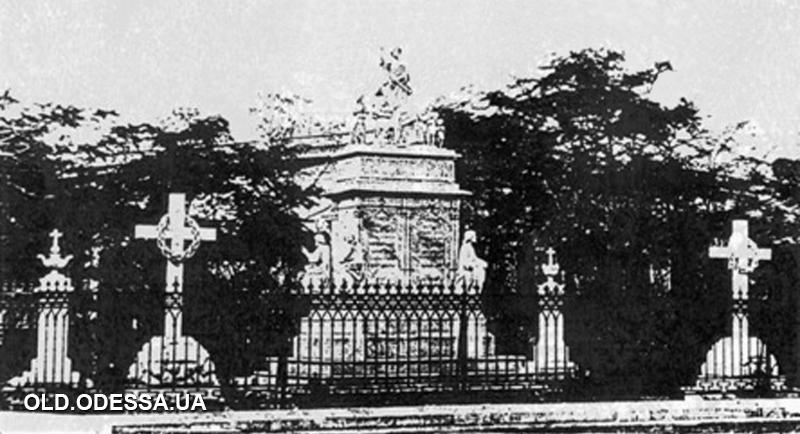
In the central part of the city is the most famous market in our city – of course, this is the legendary Odesa Pryvoz! However, it is not about him now. The Preobrazhensky Park located just near Pryvoz. It is located on the border of the legendary Moldavanka, the historic center of the city and Sakhalinchyk district. It was organized in 1933 on the site of the First Christian Cemetery.
In the old cemetery, prominent residents of pre-revolutionary Odesa were buried. Among them: architect F.K. Bofo, Felix de Ribas, Vira Holodna and many, many others. After the revolution, the cemetery gradually began to decay. The graves remained abandoned until 1931, when the official decree was issued: demolition of the cemetery and organize in its place the park of the Illichevsky district.
A number of sculptures were installed. Near the stadium, closer to Mechnikova Street, a sculpture of a female pilot appeared, as the woman at the controls of the aircraft was then considered a very honorable profession. After the war, with the restoration of the city, they began to revive the park. Already in 1950, there were shows of young technicians on its territory. Later in the park there is a shooting gallery. In the summer, Czechoslovak Luna Park came to its territory.
In 1995, the park was renamed Preobrazhensky. In 1998, its territory became a memorial. This provision prohibits the construction work, in addition to installations of sculptures or refining..
In 2014, the park begins a new life. A plan was adopted for its reconstruction. A lot has been done in four years. The wide paths of the park are overlaid with tiles. The entrance has been restored. A memorial museum and an exhibition of sculptures should appear. A computer information complex should also be created. Despite the incompleteness of the park, it is still nice to walk in any weather.
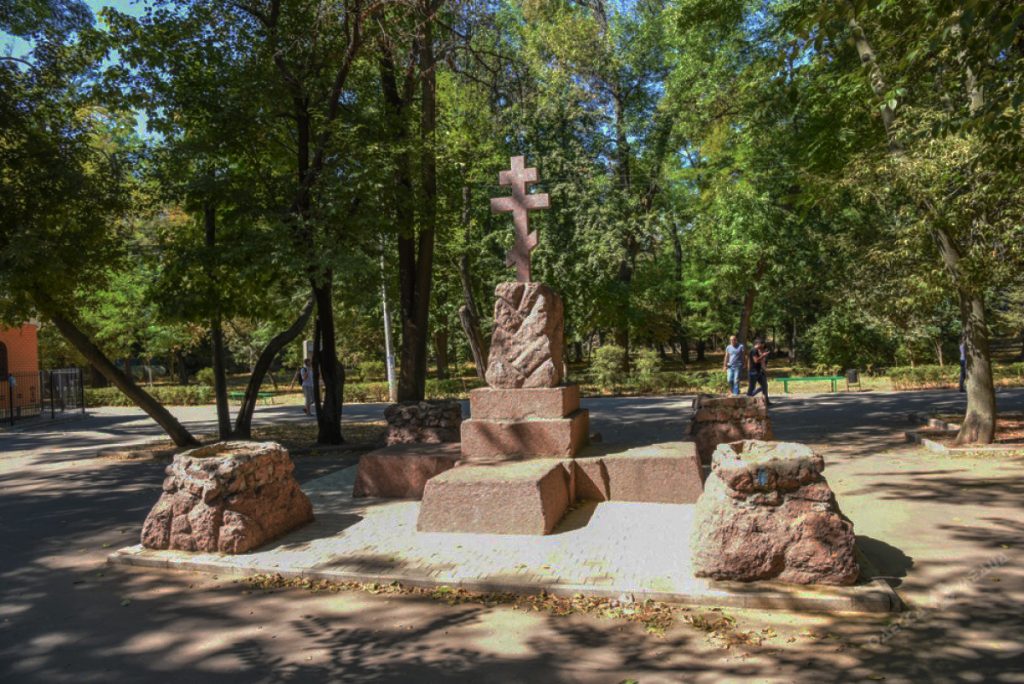
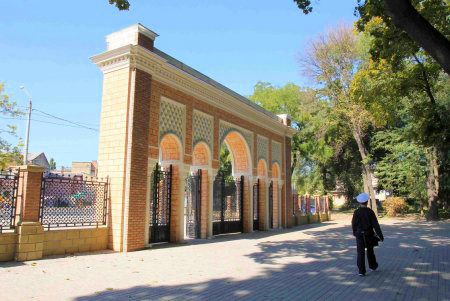
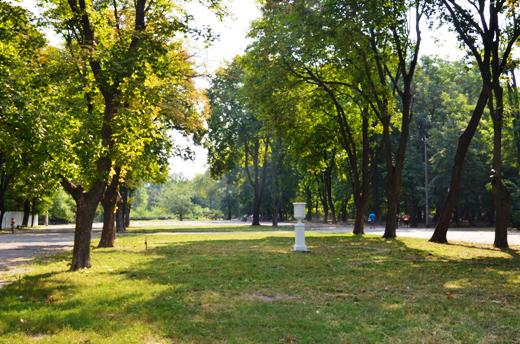
The Hydropark “Luzanivka”
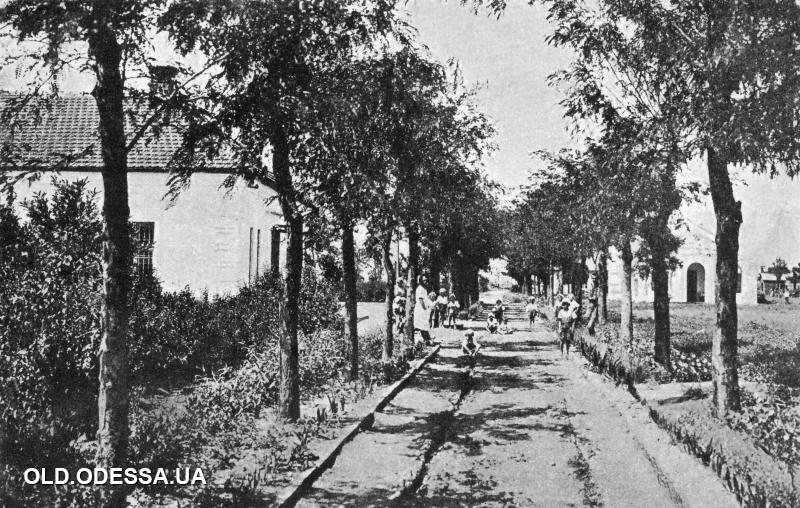
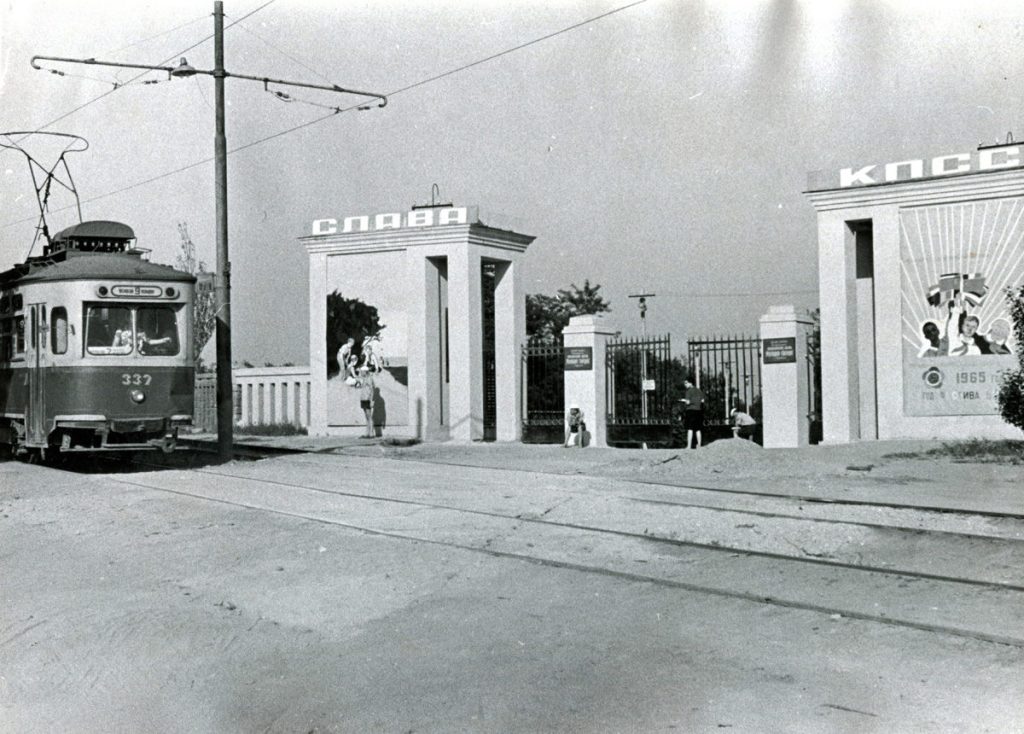
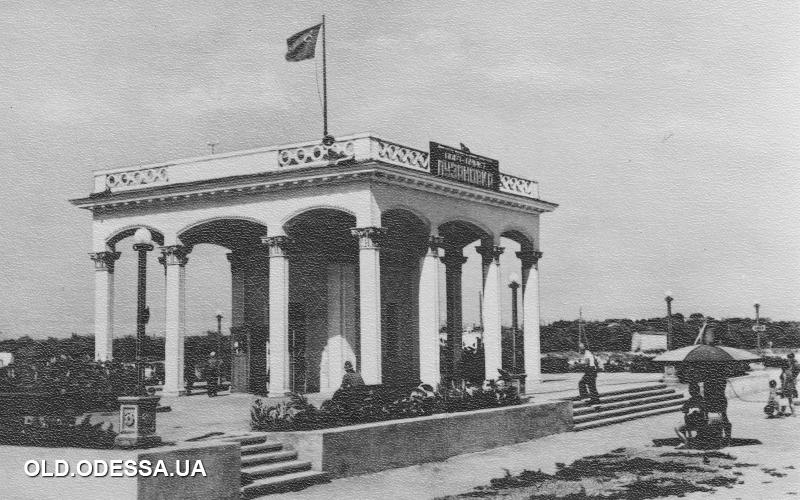
Behind the “Peresyp” there is the Luzanivka hydropark. It is the beginning of the youngest district of the city – Kotovsky village. By the way, until recently, in the documents, the park was called as well as the village.
It received its present name in honor of Thomas Luzanov. He is the first of the Luzanov family. Its representatives live in Ukraine, Germany and Russia.
At the beginning of the 20th century, on the place of the future park was located the Luzanoff farm. Then this territory was a suburb of Odesa. The estate flourished when Mikhail Luzanov took it under control. Imagine, even during the revolution, he had plans to arrange the territory and create a sea and estuary resort. According the plan of Mikhail Luzanov, for the vacationers in the territory there should be a park. Especially for this purpose, at the end of 1918, Luzanov founded a joint stock company. According the plan, a first-class hotel and a wellness center with reading, music and conference rooms was to appear on the territory of the resort complex. Also to the resort area were laid routes of trains and small steamboats from the center of Odesa. For these purposes, the Luzanov family donated 3 million rubles, or 30 million US dollars in terms of modern money. After the arrival of the Bolsheviks, the project, of course, was stopped. In 1924, was organized the “Young Guard” children’s camp near the park. Now it is a children’s rehabilitation center with the same name.
The territory of the pre-revolutionary resort gained a second popularity after the creation of the Kotovsky village in 1965. The main reason was the proximity to the beach and the growing area. Over time, his popularity has only increased. On the beach there were houses for the summer holidays, there tourists can stay and enjoy the sea air and parkland.
In 2011, the park was reconstructed. There is a separate place for lovers of intellectual board games. For those who prefer active recreation was established a sports ground. Three years later, the central alley of the park was reconstructed.
Today the territory of the hydropark “Luzanivka” is a monument of landscape art. Here you can take leisurely walks and enjoy the sea air. Also in the park there are two sports fields where you can play beach sports – including volleyball and even rugby. The platforms are equipped with modular stands, which are easy to disassemble, if it necessary. In the summer, the park is full of tourists who leisurely stroll or rush to take shelter under the trees from the scorching zenith sun.
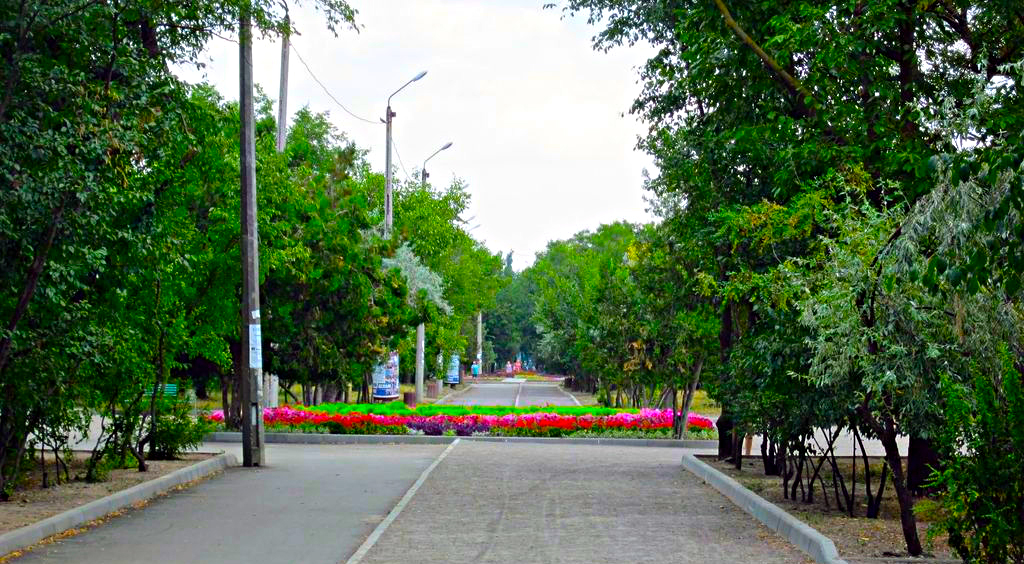
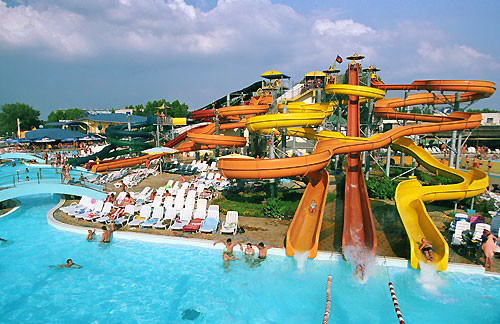
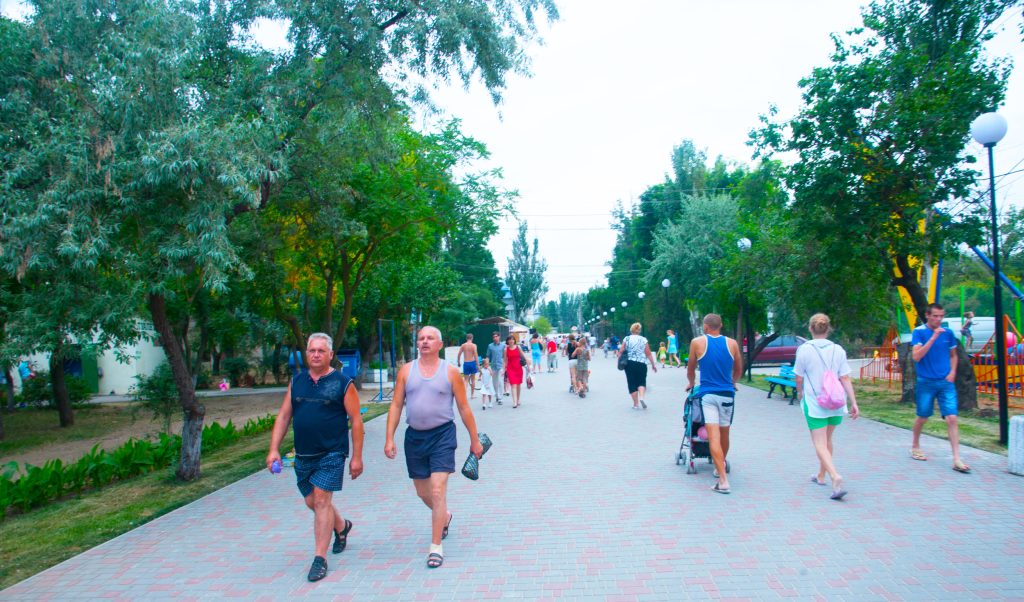
Park of Culture and Rest named after Mark Twain
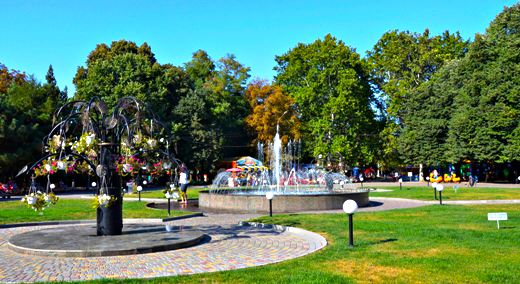
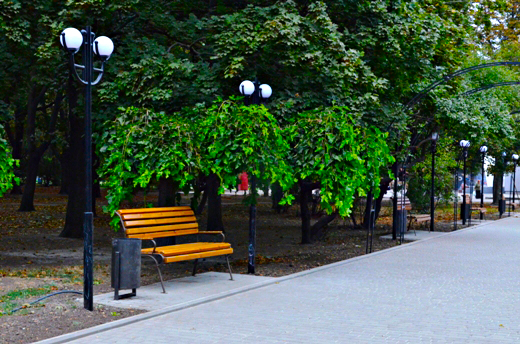
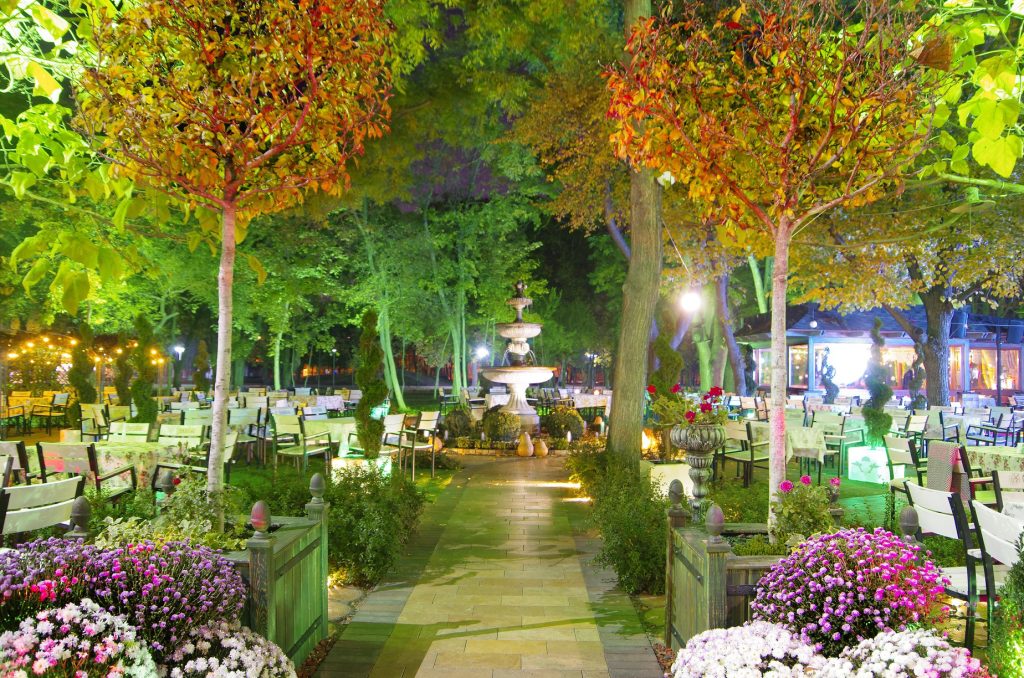
In the “Cheremushki” district there is a small but very cozy park. Until 2024, it was named after the writer Maxim Gorky. Part of his life was directly connected with the city.
This park is one of the youngest in Odesa. He is practically the same age as the “Cheremushki” district. The park was opened in 1973. At that time the area was booming. There were many residential buildings in “Cheremushki”, and the need for a cultural park increased more than ever.
It is hard to believe that at the beginning of the 20th century the place of the future “Cheremushki” was in no way similar to its present appearance. In those days, it was the countryside. On its territory there was a shooting field, where pre-revolutionary soldiers and officers practiced in sniper art. In the mournful years of the occupation, the area received sad glory. During the “glorification” of the Romanians in Odesa, mass executions of the Jewish population took place here. In memory of those terrible years, in the park was erected a monument.
In the late 50s, a new life begins at the former shooting field. Here unfolded massive housing. Fifteen years after the district was settled down, a park was established. However, the first trees were planted 12 years before its foundation.
In the late 50s, a new life begins at the former shooting field. Here unfolded massive housing. Fifteen years after the district was settled down, a park was established. However, the first trees were planted 12 years before its foundation.
In the early 80s a cafe appeared on the plane in the park. In the first days of its existence, Odessans began to say that there was a plane crash in the park. Imagine how unusual it was to sit in such an institution. The cafe existed for more than 10 years. In the 90s there was a fire in it and the plane was dismantled.
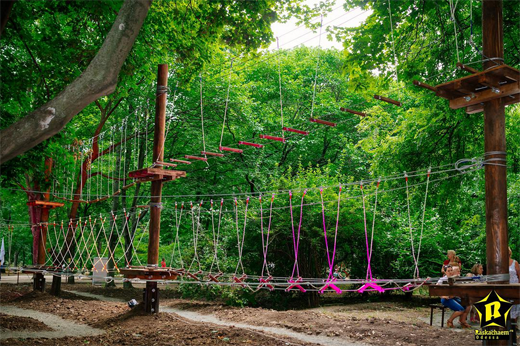
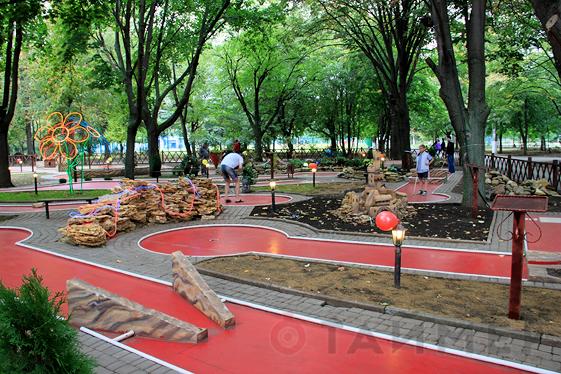
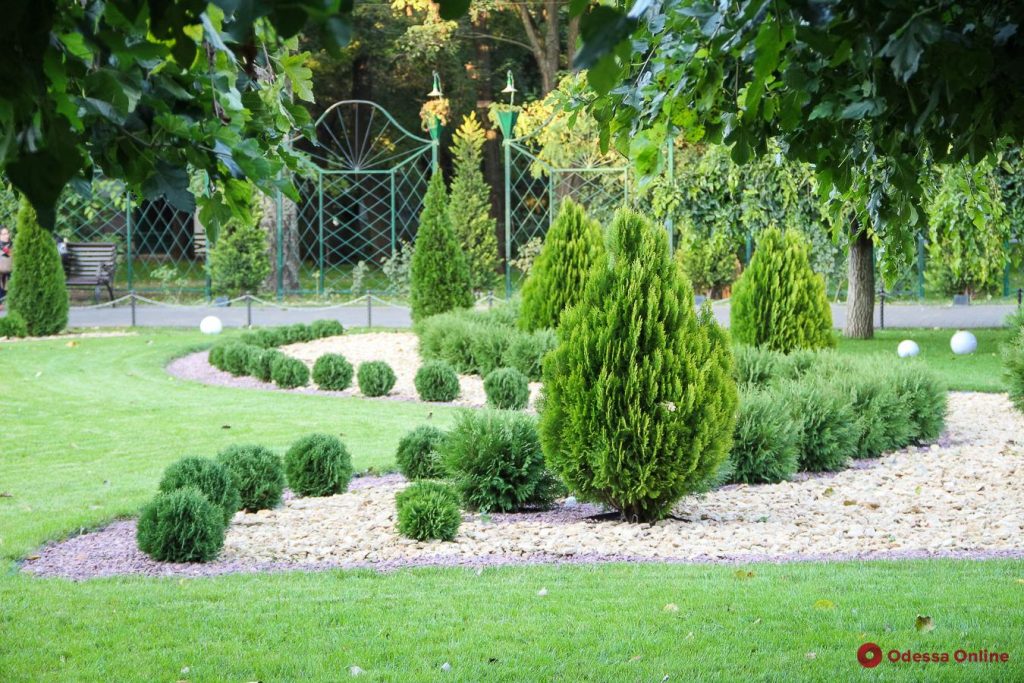
In the late 2000s, the park was even more transformed. It was restored. Today the park fully justifies the translation from Latin – an enclosure. Its territory is framed by an iron fence. This park – the only fenced in the city.
Today, the park is cozy in any season. It`s popular not only among residents of “Cheremushki”, but also in the “Tairov” massif. Imagine, to get into the park, people need to drive only 15-20 minutes!
It is especially interesting for children in the park, as it has many different attractions and sports grounds. One of the most popular places in the park is the area near the cinema, where the largest number of attractions is located. Probably the main one among them is the children’s electric cars. The park has many cafés. A monument to Maxim Gorky was also located on its territory. In 2025, it was removed.
Just imagine in a small area of the park you can count more than 6,000 trees! Walking through its territory you can see blue fir, red rowanberry, spruce oak and many others.
In 2024, during the voting on the change of toponymic names within the framework of decommunization and the removal of symbols of the imperial past, the residents of Odesa supported the renaming of Gorky Park to Mark Twain Park…
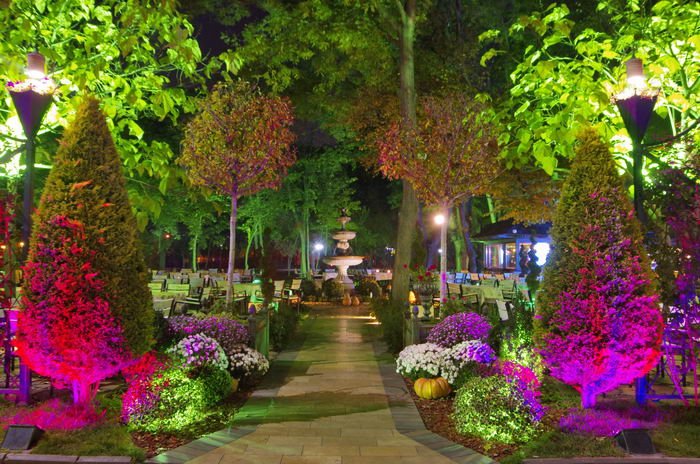
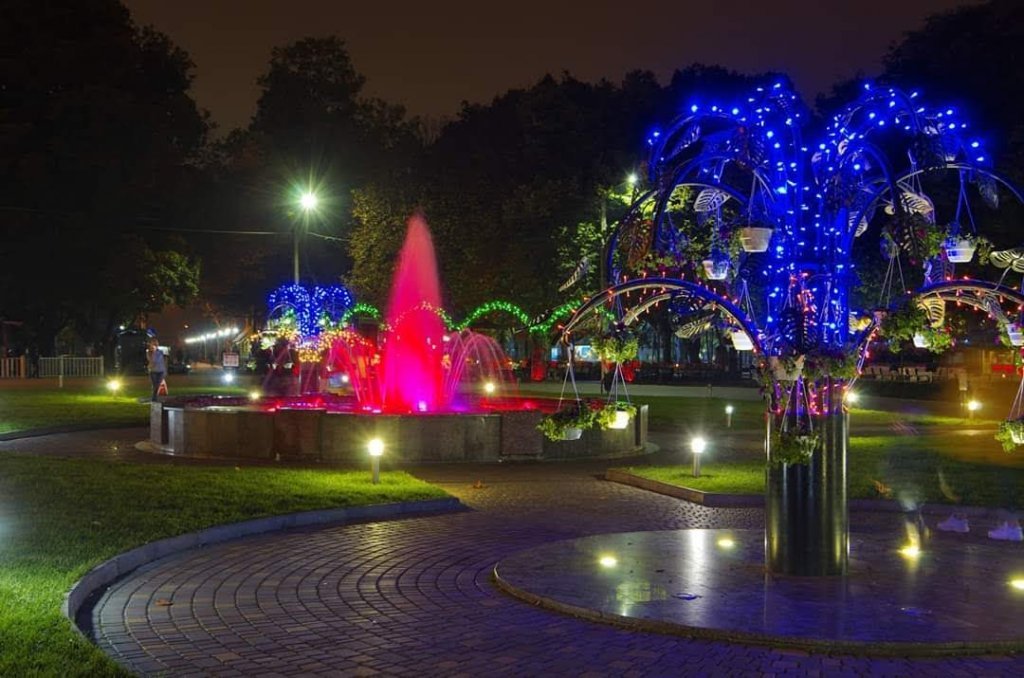
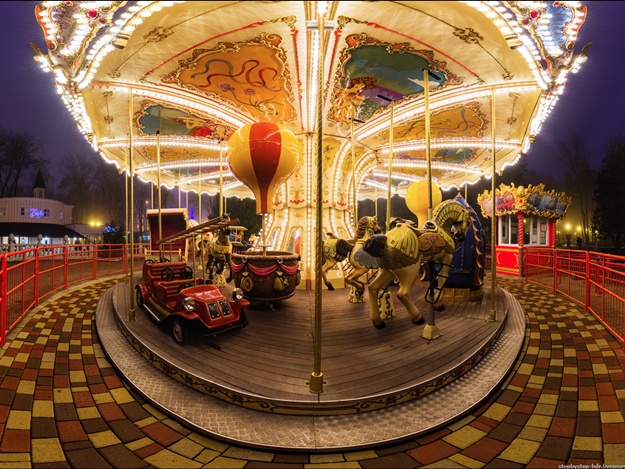
The Park on the Starisinna Square
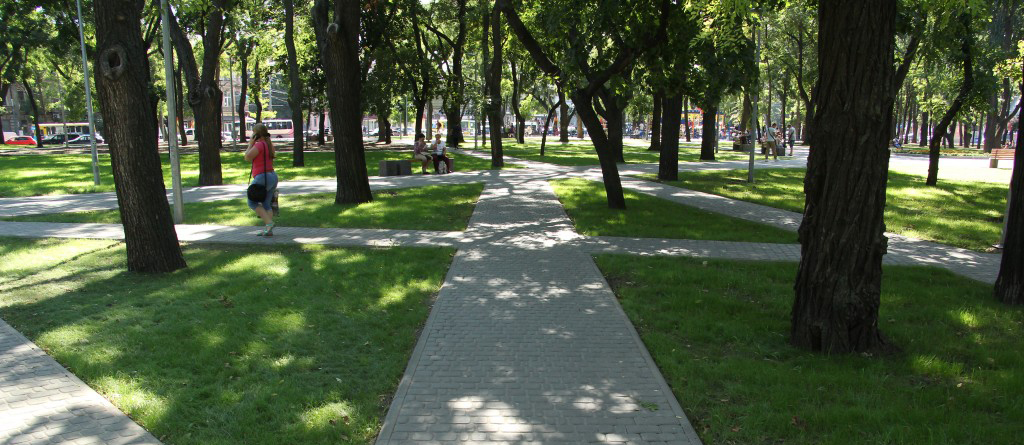
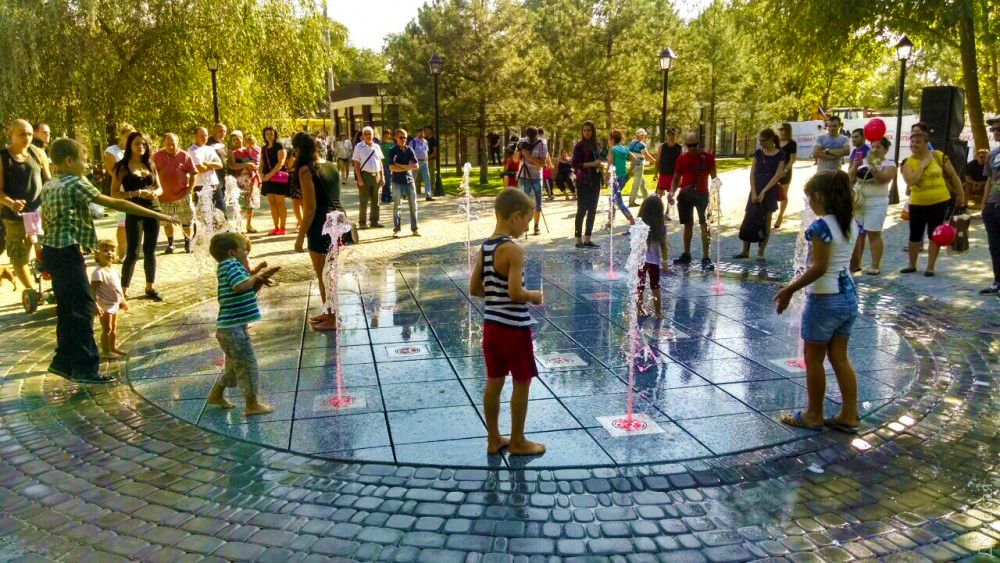
Near the train station there is a bus station. It is located on Starosinna Square, and next to it there is a cozy square, where in the shade of trees you can relax and feel the coolness of the summer wind.
However, the park and the square were not always so attractive and pleased Odessa residents and guests of the city.
At the dawn of Odesa, peasants came here and sold food and livestock. Just imagine how hard it was to trade in the winter in the square, which was open to all winds! By the 80s of the first century of the city’s existence, the square became the unofficial border between the center and the district called “Sakhalinchyk”. Not far from Starossnna, there were houses in which criminals lived, waiting for exhausting hard labor on the far Far Eastern island of Sakhalin. Here lived and one of the most famous fraudsters – Sonia Zolota Ruchka.
In the 90s of the XIX century, two lions appeared on the square, which have survived to the present day. They were sculptured by a talented sculptor Joseph Mormon. Imagine when he was only 16 years old, he had already entered the Odesa Drawing School. According to legend, the young man wanted a real lion during the creation of the sculpture on the square. So it happened. They brought a lion in a cage, and the inhabitants of Odesa come to take a look at it.
72 years – from 1923 to 1995. the area and the square were named after the date of January 9th. On that day, back in 1905, a demonstration of workers in St. Petersburg was dispersed and the first revolution of 1905-1907 began.
In the early 2000s, the square and the park were in decline: an uneven pavement, and in the evenings there was no lighting. It was better not to walk on the square in the dark. The area, especially the square, attracted, like a magnet, various suspicious personalities…
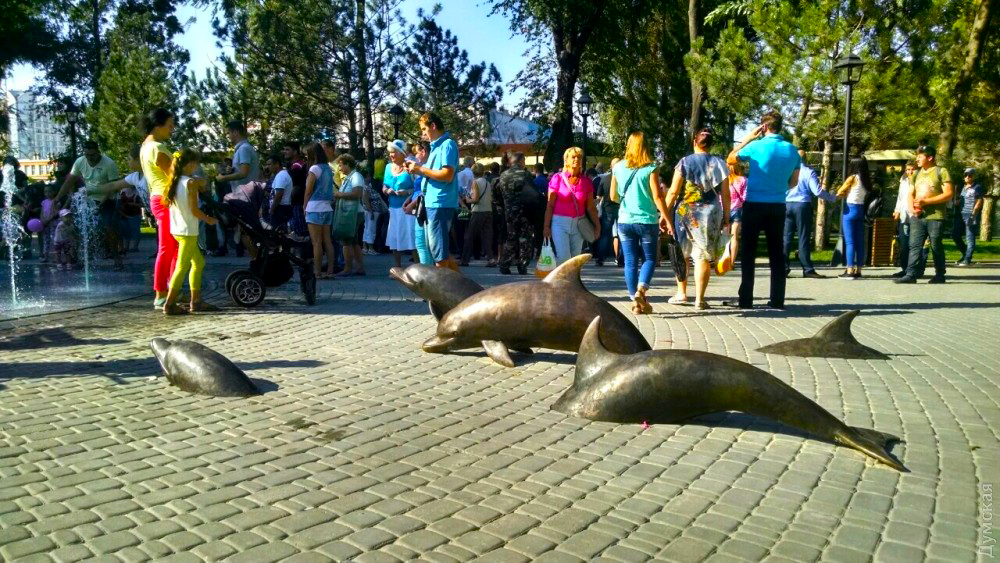
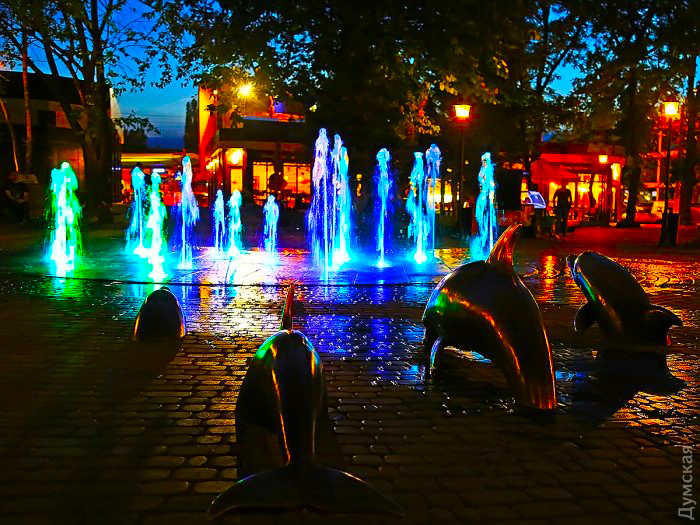
In 2017, the restoration of the park and the square was completed. The territory has been completely renovated and transformed! Illumination and benches appeared in the public garden, famous lions were restored. A fountain with dolphins appeared on the square, and all of it was covered with paving slabs. Instead of kiosks, modern trade pavilions appeared.
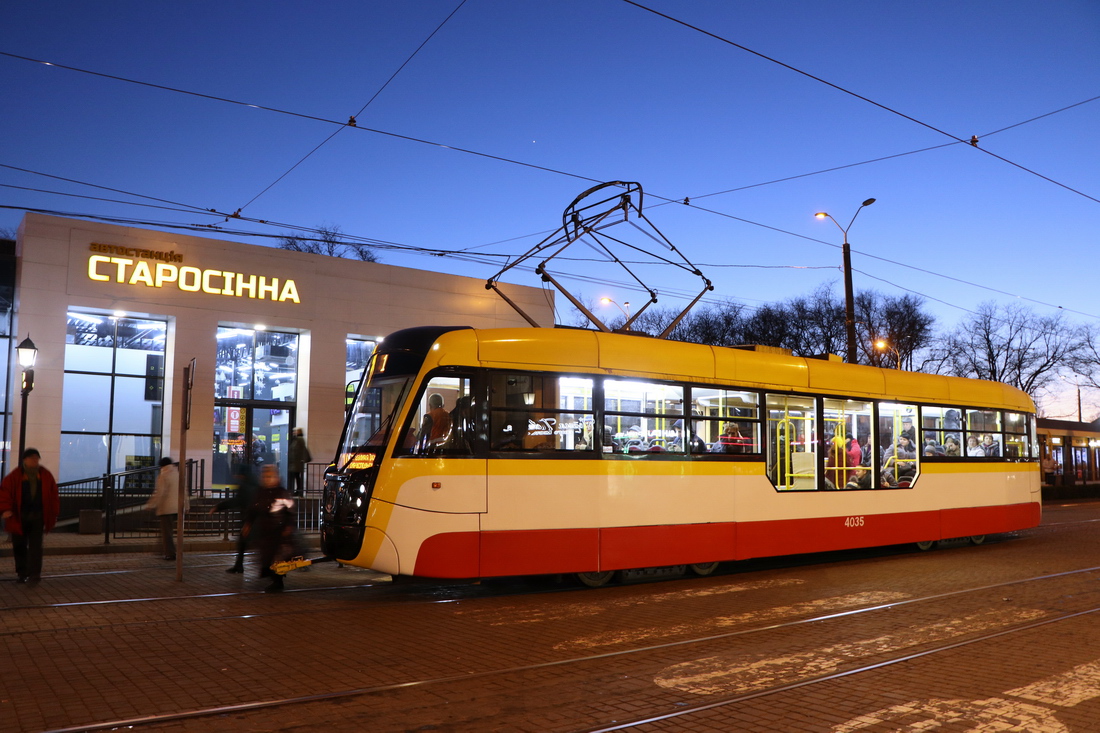
In addition, Starosinna Square has the importance of a large transport hub of the city. As in the old days, here is the terminus of trams numbered 13, 26, 27 and 31. Also, from here you can reach the city center by trams number 3 or 10. Public transport from Starosinna Square started from the end of the 19th century, only then were there steam trains that carried people to summer houses by the sea.
In the process of restoration of the square, a bus station building was erected, from which it is possible to get not only to remote corners of the Odessa region, but throughout Ukraine and in the countries of the Near Abroad.
The Savytsky Park
Behind the legendary Moldavanka is the area called “Distant Mills”. Within its borders there is the Savytsky Park. Until recently, it was called “Lenin`s Komsomol Park”. Today the park is surrounded by highways leading to the center, but 150 years ago everything was completely different.
In those days, the territory of the future park was a wasteland. Then it was the possession of Grygorii Savytsky. He was the organizer of honey making, distillation and brewing in our city. He was a technical engineer by profession. The products of the factories received honorary awards at various exhibitions in the empire.
In the late 60s of the XIX century, Grygorii Savytsky decided to plant an ornamental garden in his farm and called him Savytsky. On its territory there were many species of fruit trees and also gazebos for strolling. In those days, there was a pond on the territory of the future park. It can be seen on the maps of 1864, which reflect the plan of the Savytsky farm.
In pre-revolutionary Odesa, the Distant Mills area, if it was not the outskirts, then approached it. So on its territory there was a fertile environment for crimes. This is not passed and ownership Savitsky and regularly in the park there were some incident of a criminal nature.
In 1950, was taken a decision to revive the territory and the foundation of the “Lenin`s Komsomol park”. Like more than a hundred years ago, and in times not so distant, a pond was located in the park. Near it were equipped diving towers. Odessans remember how in the pond it was even possible to go boating. As in many parks, there was a summer cinema, and on weekends there were dances. Since 1984, the Savytsky Park is a monument of landscape art.
By the beginning of the XXI century, the park fell into disrepair. In the mid-2000s, sculptures of the Soviet era were erected on its territory and the monument to V. Lenin from Kulykovo field. During the policy of decommunization, carried out since 2014, all the sculptures were removed, and the monument was dismantled. Also there were pond drainage projects. In one part, the idea was practically succeeded in bringing to life, however, on the site of the pond, a small swamp appears sometimes.
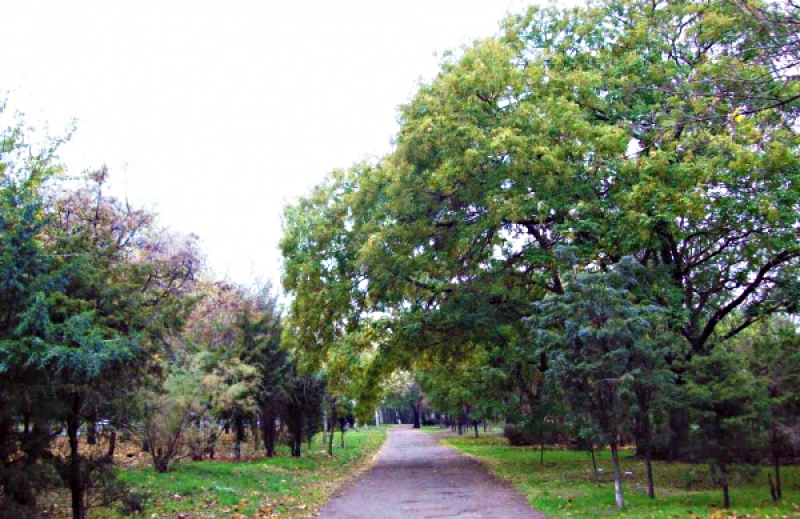
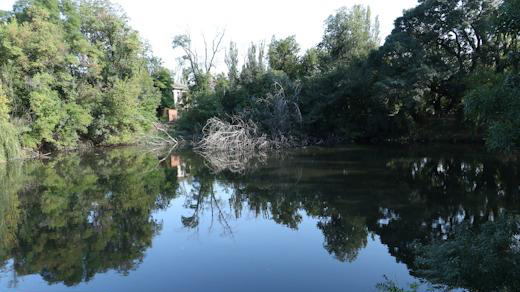
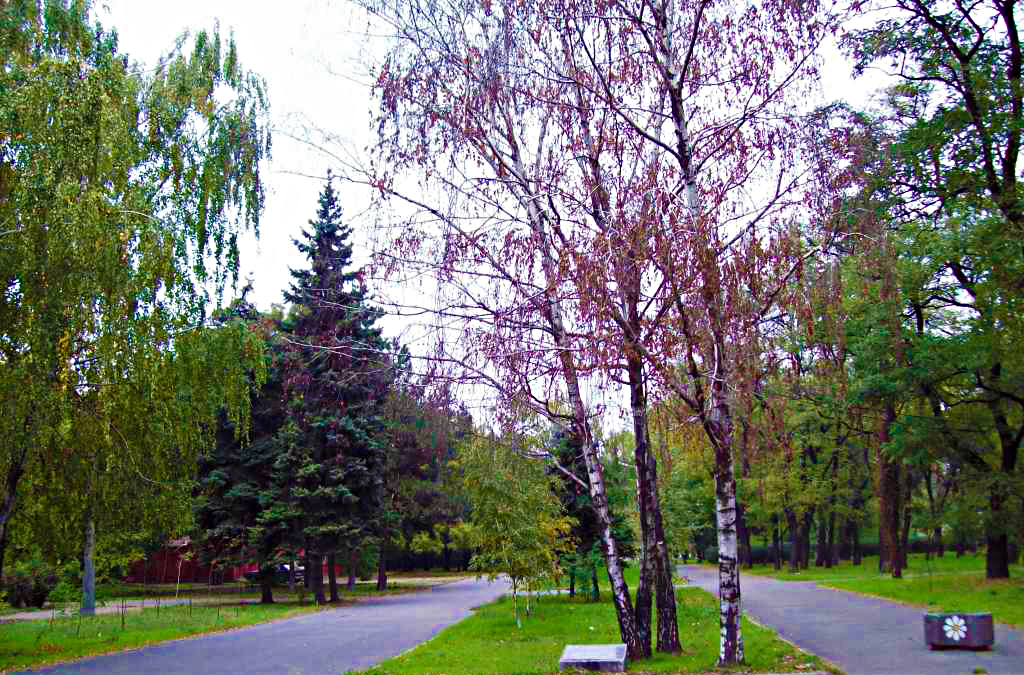
The Health Track
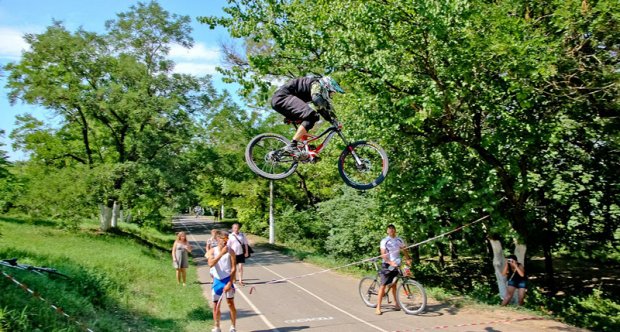
Walking through the Shevchenko Park towards the sea, you can get to the Langeron beach. From it begins the health track. It was designed in the late 1970s of the last century. Initially, the road served as an emergency highway: in case of unforeseen situations, it was supposed to quickly get into Arcadia, passing through the city thoroughfares. The opening of the track was impossible without smoothing slopes, which was held in the late 50s – early 60s of the 20th century. For these purposes was organized mass planting of trees. And now the Health Track stretches between rows of mighty trees.
The name of the highway was not received by chance. In 2007, it was completely prohibited for vehicles moves. Now only bicycles and electric cars move along the highway. Its length is more than five and a half kilometers. You can walk along it slowly, or you can go for a run and, of course, drive, but along an equipped bicycle path. On entire length of the route there are benches, where you can relax and be distracted from the bustle of the city. Along the route there are several sports grounds where you can improve your health at any time. In combination with sea air, saturated iodine, and the green zone – the effect of the exercises is amplified many times.
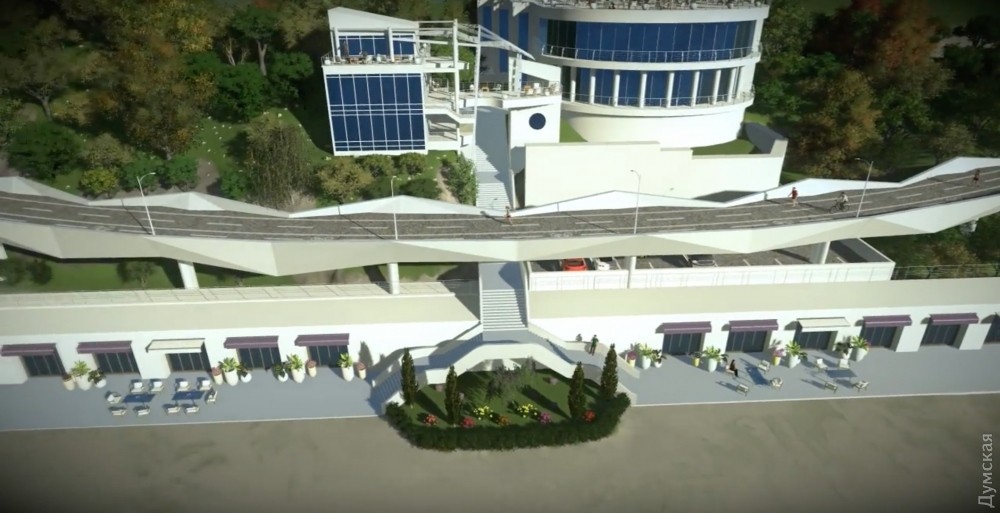
Not long ago, plans were announced to extend the route from Arcadia to the 16th Station of the Big Fountain. To implement them, a pedestrian overpass was built near the 10th Station of the Big Fountain.
Odesa Health Track is a favorite vacation spot for residents and guests of the city, especially in summer.
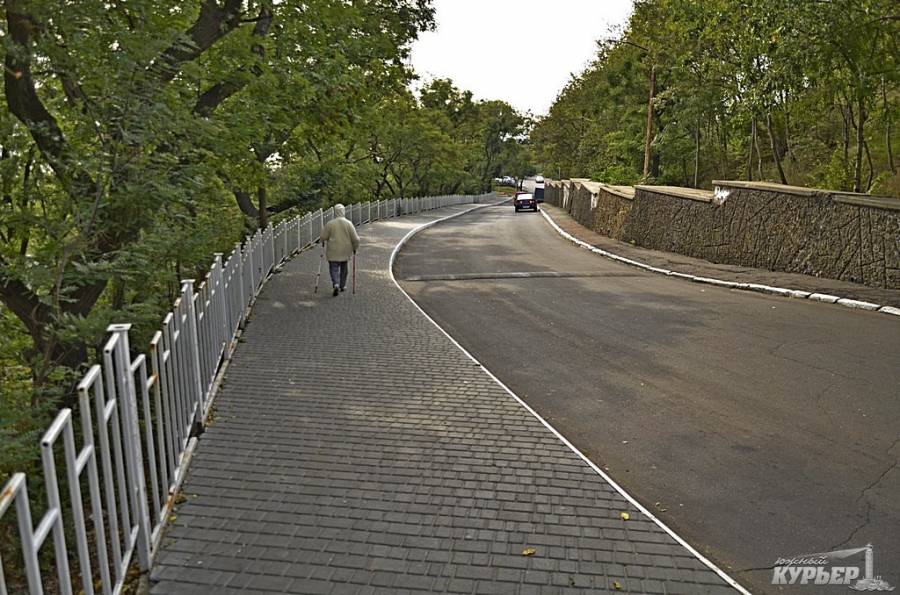
The Park named after Lesia Ukrainka
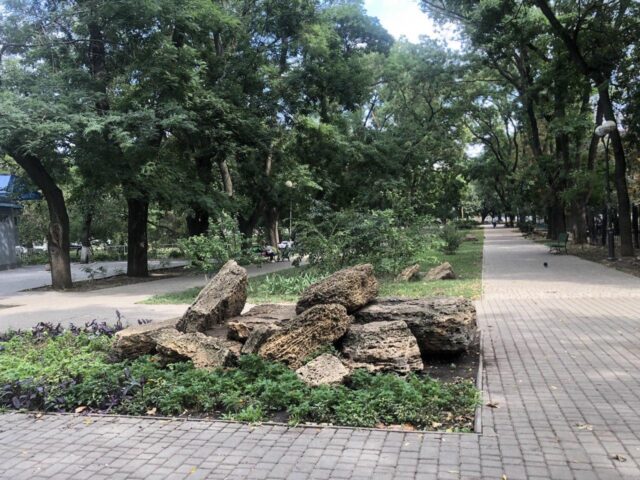
The square was founded in 1950. At that time, it was also given the name Cosmonauts – typical for many streets and green areas of that era. It should be noted that the green zone was previously called a square, but now at the entrance there is a sign using the word “park”. And in 2025, by decision of the Odesa City Council, the park was renamed in honor of Lesіa Ukrainka.
On the territory of the park stands the Holy Trinity Church, where everyone who wishes may come to pray. On this site, before the Revolution of 1917, was located the Central Military Church of Odesa. Later it was demolished, and the summer cinema “Sputnik” was built in its place. After the collapse of the Soviet Union, the building was reconstructed, and since 1997 services have been held there. In front of the church stands a cross with the crucified Jesus Christ.
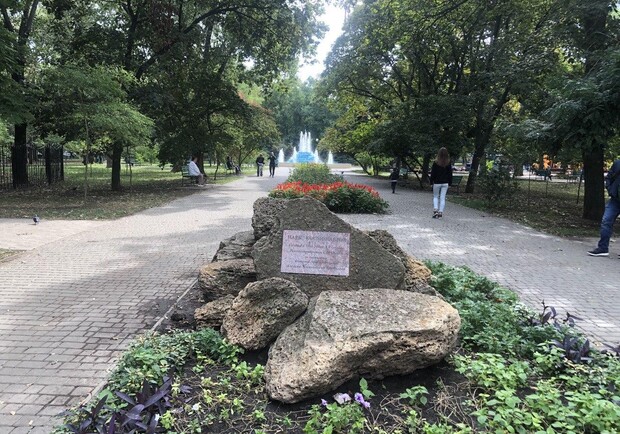
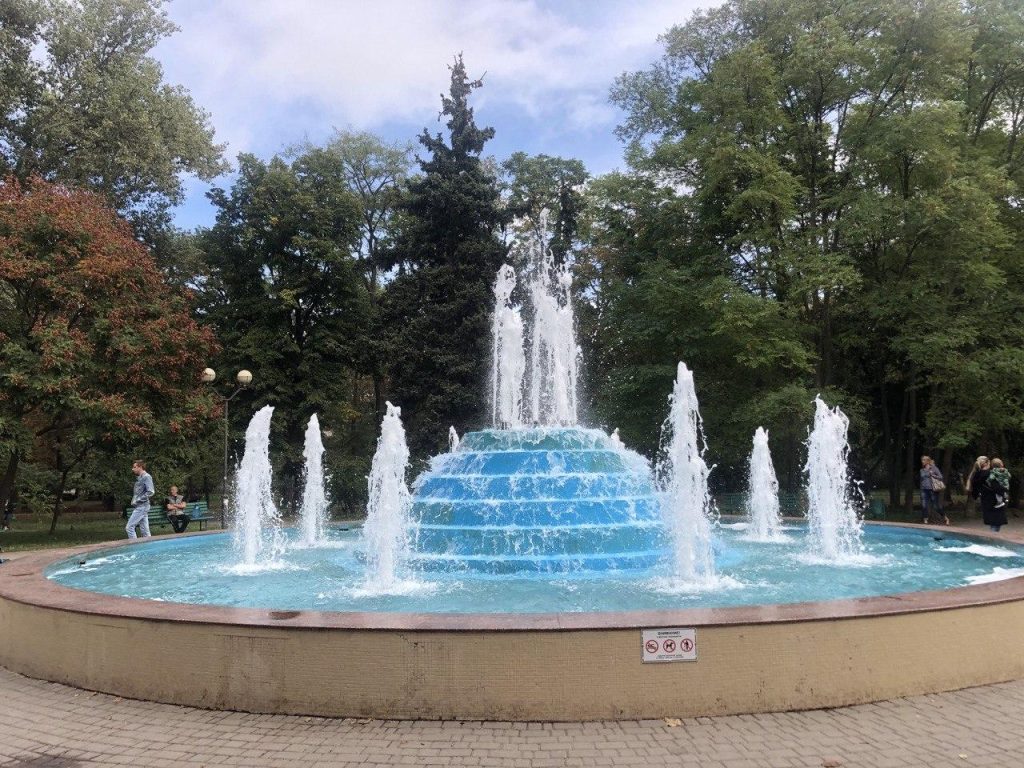
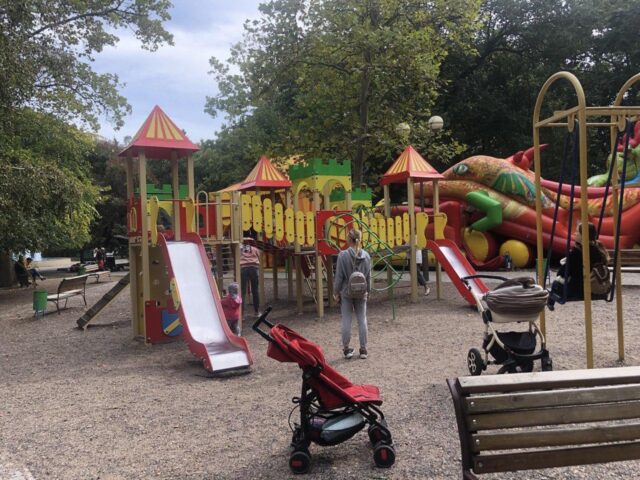
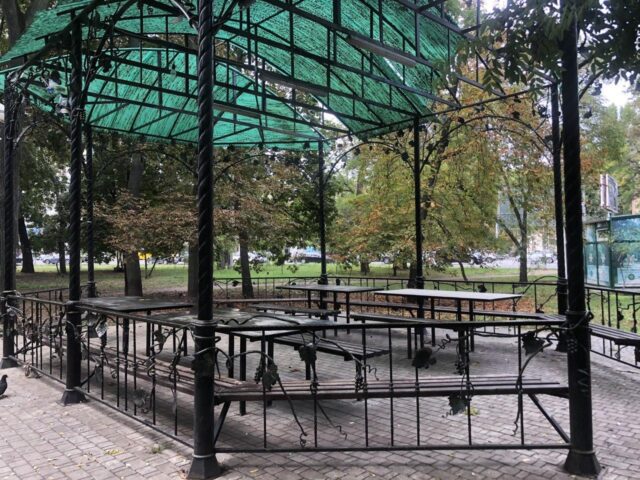
Over time, and due to neglect, the territory began to fall into decline. It was nevertheless improved in 2012. In honor of this long-awaited event, a memorial stone was installed with the name of the then mayor of the city. During the reconstruction, much was done: a water supply system was laid, a fountain began to operate, paths and benches appeared, and flowers were planted. For fans of board games, a pavilion was installed. However, the children’s playground was not reached in 2012. It was only arranged in 2019.
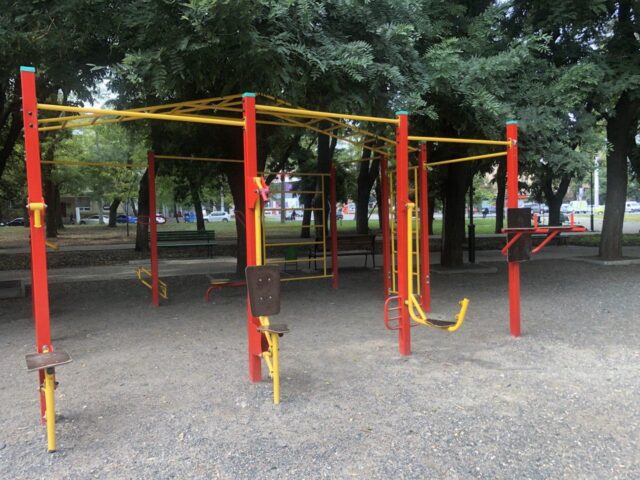
Now children have a place to play, and adults can work out on outdoor exercise machines. Traditionally, near the children’s attractions, kiosks offer coffee or tea. People often come to the park for water, since there is a drinking fountain. There is also a large covered stadium “Flag” in the park, where young football players train.
The stones can be considered a separate attraction of the park. There are very many of them.
The Botanical Garden of Odesa National University
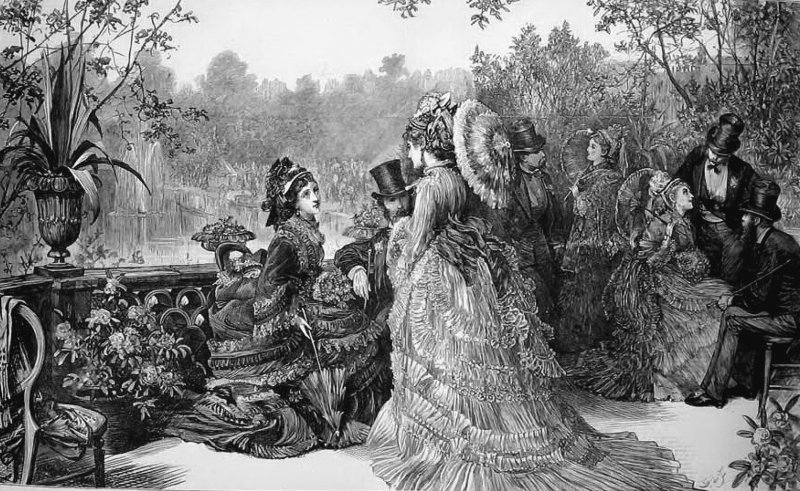
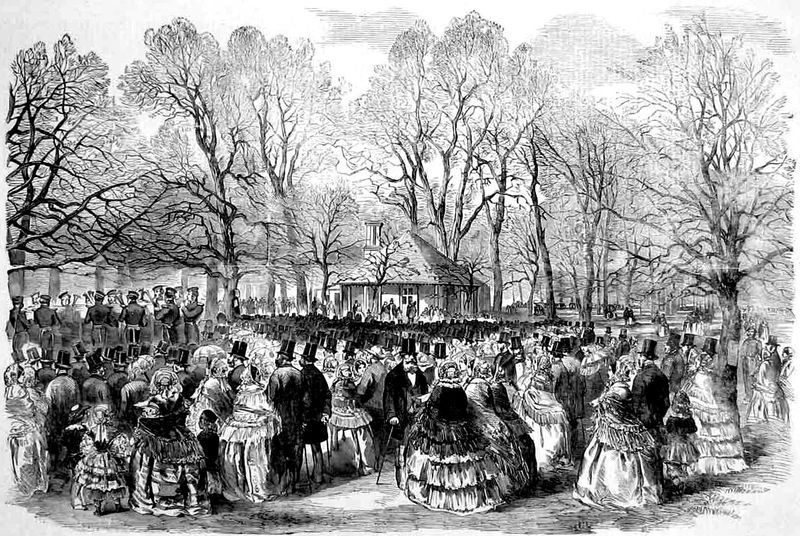
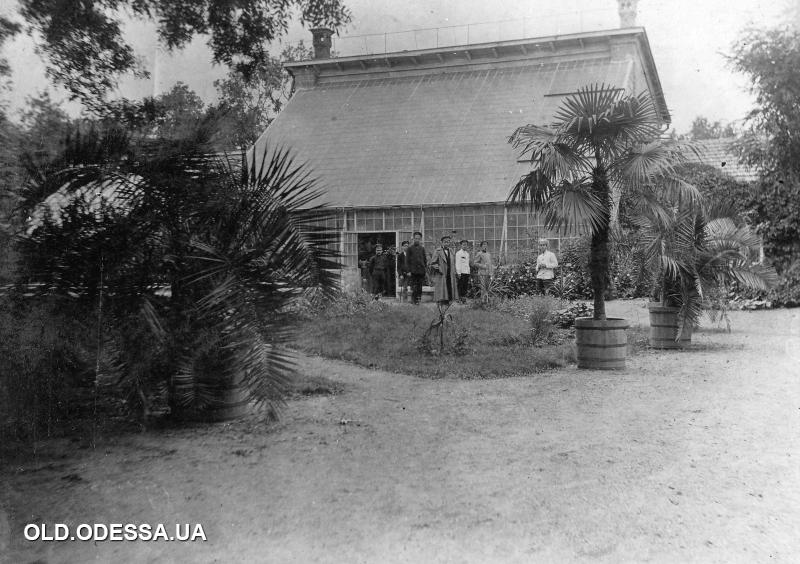
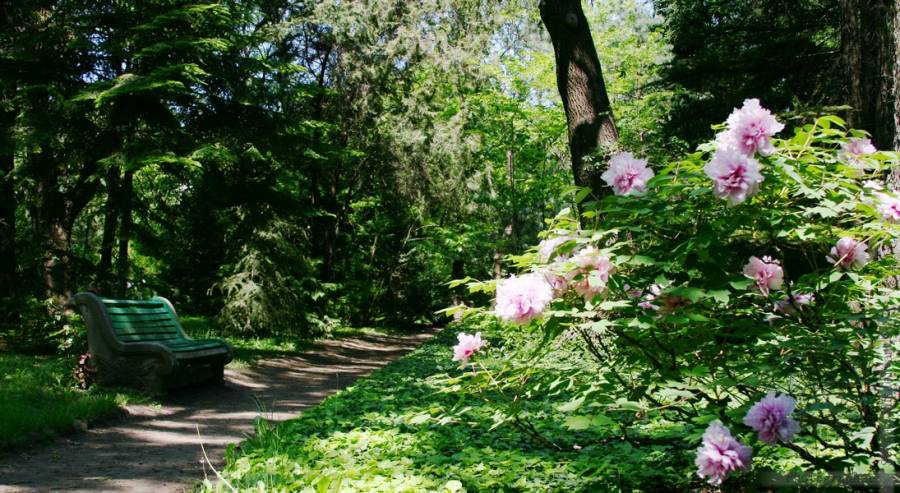
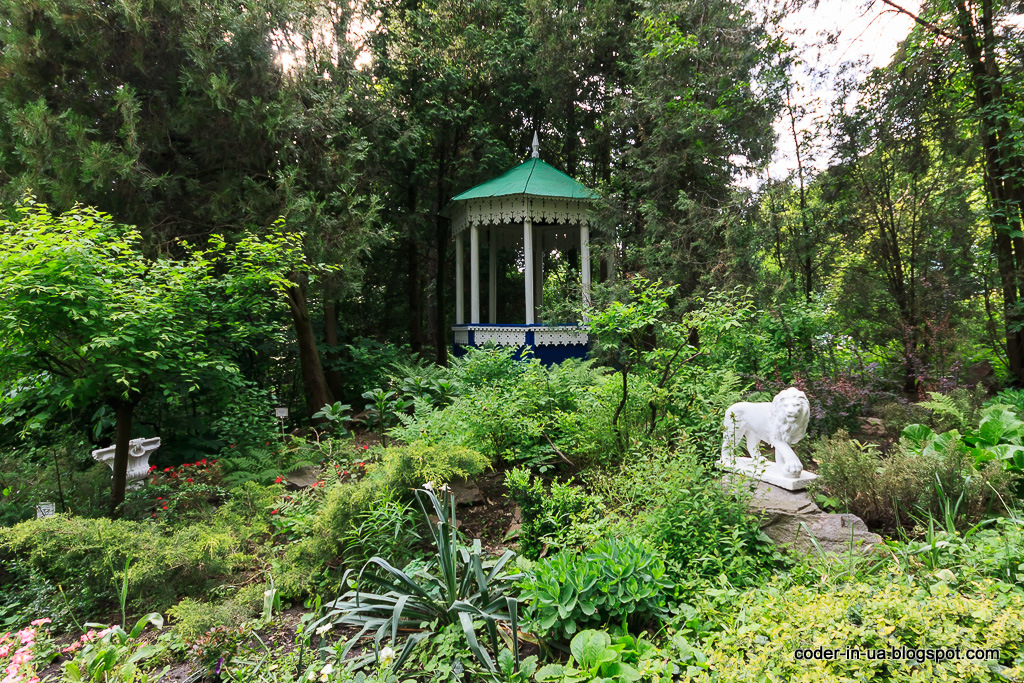
Going along the “Health Track” in the direction of Arcadia and go up in the area of the sanatorium named by V.P. Chkalov, you will get to another monument of landscape art – Odessa Botanical Garden. This is not only beautiful and unusual trees, but also a research center for plant acclimatization, which is rarely found in our area.
The first botanical garden was opened under Count A.F. Langeron in 1819. In those days it was located in the area of the Lermontov sanatorium. After the university was founded in 1865, it was decided to create an institution at its base that would put the cultivation of trees and other plants in our region on a scientific basis. The garden was created two years after the opening of the university. Today it is the courtyard of ONU I.I. Mechnikova, located between Pastera str. and Elisavetinskaya str. The garden, like the university, developed rapidly and gradually there was little space for tree cultivation. 13 years after opening, the Botanical Garden was removed to Malofontanskie farms, modern address: French Boulevard 87.
In the mid-90s of the XIX century, the garden wanted to close. Was created a special commission, which sharply condemned this idea. Then the institution was the only research center of botany in the northern Black Sea region. The garden fell into decay in the early 1920s. This was due to the closure of the university as a relic of the bourgeois past. However, in 1923, the garden earned again. Imagine, a year later, the botanical garden restored connections with other gardens of the world! During the war and the occupation of the city, the garden again fell into disrepair. Most of the plants were destroyed.
In 1948, begins the new life of the botanical garden. Then it gets his third address: French Boulevard 48-50. 15 years after his rebirth, he was granted the status of a monument of landscape architecture.
Today, at its base, students of biology are trained not only in Odessa, but also Nikolaev, Kherson. The botanical garden is visited by more than 10,000 tourists annually. The garden named after academician V.I. Liebsky. Imagine how many impressions you can get by visiting the garden in the spring and summer, when everything is blooming and fragrant, plants are pleasing to the eye with bright colors.
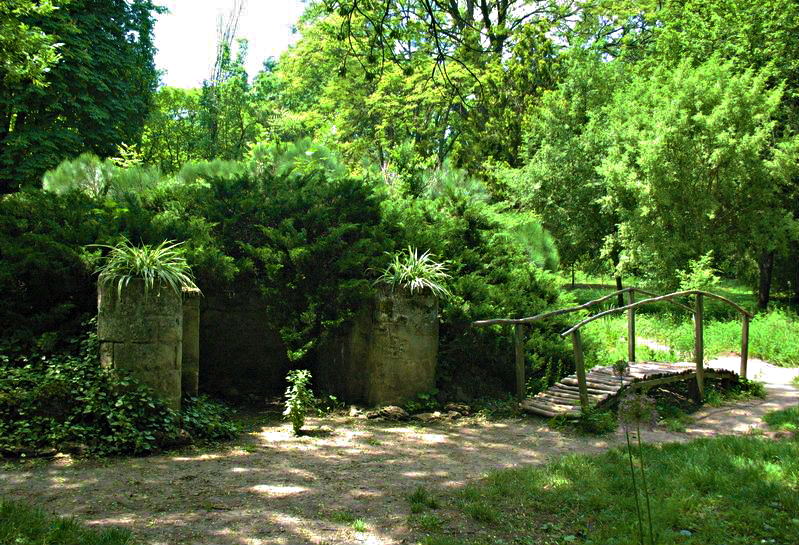
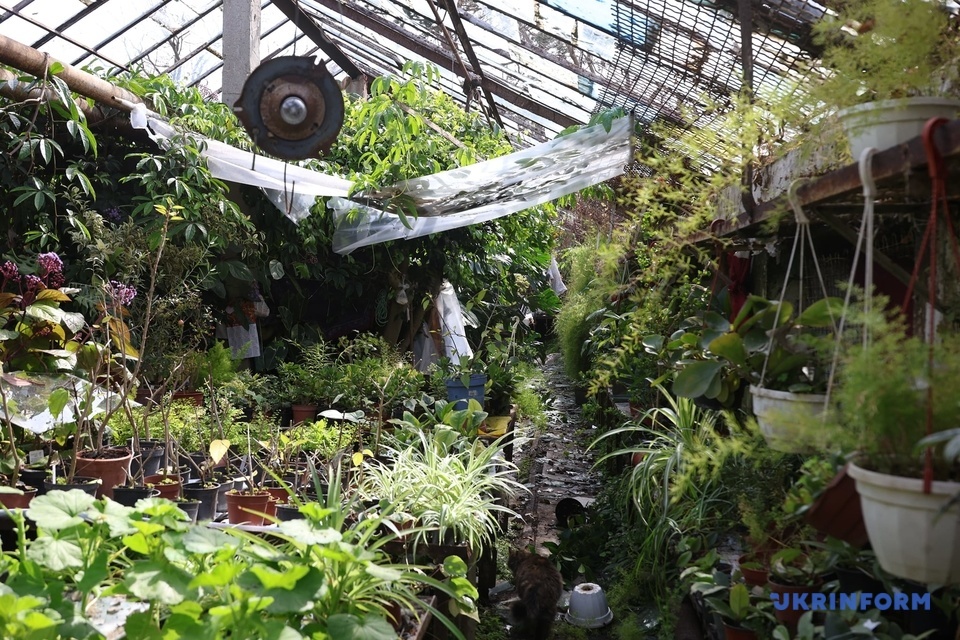
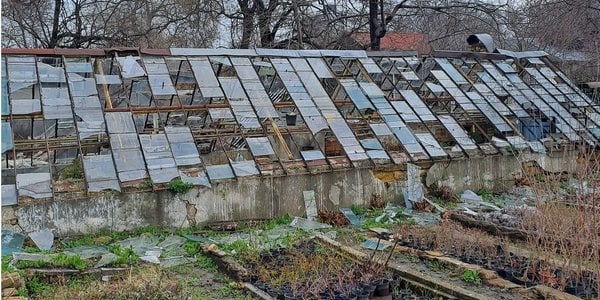
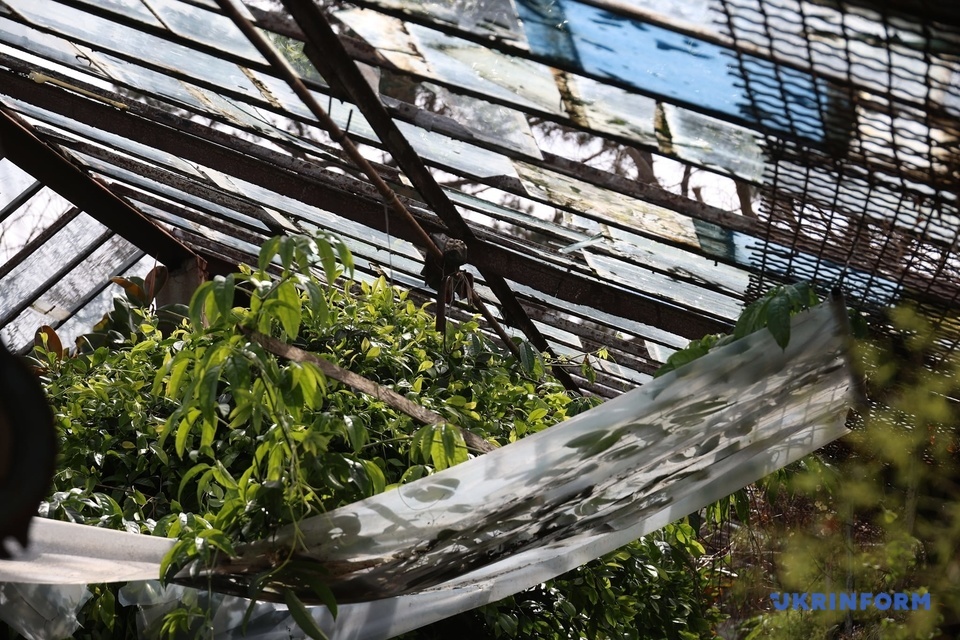
In 2024 partially destroyed by the Russian aggressor.
Recommended reading (click the link):
Squares of the Historic Center
Monuments. Compositions
Odesa’s Landmark Bridges
Famous Stairs and Descents
*Why Is the Name of the City Spelled “Odesa” with Only One “S”?
We write the name of the city as “Odesa” with only one “s” in order to respect the Ukrainian spelling and the original Ukrainian name. Traditional international spellings with a double “s” may still be encountered, but the correct Ukrainian form is spelled with only one “s”.