From Yosyp Tymchenko to the Modern Film Studio
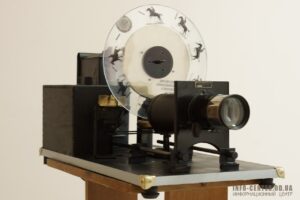
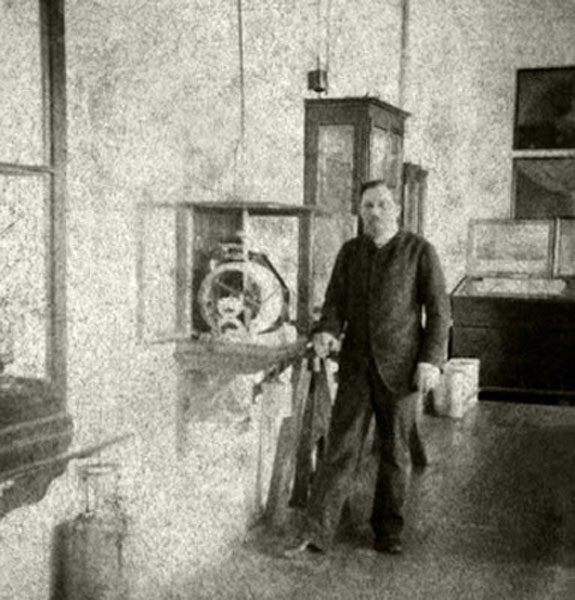
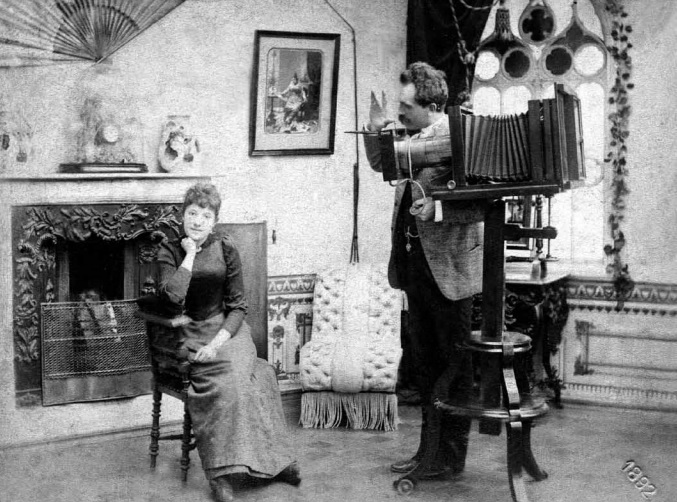
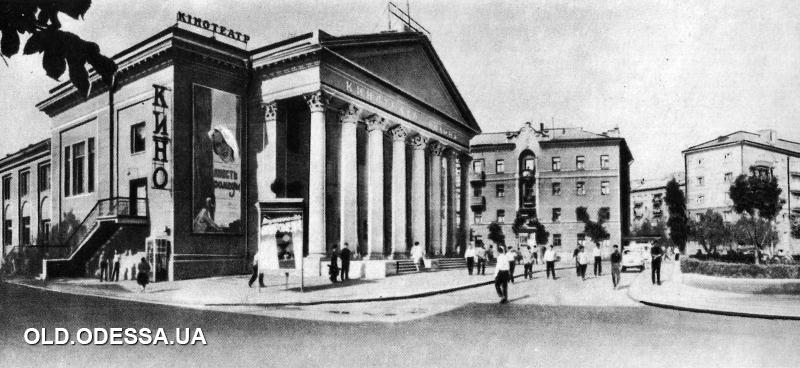
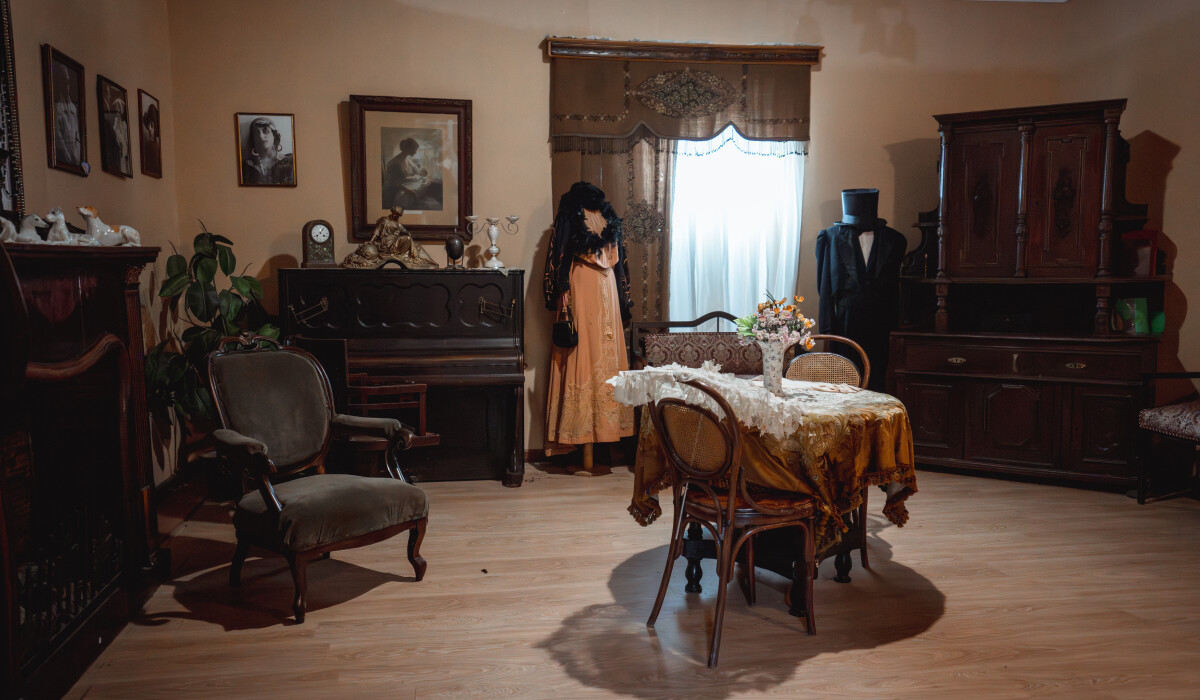
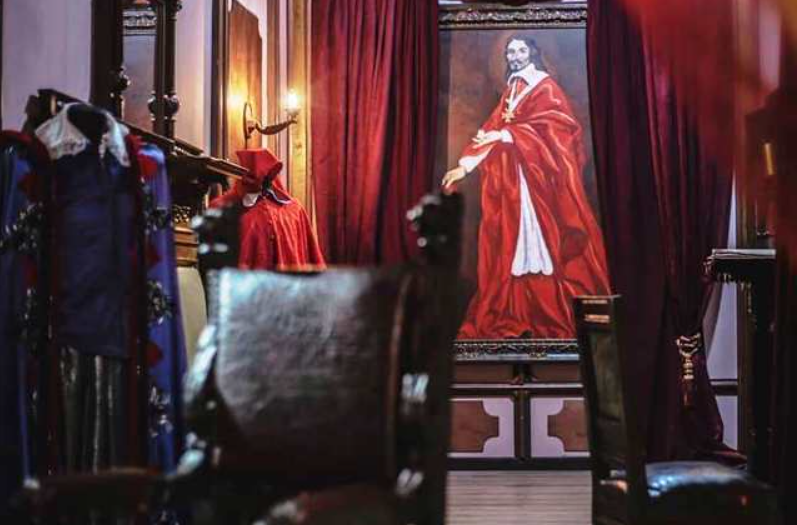
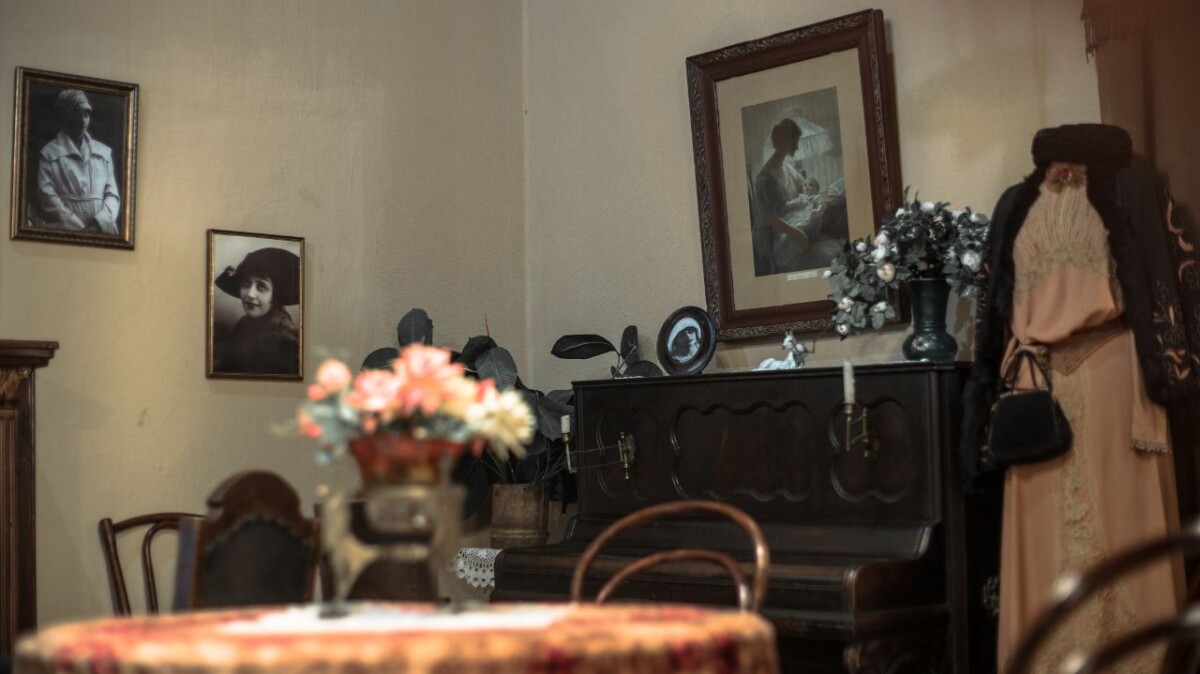
Traditionally, the history of cinema is considered to have begun on 28 December 1895 in Paris, when the Lumière brothers held the first public film screening. However, Odesa has every reason to be proud of its own chapter in the history of world cinema. As early as 7 November 1893, almost two years before the famous screening in Paris, “moving pictures” were demonstrated here—the films The Galloping Horseman and The Spear Thrower. The device that later became the foundation of the motion picture projector was created by Yosyp Tymchenko, a mechanic at Novorossiysk University (now Odesa National University).
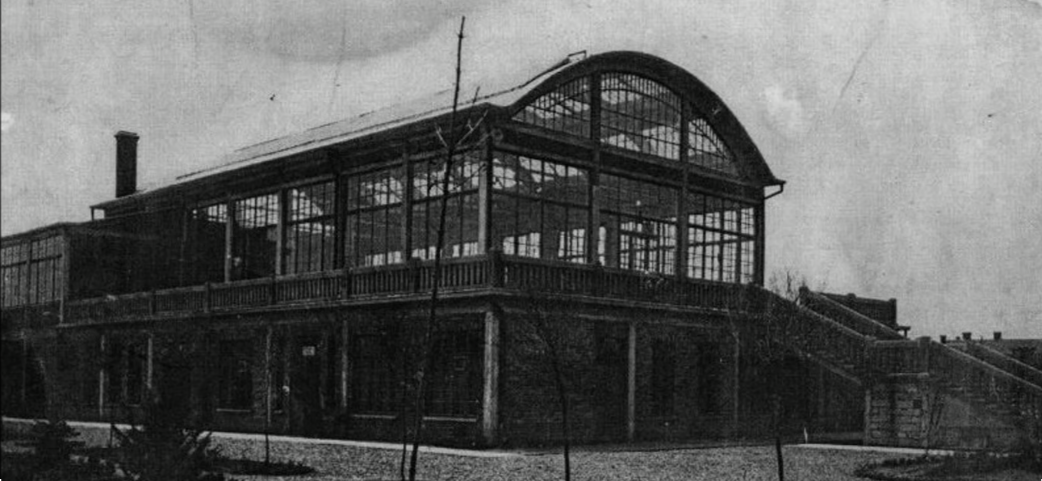
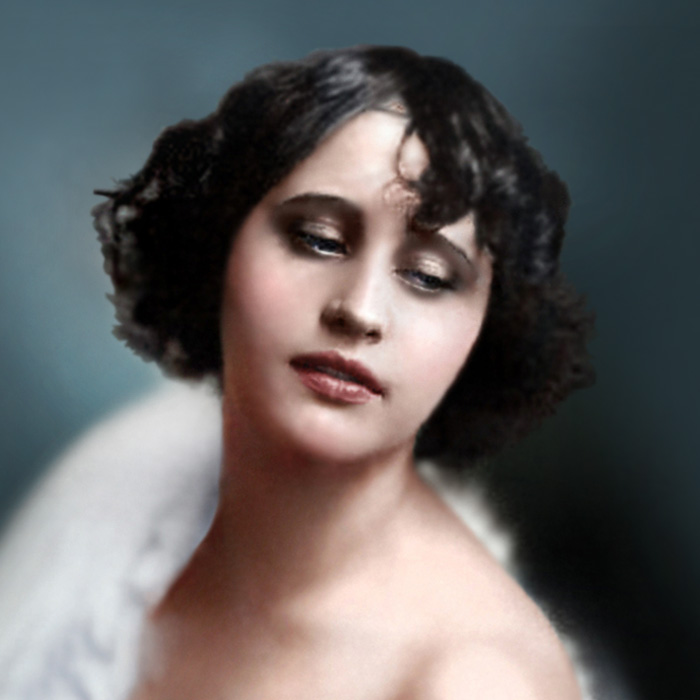
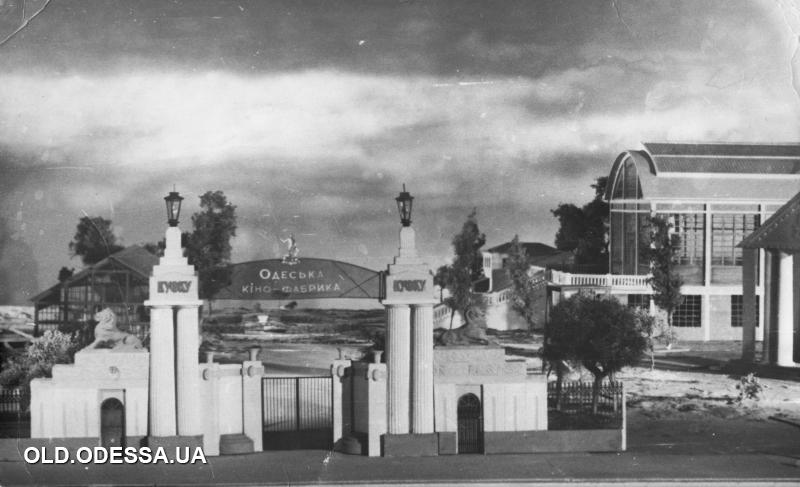
At the beginning of the twentieth century, Odesa became one of the centres of film production. In 1907, the first films began to be produced at the Mirograph film studio, owned by Odesa native Myron Grossman. The studio later developed into a fully fledged film factory. In 1916, entrepreneur Dmytro Kharytonov built a large glass filming pavilion at 33 French Boulevard, which became an important centre of cinematography. It was here that a number of famous motion pictures were produced, including Pyotr Chardynin’s classic silent film Be Silent, My Sorrow, Be Silent, starring the legendary silent film actress Vira Kholodna.
In 1918, the specialised journal Screen, dedicated to cinematography, began publication in Odesa. The city became one of the first European centres for the development of cinema and film production. By the end of 1918, according to film historians, more than 300 films had been produced in Odesa. These included feature films, documentaries, newsreels, travel and scenic films, and other productions that established the city as one of the leading centres of cinematography of its time.
On 23 May 1919, the Odesa Provincial Executive Committee adopted a resolution nationalising all film and photographic equipment located in the city and transferred it to the Cinema Section of the Political Department of the 41st Division of the Red Army. From that moment onward, cinema began to be actively used as an instrument of political agitation, propaganda, and public health education. One of the first productions of this new period was the film Gonorrhoea, devoted to the prevention of venereal diseases. Although feature filmmaking did not cease and narrative films such as Spiders and Flies continued to appear on cinema screens, the majority of film production during this period had a distinctly propagandistic character.
In 1922, the Cinema Section was reorganised into the Odesa Film Factory of the All-Ukrainian Photo and Cinema Administration, which quickly became one of the leading centres of Ukrainian film production. It was here that the outstanding theatre director Les Kurbas began his creative career in cinema, making his debut with the film The Swedish Match. In his next film, McDonald’s, the screen featured distinguished Ukrainian theatre actors Amvrosii Buchma and Vasyl Vasylko. In Volodymyr Hardin’s film Ostap Bandura, audiences saw the legendary Maria Zankovetska, while the films Two Days and The Night Coachman, starring Amvrosii Buchma, entered the golden treasury of Ukrainian cinema and are regarded as classics today. A monument to the outstanding Ukrainian actor Amvrosii Buchma has been erected on the grounds of the Odesa Film Studio in tribute to one of the greatest figures in Ukrainian cinematography.
In 1926, Oleksandr Dovzhenko arrived in Odesa, where his creative journey in major cinema began. At the Odesa Film Studio, he directed his first five films, launching a career that would later establish him as a world-renowned master of Ukrainian cinema.
Throughout different periods, dozens of outstanding cultural figures were associated with the Odesa Film Studio. The credits of its films include the names of Yurii Yanovskyi, Ivan Kavaleridze, Nataliia Uzhvii, Yurii Shumskyi, Dmytro Kapka, Hnat Yura, Stepan Shkurat, Isaac Babel, Vsevolod Pudovkin, Yurii Olesha, Lev Nikulin, Mykola Erdman, Mykola Bazhan, Heorhii Tasin, Anatolii Marienhof, and many others. For this reason, Odesa is not merely the location where individual legendary films were shot, but also one of the principal centres in the formation and development of Ukrainian cinema.
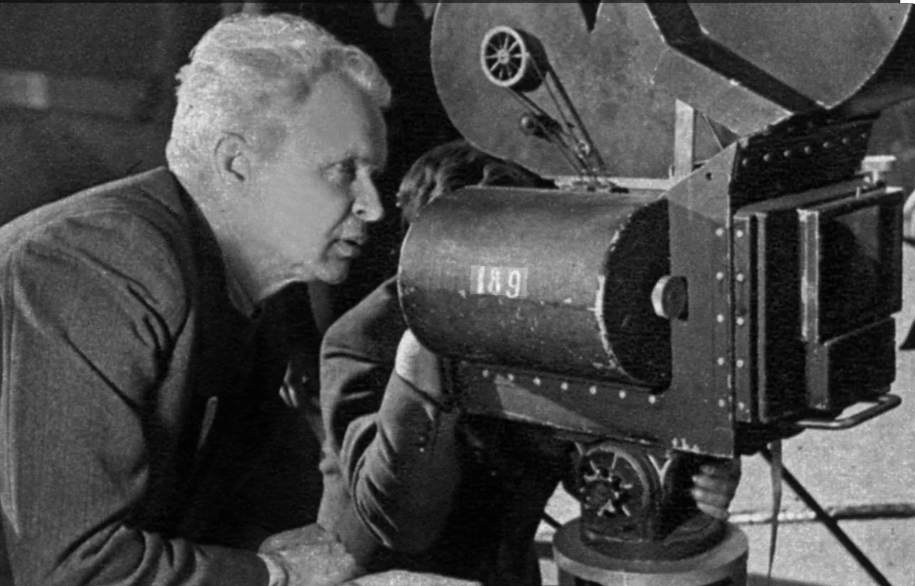
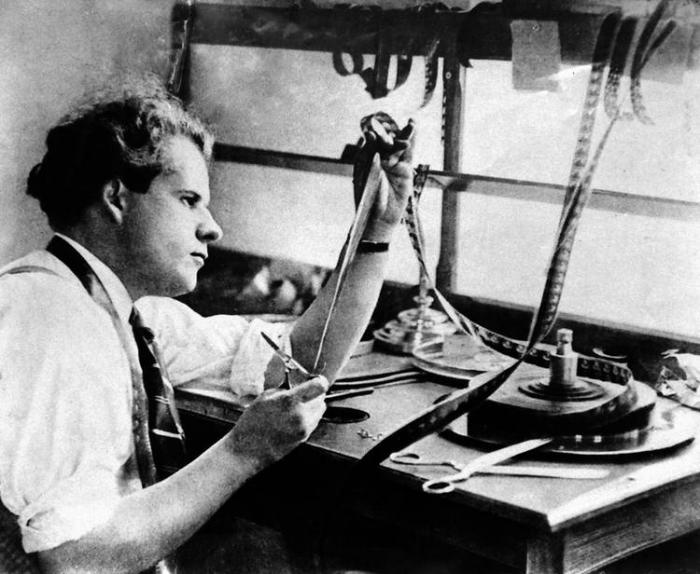
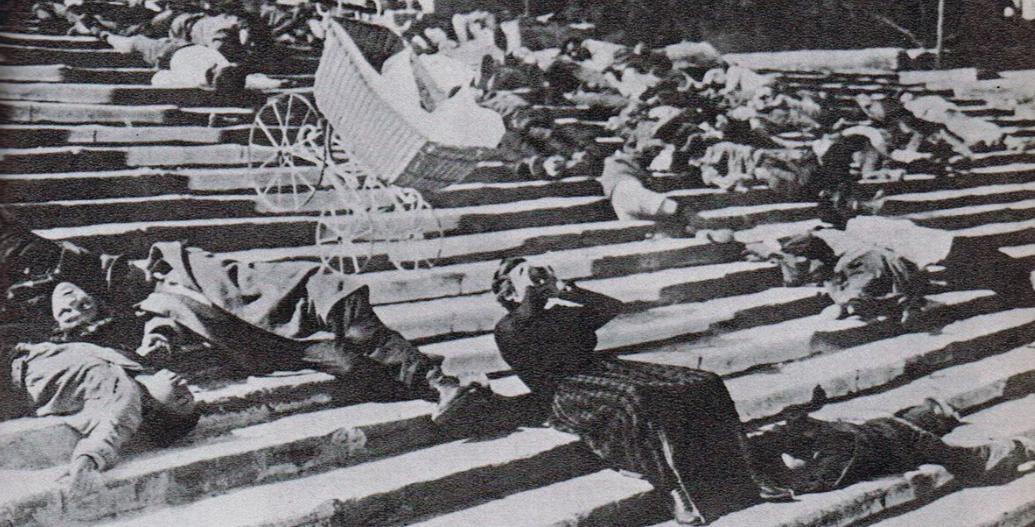
A special place in the history of world cinema belongs to the work of Serhii Eisenstein. He came to Odesa to film Benya Krik, based on a screenplay by Isaac Babel, and during his spare time planned to shoot a short episode about the mutiny aboard the battleship for his future film 1905. However, it was this very episode that evolved into the world-famous motion picture Battleship Potemkin, which became one of the greatest masterpieces in the history of world cinema. Meanwhile, Benya Krik was later directed by Volodymyr Vilner, who cast Yurii Shumskyi in the leading role. Following the worldwide success of Battleship Potemkin, one German film critic, impressed by the famous sequence featuring the staircase and the baby carriage, referred to the renowned Odesa staircase as the Potemkin Stairs. From that moment onward, this architectural landmark acquired the name by which it is known throughout the world today and became one of the principal symbols of Odesa.
The arrival of sound cinema was often accompanied by a humorous remark among filmmakers: they would say that cinema had first been “the great silent art,” but with the arrival of sound it ceased to be “great.” However, this saying hardly applies to the Odesa Film Studio. As early as 1931, the historical film Karmeliuk, directed by Ivan Kavaleridze, although accompanied only by a musical score, became an important milestone in the development of Ukrainian cinema. Then, in 1933, the characters in his film Koliivshchyna spoke with their own voices, marking the studio’s successful transition into the era of sound cinema and establishing Ivan Kavaleridze as one of the most outstanding Ukrainian film directors.
During the decade preceding the Second World War, 65 feature films were produced in Odesa. Among the most famous productions of this period were Nazar Stodolia by Heorhii Tasin, Sailors by Volodymyr Braun, and The Tanker Derbent by Oleksandr Faintsimmer. These motion pictures continue to be of considerable interest to film historians and admirers of Ukrainian cinematic heritage.
The outbreak of the Second World War significantly changed the work of the Odesa Film Studio. Because of the military events, film production was evacuated, and the three films scheduled for release in 1941 were completed not in Odesa but at the film studios of Tashkent and Alma-Ata. This marked the beginning of a new chapter in the history of Ukrainian cinema, which developed under wartime conditions. With the outbreak of the war, many employees of the Odesa Film Studio voluntarily joined the front. Sadly, many of them never returned home. Among those who lost their lives was the studio’s director, Dmytro Poznanskyi, who died defending his homeland.
Not only actors and directors contributed to victory. Make-up artist Volodymyr Talala carried out a special wartime mission. Serving at the front, he skilfully altered the appearance of Soviet intelligence operatives, helping them accomplish their assignments without being identified by the enemy.
An important role in preserving Ukraine’s cinematic heritage was also played by Yakiv Segal, a veteran of the studio’s sound department. While working together with director Leonid Lukov on the films Two Soldiers and Oleksandr Parkhomenko, he managed to preserve in his personal archive the only surviving copy in Ukraine of the legendary film Benya Krik. Thanks to his efforts, this priceless work of Odesa cinematography was saved for future generations.
On 10 April 1944, Odesa was liberated from Nazi occupation. Alongside the revival of the city came the restoration of the Odesa Film Studio. However, the return to peaceful life proved far from easy. By decision of the Soviet authorities, the studio was reoriented primarily toward providing technical facilities and production infrastructure for filmmakers arriving from other cities.
The Odesa Film Studio possessed unique advantages that were unavailable at most film studios of that period. Its mild climate, diverse natural landscapes, and well-developed technical infrastructure made it possible to create the most complex cinematic settings. Particularly valuable was its specialised filming pool, where large-scale naval battles, the flooding of cities, and even desert storms could be recreated. For this reason, many post-war films were shot in Odesa but released under the names of other film studios. The credits of such productions often listed Moscow or Leningrad, although a substantial part of the filming process actually took place at the Odesa Film Studio, which continued to remain one of the leading centres of film production.
In the mid-1950s, the Odesa Film Studio experienced a true creative renaissance. It regained its own name and, with it, the opportunity to realise ambitious artistic projects. Against the background of profound social changes taking place throughout the country, films produced in Odesa were among the first to reflect new public attitudes and artistic experimentation. Released under the name Odesa Film Studio, the films The Sea Hunter and The White Poodle marked the beginning of a new era in the studio’s history. It is no coincidence that this period is often referred to as the rebirth of the “Hollywood of the Black Sea”.
One of the most remarkable events of this period was the release of the film Spring on Zarechnaya Street, which became a sensation not only in cinematography but throughout society. The film introduced the talents of Marlen Khutsiev, Felix Mironer, Petro Todorovskyi, and Radomir Vasylevskyi to a wide audience and opened a new chapter in the development of Ukrainian and world cinema.
During the following years, the Odesa Film Studio presented audiences with a whole series of popular films, including A Tale of First Love, Two Fyodors, The Green Van, Thirst, Never, Come Tomorrow, and The First Trolleybus. Each of these productions became a significant cultural event of its time, and together they established the Odesa Film Studio as one of the leading centres of cinematic art.
In 1964, Hennadii Zbandut became the Editor-in-Chief of the Odesa Film Studio and soon afterwards was appointed its Director. The following two decades under his leadership became the true Golden Age of the Odesa Film Studio. Thanks to his exceptional ability to discover and support young talent, Zbandut would today undoubtedly be regarded as one of Ukraine’s most successful film producers. He possessed a remarkable gift for recognising creative potential and opening the doors of the studio to those who would later become classics of cinema.
It was during this period that Heorhii Yungvald-Khilkevych, Stanislav Govorukhin, Vadym Kostromenko, Vadym Lysenko, Ihor Apasian, Oleksandr Hryshyn, Hennadii Hlaholiev, Oleksandr Pavlovskyi, Vilen Novak, Yaroslav Lupii, Yurii Solomin, Vsevolod Shylovskyi, Kira Muratova, Silva Serhiichykova, Oleksandr Polynnikov, Hennadii Kariuk, Leonid Burlaka, Viktor Krutyn, and many others either made their first significant steps in cinema or worked actively at the Odesa Film Studio. It was no coincidence that the studio became known as the true forge of cinematic debuts, since the creative careers of many future film stars began here.
The Odesa filming locations also attracted the most celebrated actors of their era. Among those who worked here were Kostiantyn Stepankov, Bohdan Stupka, Ivan Mykolaichuk, Volodymyr Basov, Innokentii Smoktunovskyi, Armen Dzhigarkhanyan, Ivars Kalniņš, Yevhen Yevstyhnieiev, Oleg Dal, Volodymyr Vysotskyi, Oleksandr Shirvindt, Viacheslav Tikhonov, Rostyslav Yankovskyi, Alisa Freindlich, Nataliia Gundareva, Marina Neiolova, Larysa Udovychenko, and many others.
Films produced by the Odesa Film Studio gained recognition not only among audiences but also at prestigious international film festivals. Petro Todorovskyi’s film Loyalty received an award at the Venice International Film Festival, while his later film A Wartime Romance was nominated for an Academy Award (Oscar). At a film festival in Spain, awards were presented to The Adventures of Petrov and Vasechkin and The Vacation of Petrov and Vasechkin, directed by Volodymyr Alenikov. At the Cannes Film Festival, Ihor Minaiev’s film Cold March was successfully presented, while at the Debut Film Festival, awards were given to Mykhailo Kats’s Forever Nineteen and Serhii Rakhmanin’s Man K. Kira Muratova received the prestigious Silver Bear at the Berlin International Film Festival for her film The Asthenic Syndrome.
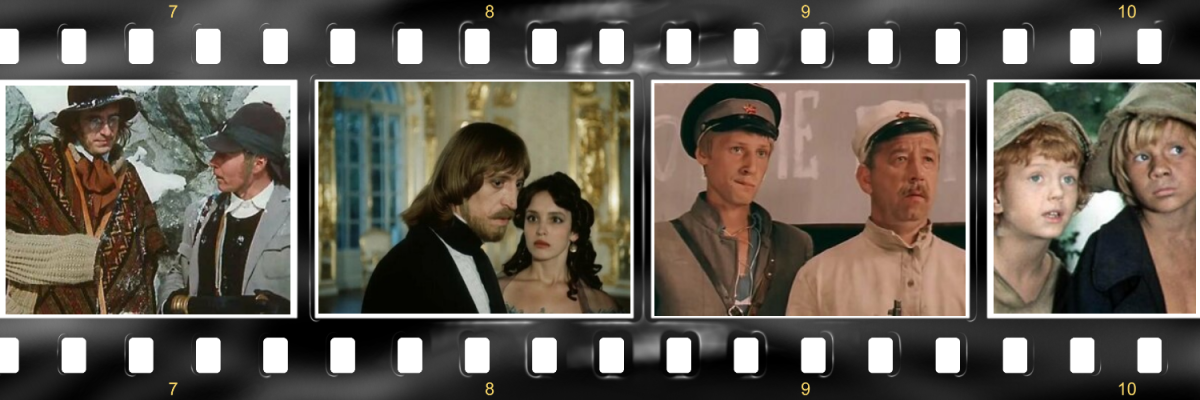
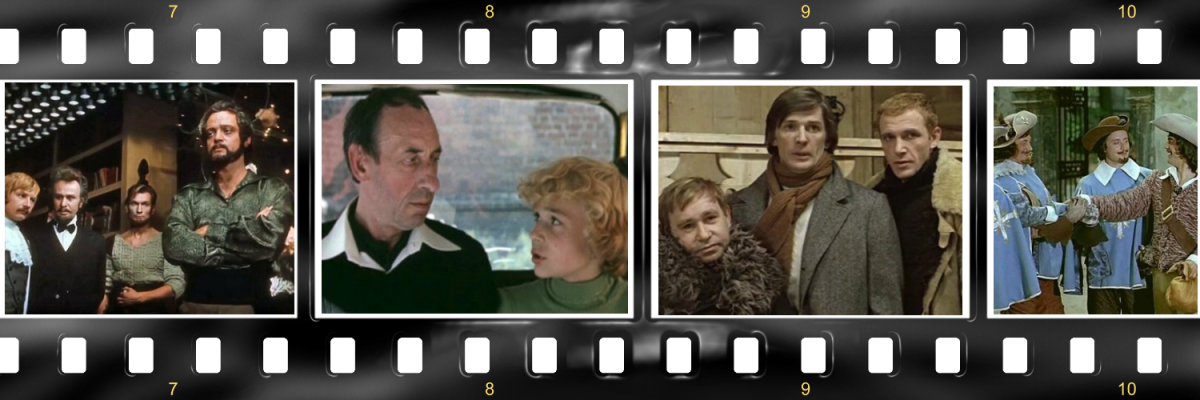
In the second half of the twentieth century, the Odesa Film Studio became one of the leading centres for the production of television feature films in the country. It was here that a number of films were created which have become classics and remain popular to this day. Among them are D’Artagnan and the Three Musketeers, The Gypsy, The Meeting Place Cannot Be Changed, Photographs on the Wall, and many others.
A special place in the history of cinema belongs to D’Artagnan and the Three Musketeers, for which special effects cinematographer Vsevolod Shlemov created the spectacular animated opening sequence featuring a brigantine. It became the film’s instantly recognisable hallmark and one of the enduring symbols of the Odesa Film Studio.
Recognition was achieved not only by individual films but also by their creators. The authors of the famous television film The Adventures of Elektronik became the first representatives of the Odesa Film Studio to receive the USSR State Prize.
Thanks to its outstanding artistic quality, immense popularity among audiences, and an impressive number of successful television and feature films, the Odesa Film Studio consistently ranked among the three leading film studios of the Soviet Union, while holding first place among the film studios of Ukraine. It was during this period that the studio firmly established itself as one of the most important centres of film production in Eastern Europe.
In the mid-1980s, the Odesa Film Studio entered a challenging period of change. Following the dismissal of Hennadii Zbandut as Director in 1984, the studio, despite changes in management, maintained its commitment to creative development. Soon afterwards, Yurii Kovalenko, who had begun his cinematographic career in Odesa, returned to the studio.
The Odesa Film Studio became the first film studio in the Soviet Union to adopt a new economic model, gradually moving away from complete state financing and supporting film production through its own commercial activities. At the same time, the studio actively expanded its international cooperation. Together with German partners, it established the joint venture Primodesa-Film, while cooperation with Polish filmmakers resulted in the commercially successful comedies Déjà Vu, directed by Juliusz Machulski, and A Million in the Wedding Basket, directed by Vsevolod Shylovskyi.
During this period, Colombian director Héctor Sierra Ramírez made his debut at the Odesa Film Studio by adapting Isaac Babel’s short story The Sin of Jesus. The screenplay was written by the renowned Odesa native Hryhorii Koltunov, the only Ukrainian screenwriter in history to receive an award at the Cannes International Film Festival.
In the autumn of 1988, Odesa hosted the First International Film Festival “Golden Duke”, which became one of the most remarkable cultural events of its time. The festival welcomed internationally renowned artists, including Marcello Mastroianni, Max Tessier, Klaus Eder, and Ranjit Chakraborty, while the jury was chaired by the distinguished director Eldar Ryazanov. It was also during this period that the Odesa International Film Markets began to develop actively, contributing significantly to the international promotion of Ukrainian cinema.
At the same time, the studio increased its own film production, while the screening hall regularly hosted creative meetings of the film club The Meeting Place Cannot Be Changed, bringing together actors, directors, and cinema enthusiasts.
Following Ukraine’s independence, the Odesa Film Studio experienced a difficult period of transformation. Some of its experienced filmmakers moved abroad, while the enterprise underwent corporatisation and privatisation. Despite these challenges, the studio preserved its operations and continued to remain one of the principal symbols of Ukrainian cinema.
In 2017, changes took place in the management of the Joint Stock Company “Odesa Film Studio.” Andrii Osipov was appointed as the new Head of the Studio and focused on cooperation with experienced professionals and the revival of the studio’s creative potential. After a prolonged period of stagnation, filmmakers once again received opportunities to realise new projects, while the studio significantly intensified its own film production.
The studio began producing films both independently and in partnership with other Ukrainian and international production companies. Production expanded to encompass the entire spectrum of filmmaking—from short films to full-length feature productions—representing an important step in the revival of one of Ukraine’s oldest centres of cinematography.
During this period, audiences saw the short films Thank You, Movie Up, Vira, and Little Tomato, as well as the feature films Chervonyi, The Traitor, Taras. Return, Chervonyi. Beyond the Front Line, The Fiery River, and Two Truths. The credits of these productions once again featured the famous emblem of the Odesa Film Studio—the brigantine, which has served as its recognisable symbol for many decades.
The studio’s new productions received international recognition. The film Why Am I Alive, directed by the classic Ukrainian filmmaker Vilen Novak, won awards at numerous international film festivals around the world. Considerable success was also achieved by the historical adventure film The Khadjibey Fortress, which attracted the attention of wide audiences and the professional film community, receiving distinctions both in Ukraine and abroad.
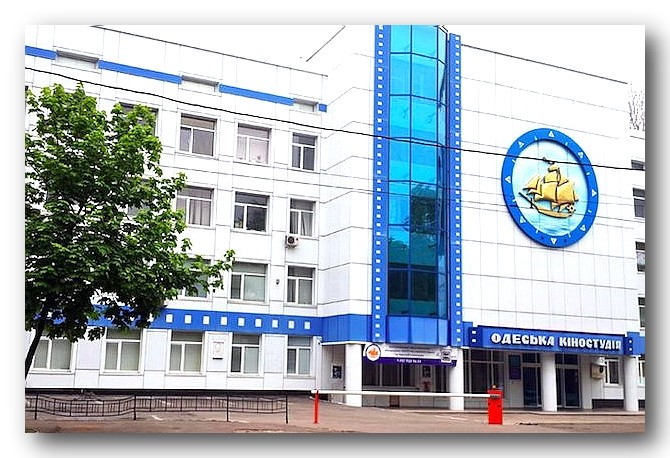
Today, the Odesa Film Studio continues to develop, combining more than a century of Ukrainian cinematic traditions with contemporary approaches to filmmaking while maintaining its status as one of the principal symbols of Ukrainian cinematography.
Between 2018 and 2024, films produced by the Odesa Film Studio received more than fifty awards at international and national film festivals. Members of the studio’s staff were also honoured with state and local awards for their significant contribution to the development of Ukrainian cinema.
The full-scale invasion of Ukraine by the russian federation in 2022 had a profound impact on the activities of the studio. Operations were transferred to a special wartime mode: the implementation of most large-scale projects was temporarily suspended, while a significant part of the staff worked remotely, adapting to wartime conditions. Despite these difficult circumstances, the Odesa Film Studio continued its creative work. In 2022, it completed the Ukrainian-Bulgarian feature film project By the River, as well as the documentary films The Military Couturier and Laugh Again, dedicated to contemporary events and to the people who continue to create and protect Ukrainian culture even during wartime.
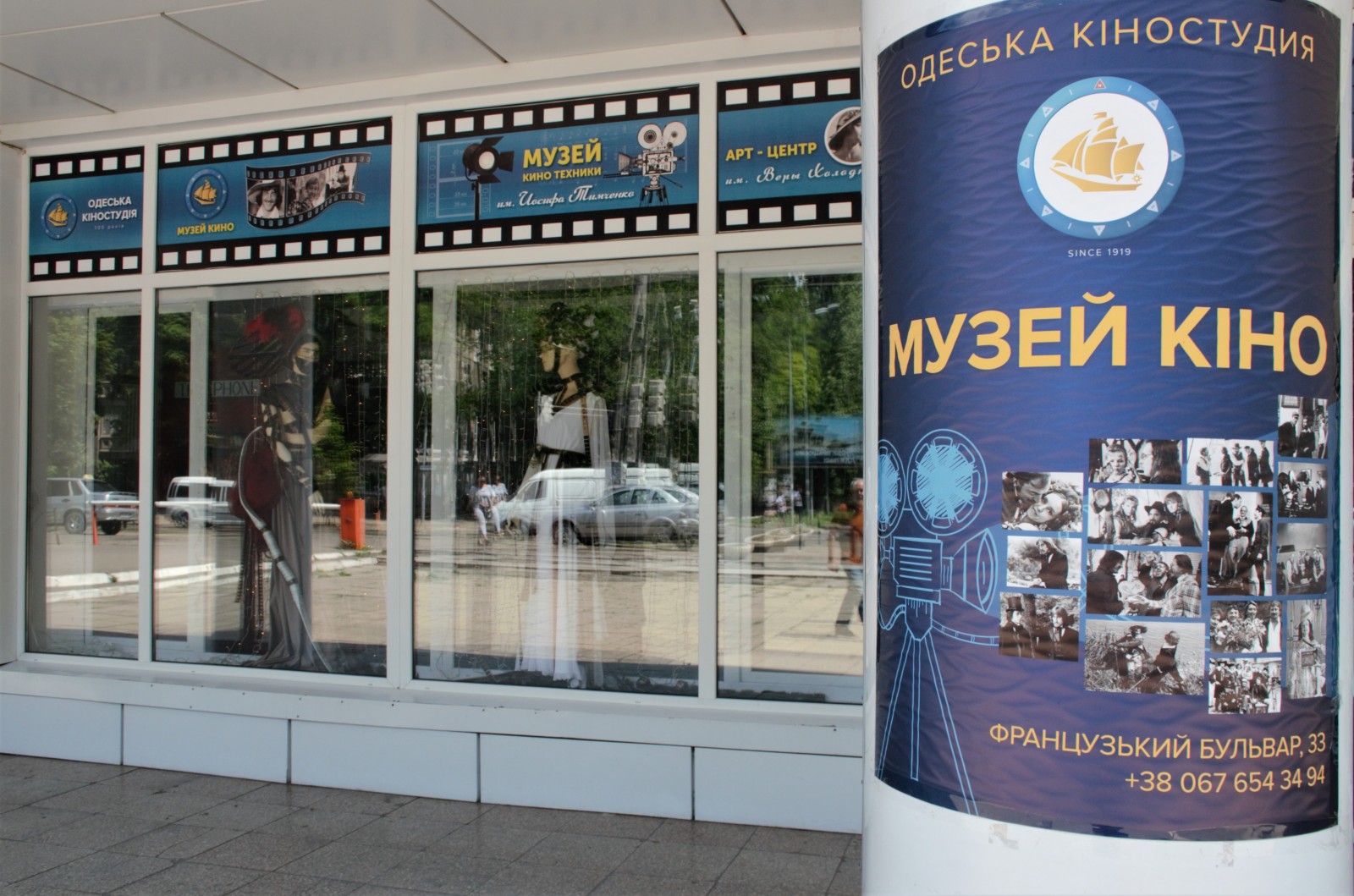
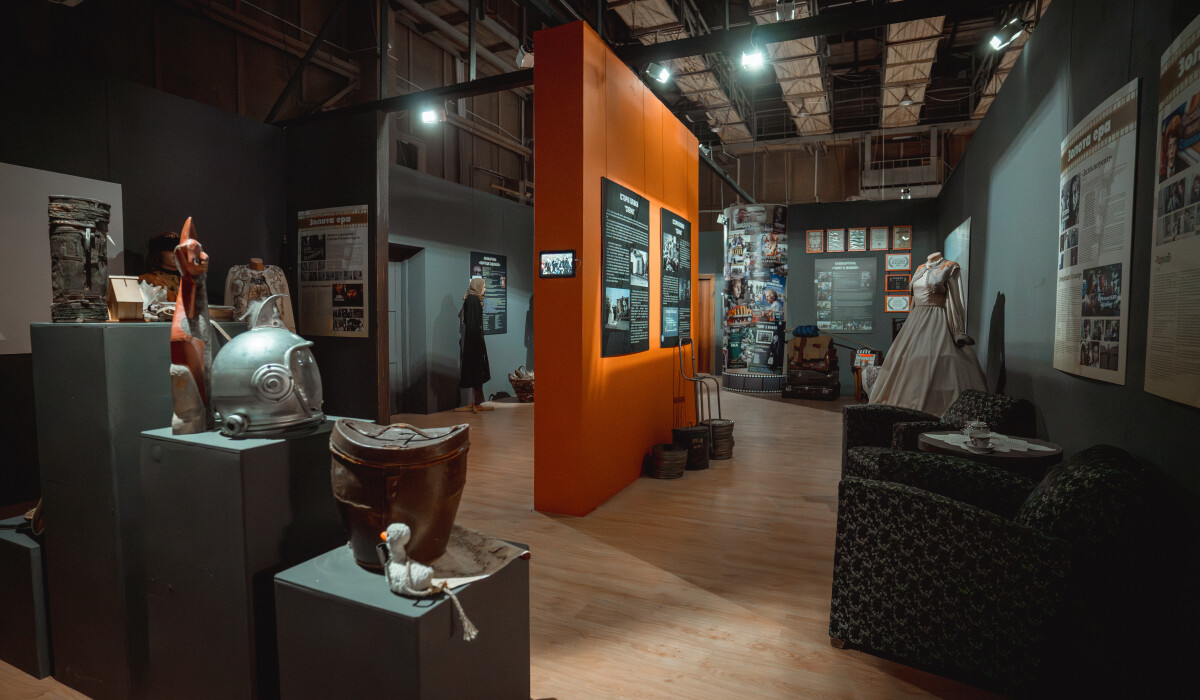
Today, the Odesa Film Studio is not only a place where feature and documentary films are produced but also a modern cultural centre that combines historical heritage with new creative initiatives. Two museums operate on its grounds—the Cinema Exhibition Museum and the Museum of Film Technology, whose collections are continually enriched with new exhibits and interactive displays.
An important area of the studio’s activity is the support of young filmmakers. In 2019, together with the Ministry of Culture and Information Policy of Ukraine, the studio established the Kira Muratova Short Film Project Competition “Brief Encounters.” Its purpose is to help young directors, screenwriters, and producers realise their first creative projects and receive professional support. In August 2023, the Film Almanac featuring the winners of the first competition premiered, while the Second Almanac was presented to audiences to mark the 90th anniversary of Kira Muratova’s birth.
The Odesa Film Studio also actively develops cultural and educational activities. It regularly hosts immersive exhibitions, continuously updates its museum collections, and organises educational events within the Cinema Hub, which has become a popular venue for filmmakers, students, and cinema enthusiasts.
The studio also joined the creation of the national film festival Cinema for Victory, organised with the support of the State Film Agency of Ukraine and the Office of the President of Ukraine. One of its largest contemporary projects is the feature film The Director, dedicated to the life and creative legacy of the great Ukrainian filmmaker Oleksandr Dovzhenko.
In 2026, the Odesa Film Studio continues to work on new film, museum, and educational projects while maintaining its status as one of the oldest and most important centres of Ukrainian cinematic art. Since 12 June 2025, the duties of the Head of the enterprise have been performed by Hanna Vasylivna Docheva, who continues the studio’s course toward development while preserving its creative traditions.
Based on materials from the website https://www.odesafilmstudio.com.ua/uk
Odesa International Film Festival

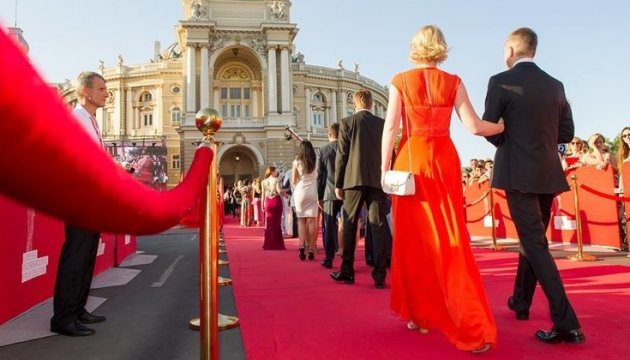
The Odesa International Film Festival (OIFF) is an annual film festival traditionally held in mid-July. It was first launched in 2010 in the Ukrainian city of Odesa.
During its first two years, the festival positioned itself as a showcase of films for audiences with a distinctive sense of humour. It later broadened its concept and established itself as an art mainstream festival, presenting films of outstanding artistic quality intended for a wide audience. Since 2016, the competition programme has consisted of three full-scale sections: the International Competition Programme, the National Competition Programme (including feature-length and short films produced in Ukraine or co-produced with Ukraine), and the European Documentary Competition.
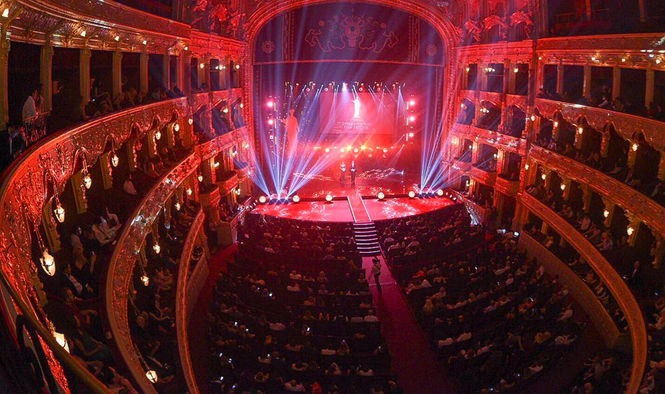
The first Odesa International Film Festival took place from 16 to 24 July 2010. Its competition programme featured sixteen feature films, while more than one hundred films were presented in both competitive and non-competitive screenings. During its first two years, the main venue—the Festival Centre, where competition screenings and the principal festival events were held—was the Rodina Cinema. Beginning with the third festival in 2012, the principal venue became the Festival Palace, the 1,260-seat auditorium of the Odesa Academic Theatre of Musical Comedy. The Rodina Cinema remained the Festival Centre, hosting screenings of the Ukrainian National Competition, non-competitive programmes, retrospectives, and master classes. The opening and closing ceremonies, as well as the traditional Red Carpet, take place at the Odesa National Academic Opera and Ballet Theatre.
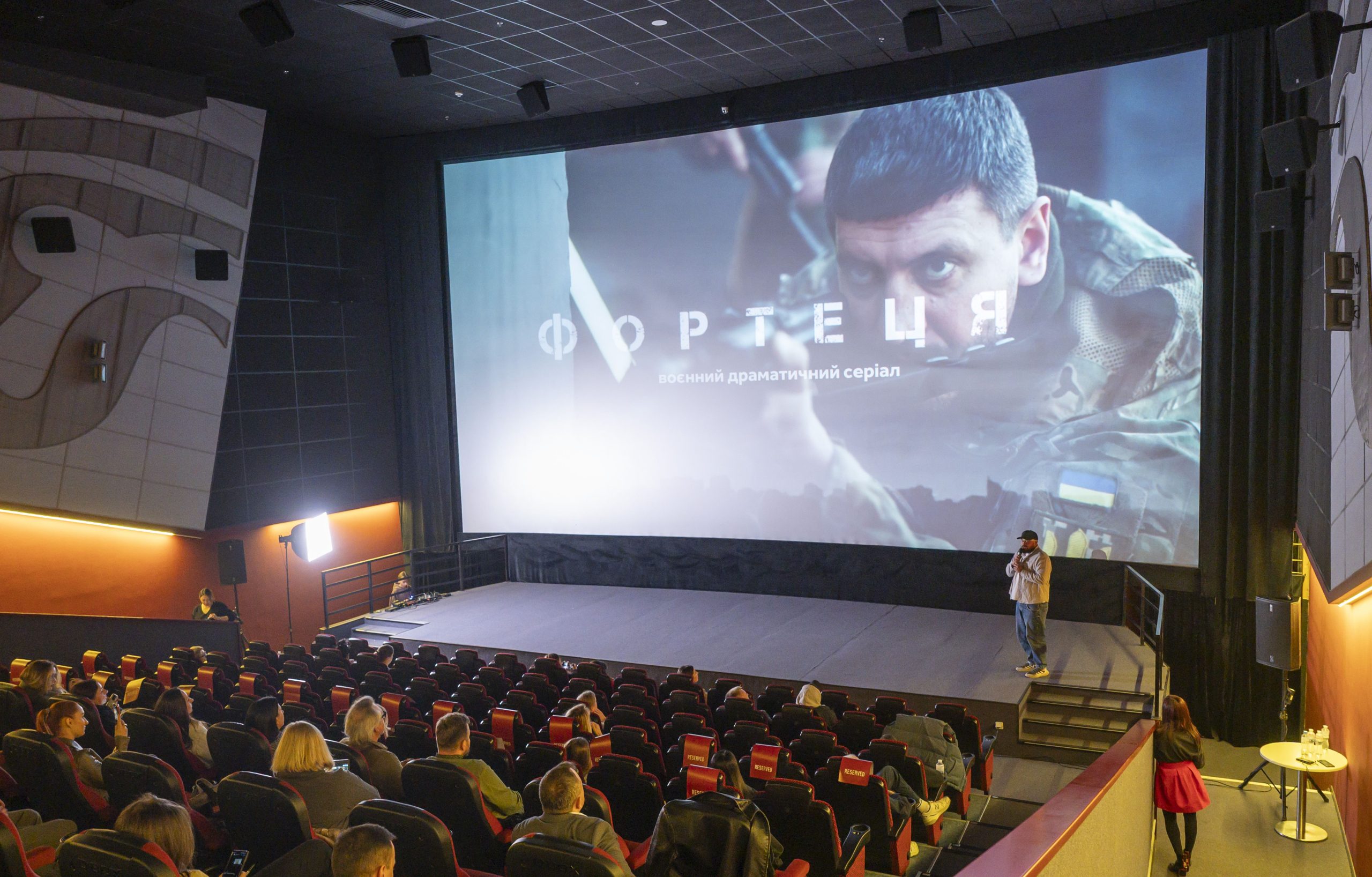
Festival screenings are held at three principal venues: the Festival Palace, the Festival Centre at the Rodina Cinema, and the Green Theatre. Since 2019, the Multiplex Cinema has also joined the list of festival venues.
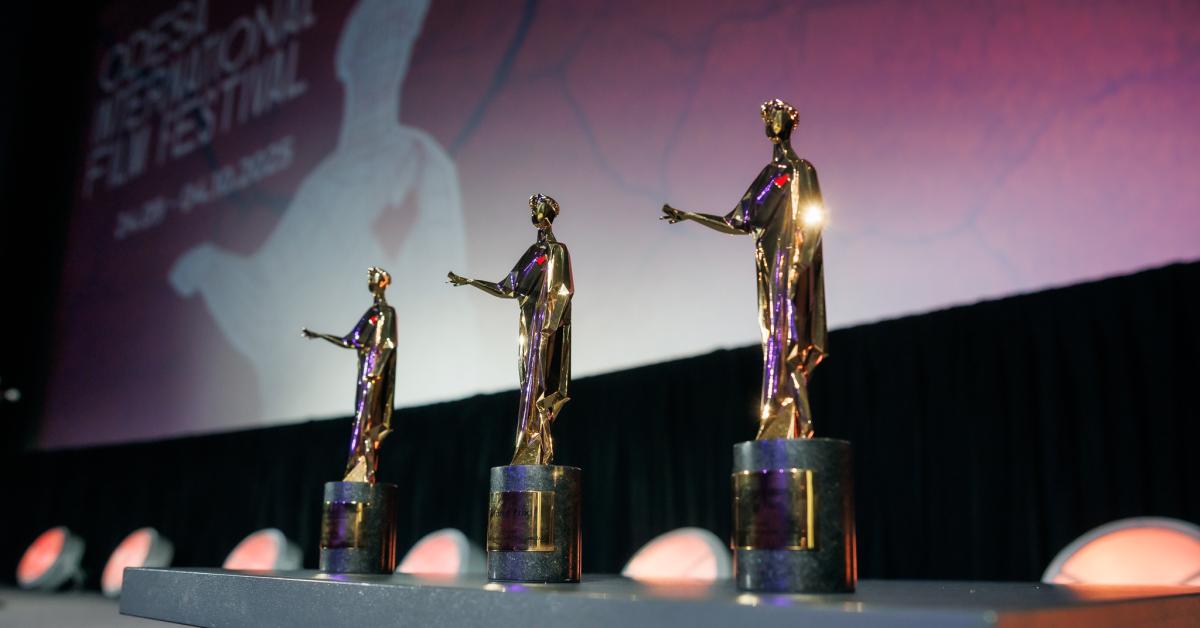
The festival’s highest award is the Golden Duke statuette, an updated version of the prize originally created by Odesa sculptor Mykhailo Reva for the Golden Duke Film Festival, which took place in Odesa in 1988. During the first two years, the festival’s main prize was awarded by the decision of the international jury. Since 2012, the Grand Prix of the Odesa International Film Festival has been determined through audience voting.
The festival’s International Jury evaluates the International Competition Programme and presents awards for Best Feature Film, Best Director, and Best Actor/Actress. In 2012, the Ukrainian National Competition was introduced, with the award for the Best Ukrainian Film determined by the National Competition Jury. Since 2016, the European Documentary Competition Jury has selected the winner of the Best Documentary Film.
More than 40,000 visitors attended the inaugural festival. In 2011, attendance exceeded 70,000, while the third festival in 2012 attracted approximately 100,000 spectators, accredited around 4,500 guests and 700 media representatives, reached a television audience of approximately three million viewers during the opening and closing ceremonies, and presented eighty-five films from forty countries.
An important and rapidly developing part of the festival is its educational programme known as the Film School, a series of master classes conducted by distinguished festival guests for film students and cinema enthusiasts. During the second festival, another educational initiative was introduced—the InterSchool Screenwriting Workshop, which offered seminars for a selected group of screenwriters chosen through a screenplay competition. During the third festival in 2012, the School of Film Critics also operated within the Film School.
The festival later introduced additional professional programmes under the umbrella of the Film Industry Office, including the Summer and Winter Film Markets, pitching sessions for completed projects and projects in development (Work in Progress), as well as television series projects (EastSeries).
In 2011, on the final day of the festival, the Odesa International Film Festival received recognition from the Hollywood Foreign Press Association (HFPA), the organisation that presents the Golden Globe Awards. The honorary distinction was presented by HFPA member Gabriel Lerman.
The fourth Odesa International Film Festival took place from 12 to 20 July 2013. Among its innovations was the establishment of a new award for the Best Ukrainian Short Film. The fourth festival also featured a retrospective dedicated to the films of Sergei Parajanov.
Since 2016, the festival has operated a Video Library, where visitors can watch films from the competition programmes. The festival also presents the Golden Duke Award for Outstanding Contribution to Cinema. In 2017, the award was presented to actress Isabelle Huppert and director Agnieszka Holland, while in 2018 it honoured actresses Ada Rohovtseva and Jacqueline Bisset. During the tenth anniversary edition of the festival, the award was presented to British theatre and film director Mike Leigh and French cinema legend Catherine Deneuve, who attended as a special guest. On the occasion of the festival’s tenth anniversary, two honorary Golden Duke statuettes were also presented to the Odesa Film Studio in celebration of its 100th anniversary.
During the eighth edition of the festival, the Film Industry Office section expanded beyond the traditional feature film pitching sessions and Work in Progress presentations to include the Odesa IFF ScripTeast Series Projects competition and the Actor’s Workshop.
In 2023, due to Russia’s full-scale invasion of Ukraine, the festival was held in Chernivtsi.
The 15th Odesa International Film Festival opened in Kyiv on 12 July 2024. The opening ceremony took place at the Parkovyi Exhibition and Convention Centre, while the screening programme continued from 12 to 20 July.
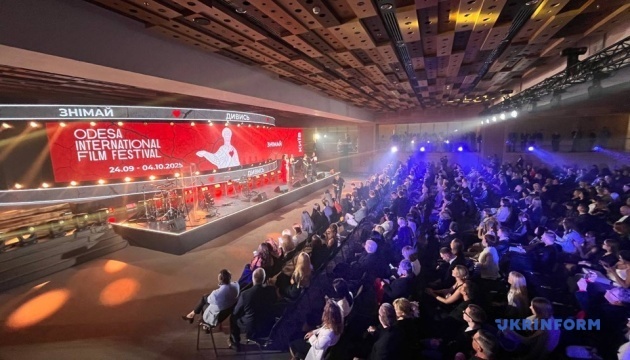
The 17th Odesa International Film Festival will take place from 27 August to 4 September 2026 in Kyiv, marking the third consecutive year in which the festival has been relocated due to security considerations. The previous 16th OIFF, held from 24 September to 4 October 2025, attracted more than 43,000 audience visits and presented 113 films.
Odesa Film Office
Film production is not only about creative inspiration—it is also a complex organisational process. Recognising this need, the Odesa Film Office (Odesa Film Commission) was officially established in February 2019. The idea, however, had developed much earlier, as its team of specialists had already been assisting film crews throughout the region since 2013.
The organisation’s principal mission is to transform Odesa into a comfortable, diverse, and open platform for the creation of audiovisual content of every genre. The Film Commission serves as a single point of contact and mediator between filmmakers and municipal authorities. It assists production teams throughout the entire process—from the initial concept and screenplay to theatrical release and participation in international film festivals.
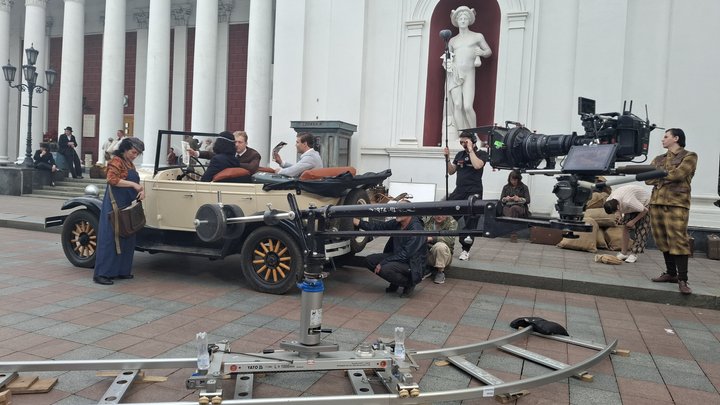
The practical work of the Office focuses on solving the everyday challenges faced by producers. Specialists of the Odesa Film Office facilitate the rapid acquisition of official permits for filming on municipal and state-owned property. Whenever directors need to close streets, install filming equipment on bridges, historic streets, parks, nature reserves, or along the seashore, the Film Commission coordinates negotiations with public authorities and private property owners.
One of the organisation’s most valuable achievements is its unique location database. The Office has systematically catalogued and digitised more than 2,000 filming locations throughout Odesa and its surrounding area. This extensive catalogue includes magnificent palaces in the historic centre, the distinctive atmosphere of traditional Odesa courtyards, contemporary urban landscapes, industrial sites, parks and gardens, transport infrastructure, and numerous coastal locations. Thanks to this comprehensive photographic and panoramic database, both Ukrainian and international location scouts are able to select suitable filming locations for future feature films, television productions, commercials, and music videos remotely. By continuously developing the city’s filming infrastructure, the Odesa Film Office ensures that Odesa remains firmly established on the map of contemporary Ukrainian cinema.
*Why Is the Name of the City Spelled “Odesa” with Only One “S”?
We write the name of the city as “Odesa” with only one “s” in order to respect the Ukrainian spelling and the original Ukrainian name. Traditional international spellings with a double “s” may still be encountered, but the correct Ukrainian form is spelled with only one “s”.